
Amino Acids Market Overview
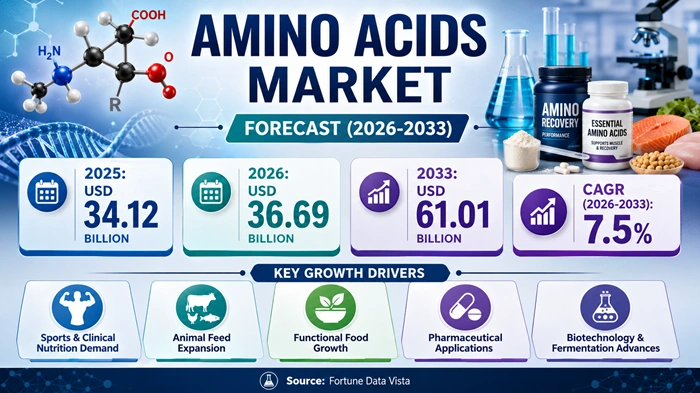
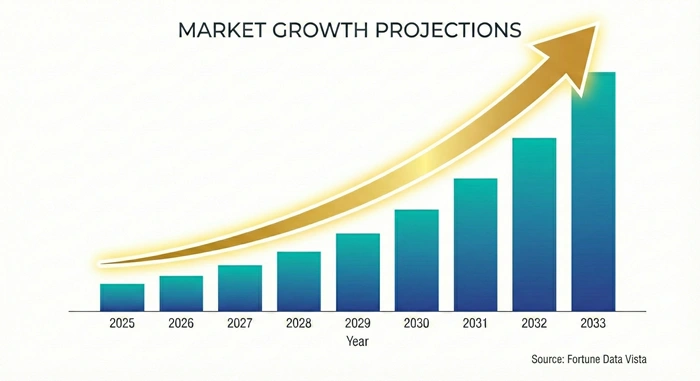
The global amino acids market size is valued at USD 34.12 billion in 2025 and is predicted to increase from USD 36.69 billion in 2026 to approximately USD 61.01 billion by 2033, growing at a CAGR of 7.5% from 2026 to 2033.
The market is expanding across a remarkably diverse set of end-use industries — from animal nutrition and food processing to pharmaceutical formulation and personal care manufacturing. Amino acids are the foundational building blocks of proteins, and their commercial production spans both essential and non-essential variants that serve critical metabolic, therapeutic, and functional roles. As global protein consumption grows, as animal feed efficiency requirements tighten, and as pharmaceutical-grade nutrition becomes more mainstream, the amino acids market is well-positioned to sustain strong double-digit growth through the forecast period.
AI Impact on the Amino Acids Industry
Artificial Intelligence Is Transforming Amino Acid Fermentation, Quality Assurance, and Precision Nutrition Formulation Across the Entire Value Chain
Artificial intelligence is quietly redefining how amino acids are produced, tested, and applied in commercial formulations. In fermentation-based amino acid manufacturing — which accounts for the majority of global production — AI-powered bioprocess optimization tools are being used to monitor fermentation variables in real time, predict yield outcomes, and automatically adjust parameters like pH, temperature, dissolved oxygen, and feed rates to maximize productivity. This reduces batch variability, lowers raw material waste, and shortens production cycles in ways that traditional process control cannot achieve. For large-scale producers like Evonik, Ajinomoto, and CJ CheilJedang, these incremental efficiency gains translate into significant cost advantages across their global manufacturing networks.
Beyond manufacturing, AI is reshaping how nutritionists and formulators use amino acids in end products. In animal nutrition, machine learning algorithms are being used to develop precision feed formulations that minimize crude protein content while maintaining animal performance — a strategy that simultaneously reduces feed cost and nitrogen excretion. These AI-driven formulation tools are accelerating the adoption of synthetic amino acid supplementation in place of high-protein raw materials, expanding the commercial case for synthetic lysine, methionine, threonine, and tryptophan in poultry and swine diets globally. In human nutrition, AI is enabling more personalized amino acid supplementation regimens based on individual biomarker data, opening a new premium market segment within the broader amino acids market.
Growth Factors
Rising Global Protein Demand, Animal Feed Optimization Needs, and Pharmaceutical-Grade Amino Acid Consumption Are the Three Most Powerful Growth Engines Fueling This Market
The single most significant driver of the amino acids market is the relentlessly growing global demand for protein — in both human diets and animal feed. As populations in Asia, Latin America, and Africa grow and become more affluent, per-capita meat and dairy consumption rises, driving massive increases in the volume of animal feed formulated with supplemental amino acids. Lysine, methionine, threonine, and tryptophan — collectively known as the key limiting amino acids in feed — are essential inputs for efficient livestock and poultry production. Feed manufacturers increasingly rely on synthetic amino acids to balance the amino acid profile of least-cost feed formulations, reducing their dependence on expensive high-protein raw materials like fishmeal and soybean meal. This feed sector demand is concentrated in Asia Pacific and growing rapidly in Latin America and Africa, where protein consumption growth is highest.
The pharmaceutical, nutraceutical, and functional food segments are the second major growth driver, and they are expanding at a notably faster rate than the traditional feed segment. Glutamine, arginine, branched-chain amino acids (BCAAs), and taurine are seeing rapidly rising demand from sports nutrition brands, clinical nutrition formulators, and pharmaceutical manufacturers developing intravenous (IV) nutrition solutions for critically ill patients. The global aging population trend is creating sustained demand for therapeutic amino acid products used in managing sarcopenia (muscle loss), liver disease, and metabolic disorders. Cosmetics and personal care is a smaller but steadily growing application segment, where amino acids are used as skin-conditioning agents, humectants, and hair-strengthening ingredients in premium beauty formulations.
Market Outlook
From Fermentation Innovation to Precision Nutrition and Sustainable Production, the Amino Acids Market Is Entering Its Most Technologically Dynamic Phase of Growth
The long-term outlook for the amino acids market is exceptionally positive, supported by structural demand growth across all major application segments and ongoing technological improvements in production efficiency. The global shift toward high-protein diets, the expansion of aquaculture and companion animal nutrition, and the deepening integration of amino acids into clinical and therapeutic nutrition protocols are collectively building a robust, multi-layered demand base that is well-diversified across geographies and end-uses. The rise of plant-based food formulations — which often require amino acid fortification to achieve complete protein profiles — is adding a new and rapidly growing demand layer that was not significant even five years ago.
On the supply side, the industry is in the middle of a significant transition toward more sustainable production methods. Fermentation using non-GMO microbial strains, renewable feedstocks, and waste stream carbon sources is gaining commercial traction as producers respond to growing customer and regulatory pressure for green chemistry credentials. Companies like Ajinomoto are advancing cell-free biosynthesis research that could further reduce production costs and environmental footprint. The geographic diversification of production outside China — into India, Southeast Asia, and increasingly the Americas — is also improving supply chain resilience and reducing geopolitical concentration risk. These supply-side developments are creating a more stable and cost-competitive amino acid supply chain that will support continued market expansion through 2033 and beyond.
Expert Speaks
-
"Animal nutrition is at the heart of what Evonik does, and amino acids are the building blocks of that business. The trend toward lower crude protein diets in poultry and swine production is a powerful structural tailwind for our amino acid portfolio — and it is accelerating as producers globally seek to reduce both feed costs and nitrogen emissions simultaneously," — Christian Kullmann, CEO, Evonik Industries AG.
-
"Ajinomoto's mission goes beyond simply producing amino acids — we are developing solutions that help the world achieve better protein sufficiency and nutritional health outcomes. Our work in personalized nutrition, clinical amino acid therapies, and sustainable fermentation technology positions us strongly for the next decade of market growth," — Takaaki Nishii, President & CEO, Ajinomoto Co., Inc.
-
"The global dietary supplement and nutraceutical market is growing at a pace that demands higher-quality, more specialized amino acid inputs than ever before. At Archer Daniels Midland, we see the intersection of food science, agricultural origination, and amino acid production as one of our most compelling long-term growth areas," — Juan Luciano, CEO, Archer Daniels Midland Company.
Key Report Takeaways
-
Asia Pacific dominates the global amino acids market, accounting for approximately 45–48% of global revenue in 2025, led by China's massive fermentation-based production infrastructure and Japan's technology-leading amino acid producers, with the region serving as both the world's largest manufacturer and the fastest-growing consumption market for feed and food-grade amino acids.
-
North America is the fastest-growing regional market in the amino acids industry, projected to expand at a CAGR of approximately 8.5–9% from 2026 to 2033, fueled by soaring demand for dietary supplements, clinical nutrition products, sports nutrition formulations, and the growing adoption of precision animal feeding practices that increase per-animal amino acid input requirements.
-
Animal feed producers are the largest consumers of amino acids globally, accounting for approximately 55–60% of total market revenue, as synthetic amino acid supplementation in poultry, swine, aquaculture, and ruminant diets has become standard practice for improving feed conversion efficiency and reducing protein-related environmental emissions.
-
The animal feed application segment contributes the highest market revenue, driven by the consistent procurement of lysine, methionine, threonine, and tryptophan by compound feed manufacturers across Asia Pacific, Europe, and the Americas to support the world's growing demand for poultry, pork, and aquaculture products.
-
Fermentation-based (bio-based) amino acid production is the most widely used and commercially dominant production process, accounting for over 80% of global supply, owing to its scalability, cost efficiency for bulk amino acids like glutamic acid and lysine, and growing alignment with sustainability and clean-label requirements across food, feed, and pharma customer segments.
-
The pharmaceutical and nutraceutical application segment is the fastest-growing end-use category, projected to grow at a CAGR of approximately 9.5–10.5% from 2026 to 2033, with a current market share of approximately 18–20%, as clinical nutrition programs, therapeutic amino acid therapies for metabolic and liver conditions, and the explosive growth of the sports and active nutrition supplement market drive unprecedented volumes of high-purity amino acid procurement.
Market Scope
| Parameter | Details |
|---|---|
| Market Size by 2033 | USD 61.01 Billion | Market Size by 2026 | USD 36.69 Billion | Market Size by 2025 | USD 34.12 Billion | Market Growth Rate from 2026 to 2033 | CAGR of 7.5% | Dominating Region | Asia Pacific | Fastest Growing Region | North America | Segments Covered | Type, Grade, Source, Application, End-User | Regions Covered | North America, Europe, Asia Pacific, Latin America, Middle East & Africa |
Market Dynamics
Drivers Impact Analysis
Global Protein Demand Growth, Precision Animal Nutrition Adoption, and Expanding Pharmaceutical Amino Acid Applications Are Collectively Propelling the Amino Acids Market Forward
| Driver | ≈ % Impact on CAGR Forecast | Geographic Relevance | Impact Timeline |
|---|---|---|---|
| Rising global protein consumption and meat demand | ~30% | Global, Dominant in Asia Pacific & Latin America | Ongoing through 2033 |
| Precision animal nutrition and low-protein diet adoption | ~25% | Global, Strong in North America & Europe | Near to Long-Term (2026–2033) |
| Pharmaceutical and clinical nutrition demand growth | ~20% | North America, Europe, Asia Pacific | Near to Long-Term |
| Sports and active nutrition supplement market expansion | ~15% | North America, Europe | Near to Medium-Term (2026–2030) |
| Plant-based food fortification and clean-label demand | ~10% | North America, Europe | Near to Medium-Term |
The most enduring driver of the amino acids market is the structural growth in global protein demand driven by population expansion and rising living standards. In Asia Pacific — where the middle class is growing fastest — annual per-capita meat consumption is rising steadily, requiring increasingly large and efficient animal protein production systems. Every additional ton of poultry or pork produced translates into demand for amino acid-supplemented compound feed, creating a direct and quantifiable link between human dietary trends and amino acid procurement volumes. This driver is particularly powerful in countries like China, Vietnam, Indonesia, and Brazil, where the scaling of industrialized livestock and aquaculture operations continues at pace.
In developed markets, the driver story shifts from volume to precision and specialization. European and North American livestock producers are under regulatory and market pressure to reduce nitrogen excretion from animal facilities — a goal that is best achieved by replacing dietary protein with targeted synthetic amino acid supplementation. This "ideal protein" concept, championed by companies like Evonik and CJ CheilJedang, is expanding synthetic amino acid use per animal unit even as total animal numbers in some regions grow more slowly than in emerging markets. The clinical nutrition and pharmaceutical drivers are equally compelling: the aging population in Europe, Japan, and North America is generating rising demand for therapeutic amino acid preparations, IV nutrition solutions, and medical food products that require highly purified amino acid inputs meeting pharmaceutical-grade specifications.
Restraints Impact Analysis
Raw Material Price Volatility, Intense Competition from Chinese Low-Cost Producers, and Stringent Regulatory Barriers in Pharmaceutical Applications Are the Key Constraints on the Amino Acids Market
| Restraint | ≈ % Impact on CAGR Forecast | Geographic Relevance | Impact Timeline |
|---|---|---|---|
| Feedstock price volatility (corn, sugar, molasses) | ~35% | Global | Ongoing |
| Intense pricing pressure from Chinese commodity producers | ~30% | Global, High in Feed Segment | Ongoing |
| Stringent regulatory requirements for pharma-grade amino acids | ~20% | North America, Europe | Ongoing |
| Consumer skepticism about synthetic amino acids in food | ~15% | North America, Europe | Near to Medium-Term |
Amino acid fermentation relies heavily on agricultural commodity feedstocks — primarily corn, cassava, sugarcane molasses, and soybean meal — whose prices fluctuate significantly based on weather events, energy costs, trade policies, and geopolitical disruptions. When feedstock prices rise sharply, as they have during periods of drought or supply chain disruption, amino acid production margins compress rapidly, creating pricing volatility that is difficult to fully pass on to downstream feed and food customers operating on thin margins themselves. This structural feedstock dependency is a persistent challenge for producers at all scales and geographies.
The concentration of commodity amino acid production in China — where producers benefit from low-cost labor, subsidized energy, and massive economies of scale — creates intense pricing pressure for producers in other regions. Chinese manufacturers dominate global supply of lysine, threonine, glutamic acid, and tryptophan, and their pricing strategies frequently undercut the cost structures of Western and Indian producers. While non-Chinese producers compete on quality, reliability, sustainability, and technical service rather than price alone, the ongoing cost gap remains a real constraint on margin expansion for the broader amino acids market outside China.
Opportunities Impact Analysis
Sustainable Fermentation Technology, Personalized Nutrition Platforms, and Aquaculture Amino Acid Demand Are Opening High-Value New Opportunities for the Amino Acids Market
| Opportunity | ≈ % Impact on CAGR Forecast | Geographic Relevance | Impact Timeline |
|---|---|---|---|
| Sustainable and bio-based amino acid production innovation | ~35% | Global, Strong in Europe & North America | Medium to Long-Term |
| Aquaculture sector amino acid demand growth | ~25% | Asia Pacific, Latin America | Near to Long-Term |
| Personalized and functional nutrition application development | ~20% | North America, Europe | Medium to Long-Term |
| Emerging market animal protein production expansion | ~20% | Africa, Southeast Asia, Latin America | Near to Long-Term |
The shift toward sustainable food and feed systems is creating powerful commercial opportunities for amino acid producers who can demonstrate green production credentials. As food companies, feed manufacturers, and pharmaceutical firms face mounting pressure from investors, regulators, and consumers to reduce their supply chain carbon footprint, demand for bio-based, sustainably produced amino acids with verifiable low-carbon intensity is growing. Producers who invest in renewable energy-powered fermentation, waste stream valorization, and certified sustainable feedstock sourcing are finding access to premium pricing and preferred supplier relationships that justify the investment premium. This sustainability differentiation is particularly valuable in European and North American markets, where ESG procurement standards are most rigorous.
Aquaculture represents one of the most dynamic demand growth opportunities within the amino acids market. As wild fish stocks come under increasing sustainability pressure and global seafood consumption grows, aquaculture is expanding rapidly across Asia Pacific, Latin America, and the Middle East. Fish and shrimp diets require highly digestible, specific amino acid profiles that cannot always be achieved from plant-based protein sources alone, creating rising demand for high-quality amino acid concentrates. Companies like Evonik, Ajinomoto, and CJ CheilJedang have already developed aquaculture-specific amino acid products and are actively investing in the segment's growth. The additional opportunity from companion animal food premiumization — where pet food brands are increasingly formulating with named amino acid ingredients to satisfy scientifically minded consumers — adds another attractive niche within the broader commercial opportunity.
Segment Analysis
By Application
Animal Feed Remains the Dominant Force in the Amino Acids Market While Pharmaceutical and Nutraceutical Applications Surge as the High-Growth Premium Segment
The animal feed application segment is the backbone of the global amino acids market, holding approximately 55–60% of total market revenue in 2025 and growing at a CAGR of roughly 7.0% from 2026 to 2033. This dominance reflects the structural reliance of modern industrialized animal production on supplemental amino acids to optimize feed efficiency, reduce crude protein use, and meet precise nutritional requirements across the lifecycle stages of poultry, swine, cattle, and aquaculture species. Asia Pacific leads this segment by a significant margin — China alone accounts for the majority of global lysine and threonine demand for feed purposes, while countries like Vietnam, India, and Brazil are rapidly scaling their animal production systems and increasing amino acid inclusion rates. Major players serving the feed application segment include CJ CheilJedang (South Korea), Evonik Industries AG (Germany), Archer Daniels Midland Company (US), and Ajinomoto Co., Inc. (Japan), all of which maintain dedicated feed amino acid product portfolios and technical advisory services for feed formulators worldwide.
The pharmaceutical, nutraceutical, and dietary supplement application is the fastest-growing segment in the amino acids market, projected to expand at a CAGR of approximately 9.5–10.5% through 2033, driven by clinical nutrition programs, sports performance optimization, and therapeutic use in managing conditions like liver disease, kidney failure, and sarcopenia. North America leads this segment in terms of per-capita consumption value, with the US dietary supplement industry consuming large volumes of BCAAs, glutamine, arginine, and taurine for sports nutrition, wellness, and medical food applications. Europe follows closely, with pharmaceutical-grade amino acid demand driven by IV nutrition solutions and clinical medical food products. Companies like Kyowa Hakko Bio Co., Ltd. (Japan), Ajinomoto Co., Inc. (Japan), and Sigma-Aldrich (Merck KGaA, Germany) are the leading suppliers of pharmaceutical and nutraceutical grade amino acids, competing on purity certification, regulatory compliance documentation, and technical application support.
By Type
Glutamic Acid Leads Global Amino Acid Production Volume While Lysine and Methionine Command the Largest Share of the Animal Feed-Driven Commercial Market
Glutamic acid — the amino acid from which monosodium glutamate (MSG) is derived — is the largest single amino acid by global production volume, holding approximately 35–40% of the amino acids market by tonnage in 2025. Its dominance reflects the massive scale of MSG production for the food industry, particularly in Asia, where it is a ubiquitous flavoring ingredient across East and Southeast Asian cuisines. China and Japan are the leading producing nations, with Ajinomoto Co., Inc. and Fufeng Group Company Limited (China) being the largest producers globally. The glutamic acid segment is growing at a CAGR of approximately 6.5% through 2033, with steady demand from the food industry supplemented by growing use in pharmaceutical and cosmetic formulations. Asia Pacific accounts for over 70% of global glutamic acid consumption, making it the most geographically concentrated segment in the market.
The lysine segment is the most commercially significant amino acid in the animal feed context, representing the single largest spend item in feed amino acid procurement globally. Lysine is the first limiting amino acid in corn-based poultry and swine diets, meaning that its supplementation is essential for achieving optimal animal performance without overfeeding expensive protein sources. The lysine segment holds approximately 18–22% of the amino acids market by revenue and is growing at a CAGR of approximately 7.3% from 2026 to 2033. Asia Pacific again leads in consumption, while production is concentrated in China among players like CJ CheilJedang, Global Bio-Chem Technology Group, and COFCO Biochemical, which together supply the majority of the world's feed-grade lysine. The methionine segment is similarly significant — particularly for poultry nutrition — with Evonik Industries AG, Adisseo SA, and Sumitomo Chemical Co., Ltd. as the dominant global producers competing across DL-methionine and liquid methionine hydroxy analog (MHA) product formats.
Regional Insights
Asia Pacific
Asia Pacific Is the Undisputed Leader of the Global Amino Acids Market, Powered by the World's Largest Fermentation Production Base and Fastest-Growing Animal Protein Consumption
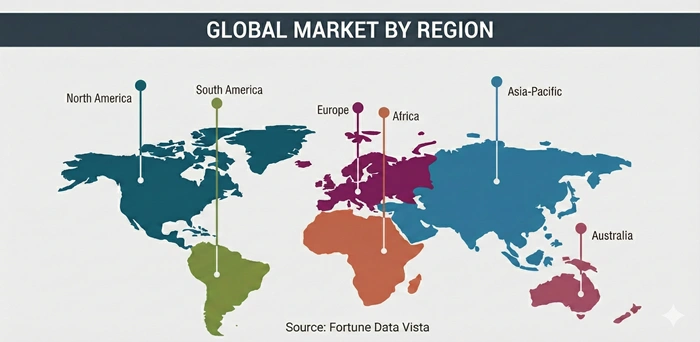
Asia Pacific holds the largest share of the global amino acids market, accounting for approximately 45–48% of global revenue in 2025 and expected to maintain regional dominance throughout the forecast period with a CAGR of approximately 7.2% from 2026 to 2033. China is the defining force — as both the world's largest producer and one of its largest consumers, China hosts the dominant fermentation manufacturing base for glutamic acid, lysine, threonine, citric acid, and tryptophan. Chinese producers including Fufeng Group, Meihua Holdings Group, and COFCO Biochemical operate at scales that give them significant cost advantages over producers in other regions, enabling them to supply global markets at competitive price points. Japan is home to technology-leading amino acid innovators Ajinomoto Co., Inc. and Kyowa Hakko Bio, which dominate the pharmaceutical and food-grade premium segments globally.
South Korea and India are rapidly growing within the Asia Pacific amino acids market. South Korea's CJ CheilJedang is a global leader in feed amino acids, particularly lysine and tryptophan, with production facilities across Asia, North and South America. India is emerging as a significant growth market, driven by expansion in its domestic poultry, aquaculture, and dietary supplement sectors, with increasing government support for bio-fermentation industry development. The Asia Pacific region's combination of massive production scale, fast-growing domestic demand from rising protein consumption, and deeply integrated agricultural supply chains makes it the strategic anchor of the global amino acids market and the primary price-setter for commodity amino acid products globally.
North America
North America Is the Fastest-Growing Region in the Amino Acids Market, Driven by Premium Supplement Demand, Precision Livestock Nutrition, and Clinical Nutrition Innovation
North America is the fastest-growing region in the global amino acids market, projected to register a CAGR of approximately 8.5–9% from 2026 to 2033, underpinned by exceptionally strong demand across the dietary supplement, sports nutrition, clinical nutrition, and precision animal feed sectors. The United States is the dominant market within the region, where a mature and highly sophisticated supplement industry creates sustained demand for pharmaceutical and food-grade amino acids including BCAAs, glutamine, arginine, taurine, and citrulline. The US feed amino acid market is equally robust, with a highly industrialized poultry and swine sector that increasingly adopts synthetic amino acid supplementation to meet regulatory nitrogen management requirements and improve feed cost efficiency. Key players with strong North American operations include Archer Daniels Midland (US), Ajinomoto Co. (Japan/US operations), Evonik Industries (Germany/US operations), CJ CheilJedang (South Korea/US operations), and Kyowa Hakko Bio (Japan/US).
Canada and Mexico contribute meaningfully to the regional amino acids market. Canada's growing aquaculture sector and health supplement industry are expanding amino acid consumption, while Mexico's rapidly developing commercial poultry and swine industry is increasing feed amino acid procurement at scale. The North American clinical nutrition segment — encompassing IV amino acid formulations, enteral nutrition products, and specialty medical foods — is one of the most sophisticated and fast-growing in the world, driven by an aging population, rising prevalence of metabolic disease, and a healthcare system that increasingly adopts evidence-based nutritional therapy. The amino acids market in North America is expected to surpass USD 11 billion by 2033, making it the highest-value growth region outside Asia Pacific.
Report Customization: Region-Wise and Country-Wise Insights
This Report Offers Comprehensive Geographic Customization — Providing Business-Critical Amino Acids Market Intelligence Tailored to Your Specific Region or Country of Strategic Focus
This report on the amino acids market is available with complete region-wise and country-wise customization, enabling food companies, pharmaceutical manufacturers, feed producers, supplement brands, and investors to access detailed market intelligence precisely tailored to their geographic priorities. Whether your objective is to evaluate amino acid demand trends in a specific country, assess competitive dynamics in a regional feed market, or identify regulatory compliance requirements for pharmaceutical-grade amino acid imports in a target market, our team delivers fully customized analysis built around your geography and business context.
Customized reports are available for the following regions and countries, each offering detailed market sizing, segment demand analysis, competitive landscape, regulatory environment, supply chain intelligence, and growth opportunity mapping specific to that geography and the amino acids market:
North America
-
U.S. — Dietary supplement demand by amino acid type, feed sector lysine and methionine usage, clinical nutrition market analysis, and competitive benchmarking of ADM, Evonik, and Ajinomoto US operations
-
Canada — Aquaculture amino acid demand, health supplement market trends, and regulatory framework for novel amino acid applications
-
Mexico — Poultry and swine industry amino acid procurement trends, and industrial fermentation sector development analysis
Europe
-
U.K. — Sports nutrition and functional food amino acid demand, post-Brexit regulatory environment, and premium supplement market analysis
-
Germany — Pharmaceutical-grade amino acid production and consumption, Evonik competitive positioning, and feed amino acid market dynamics
-
France — Adisseo methionine market leadership, animal nutrition sector analysis, and cosmetics-grade amino acid demand
-
Italy — Food ingredient and cosmetics amino acid applications, and pharmaceutical sector demand overview
-
Rest of Europe — Nordic, Eastern European, and Benelux amino acid market dynamics, including aquaculture and specialty nutrition
Asia Pacific
-
China — Fermentation industry analysis, Fufeng, Meihua, and COFCO competitive positioning, export trade flows, and domestic consumption growth by segment
-
India — Poultry and aquaculture feed amino acid demand, PLI scheme impact on bio-fermentation, and dietary supplement market growth
-
Japan — Ajinomoto and Kyowa Hakko Bio technology leadership, pharmaceutical-grade amino acid exports, and food-grade consumption trends
-
South Korea — CJ CheilJedang global strategy, domestic animal nutrition market, and fermentation sector analysis
-
Australia — Aquaculture and companion animal nutrition amino acid demand, and sports nutrition market overview
-
Rest of Asia Pacific — Southeast Asian poultry and aquaculture sector demand, Vietnam and Indonesia amino acid market growth
Latin America
-
Brazil — Poultry and swine sector amino acid volumes, CJ CheilJedang Brazil operations, and soybean-linked feed formulation trends
-
Argentina — Agricultural sector amino acid use and animal protein production growth analysis
-
Rest of Latin America — Aquaculture expansion in Chile and Peru, and regional feed amino acid demand trends
Middle East & Africa
-
UAE — Food ingredient and sports nutrition import demand, and halal-certified amino acid sourcing
-
Saudi Arabia — Poultry sector amino acid demand, Vision 2030 food security investments, and supplement market development
-
Rest of MEA — Sub-Saharan Africa poultry and aquaculture growth, and North African animal feed sector analysis
Top Key Players
-
Ajinomoto Co., Inc. (Japan)
-
Evonik Industries AG (Germany)
-
CJ CheilJedang Corporation (South Korea)
-
Archer Daniels Midland Company (United States)
-
Kyowa Hakko Bio Co., Ltd. (Japan)
-
Fufeng Group Company Limited (China)
-
Meihua Holdings Group Co., Ltd. (China)
-
Adisseo SA (France)
-
Sumitomo Chemical Co., Ltd. (Japan)
-
Global Bio-Chem Technology Group Company Limited (China)
-
COFCO Biochemical (Anhui) Co., Ltd. (China)
-
Daesang Corporation (South Korea)
-
Sigma-Aldrich Corporation (Merck KGaA) (Germany)
-
Amino GmbH (Germany)
-
Prinova Group LLC (United States)
Recent Developments
-
2025 — Evonik Industries AG announced an expansion of its MetAMINO® DL-methionine production capacity in Singapore, increasing output by approximately 15% to meet growing demand from Asian poultry and aquaculture producers, reinforcing its position as the world's leading methionine supplier outside China.
-
2024 — CJ CheilJedang completed a strategic capacity expansion at its lysine production facility in Brazil, increasing output to serve the growing South American poultry and swine feed market, as the company aims to reduce customer reliance on imports from Asia and enhance supply chain resilience for Latin American customers.
-
2025 — Ajinomoto Co., Inc. launched a new range of pharmaceutical-grade crystalline amino acids targeting IV nutrition and enteral formula manufacturers in North America and Europe, supported by expanded capacity at its French production facility and new GMP certifications aligned with EU pharmaceutical standards.
-
2024 — Fufeng Group Limited expanded its threonine and tryptophan production capacity in China, capitalizing on rising global demand for these feed-limiting amino acids as international feed manufacturers increasingly adopt low-crude-protein diet strategies that increase supplemental amino acid inclusion rates.
-
2024–2025 — Kyowa Hakko Bio Co., Ltd. entered into a strategic licensing agreement with a North American nutraceutical manufacturer to expand commercial distribution of its KYOWA QUALITY® branded amino acids — including L-Glutamine, Citrulline, and Ornithine — across the US dietary supplement and functional food market, targeting the growing premium wellness segment.
Market Trends
Plant-Based Protein Fortification and Sustainable Fermentation Are the Two Defining Trends Reshaping Product Strategy and Investment Priorities Across the Amino Acids Market
The most consequential trend reshaping the amino acids market in the current period is the intersection of plant-based food growth and amino acid fortification demand. As more consumers adopt flexitarian, vegetarian, or vegan diets, food manufacturers are under pressure to ensure that plant-based protein products deliver complete and bioavailable amino acid profiles that rival animal-derived proteins. Plant proteins such as pea, rice, and soy are typically deficient in one or more essential amino acids — particularly lysine, methionine, and tryptophan — making amino acid fortification a functional necessity rather than an optional enhancement. This trend is driving meaningful new demand from food and beverage manufacturers who are not traditional amino acid buyers, opening new commercial relationships and application development opportunities for amino acid producers with food-grade product portfolios.
The second major trend is the industry-wide push toward sustainable, lower-carbon amino acid production. Fermentation-based amino acid manufacturing has historically been energy-intensive, with significant greenhouse gas emissions tied to feedstock processing and downstream purification. Today, leading producers are actively investing in renewable energy integration at fermentation facilities, development of low-emission microbial strains that require less carbon input, and circular economy approaches that valorize fermentation byproducts as bio-fertilizers or biogas feedstocks. Ajinomoto's Green Amino Acid initiative and Evonik's sustainability-linked product certifications are examples of market-leading responses to this trend. As corporate sustainability procurement standards tighten across food, feed, and pharmaceutical supply chains, amino acid producers with certified low-carbon product lines are gaining preference in competitive tenders — turning sustainability investment into a direct commercial advantage within the amino acids market.
Segments Covered in the Report
-
By Type
-
Glutamic Acid (L-Glutamic Acid, Monosodium Glutamate)
-
Lysine (L-Lysine)
-
Methionine (DL-Methionine, MHA — Methionine Hydroxy Analog)
-
Threonine (L-Threonine)
-
Tryptophan (L-Tryptophan)
-
Phenylalanine (L-Phenylalanine)
-
Glycine
-
Citrulline (L-Citrulline)
-
Glutamine (L-Glutamine)
-
Others (Arginine, BCAAs, Taurine, Cysteine, Tyrosine, etc.)
-
-
By Grade
-
Food Grade
-
Feed Grade
-
Pharma Grade
-
Other Grade (Cosmetics, Industrial)
-
-
By Source
-
Bio-Based (Fermentation-Derived)
-
Synthetic (Chemical Synthesis)
-
-
By Application
-
Animal Feed
-
Food & Beverages
-
Pharmaceuticals & Nutraceuticals
-
Cosmetics & Personal Care
-
Agriculture
-
Others
-
-
By End-User
-
Food & Beverage Manufacturers
-
Animal Feed Producers
-
Pharmaceutical Companies
-
Nutraceutical & Dietary Supplement Manufacturers
-
Cosmetics Manufacturers
-
Agriculture Sector
-
-
By Region
-
North America (U.S., Canada, Mexico)
-
Europe (U.K., Germany, France, Italy, Rest of Europe)
-
Asia Pacific (China, India, Japan, South Korea, Australia, Rest of Asia Pacific)
-
Latin America (Brazil, Argentina, Rest of Latin America)
-
Middle East & Africa (UAE, Saudi Arabia, Rest of MEA)
-
❝ Built for Every Level — From Startups to Industry Giants ❞
Here Is Exactly How This Report Works for You
-
Tier 1 amino acid producers, large-scale feed manufacturers, and pharmaceutical companies will gain precise competitor revenue benchmarks, market share movement data, and supply-demand balance analysis by geography and amino acid type — enabling them to sharpen procurement strategies, plan capacity investments, and identify strategic acquisition or partnership targets within the rapidly growing amino acids market with full data-backed confidence.
-
For investors, mid-level supplement brands, and emerging bio-fermentation startups, this report delivers granular insight into how geopolitical trade dynamics — including Chinese export pricing, tariff structures on fermentation inputs, and regional capacity buildout outside Asia — are reshaping cost structures and competitive access across the amino acids industry, so your capital allocation and market entry decisions are anchored in real-world intelligence rather than surface-level estimates.
-
Decision-makers at all company tiers — from procurement heads negotiating multi-year amino acid supply contracts to founders building premium nutraceutical brands — will benefit from our detailed analysis of end-user demand growth by segment, regulatory pathway requirements by region, and the technology and sustainability differentiation strategies that are defining competitive advantage in the amino acids market today and through 2033.
Frequently Asked Questions:
Answer: The global amino acids market was valued at USD 34.12 billion in 2025 and is projected to reach USD 61.01 billion by 2033. The market is forecast to grow at a CAGR of 7.5% from 2026 to 2033, driven by rising protein demand, animal nutrition optimization, and expanding pharmaceutical applications.
Answer: The animal feed application segment dominates the amino acids market, accounting for approximately 55–60% of global revenue, with lysine, methionine, threonine, and tryptophan being the most widely used feed-grade amino acids. However, the pharmaceutical and nutraceutical segment is growing at the fastest pace, driven by clinical nutrition, sports supplements, and therapeutic amino acid demand.
Answer: Asia Pacific is the dominant region in the amino acids market, accounting for approximately 45–48% of global revenue, led by China's massive fermentation production base and Japan's technology-leading producers. The region's dominance is sustained by high growth in animal protein consumption, a deep industrial fermentation ecosystem, and strong domestic demand across feed, food, and pharmaceutical segments.
Answer: Glutamic acid holds the largest share of the amino acids market by production volume, primarily through MSG production for the food industry, while lysine and methionine are the highest-value commercial amino acids by revenue in the animal feed segment. Pharmaceutical and nutraceutical applications are creating fast-growing demand for BCAAs, glutamine, arginine, citrulline, and taurine in premium-grade formulations.
Answer: Sustainability is becoming a significant competitive differentiator in the amino acids market, as customers across food, feed, and pharmaceutical supply chains increasingly require certified low-carbon production credentials and traceable feedstock sourcing from their amino acid suppliers. Producers like Ajinomoto and Evonik are actively investing in renewable energy-powered fermentation, waste valorization, and bio-based feedstock strategies to meet these demands and access premium-priced sustainable supply contracts.