
Atrial Fibrillation Surgery Market Overview
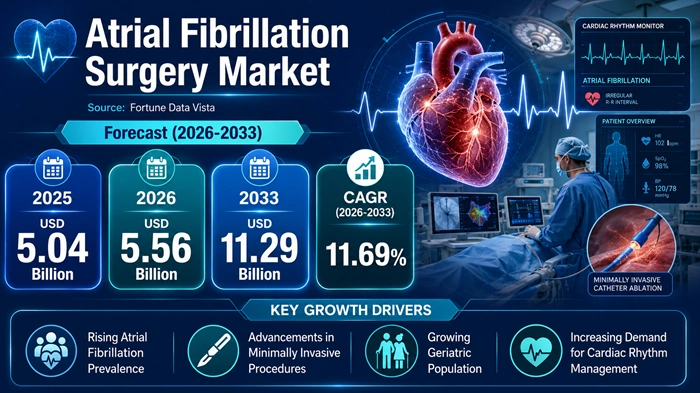
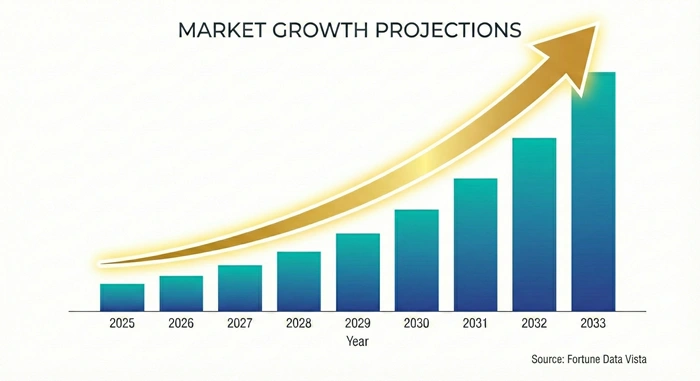
The global atrial fibrillation surgery market size is valued at USD 5.04 billion in 2025 and is predicted to increase from USD 5.56 billion in 2026 to approximately USD 11.29 billion by 2033, growing at a CAGR of 11.69% from 2026 to 2033.
This growth reflects the rising global burden of atrial fibrillation, expanding adoption of minimally invasive ablation techniques, and continuous innovation in cardiac mapping and energy delivery systems. As cardiologists increasingly favor catheter-based and surgical ablation over long-term medication management for eligible patients, hospitals and specialty cardiac centers worldwide are scaling up electrophysiology capabilities to meet growing procedural demand.
AI Impact on the Atrial Fibrillation Surgery Industry
Artificial Intelligence Is Enhancing Cardiac Mapping Precision, Enabling Predictive Arrhythmia Detection, and Improving Real-Time Procedural Guidance Across the Atrial Fibrillation Surgery Landscape — Fundamentally Changing How Electrophysiologists Perform Ablation Procedures
Artificial intelligence is increasingly woven into the tools electrophysiologists use before, during, and after atrial fibrillation surgery, particularly through AI-enhanced cardiac mapping systems that can identify abnormal electrical pathways with far greater precision than manual interpretation alone. These systems process enormous volumes of real-time electrical signal data during ablation procedures, helping surgeons pinpoint exact ablation targets while reducing procedure time and improving the likelihood of durable results. Hospitals investing in these AI-guided mapping platforms are reporting improved first-time success rates, which matters considerably given how costly and disruptive repeat ablation procedures can be for both patients and health systems.
Beyond the operating room, AI is also transforming pre-procedural screening, with algorithms now capable of analyzing wearable device data and ECG recordings to flag patients at high risk of developing atrial fibrillation long before symptoms become severe enough to prompt a hospital visit. This earlier detection capability allows physicians to intervene sooner, potentially improving surgical outcomes when ablation does become necessary. As AI-powered diagnostic and procedural tools continue advancing, they are becoming an increasingly important differentiator for device manufacturers competing within the broader atrial fibrillation surgery market.
Growth Factors
Rising Global AF Prevalence and Growing Preference for Minimally Invasive Ablation Continue Driving Steady Demand
The most significant growth factor supporting the atrial fibrillation surgery market is the steadily climbing global prevalence of atrial fibrillation itself, driven largely by aging populations and rising rates of associated risk factors such as hypertension, obesity, and diabetes across both developed and emerging economies. As more patients receive an AF diagnosis, a growing share are being referred for catheter or surgical ablation rather than relying solely on long-term anticoagulation and rate-control medication, particularly as clinical evidence continues to support better long-term outcomes with earlier intervention. This shift in treatment philosophy has meaningfully expanded the eligible patient pool for ablation procedures.
A second important growth factor is the rapid adoption of minimally invasive ablation techniques, including pulsed field ablation and zero-fluoroscopy approaches, which reduce procedure time, radiation exposure, and recovery periods compared to traditional surgical methods. These technological advances have made ablation an increasingly attractive option for both physicians and patients, expanding the addressable market well beyond patients who would previously have been considered too high-risk for more invasive surgical approaches. This combination of rising disease burden and improving procedural technology continues to broaden demand across the atrial fibrillation surgery market.
Market Outlook
Pulsed Field Ablation Expansion and Growing Electrophysiology Lab Investment Point Toward Sustained Growth Through 2033
Looking ahead through the forecast period, the atrial fibrillation surgery industry is expected to benefit substantially from continued expansion of pulsed field ablation technology, which uses electrical energy rather than heat or extreme cold to destroy targeted cardiac tissue, offering improved safety margins around surrounding structures like the esophagus. As more device manufacturers bring pulsed field ablation systems to market and clinical evidence around long-term outcomes continues to accumulate, this technology is likely to capture an increasingly large share of new ablation procedures performed globally.
At the same time, growing investment in electrophysiology lab infrastructure, particularly across expanding healthcare systems in Asia Pacific and Latin America, is expected to create substantial new procedural capacity that supports continued market growth. Hospitals in these regions are increasingly recognizing the long-term cost benefits of building dedicated EP capabilities rather than referring complex AF cases to specialized centers abroad. Companies that can offer comprehensive procedural ecosystems, combining mapping systems, ablation catheters, and physician training support, are well positioned to capture growth within the broader atrial fibrillation surgery market through 2033.
Expert Speaks
-
"Pulsed field ablation represents one of the most meaningful advances in cardiac rhythm management we have seen in years, and we remain committed to expanding access to this technology." — CEO, Johnson & Johnson
-
"Our focus on improving mapping precision and procedural efficiency reflects what physicians are telling us they need most to treat more patients safely." — CEO, Medtronic Plc
-
"As atrial fibrillation prevalence continues rising worldwide, our priority is ensuring hospitals have the tools and training needed to expand ablation capacity responsibly." — CEO, Boston Scientific Corporation
Key Report Takeaways
-
North America leads the global atrial fibrillation surgery market, holding approximately 45% market share in 2025, supported by high AF diagnosis rates, strong reimbursement frameworks, and widespread adoption of advanced ablation technologies
-
Asia Pacific is the fastest-growing region, projected to expand at a CAGR near 9.5% through 2033, driven by rising AF prevalence and rapidly expanding electrophysiology lab infrastructure
-
Hospitals represent the dominant end-user segment, accounting for roughly 70% share, given the specialized equipment and cardiac care teams required for ablation procedures
-
Catheter ablation contributes the most to overall procedure volume, reflecting its established safety profile and broad physician familiarity compared to open surgical approaches
-
Minimally invasive ablation techniques remain the most widely adopted procedure type, valued for shorter recovery times and reduced patient risk compared to traditional surgical methods
-
Pulsed field ablation will grow the fastest among energy source segments, holding a meaningful and rapidly expanding share with a CAGR well above the market average, driven by improved safety and shorter procedure times
Market Scope
| Parameter | Details |
|---|---|
| Market Size by 2033 | USD 11.29 Billion | Market Size by 2026 | USD 5.56 Billion | Market Size by 2025 | USD 5.04 Billion | Market Growth Rate from 2026 to 2033 | CAGR of 11.69% | Dominating Region | North America | Fastest Growing Region | Asia Pacific | Segments Covered | Procedure Type, Energy Source, Device Type, Indication, End User, Region | Regions Covered | North America, Europe, Asia Pacific, Latin America, Middle East & Africa |
Market Dynamics
Drivers Impact Analysis
Rising AF Prevalence and Growing Preference for Ablation Over Medication Remain the Two Strongest Forces Behind Market Momentum
| Driver | (≈) % Impact on CAGR Forecast | Geographic Relevance | Impact Timeline |
|---|---|---|---|
| Rising global prevalence of atrial fibrillation | ~36% | Global, strongest in North America, Europe | Short to long-term |
| Growing physician and patient preference for ablation over long-term medication | ~28% | North America, Europe, growing in Asia Pacific | Medium to long-term |
| Rapid adoption of minimally invasive and pulsed field ablation techniques | ~22% | Global | Short to medium-term |
| Expanding electrophysiology lab infrastructure in emerging markets | ~14% | Asia Pacific, Latin America | Medium-term |
Rising global prevalence of atrial fibrillation continues to serve as the primary engine behind sustained growth in the atrial fibrillation surgery market, as aging populations and increasing rates of hypertension and metabolic disorders steadily expand the pool of patients requiring rhythm management intervention. This growing disease burden has translated directly into higher procedural volumes at hospitals and specialty cardiac centers, creating consistent demand for ablation devices and supporting technologies across nearly every major healthcare market.
Growing physician and patient preference for ablation over long-term medication represents the second major driver, as clinical evidence increasingly demonstrates superior long-term outcomes for eligible patients who undergo early ablation compared to those managed solely with anticoagulation and rate-control drugs. This shifting treatment philosophy, combined with rapid adoption of minimally invasive techniques that reduce procedural risk, continues reinforcing steady demand growth across the broader atrial fibrillation surgery market.
Restraints Impact Analysis
High Procedural Costs and Limited Access to Specialized Electrophysiology Care Continue to Moderate Broader Adoption
| Restraint | (≈) % Impact on CAGR Forecast | Geographic Relevance | Impact Timeline |
|---|---|---|---|
| High cost of ablation procedures and specialized equipment | ~35% | Global, notable in emerging markets | Short to medium-term |
| Limited availability of trained electrophysiologists and specialized centers | ~30% | Asia Pacific, Latin America, Middle East & Africa | Ongoing |
| Risk of procedural complications and need for repeat ablation | ~22% | Global | Medium-term |
| Reimbursement variability across healthcare systems | ~13% | Emerging markets, parts of Europe | Long-term |
The most persistent restraint facing the atrial fibrillation surgery market is the substantial cost associated with ablation procedures, which require expensive mapping systems, specialized catheters, and dedicated electrophysiology suites that many smaller hospitals simply cannot afford to build or maintain. This cost barrier often limits how widely ablation procedures can be offered, particularly across lower-resource healthcare systems where budget constraints remain significant.
Limited availability of trained electrophysiologists represents a second significant restraint, as performing ablation procedures safely and effectively requires years of specialized training that many regions, particularly across parts of Asia Pacific and Latin America, have not yet developed sufficient capacity to provide. Combined with the ongoing risk of procedural complications that sometimes necessitate repeat ablation, these restraints continue moderating how quickly broader adoption can spread across the global atrial fibrillation surgery market.
Opportunities Impact Analysis
Pulsed Field Ablation Expansion and Growing Emerging Market Infrastructure Investment Represent the Clearest Paths to Growth
| Opportunity | (≈) % Impact on CAGR Forecast | Geographic Relevance | Impact Timeline |
|---|---|---|---|
| Expanding adoption of pulsed field ablation technology | ~39% | Global | Short to medium-term |
| Growing electrophysiology infrastructure investment across emerging economies | ~32% | Asia Pacific, Latin America, Middle East & Africa | Medium to long-term |
| Increasing integration of AI-guided cardiac mapping systems | ~29% | North America, Europe | Long-term |
Expanding adoption of pulsed field ablation technology represents one of the most substantial opportunities within the atrial fibrillation surgery market, as this newer energy delivery method offers improved safety margins and shorter procedure times compared to traditional thermal ablation approaches. Device manufacturers bringing pulsed field ablation systems to market are well positioned to capture significant share as clinical adoption accelerates across major hospital networks.
Growing electrophysiology infrastructure investment across emerging economies presents a second substantial opportunity, as expanding healthcare systems in Asia Pacific and Latin America increasingly recognize the long-term value of building dedicated cardiac rhythm management capabilities rather than referring complex cases abroad. Increasing integration of AI-guided cardiac mapping systems further broadens the opportunity landscape, as these tools help less experienced electrophysiologists achieve outcomes closer to those of highly specialized centers. Companies pursuing these parallel opportunities are well positioned to capture meaningful growth within the broader atrial fibrillation surgery market through the forecast period.
Segment Analysis
By Procedure Type: Catheter Ablation
Catheter Ablation Continues to Anchor the Procedure Landscape, Valued for Its Established Safety Profile and Broad Clinical Familiarity
Catheter ablation holds the largest share within the procedure type segment of the atrial fibrillation surgery market, accounting for approximately 55% of total segment revenue in 2025. This dominance reflects the procedure's well-established safety record, broad physician familiarity, and ability to treat a wide range of AF patients without the recovery burden associated with open surgical approaches. In markets like the United States and Germany, catheter ablation remains the default choice for eligible patients, supported by decades of clinical evidence and continuously improving catheter and mapping technology. Leading device manufacturers such as Medtronic, Boston Scientific, and Johnson & Johnson continue to dominate this segment through ongoing innovation in catheter design and energy delivery systems.
Growth within this segment remains particularly strong in North America, where well-established reimbursement frameworks and a dense concentration of specialized electrophysiology centers continue supporting high procedural volumes. The region's combination of favorable insurance coverage, physician expertise, and rapid adoption of newer technologies like pulsed field ablation has helped catheter ablation maintain its leading position despite growing competition from emerging surgical alternatives. As pulsed field ablation technology matures and gains broader clinical acceptance, catheter ablation is expected to remain the dominant procedure type within the broader atrial fibrillation surgery market throughout the forecast period.
By End User: Hospitals
Hospitals Remain the Dominant End-User Segment, Reflecting the Specialized Infrastructure Required for Ablation Procedures
Hospitals account for approximately 70% of end-user revenue within the atrial fibrillation surgery market, reflecting the substantial infrastructure investment required to support ablation procedures, including dedicated electrophysiology labs, advanced imaging equipment, and specialized cardiac care teams. Complex AF cases in particular require the comprehensive resources that only hospital-based cardiac centers can typically provide, including immediate access to surgical backup and post-procedural monitoring capabilities. This consistent, high-value demand has made hospitals the primary customer base for ablation device manufacturers and the main site for most electrophysiology innovation adoption.
Growth among hospital end users remains especially strong in Asia Pacific, where expanding healthcare systems continue investing heavily in building dedicated electrophysiology capabilities to meet rising domestic demand for AF treatment. Companies like Abbott and Biotronik have expanded their regional presence significantly to support this growing hospital infrastructure, often partnering directly with government health systems to establish new cardiac care centers. As hospital-based electrophysiology capacity continues expanding globally, this end-user segment is expected to remain the primary demand driver within the broader atrial fibrillation surgery market.
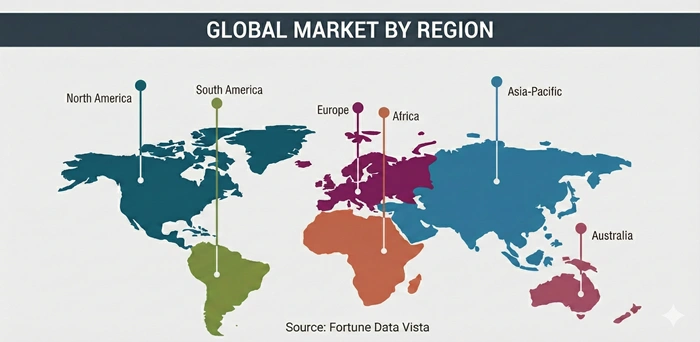
Regional Insights
North America
High Diagnosis Rates and Strong Reimbursement Frameworks Keep North America Firmly in the Lead
North America commands the leading position in the global atrial fibrillation surgery market, holding approximately 45% share in 2025, supported by high AF diagnosis rates, well-established reimbursement frameworks, and widespread hospital adoption of advanced ablation technologies. The United States drives the overwhelming majority of regional demand, backed by a dense concentration of specialized electrophysiology centers and strong physician familiarity with both catheter and emerging pulsed field ablation techniques. Companies with strong regional presence include Medtronic, Boston Scientific, Johnson & Johnson, and AtriCure, each maintaining deep relationships with major hospital networks across the country.
Canada also contributes meaningfully to regional demand, supported by growing government investment in cardiac care infrastructure and steadily rising AF diagnosis rates among its aging population. The region's combination of strong reimbursement support, advanced hospital infrastructure, and rapid technology adoption ensures North America's leadership position within the atrial fibrillation surgery market remains firmly intact through the remainder of the forecast period.
Asia Pacific
Rising AF Prevalence and Expanding Electrophysiology Infrastructure Position Asia Pacific as the Fastest-Growing Region
Asia Pacific is projected to register the fastest CAGR within the global atrial fibrillation surgery market through 2033, expanding at a rate near 9.5% as rising AF prevalence and rapidly expanding electrophysiology lab infrastructure create substantial new demand across the region. China and Japan lead much of this regional growth, supported by increasing government healthcare investment and a growing number of hospitals building dedicated cardiac rhythm management capabilities. Regional and international device manufacturers alike have expanded their presence to serve this growing institutional demand, often establishing local training partnerships to build physician expertise.
India and South Korea are following a similar growth trajectory, with expanding hospital networks and growing awareness of ablation as a treatment option supporting increased procedural adoption across both public and private healthcare systems. Growing government investment in cardiac care infrastructure across several Asia Pacific countries continues to accelerate access to ablation procedures among patients who previously lacked options beyond long-term medication management. This combination of rising disease burden, growing infrastructure investment, and rising physician training positions Asia Pacific as the clear growth leader within the broader atrial fibrillation surgery market through the forecast period.
Customization Available for This Report
Region-Specific and Country-Specific Versions of This Report Are Available to Deliver a Sharper, More Localized View of Market Dynamics
This report can be tailored on a region-by-region and country-by-country basis, providing localized market sizing, competitive mapping, and procedural adoption trend analysis that a global overview alone cannot fully capture.
Clients seeking a more focused breakdown can request a customized version covering any of the following regions and countries, complete with demand forecasting, competitor landscape review, and adoption trend analysis tied specifically to the atrial fibrillation surgery keyword focus:
North America
-
U.S. — Detailed review of reimbursement trends and electrophysiology center expansion patterns
-
Canada — Coverage of government-funded cardiac care infrastructure investment
-
Mexico — Analysis of emerging hospital ablation capability development
Europe
-
U.K. — Review of NHS ablation procedure adoption and infrastructure trends
-
Germany — Coverage of hospital electrophysiology investment and reimbursement dynamics
-
France — Insights into AF treatment pathway trends and procedural adoption
-
Italy — Analysis of regional cardiac care infrastructure investment
-
Rest of Europe — Country-level view of emerging demand across Eastern Europe and the Nordics
Asia Pacific
-
China — Coverage of expanding electrophysiology infrastructure and rising AF diagnosis rates
-
India — Analysis of growing hospital ablation capacity and physician training initiatives
-
Japan — Review of established cardiac care infrastructure and technology adoption trends
-
South Korea — Assessment of ablation procedure adoption and hospital investment
-
Australia — Insights into cardiac care funding and adoption trends
-
Rest of Asia Pacific — Country-level breakdown covering Thailand, Vietnam, Indonesia, and Malaysia
Latin America
-
Brazil — Coverage of expanding hospital cardiac care investment and procedural adoption
-
Argentina — Analysis of early-stage electrophysiology infrastructure development
-
Rest of Latin America — Country-level sizing across Colombia, Peru, and Chile
Middle East & Africa
-
UAE — Review of cardiac care infrastructure investment and physician training trends
-
Saudi Arabia — Coverage of expanding hospital ablation capability initiatives
-
Rest of MEA — Country-level view of Sub-Saharan Africa cardiac care infrastructure expansion
Top Key Players
-
Medtronic Plc (Ireland)
-
Boston Scientific Corporation (United States)
-
Johnson & Johnson (United States)
-
Abbott Laboratories (United States)
-
AtriCure Inc (United States)
-
Biotronik SE & Co KG (Germany)
-
Stereotaxis Inc (United States)
-
CardioFocus Inc (United States)
-
LivaNova plc (United Kingdom)
-
Siemens Healthineers AG (Germany)
-
GE HealthCare Technologies Inc (United States)
-
Philips Healthcare (Netherlands)
Recent Developments
-
In 2026, Johnson & Johnson announced the European launch of its VARIPULSE Pro system following CE Mark approval, strengthening its pulsed field ablation portfolio with improved procedural efficiency
-
In 2025, Pulse Biosciences received FDA IDE approval for its NANOPULSE-AF study, advancing nanosecond pulsed field ablation technology for treating paroxysmal atrial fibrillation
-
In 2025, Medtronic expanded its pulsed field ablation training programs across major hospital networks to accelerate physician adoption of the technology
-
In 2025, Boston Scientific strengthened its cardiac mapping portfolio through continued investment in AI-enhanced procedural guidance systems
-
In 2026, Abbott expanded its electrophysiology footprint across Asia Pacific through new distribution partnerships aimed at supporting growing regional ablation demand
Market Trends
Pulsed Field Ablation Momentum and AI-Enhanced Mapping Are Reshaping Procedural Standards
One of the clearest trends shaping the atrial fibrillation surgery market is the rapid clinical adoption of pulsed field ablation, as growing evidence around its improved safety profile and shorter procedure times pushes both physicians and hospital administrators to favor this newer energy delivery approach over traditional thermal methods. Device manufacturers are racing to expand their pulsed field ablation offerings, recognizing that this technology shift is likely to reshape competitive positioning across the industry over the coming years.
A second significant trend is the growing integration of AI-enhanced cardiac mapping into standard ablation workflows, as these tools help electrophysiologists achieve more precise, consistent outcomes while potentially reducing procedure times. This trend is particularly meaningful for hospitals in regions with less specialized physician training, since AI-guided systems can help bridge some of the experience gap that has traditionally limited ablation access in less established markets, continuing to support steady expansion across the broader atrial fibrillation surgery market.
Segments Covered in the Report
By Procedure Type
-
Catheter Ablation
-
Surgical Ablation
-
Hybrid Ablation
By Energy Source
-
Radiofrequency Ablation
-
Cryoablation
-
Pulsed Field Ablation
-
Laser Ablation
By Device Type
-
Ablation Catheters
-
Cardiac Mapping Systems
-
Access Devices
By Indication
-
Paroxysmal Atrial Fibrillation
-
Persistent Atrial Fibrillation
-
Long-Standing Persistent Atrial Fibrillation
By End User
-
Hospitals
-
Specialty Cardiac Centers
-
Ambulatory Surgical Centers
By Region
-
North America (U.S., Canada, Mexico)
-
Europe (U.K., Germany, France, Italy, Rest of Europe)
-
Asia Pacific (China, India, Japan, South Korea, Australia, Rest of Asia Pacific)
-
Latin America (Brazil, Argentina, Rest of Latin America)
-
Middle East & Africa (UAE, Saudi Arabia, Rest of MEA)
❝ Built for Every Level — From Startups to Industry Giants ❞
Here Is Exactly How This Report Works for You
-
For tier 1 companies, investors, and established market leaders, this report delivers detailed competitor revenue analysis, procedural adoption trend mapping, and geopolitical risk context that support confident decisions around product expansion, pricing strategy, and long-term positioning within the atrial fibrillation surgery space
-
For tier 2 and tier 3 companies, startups, and mid-sized device manufacturers, this report highlights the most commercially promising energy source categories and underserved regional opportunities, giving you a practical framework to compete against larger established players without overextending limited resources
-
For every decision maker across the value chain, this report explains exactly how reimbursement trends, regulatory approvals, and competitor product launches are shaping market direction through 2033, equipping you to plan investment and go-to-market decisions with genuine confidence
Frequently Asked Questions:
Answer: The global atrial fibrillation surgery market was valued at USD 5.04 billion in 2025 and is projected to reach USD 11.29 billion by 2033. This growth is driven largely by rising AF prevalence and expanding adoption of pulsed field ablation technology.
Answer: Growth in the atrial fibrillation surgery market is being driven by rising global AF prevalence and growing preference for ablation over long-term medication. Rapid adoption of minimally invasive ablation techniques is further reinforcing this expansion.
Answer: North America currently leads the atrial fibrillation surgery market with roughly 45% share, supported by high diagnosis rates and strong reimbursement frameworks. Asia Pacific is growing the fastest, driven by expanding electrophysiology infrastructure.
Answer: Catheter ablation generates the largest share of revenue in the atrial fibrillation surgery market, valued for its established safety profile and broad clinical familiarity. Hospitals also remain the dominant end-user segment for these procedures.
Answer: Leading companies in the atrial fibrillation surgery market include Medtronic, Boston Scientific, Johnson & Johnson, Abbott, and AtriCure. These companies compete through continuous innovation in pulsed field ablation and AI-enhanced cardiac mapping technology.