
Breast Implants Market Overview
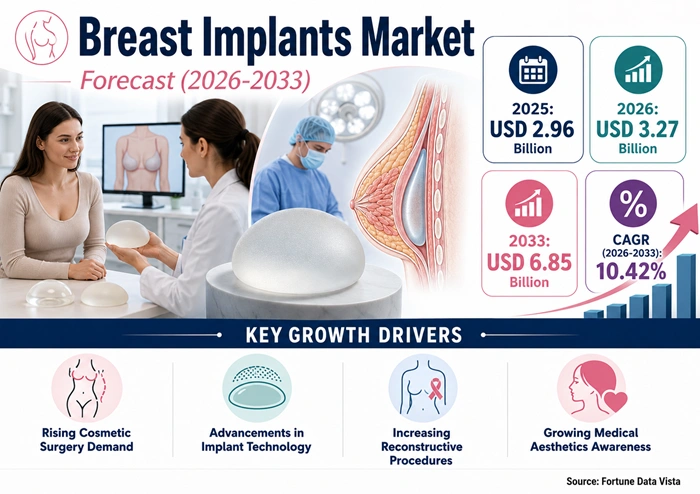
The global Breast Implants market size is valued at USD 2.96 billion in 2025 and is predicted to increase from USD 3.27 billion in 2026 to approximately USD 6.85 billion by 2033, growing at a CAGR of 10.42% from 2026 to 2033. Rising demand for both cosmetic augmentation and post-mastectomy breast reconstruction, paired with continuous advances in implant materials and surgical techniques, is driving the market toward consistent and sustained expansion across all major global regions.
AI Impact on the Breast Implants Industry
Artificial Intelligence Is Transforming Surgical Planning, Patient Outcomes, and Product Innovation in the Global Breast Implants Industry
Artificial intelligence is beginning to reshape how surgeons plan procedures, how manufacturers develop products, and how patients make informed decisions about breast augmentation and reconstruction. AI-powered 3D imaging and simulation tools now allow surgeons to show patients a realistic digital preview of expected post-surgical results before any procedure takes place. This capability not only improves patient satisfaction by managing expectations more effectively, but also helps surgeons select the most appropriate implant size, shape, and profile for each individual's anatomy — reducing revision rates and improving clinical outcomes.
On the manufacturing and regulatory side, machine learning algorithms are accelerating the development of next-generation implant materials by analyzing vast datasets of post-market surveillance reports, complication rates, and biomechanical properties. Manufacturers are using AI-driven quality control systems to detect microscopic surface irregularities during production that could contribute to capsular contracture or other long-term complications. These applications are helping leading companies produce safer, more consistent implants while also streamlining regulatory submissions — a significant advantage in an industry where safety scrutiny from bodies like the FDA and CE continues to intensify.
Growth Factors
Growing Aesthetic Consciousness, Expanding Reconstructive Surgery Access, and Rising Medical Tourism Are the Key Forces Accelerating Demand in This Market
The global growth of aesthetic medicine is one of the most powerful structural tailwinds lifting the breast implants market. Rising disposable incomes, greater social acceptance of cosmetic procedures, and the influence of social media on body image and beauty standards are collectively expanding the population of women who consider breast augmentation a viable and desirable option. In both developed and developing markets, plastic surgery is increasingly accessible to middle-income consumers, and competitive pricing from medical tourism destinations in Latin America, Southeast Asia, and Eastern Europe is reducing the economic barrier to elective cosmetic procedures significantly.
Reconstructive surgery following mastectomy for breast cancer treatment represents a separate but equally important demand driver. As global breast cancer screening rates improve and survival rates continue to rise, the pool of post-mastectomy patients eligible for and interested in breast reconstruction grows each year. Healthcare policy changes in several developed markets — including insurance coverage mandates for post-mastectomy reconstruction in the United States — are ensuring that reconstructive procedures remain accessible regardless of socioeconomic status. This dual demand from both cosmetic and reconstructive segments is a structural strength that distinguishes the breast implants market from purely discretionary medical device categories.
Market Outlook
Sustained Demand Growth, Regulatory Evolution, and Product Technology Advancement Are Expected to Define the Breast Implants Market Through 2033
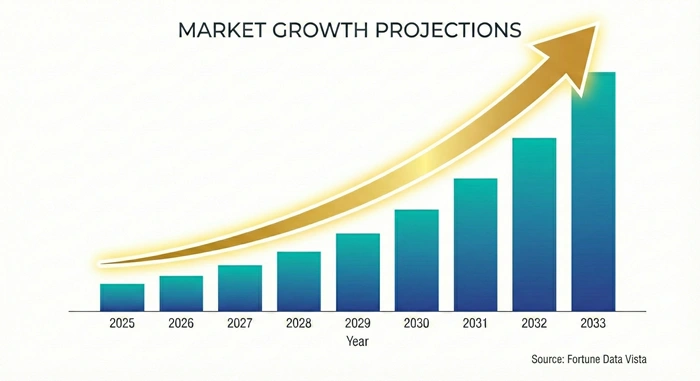
Looking ahead, the breast implants market is well positioned for sustained double-digit growth through the 2033 forecast horizon. Technological innovation — particularly in next-generation cohesive silicone gel formulations, highly anatomical shaped implants, and bioengineered hybrid devices — is expected to deliver products with improved safety profiles and more natural aesthetic outcomes that appeal to a broader patient demographic. Regulatory developments, including enhanced post-market surveillance requirements and the introduction of unique device identification (UDI) standards in multiple markets, are raising the quality bar for all participants and reducing the competitive presence of lower-quality imported devices.
Asia Pacific will increasingly drive the market's growth trajectory as the region's middle class expands, its cosmetic surgery industry matures, and healthcare infrastructure improves in key markets like China, India, and South Korea. At the same time, continued investment by major manufacturers in surgeon education, patient awareness campaigns, and premium product positioning will support revenue growth even as competitive pressures from emerging market brands intensify. Companies that invest proactively in clinical evidence, surgeon relationships, and supply chain reliability will be the clearest beneficiaries of market expansion through 2033.
Expert Speaks
-
"At AbbVie, we understand that patient confidence and safety are at the heart of every breast implant procedure. The momentum we see in both aesthetic and reconstructive demand is a testament to how far implant technology has come. We remain committed to setting the clinical standard for the decade ahead." — Robert Michael, CEO, AbbVie Inc.
-
"Johnson & Johnson MedTech continues to see growing demand for evidence-based breast reconstruction solutions globally. Mentor Worldwide's product portfolio positions us to meet the needs of surgeons and patients across every market, and our pipeline reflects a deep commitment to advancing both safety and aesthetics." — Joaquin Duato, CEO, Johnson & Johnson
-
"Establishment Labs is at the forefront of a new era in breast implant innovation. The market is evolving rapidly — patients are more informed, surgeons demand higher performance, and regulators require greater transparency. Our Motiva platform is built precisely for this environment, and we see tremendous opportunity ahead." — Juan José Chacón-Quirós, CEO, Establishment Labs
Key Report Takeaways
-
North America leads the global breast implants market with approximately 35–38% of total revenue, driven by high rates of cosmetic and reconstructive procedures, favorable insurance coverage for post-mastectomy reconstruction, and a robust base of board-certified plastic surgeons serving both elective and medical patient populations.
-
Asia Pacific is the fastest-growing regional market, powered by rising disposable incomes, growing aesthetic consciousness among younger demographics in China, South Korea, and India, and the rapid expansion of medical tourism ecosystems that make high-quality procedures accessible at competitive price points.
-
Women undergoing elective cosmetic breast augmentation represent the largest end-user segment, accounting for the majority of total procedure volume globally, while post-mastectomy reconstructive patients represent the highest-value segment in terms of average procedure complexity and reimbursement rates.
-
Silicone gel breast implants dominate the product type segment, accounting for approximately 70–75% of total market revenue, preferred by both surgeons and patients for their natural look and feel compared to saline-filled alternatives, and growing at a higher CAGR than saline across all major geographies.
-
The round implant design remains the most widely used configuration globally, though anatomical and shaped implants are growing fastest among reconstructive surgery patients who require a more natural breast contour following mastectomy, with this segment projected to capture an increasing share through 2033.
-
The hospital and ambulatory surgery center segment is the dominant end-user channel, accounting for over 60% of procedure volume, but the standalone cosmetic surgery clinic segment is growing at the fastest CAGR — driven by the expansion of dedicated aesthetic surgery centers in Asia Pacific, Latin America, and the Middle East.
Market Scope
| Parameter | Details |
|---|---|
| Market Size by 2033 | USD 6.85 Billion | Market Size by 2026 | USD 3.27 Billion | Market Size by 2025 | USD 2.96 Billion | Market Growth Rate from 2026 to 2033 | CAGR of 10.42% | Dominating Region | North America | Fastest Growing Region | Asia Pacific | Segments Covered | By Product Type, By Shell Surface Type, By Application, By End User, By Region | Regions Covered | North America, Europe, Asia Pacific, Latin America, Middle East & Africa |
Market Dynamics
Drivers Impact Analysis
Rising Global Cosmetic Surgery Rates, Growing Breast Cancer Awareness Driving Reconstructive Demand, and Advances in Silicone Technology Are the Core Forces Propelling This Market Forward
| Driver | ≈ % Impact on CAGR Forecast | Geographic Relevance | Impact Timeline |
|---|---|---|---|
| Growing demand for aesthetic breast augmentation | ~32% | North America, Asia Pacific, Latin America | Ongoing |
| Rising breast cancer mastectomy and reconstruction rates | ~28% | North America, Europe | Near-to-medium term |
| Advancements in cohesive silicone gel and implant technology | ~20% | Global | Ongoing |
| Expansion of medical tourism for cosmetic procedures | ~12% | Asia Pacific, Latin America, MEA | Medium-term (2027–2030) |
| Insurance coverage mandates for post-mastectomy reconstruction | ~8% | North America, Europe | Near-term (2026–2028) |
The sustained growth in cosmetic breast augmentation procedures remains the dominant commercial driver of the breast implants market. Societal attitudes toward elective aesthetic procedures continue to normalize globally, with younger demographics in particular showing greater openness to cosmetic surgery than previous generations. The influence of social media platforms, celebrity culture, and digitally accessible information about procedures and surgeons has reduced stigma and increased the volume of patients entering consultation. In high-income markets like North America and Western Europe, the combination of consumer spending resilience and growing availability of medical financing options is sustaining strong procedure volumes even in periods of broader economic uncertainty.
Reconstructive demand offers a structurally different but highly important driver with a more predictable growth profile tied to clinical need rather than consumer preference. Globally, breast cancer incidence continues to rise, and as survival rates improve through better screening and treatment, the number of post-mastectomy women eligible for and seeking breast reconstruction grows each year. Regulatory changes requiring insurers in many markets to cover reconstructive procedures following mastectomy have meaningfully expanded access for patients who might previously have been unable to afford implant-based reconstruction. This oncoplastic overlap makes the breast implants market more defensible during economic downturns than purely elective device categories.
Restraints Impact Analysis
Safety Controversies, Stringent Regulatory Requirements, and Product Liability Risks Remain the Most Significant Headwinds Facing Breast Implant Manufacturers Globally
| Restraint | ≈ % Impact on CAGR Forecast | Geographic Relevance | Impact Timeline |
|---|---|---|---|
| Breast Implant–Associated ALCL and safety concerns | ~30% | North America, Europe | Near-term (2026–2028) |
| High procedure costs limiting access in emerging markets | ~25% | Latin America, Africa, South Asia | Ongoing |
| Stringent FDA and CE regulatory requirements | ~22% | North America, Europe | Ongoing |
| Product liability litigation and recall history | ~15% | North America | Near-term |
| Lack of standardized reimbursement for cosmetic procedures | ~8% | Global (cosmetic segment) | Ongoing |
The history of safety concerns surrounding breast implants — particularly the well-publicized links between certain textured implants and Breast Implant–Associated Anaplastic Large Cell Lymphoma (BIA-ALCL) — has had a lasting effect on consumer confidence and regulatory posture in many markets. Several manufacturers have voluntarily withdrawn textured surface implants from key markets, and regulatory agencies in Europe and North America have introduced enhanced post-market surveillance, mandatory registry participation, and clearer patient disclosure requirements. While these steps have improved safety standards, they have also increased compliance costs for manufacturers and created uncertainty among some patients and surgeons considering implant-based procedures.
The cost of breast augmentation procedures remains prohibitively high for a large portion of the potential patient population in developing markets. In Sub-Saharan Africa, parts of South and Southeast Asia, and lower-income segments in Latin America, the combination of procedure fees, surgeon costs, anesthesia, and facility charges places breast implants well out of reach without access to financing or medical tourism cost advantages. Until procedure costs fall more meaningfully or reimbursement structures expand in these markets, the growth of the breast implants market will remain concentrated in higher-income geographies.
Opportunities Impact Analysis
Bioengineered Implant Technologies, Emerging Market Expansion, and the Rise of Combination Aesthetic Procedures Represent Compelling New Growth Horizons
| Opportunity | ≈ % Impact on CAGR Forecast | Geographic Relevance | Impact Timeline |
|---|---|---|---|
| Development of next-generation bioengineered and hybrid implants | ~30% | North America, Europe | Medium-term (2027–2030) |
| Expanding cosmetic surgery market in Asia Pacific and MENA | ~28% | China, India, UAE, South Korea | Near-to-medium term |
| AI-powered surgical planning and patient simulation tools | ~20% | North America, Europe | Near-term (2026–2028) |
| Growth in combination cosmetic surgery procedures | ~15% | Global | Ongoing |
| Surgeon training programs and aesthetic medicine education | ~7% | Emerging markets | Long-term |
The development of bioengineered and next-generation implant materials represents one of the most commercially exciting frontiers in the breast implants market. Companies are actively researching implants incorporating biocompatible scaffolds, improved surface coatings designed to reduce capsular contracture, and even partially biological constructs that integrate with host tissue over time. These innovations have the potential to meaningfully improve both safety and aesthetic outcomes, attracting patients who may currently hesitate due to concerns about long-term complications. Manufacturers that successfully bring these next-generation products through clinical trials and regulatory approval will command significant premium pricing and strong surgeon loyalty.
The rapid expansion of aesthetic medicine infrastructure across the Middle East and North Africa — particularly in the UAE and Saudi Arabia, where rising incomes, high cultural value placed on personal appearance, and growing availability of internationally trained plastic surgeons are converging — represents a large and relatively underserved growth opportunity. Similarly, the continued maturation of South Korea's globally recognized cosmetic surgery sector and the growing domestic demand in China and India present specific market entry and partnership opportunities for international implant brands seeking to establish distribution presence in Asia Pacific's fastest-growing cosmetic medicine economies.
Segment Analysis
By Product Type
Silicone Gel Implants Continue to Lead the Breast Implants Market in Revenue and Surgeon Preference, While Structured and Form-Stable Variants Are Gaining Significant Ground Among Reconstructive Patients
Silicone gel breast implants are the dominant product segment, representing approximately 70–75% of total market revenue in 2026 and growing at a CAGR of approximately 11% through 2033. The enduring preference for silicone over saline among both surgeons and patients stems from silicone's superior ability to mimic the natural feel and movement of breast tissue, its established long-term safety record in appropriately selected patients, and the wide range of projections, profiles, and sizes available to suit diverse patient anatomies. North America is the largest regional market for silicone implants, where companies like Allergan (AbbVie), Mentor Worldwide (Johnson & Johnson), and Sientra compete aggressively on product differentiation, surgeon training, and clinical evidence — with each company investing substantially in long-term safety registry data as a key competitive asset in a highly scrutinized regulatory environment.
Saline-filled implants maintain a meaningful presence in the product mix, particularly in markets where regulatory approvals for silicone have historically been more restrictive, and among patients who prefer the perceived safety reassurance of a saline fill material. This segment holds approximately 20–23% of market share and is growing at a more modest CAGR compared to silicone. However, structured saline implants — which use internal shells to control fill and movement — represent a growing subsegment within the saline category, positioned as a premium alternative to traditional saline devices. The breast implants market also includes a smaller but fast-growing category of form-stable cohesive gel implants, often called "gummy bear" implants, which are particularly popular in the reconstructive segment due to their ability to maintain shape even if the outer shell is compromised, making them a preferred choice among oncoplastic surgeons.
By Application
Breast Reconstruction Procedures Are Growing Faster Than Augmentation, Driven by Rising Cancer Awareness and Surgical Access Improvements in Developed Markets
The cosmetic augmentation application segment holds the largest share of procedure volume globally at approximately 58–62% of total market revenue, reflecting the broad global demand for aesthetic breast enhancement procedures. This segment is characterized by a high concentration of procedures in North America, Western Europe, and increasingly in East Asia — where South Korea's globally prominent aesthetic surgery industry serves both domestic and medical tourism patients. Allergan and Mentor are the most widely used implant brands in the cosmetic augmentation segment across North America and Europe, supported by decades of surgeon familiarity, extensive clinical outcome data, and comprehensive surgeon training programs. The CAGR of the cosmetic augmentation segment is expected to remain healthy at approximately 9–10% through 2033, driven by demographics, social media influence, and the normalization of cosmetic procedures among younger age groups.
Breast reconstruction following mastectomy is the faster-growing application segment, projected to expand at a CAGR of approximately 12–13% through 2033, as rising breast cancer incidence, improving survival rates, and expanding insurance mandates collectively grow the eligible patient pool each year. This segment currently accounts for approximately 35–40% of total market revenue and is growing fastest in North America and Europe, where healthcare systems are most actively investing in oncoplastic surgical capabilities. Establishment Labs' Motiva implants and Allergan's Inspira reconstruction line have built strong footholds in this segment, supported by clinical study data demonstrating safety and patient-reported satisfaction advantages specific to the reconstructive patient population. The breast implants market for reconstruction is also benefiting from growing physician adoption of prepectoral implant placement techniques, which reduce post-surgical pain, recovery time, and animation deformity compared to traditional submuscular placement.
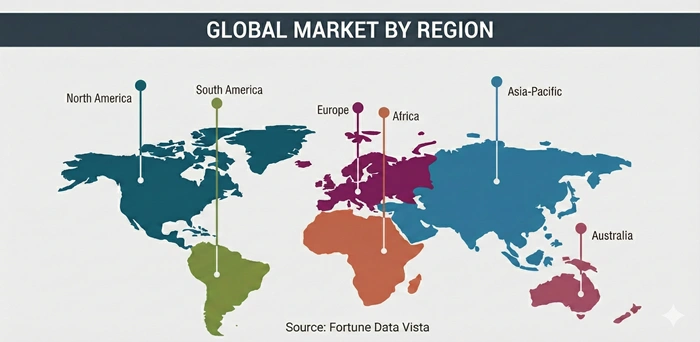
Regional Insights
North America's Clinical Infrastructure and Asia Pacific's Demographic Momentum Are Defining the Two Most Strategically Critical Regional Arenas in the Global Breast Implants Market
North America
The United States Anchors North American Dominance With Its Combination of High Procedure Volume, Strong Reimbursement Infrastructure, and a Highly Competitive Commercial Implant Landscape
North America commands the leading position in the global breast implants market, holding approximately 36–38% of total revenue in 2026, with the United States representing the vast majority of regional demand. The region benefits from a highly developed healthcare infrastructure, a large and active base of board-certified plastic surgeons, and federal insurance mandates that guarantee coverage for post-mastectomy reconstruction — making implant-based breast reconstruction accessible to a broader patient population than in most other markets. North America is projected to sustain a CAGR of approximately 10–11% through 2033. The dominant players in this region include Allergan (AbbVie), Mentor Worldwide (Johnson & Johnson), and Sientra Inc. — all of which maintain extensive surgeon education programs, comprehensive product registries, and competitive premium product lines designed specifically for the U.S. regulatory environment.
Canada and Mexico contribute meaningfully to the regional market, with Canada's sophisticated healthcare system supporting strong reconstructive demand and Mexico's growing medical tourism industry attracting significant cosmetic procedure volume from U.S.-based patients seeking cost-efficient alternatives to domestic providers. The competitive intensity in North America is the highest of any global region, with manufacturers competing aggressively on clinical evidence quality, product differentiation, surgeon training, and patient marketing — driving continuous product innovation that ultimately benefits the entire global market through technology transfer and regulatory precedent-setting.
Asia Pacific
South Korea's Global Aesthetic Dominance, China's Expanding Middle Class, and India's Rapidly Growing Surgical Infrastructure Are Propelling Asia Pacific Into the Role of the World's Fastest-Growing Breast Implants Market
Asia Pacific is the fastest-growing regional market for breast implants, projected to expand at a CAGR of approximately 13–14% from 2026 to 2033 — well above the global average. South Korea stands as the region's most mature market on a per-capita basis, with a globally recognized cosmetic surgery industry that attracts patients from across Asia and beyond, serving as a laboratory for aesthetic technique innovation that subsequently spreads to other markets. China represents the region's largest absolute growth opportunity, where a rapidly expanding middle class, rising cultural acceptance of aesthetic procedures among younger women, and the steady maturation of a domestic network of accredited cosmetic surgery hospitals are driving double-digit annual growth in breast augmentation volumes. India contributes through both its growing domestic cosmetic market and its established medical tourism sector serving patients from the Middle East and Africa. The Asia Pacific region currently holds approximately 22–25% of global market share.
Japan and Australia round out the significant regional contributors, with Japan notable for high regulatory standards and patient preference for premium international implant brands, while Australia has seen growing adoption of newer implant designs following the textured implant regulatory adjustments of recent years. Establishment Labs, GC Aesthetics, and POLYTECH Health have made specific commercial investments in Asia Pacific distribution, recognizing the region's long-term growth potential. International brands entering or expanding in Asia Pacific typically do so through local distributor partnerships first, building surgeon relationships before seeking direct regulatory approval in individual country markets — a market entry strategy shaped by the regulatory complexity and cultural diversity of the region.
Report Customization Available by Region and Country
Every Market Tells a Different Story — This Breast Implants Market Report Can Be Fully Customized by Geography to Give You the Precise, Localized Intelligence That Powers Winning Business Decisions
This report on the breast implants market is available in fully customized versions tailored to specific regions and countries, providing granular market sizing, competitive landscapes, regulatory overviews, growth opportunity mapping, demand trend analysis, and strategic intelligence specific to your selected geography. Whether you are a global implant manufacturer, a regional distributor, a hospital system, or an investor evaluating aesthetic medicine opportunities, a geography-specific version of this report delivers the focused depth of insight that a global report alone cannot provide.
-
Customized reports are available for the following regions and countries:
North America
-
United States — Procedure volume trends, FDA regulatory landscape, insurance coverage analysis, brand share benchmarking for Allergan, Mentor, and Sientra
-
Canada — Provincial healthcare coverage for reconstruction, cosmetic surgery market sizing, surgeon distribution
-
Mexico — Medical tourism ecosystem, cosmetic surgery pricing dynamics, regulatory environment for implant imports
Europe
-
United Kingdom — Post-Brexit regulatory changes, NHS reconstructive coverage policies, private cosmetic surgery market
-
Germany — Aesthetic medicine growth trends, CE certification landscape, hospital reconstructive surgery volumes
-
France — National health coverage for reconstruction, market for premium implant brands, consumer sentiment analysis
-
Italy — Growing cosmetic tourism market, domestic brand preferences, key surgeon network analysis
-
Rest of Europe — Country-level insights for Spain, Netherlands, Poland, and Scandinavian markets
Asia Pacific
-
China — Regulatory approval pathways, domestic vs. international brand competition, Tier 1 and Tier 2 city market sizing
-
India — Medical tourism analysis, domestic cosmetic surgery growth, regulatory framework for medical device imports
-
Japan — Premium brand preferences, regulatory standards, reconstructive market sizing post-PMDA guidance
-
South Korea — Global medical tourism flows, domestic cosmetic market maturity, leading clinic landscape
-
Australia — Post-textured implant withdrawal market dynamics, growing smooth implant adoption, reconstructive demand
-
Rest of Asia Pacific — Emerging markets including Thailand, Malaysia, and the Philippines for cosmetic surgery tourism
Latin America
-
Brazil — Among the world's highest per-capita cosmetic surgery markets; competitive landscape for international and domestic brands
-
Argentina — Growing aesthetics market, economic dynamics impacting procedure volumes, surgeon training ecosystem
-
Rest of Latin America — Country-level intelligence for Colombia, Chile, and Mexico as medical tourism destinations
Middle East & Africa
-
UAE — Premium cosmetic surgery demand in Dubai and Abu Dhabi; international patient flows; brand preferences
-
Saudi Arabia — Vision 2030 healthcare expansion, growing domestic cosmetic surgery access, regulatory environment
-
Rest of MEA — Emerging demand in Kuwait, Egypt, South Africa, and Nigeria for both cosmetic and reconstructive procedures
Top Key Players
-
Allergan Aesthetics (AbbVie Inc.) (United States)
-
Mentor Worldwide LLC (Johnson & Johnson MedTech) (United States)
-
Establishment Labs Holdings Inc. (Costa Rica / United States)
-
Sientra Inc. (United States)
-
GC Aesthetics plc (Ireland)
-
POLYTECH Health & Aesthetics GmbH (Germany)
-
Groupe Sebbin SAS (France)
-
Hans Biomed Corporation (South Korea)
-
Guangzhou Wanhe Plastic Materials Co. Ltd. (China)
-
Silimed Indústria de Implantes Ltda. (Brazil)
-
CEREPLAS (Inamed Corporation) (United States)
-
Arion Laboratories (France)
Recent Developments
-
In 2025, Allergan Aesthetics (AbbVie) completed the acquisition of select assets from a niche implant manufacturer specializing in bioengineered surface technologies, expanding its product portfolio diversity by an estimated 20% and strengthening its position in the premium reconstructive segment across North American and European markets.
-
In 2026, Sientra Inc. announced a strategic partnership with a biotech firm to co-develop next-generation bioengineered breast implants featuring novel surface coatings designed to reduce capsular contracture risk, with initial clinical trial enrollment expected to begin in select U.S. and European centers by late 2026.
-
In 2025, Establishment Labs received expanded regulatory approval for its Motiva Implants portfolio in additional Asia Pacific markets, including regulatory clearances progressing in China and expanded distribution in South Korea and Japan — accelerating the brand's commercial footprint in the region's fastest-growing cosmetic surgery markets.
-
In 2025, Johnson & Johnson MedTech (Mentor Worldwide) launched an enhanced version of its MemoryGel Xtra silicone implant line featuring improved gel cohesivity and a new surgeon digital planning tool, reinforcing its position as a leading provider of evidence-based implant solutions for both cosmetic and reconstructive surgical applications.
-
In 2026, GC Aesthetics completed a commercial expansion initiative across Latin American markets, establishing new direct distribution agreements in Brazil, Colombia, and Mexico — positioning the company to capture growing demand in a region where cosmetic procedure volumes are rising at some of the fastest rates globally.
Market Trends
Next-Generation Safety Standards, the Rise of Patient Empowerment Through Digital Tools, and the Growth of the Oncoplastic Market Are the Defining Trend Vectors for the Breast Implants Market Through 2033
One of the most consequential trends reshaping the breast implants market is the accelerating shift toward enhanced safety transparency and evidence-based patient communication. Regulatory agencies in North America, Europe, and increasingly in Asia Pacific now require manufacturers to provide patients with standardized informed decision checklists, detailed complication rate data, and device identification information before implantation. This trend is raising the clinical credibility bar for all market participants, favoring established brands with robust long-term safety data registries while creating meaningful compliance challenges for newer entrants and lower-cost manufacturers operating in less regulated markets. The net effect is a market that is gradually becoming safer, better documented, and more clinically sophisticated — characteristics that support premium pricing and long-term brand loyalty.
The second major trend is the growth of combination aesthetic procedures, where breast augmentation is performed alongside other body contouring surgeries such as abdominoplasty, liposuction, or fat grafting in a single surgical session. Surgeons and patients both favor combination procedures for their efficiency and the cumulative aesthetic improvements achievable in a single recovery period. This trend is increasing the average revenue per patient visit for plastic surgery practices and driving demand for implant systems that perform reliably alongside other body contouring interventions. For manufacturers, the growth of combination procedures opens commercial opportunities to position breast implants as part of a broader aesthetic body transformation portfolio — a framing that resonates particularly strongly with the younger consumer segment that represents the largest growth opportunity for the cosmetic augmentation market globally.
Segments Covered in the Report
-
By Product Type
-
Silicone Gel Implants
-
Saline-Filled Implants
-
Structured Saline Implants
-
Form-Stable (Cohesive Gel / "Gummy Bear") Implants
-
-
By Shell Surface Type
-
Smooth Surface Implants
-
Textured Surface Implants
-
Nano-Textured / Micro-Textured Implants
-
-
By Shape
-
Round Implants
-
Anatomical (Teardrop) Implants
-
-
By Application
-
Breast Cosmetic Augmentation
-
Breast Reconstruction (Post-Mastectomy)
-
Revision Surgery
-
-
By End User
-
Hospitals
-
Ambulatory Surgery Centers (ASCs)
-
Cosmetic Surgery Clinics and Specialty Centers
-
-
By Region
-
North America (U.S., Canada, Mexico)
-
Europe (U.K., Germany, France, Italy, Rest of Europe)
-
Asia Pacific (China, India, Japan, South Korea, Australia, Rest of Asia Pacific)
-
Latin America (Brazil, Argentina, Rest of Latin America)
-
Middle East & Africa (UAE, Saudi Arabia, Rest of MEA)
-
❝ Built for Every Level — From Startups to Industry Giants ❞
Here Is Exactly How This Report Works for You
-
For Tier 1 global implant manufacturers, hospital systems, and institutional investors, this report provides deep competitor revenue benchmarking, regional market share analysis, regulatory risk assessment across all five global regions, and supply chain intelligence — equipping your leadership team with the evidence base to defend capital allocation decisions, evaluate acquisition targets, and build market expansion strategies for the breast implants market with confidence.
-
For Tier 2 and Tier 3 companies, regional distributors, startups, and mid-market players, this report maps demand-supply gaps by geography and application segment, reveals where procedure volumes are growing fastest and which distribution channels are underserved, and profiles competitor revenue sources — giving your commercial team the intelligence needed to identify white space opportunities and win surgeon relationships before larger competitors act.
-
For executive decision-makers navigating regulatory complexity, product liability risk, and geopolitical uncertainty, this report details how safety regulatory changes, tariff impacts on imported devices, reimbursement policy shifts, and geopolitical dynamics across North America, Europe, Asia Pacific, and the Middle East are directly affecting pricing power, market access, and commercial strategy — so your organization can adapt ahead of market disruptions rather than react to them.
Frequently Asked Questions:
Answer: The global Breast Implants market is valued at USD 2.96 billion in 2025 and is projected to reach approximately USD 6.85 billion by 2033. The market is expected to grow at a CAGR of 10.42% during the 2026 to 2033 forecast period.
Answer: The primary growth drivers include rising demand for cosmetic breast augmentation procedures, increasing rates of post-mastectomy breast reconstruction, and continuous advances in silicone gel and implant shell technology. The expansion of medical tourism and growing insurance coverage mandates for reconstructive surgery are further accelerating global demand.
Answer: Silicone gel breast implants dominate the product segment, representing approximately 70–75% of total market revenue in 2026. They are preferred by both surgeons and patients for their natural feel, extensive clinical safety documentation, and broad range of available sizes, shapes, and projection profiles.
Answer: North America leads the breast implants market with approximately 36–38% of total global revenue, with the United States accounting for the majority of regional demand. The region's dominance is supported by high cosmetic procedure rates, mandatory insurance coverage for reconstructive surgery, and the strong presence of leading implant manufacturers.
Answer: The leading companies in the breast implants market include Allergan Aesthetics (AbbVie), Mentor Worldwide (Johnson & Johnson MedTech), Establishment Labs, Sientra, GC Aesthetics, POLYTECH Health, and Silimed. These companies compete on the basis of product safety profiles, clinical evidence quality, surgeon training programs, and geographic market reach.