
Compounding Pharmacy Market Overview
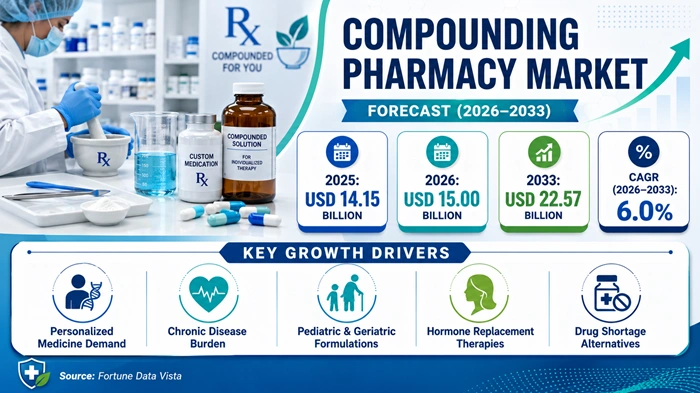
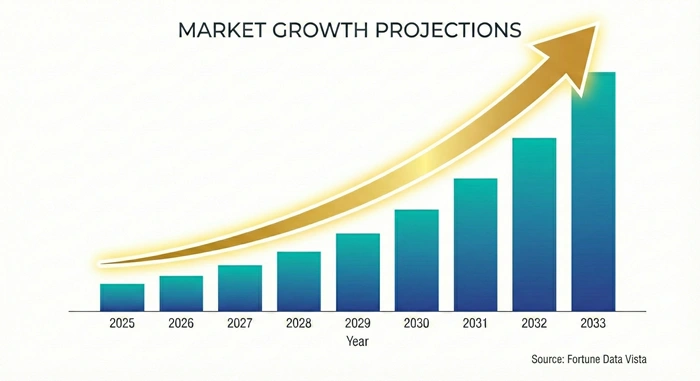
The global compounding pharmacy market size is valued at USD 14.15 billion in 2025 and is predicted to increase from USD 15.00 billion in 2026 to approximately USD 22.57 billion by 2033, growing at a CAGR of 6.0% from 2026 to 2033.
Compounded medications address a fundamental gap in the pharmaceutical landscape — the reality that commercially manufactured drugs, produced in standardized formulations and fixed dosages, simply cannot meet the clinical needs of every patient. Whether a child needs a lower dose of a commercially available adult medication, a patient requires a drug without a specific allergen, or a veterinarian needs a flavored formulation their patient will actually accept, compounding pharmacies provide the clinical flexibility that modern medicine increasingly demands. The compounding pharmacy market is expanding steadily as personalized healthcare approaches gain clinical and commercial momentum, drug shortages push hospitals toward compounded alternatives, and aging populations with complex, multi-drug regimens drive growing demand for customized formulations that improve adherence, tolerability, and treatment outcomes.
AI Impact on the Compounding Pharmacy Industry
Artificial Intelligence Is Transforming Compounding Pharmacy Operations — Enabling AI-Driven Formulation Optimization, Automated Quality Control, and Predictive Drug Shortage Management That Are Improving Compound Safety, Regulatory Compliance, and Operational Efficiency Across the Global Market
Artificial intelligence is beginning to reshape the compounding pharmacy market in meaningful ways — from formulation development support to real-time quality monitoring and regulatory documentation automation. AI-powered formulation assistance tools are enabling pharmacists to model the physical and chemical compatibility of compounded preparations, predict stability windows, and identify excipient combinations that optimize bioavailability and patient palatability — capabilities that previously required time-consuming bench testing and relied heavily on individual pharmacist expertise accumulated over years of practice. For large-scale 503B outsourcing facilities that produce compounded sterile preparations at commercial volumes, AI-driven process monitoring and automated environmental sampling analysis are improving the consistency and reliability of clean room operations — reducing the incidence of contamination events that have historically been the most significant safety and compliance risk in sterile compounding operations.
On the regulatory and operational side, AI documentation management platforms are helping compounding pharmacies navigate the increasingly complex compliance requirements imposed by USP 795 (non-sterile compounding standards), USP 797 (sterile compounding standards), and state board of pharmacy regulations by automating master formula record maintenance, batch record generation, and beyond-use date assignment based on current regulatory guidance. Drug shortage prediction models — trained on FDA shortage database feeds, supplier inventory signals, and historical demand patterns — are enabling hospital pharmacy directors and 503B facility production planners to anticipate shortage events and prepare compounded alternatives before supply disruptions reach clinical impact, improving hospital supply chain resilience in a pharmaceutical supply environment where drug shortages affecting compounded alternatives have become an almost routine clinical challenge.
Growth Factors
Escalating Drug Shortage Frequency, the Growing Clinical Recognition of Personalized Medicine Compounding, and the Expanding Elderly Population Requiring Customized Pharmaceutical Formulations Are the Three Most Powerful Structural Growth Drivers of the Compounding Pharmacy Market
The persistent and worsening frequency of commercial drug shortages is one of the most commercially consequential demand drivers for the compounding pharmacy market — as hospitals, ambulatory surgery centers, and specialty clinics increasingly rely on 503B outsourcing facilities and compounding pharmacies to provide sterile injectable alternatives when commercially manufactured drugs become unavailable. The FDA's drug shortage database regularly lists 150–250 active shortages at any given time, concentrated in the injectable and sterile categories — including critically important anesthetics, chemotherapy agents, anti-infectives, and emergency medications — that are most commercially urgent for hospital formulary managers. Every active shortage episode drives procurement of compounded alternatives, creating a durable and growing commercial revenue stream for sterile compounding facilities that have invested in the 503B regulatory compliance infrastructure needed to supply healthcare institutions. The structural causes of drug shortages — manufacturing complexity, narrow profit margins on generic injectables, consolidation of active pharmaceutical ingredient supply chains in a small number of overseas manufacturing facilities, and regulatory-driven facility shutdowns — show no signs of resolving in the near term, sustaining the compounding pharmacy market's shortage-driven demand base through 2033 and beyond.
The aging global population is creating a progressively larger patient cohort requiring the customized pharmaceutical solutions that compounding pharmacies specialize in. Elderly patients commonly require multiple medications simultaneously, are more likely to have difficulty swallowing standard solid dosage forms that can be reformulated as liquids or topicals, frequently experience allergic or intolerance reactions to standard commercial formulations' inactive ingredients that compounding can eliminate, and often need hormone replacement or pain management compounds at individualized doses that commercially available products cannot provide. In the United States alone, the population over 65 is expected to grow from approximately 57 million in 2025 to over 77 million by 2034 — and each additional year of age is associated with higher prescription medication use and greater likelihood of the complex medication management challenges that drive compounding pharmacy utilization. This demographic megatrend is creating durable, long-term commercial tailwinds for the compounding pharmacy market that will extend well beyond the 2033 forecast horizon.
Market Outlook
The Compounding Pharmacy Market Is Positioned for Steady, Durable Growth Through 2033 — Anchored by the Structural Demand Created by Drug Shortages, Aging Demographics, and the Growing Clinical Momentum of Personalized Medicine That Is Expanding the Range and Volume of Prescription Compounds
The medium-term outlook for the compounding pharmacy market is shaped by the ongoing maturation of its most commercially significant growth vectors — 503B sterile compounding for hospital shortage management, bioidentical hormone replacement therapy compounding, and specialty veterinary compounding — alongside the emergence of newer high-growth application areas including GLP-1 receptor agonist compounding for weight management, pediatric medication customization, and palliative care compound formulations. The regulatory environment in the United States — where the Drug Quality and Security Act (DQSA) established the 503A/503B framework that provides the legal and operational structure for compounding pharmacy operations — is progressively clarifying, reducing the compliance uncertainty that had dampened institutional adoption of compounded preparations and enabling forward-looking compounding facilities to invest confidently in expanding their production capabilities, quality systems, and product portfolios.
By 2033, the compounding pharmacy market will be significantly shaped by the long-term resolution — or continuation — of the GLP-1 compounding controversy, where the FDA's designation of semaglutide and tirzepatide as drug shortages briefly created a massive legal compounding window that generated billions of dollars of compounded GLP-1 revenue before shortage resolution removed the compounding authorization. The eventual commercial trajectory of compounding's role in the weight management medication category — where demand far exceeds commercial supply and access, and where compounded formulations have demonstrated strong patient acceptance — will influence the market's medium-term revenue profile substantially. Meanwhile, the growing consumer acceptance and physician advocacy for individualized hormonal therapy, pain management compounds, and dermatology formulations is building a broad, sustainable commercial foundation for the compounding pharmacy market that extends well beyond shortage-driven acute demand.
Expert Speaks
-
"Baxter International's sterile compounding and outsourcing businesses sit at the intersection of two of the most important trends in hospital pharmacy — drug shortage management and the shift toward ready-to-administer injectable preparations that reduce nursing preparation time and IV compounding errors in clinical settings. The compounding pharmacy market's 503B segment is a strategically important business for Baxter, and we continue to invest in manufacturing capacity, quality systems, and product portfolio expansion that address the hospital customer's most critical shortage and standardization needs." — José E. Almeida, Chairman & CEO, Baxter International Inc.
-
"Fresenius Kabi's pharmaceutical compounding and IV solution businesses represent a core component of our hospital-focused strategy — providing the ready-to-administer sterile preparations, parenteral nutrition solutions, and drug shortage alternatives that hospital pharmacy directors rely on to maintain formulary continuity and patient safety standards. The dynamics driving the compounding pharmacy market — drug shortages, clinical demand for individualized formulations, and the complexity of sterile preparation quality standards — create an environment where established, FDA-registered manufacturing partners with proven quality track records have meaningful and growing competitive advantages over smaller, less-resourced compounding operators." — Michael Sen, CEO, Fresenius SE & Co. KGaA
-
"B. Braun's pharmaceutical compounding capabilities address one of hospital medicine's most persistent operational challenges — the gap between what commercial pharmaceutical manufacturing can reliably supply at any given time and what hospital formularies actually need to maintain safe, uninterrupted patient care. Our investment in 503B-compliant compounding production facilities and our expanding portfolio of compounded sterile preparations are directly responsive to the structural supply reliability challenges that hospital pharmacy directors face — and we see the compounding pharmacy market as an area where B. Braun's quality manufacturing commitment and hospital relationship depth create meaningful long-term commercial opportunity." — Anna Maria Braun, CEO, B. Braun SE
Key Report Takeaways
-
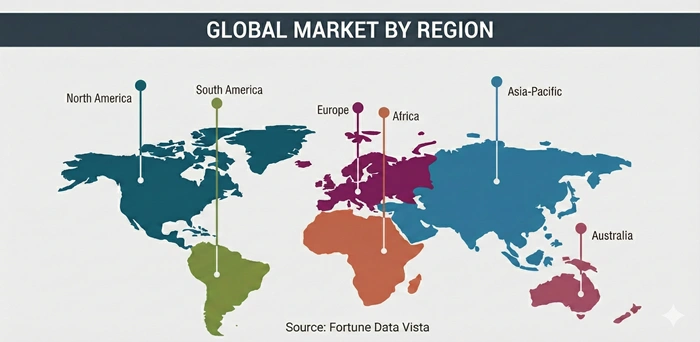
North America dominates the global compounding pharmacy market, holding approximately 56% of total revenue in 2025, driven by the United States' uniquely well-developed 503A/503B regulatory framework that provides a structured commercial pathway for both patient-specific compounding pharmacies and large-scale outsourcing facilities, the world's most advanced hospital pharmaceutical supply chain infrastructure requiring compounded alternatives, and exceptionally high prescription drug shortage frequency that creates sustained institutional demand for sterile compounded preparations across U.S. hospital systems.
-
Asia Pacific is the fastest growing regional market for compounding pharmacy services, propelled by China's rapidly developing pharmaceutical compounding regulatory framework, India's growing network of hospital pharmacies adopting sterile compounding services, Japan's aging population creating strong demand for customized geriatric formulations, and the expanding private healthcare sector investment across South Korea, Australia, and Southeast Asian markets that is introducing Western-style compounding pharmacy services to healthcare systems historically dominated by commercial pharmaceutical dispensing.
-
Sterile compounding is the dominant market type segment, accounting for approximately 62% of total compounding pharmacy market revenue in 2025, reflecting the high clinical urgency and institutional purchasing volume of hospital-directed sterile injectable preparations — particularly for shortage management, parenteral nutrition, and custom oncology preparations — that command premium pricing and large institutional contract values compared with the retail prescription volumes that characterize non-sterile compounding operations.
-
Hormone compounds represent the largest and most commercially mature drug type segment within the non-institutional compounding market, driven by strong and growing consumer and physician demand for bioidentical hormone replacement therapy in menopausal women and hormone optimization in men — a segment that has demonstrated resilience to regulatory scrutiny and continues to expand as the body of clinical evidence supporting individualized hormone therapy grows and the baby boomer demographic reaches peak hormone therapy utilization age.
-
Hospitals and clinics are the dominant end-user segment, contributing approximately 45% of compounding pharmacy market revenue in 2025 as the largest institutional customers for sterile compounded preparations — 503B outsourcing facility products, custom parenteral nutrition, and shortage-driven injectable alternatives — whose procurement volume, contract stability, and premium pricing for compliant compounded sterile preparations generate the highest revenue density of any end-user category in the market.
-
Home care settings and specialty clinics are the fastest growing end-user segments, projected to grow at a CAGR exceeding 7.5% through 2033, as increasing patient preference for home-based chronic disease management, the expansion of home infusion therapy programs, and the growing clinical acceptance of compounded hormone and dermatology preparations in aesthetic and anti-aging medicine specialty practices drive compounded prescription volume growth outside the traditional hospital and retail pharmacy channels.
Market Scope
| Parameter | Details |
|---|---|
| Market Size by 2033 | USD 22.57 Billion | Market Size by 2026 | USD 15.00 Billion | Market Size by 2025 | USD 14.15 Billion | Market Growth Rate from 2026 to 2033 | CAGR of 6.0% | Dominating Region | North America | Fastest Growing Region | Asia Pacific | Segments Covered | Type, Drug Type, Dosage Form, End User | Regions Covered | North America, Europe, Asia Pacific, Latin America, Middle East & Africa |
Market Dynamics
Drivers Impact Analysis
Persistent Commercial Drug Shortages Driving Institutional Adoption of Compounded Alternatives, Aging Population Demographics Expanding the Patient Base for Customized Formulations, and the Growing Clinical Acceptance of Bioidentical Hormone and Personalized Pain Management Compounding Are Building the Structural Growth Foundation of the Compounding Pharmacy Market
| Driver | ≈ % Impact on CAGR Forecast | Geographic Relevance | Impact Timeline |
|---|---|---|---|
| Persistent drug shortage frequency driving hospital procurement of sterile compounded alternatives | ~35% | North America — especially U.S. hospital formularies | Short to Long Term |
| Aging global population increasing demand for customized geriatric and hormonal formulations | ~30% | Global — especially North America, Europe, Japan | Short to Long Term |
| Growing clinical acceptance of bioidentical hormone replacement and personalized pain management compounding | ~22% | North America, Europe | Short to Medium Term |
| GLP-1 and weight management compounding demand expansion | ~13% | North America | Short to Medium Term |
Drug shortage management has become one of the most commercially significant drivers of growth in the compounding pharmacy market, as the FDA's documented shortage list — which routinely includes 150–250 active shortage products — creates a recurring, high-urgency procurement need for hospital and ambulatory surgery center pharmacists who must maintain formulary continuity for their clinical teams. The 503B outsourcing facility segment of the compounding pharmacy market is specifically structured to serve this institutional need — providing FDA-registered, Current Good Manufacturing Practice (CGMP)-compliant compounded sterile preparations to healthcare institutions without requiring patient-specific prescriptions, enabling hospitals to stock compounded alternatives to shortage drugs with the same procurement efficiency as commercial pharmaceutical purchasing. Facilities including Wedgewood Pharmacy, PharMEDium (AmerisourceBergen), Fagron's U.S. operations, and Baxter's compounding businesses have built substantial commercial infrastructure serving this demand — and the structural pharmaceutical supply chain factors that drive shortage frequency show no signs of abating, sustaining this demand vector durably.
The therapeutic category most responsible for driving retail and specialty compounding pharmacy market growth — beyond the institutional shortage segment — is hormone replacement and endocrine compounding, where patient demand for bioidentical estrogen, progesterone, testosterone, and thyroid compounds has created a large and stable commercial market that spans specialty compounding pharmacies, anti-aging clinics, and direct-to-consumer telehealth platforms that prescribe compounded hormones at scale. The demographic tailwind from the aging baby boomer generation — now entering peak demand for hormone replacement therapy in both women experiencing menopause and men managing age-related testosterone decline — is expanding the patient base for hormonal compounding at a rate that commercial pharmaceutical manufacturers cannot fully address with standardized products, creating durable demand for individualized compounded hormone formulations that the compounding pharmacy market is well positioned to supply.
Restraints Impact Analysis
Stringent USP 795/797/800 Regulatory Compliance Burdens, Heightened FDA Oversight Following High-Profile Compounding Safety Events, and the Competitive Pressure from Commercial Drug Price Reductions That Reduce Shortage-Driven Demand Are the Primary Constraints on Faster Compounding Pharmacy Market Growth
| Restraint | ≈ % Impact on CAGR Forecast | Geographic Relevance | Impact Timeline |
|---|---|---|---|
| Stringent USP 795/797/800 compliance requirements increasing operational cost and complexity for compounding pharmacies | ~40% | North America — especially smaller 503A pharmacies | Short to Long Term |
| Heightened FDA 503B outsourcing facility inspectional scrutiny and warning letter activity creating compliance risk | ~34% | North America | Short to Medium Term |
| Commercial drug shortage resolution reducing compounded alternative demand in specific product categories | ~26% | North America, Europe | Short to Medium Term |
The most significant operational constraint on the compounding pharmacy market — particularly for small and mid-sized independent compounding pharmacies — is the escalating cost and complexity of maintaining compliance with the revised USP 795 (non-sterile compounding), USP 797 (sterile compounding), and USP 800 (hazardous drug handling) standards, which were substantially updated in recent years to strengthen quality and safety requirements in areas including environmental monitoring, personnel training, beyond-use dating, and hazardous drug segregation. The capital investment required to upgrade physical pharmacy facilities to meet new clean room design, air handling, and pressure differential requirements for revised USP 797 compliance alone is estimated at USD 50,000–500,000 per sterile compounding operation depending on scope — an investment that is financially prohibitive for small independent pharmacies and is contributing to consolidation in the sector as smaller operators exit sterile compounding or sell to larger groups with the capital resources to maintain compliance. This compliance cost burden is simultaneously creating competitive advantages for large 503B outsourcing facilities and well-capitalized compounding pharmacy groups that can spread compliance infrastructure investment across large production volumes — accelerating the structural consolidation of the compounding pharmacy market toward fewer, larger, more compliant operators.
The resolution of major drug shortage events that have temporarily driven large volumes of compounded alternative prescriptions can create abrupt revenue headwinds for compounding facilities that have invested in capacity to serve shortage-driven demand. The FDA's resolution of semaglutide and tirzepatide drug shortage designations — removing the legal basis for compounding these GLP-1 medications — illustrates how shortage-driven compounding revenue can be disrupted by regulatory and commercial pharmaceutical supply events that are outside the compounding pharmacy market's control. While the structural frequency of drug shortages as a whole is expected to remain elevated, individual product-level shortage resolutions create revenue volatility that compounding facilities must manage through portfolio diversification, long-term institutional supply contracts, and development of sustainable non-shortage product lines.
Opportunities Impact Analysis
503B Outsourcing Facility Expansion into New Therapeutic Categories, International Compounding Market Development in Emerging Economies, and Telehealth-Enabled Direct-to-Consumer Compounding Pharmacy Models Represent the Most Commercially Significant Growth Opportunities in the Compounding Pharmacy Market
| Opportunity | ≈ % Impact on CAGR Forecast | Geographic Relevance | Impact Timeline |
|---|---|---|---|
| 503B facility expansion into oncology, parenteral nutrition, and complex sterile specialty compounding | ~42% | North America | Short to Long Term |
| Telehealth-enabled DTC compounding pharmacy model growth for hormones, dermatology, and weight management | ~36% | North America, Europe | Short to Long Term |
| International compounding market development in emerging Asia Pacific and Latin American healthcare economies | ~22% | Asia Pacific, Latin America | Medium to Long Term |
The integration of compounding pharmacy services with telehealth platforms represents one of the most commercially dynamic and rapidly growing opportunities in the compounding pharmacy market — creating a direct-to-consumer distribution model that connects patients with prescribing clinicians and compounding pharmacies through digital platforms that eliminate the traditional barrier of requiring an in-person physician visit to access compounded prescriptions. Companies including Hims & Hers (compounded semaglutide and finasteride), Ro (Roman health platform with compounded testosterone and skincare), Nuo Health, and a growing ecosystem of telehealth-compounding pharmacy integration platforms are demonstrating strong consumer demand and commercially viable unit economics for digitally distributed compounded medication programs in hair loss, erectile dysfunction, hormone replacement, weight management, and dermatology — therapeutic categories where personalized, compounded formulations address unmet consumer needs that commercially available FDA-approved products do not fully serve.
The international expansion of professional compounding pharmacy services — particularly into Asia Pacific markets including China, India, Australia, Japan, and South Korea — represents a substantial medium-to-long-term market development opportunity as these healthcare systems gradually develop the regulatory frameworks, trained pharmacist workforce, and clinical practice cultures that support compounding pharmacy adoption. Australia's compounding pharmacy sector is the most internationally developed outside North America and Europe, with a sophisticated regulatory framework managed by the Therapeutic Goods Administration and an established network of specialist compounding pharmacies serving hospital and retail markets. China's National Medical Products Administration is progressively developing guidance for pharmaceutical compounding practice — a development that, when fully implemented, will create the regulatory clarity needed for formal compounding pharmacy market development in the world's largest pharmaceutical consumption market.
Segment Analysis
By Type
Sterile Compounding Dominates the Compounding Pharmacy Market Revenue While Non-Sterile Compounding Drives the Broadest Patient Access and Highest Prescription Volume Growth in Retail and Specialty Settings
Sterile compounding represents the dominant type segment in the compounding pharmacy market, accounting for approximately 62% of total revenue in 2025 and growing at a CAGR of approximately 6.3% through 2033, driven by the exceptionally high institutional demand for compounded sterile injectable preparations from hospitals managing drug shortage formulary gaps and specialty pharmacies preparing custom parenteral nutrition, oncology preparations, and ophthalmic solutions. North America leads this segment decisively, with the United States' 503B outsourcing facility infrastructure — which includes over 75 FDA-registered facilities — providing the CGMP-compliant sterile manufacturing capacity that hospital pharmacy directors require to safely and legally source compounded injectables for their formularies. Companies including PharMEDium Services (AmerisourceBergen subsidiary), Fagron Compounding Services (U.S. operations), Baxter BioPharma Solutions, and Fresenius Kabi's compounding division are among the largest operators in the U.S. sterile compounding segment — each maintaining large-scale, ISO-classified clean room manufacturing facilities with the environmental monitoring programs, microbiology testing capabilities, and batch release quality systems that institutional customers require. The sterile compounding segment benefits from the institutional procurement model — where hospital pharmacy directors sign multi-year supply agreements with 503B facilities for shortage alternative products and standard preparations — creating recurring, high-value revenue contracts that provide compounding facility operators with commercial stability and revenue predictability that the retail compounding segment typically cannot match.
Non-sterile compounding accounts for approximately 38% of compounding pharmacy market revenue in 2025, growing at a CAGR of approximately 5.5% through 2033, and encompasses the vast and clinically diverse range of custom oral, topical, and mucosal formulations that compounding pharmacies produce to address the individual patient medication needs that commercially available products cannot meet. This segment is geographically more dispersed than sterile compounding — with large networks of independent compounding pharmacies operating across North America, Europe, and Australia serving retail prescriptions from physicians, dentists, veterinarians, and other prescribers in virtually every therapeutic category. Key companies including Wedgewood Pharmacy (primarily veterinary), Medisca Inc. (pharmaceutical compounding supplies and training), PCCA (Professional Compounding Centers of America), and Fagron NV's retail compounding divisions collectively support and supply the independent compounding pharmacy network with the pharmaceutical-grade ingredients, formulation databases, and training resources that maintain quality standards across the decentralized non-sterile compounding sector. The fastest growing non-sterile compounding categories include GLP-1 related compound formulations (where telehealth prescribing platforms have created massive consumer demand), bioidentical hormone replacement therapy, custom dermatology preparations for anti-aging and medical skin conditions, and pediatric liquid formulations of commercially available adult medications — each representing a distinct patient population and commercial channel that sustains the segment's steady and durable growth trajectory within the broader compounding pharmacy market.
By End User
Hospitals and Clinics Lead Revenue While Home Care and Specialty Clinics Are the Fastest Growing End Users Expanding the Compounding Pharmacy Market's Commercial Footprint Beyond Institutional Healthcare
Hospitals and clinics represent the largest end-user segment in the compounding pharmacy market, contributing approximately 45% of total revenue in 2025 and growing at a CAGR of approximately 5.8% through 2033, as the primary institutional customers for high-value sterile compounded preparations — shortage-driven injectable alternatives, custom parenteral nutrition formulations, sterile ophthalmic solutions, and CGMP-compounded oncology preparations — that generate the largest per-unit revenue and highest total contract value in the compounding sector. North America's hospital channel dominates this segment, where hospital pharmacy directors at major academic medical centers, large hospital system chains, and ambulatory surgery center networks are the most sophisticated and highest-volume buyers of 503B compounded sterile products — leveraging group purchasing organization agreements and direct 503B facility supply contracts to manage their compounding procurement efficiently at the institutional scale. Baxter International's pharmaceutical compounding and IV solutions business, B. Braun Medical's U.S. compounding operations, and the AmerisourceBergen PharMEDium network represent the most commercially significant hospital-focused compounding suppliers — each maintaining the regulatory compliance infrastructure, product breadth, and logistics capabilities that large hospital system procurement departments require to rely on compounded products as stable, high-quality formulary components. The hospital end-user segment also benefits from the growing clinical adoption of ready-to-administer compounded preparations — where hospitals contract with 503B facilities to produce pre-diluted, unit-dose injectable formulations that reduce nursing preparation time, minimize IV admixture errors, and improve compliance with USP 797 requirements — creating expanding product categories beyond pure shortage management that sustain long-term compounding revenue growth in institutional healthcare settings.
Home care and specialty clinic end users collectively represent approximately 28% of compounding pharmacy market revenue in 2025 and are projected to grow at a CAGR exceeding 7.5% through 2033 — the fastest growing end-user segment — as the structural trends of healthcare decentralization, home infusion therapy expansion, and the telehealth-enabled direct-to-consumer compounding model collectively drive compounded prescription volume growth outside institutional settings. Home infusion therapy — where patients receive compounded parenteral nutrition, IV antibiotics, pain management, or specialty biologics at home under nursing supervision — is a particularly high-value compounding channel, as home infusion preparations require the same sterile compounding quality as hospital preparations but are dispensed through a growing network of home infusion pharmacy providers including BioScrip, Coram (CVS subsidiary), Option Care Health, and Diplomat Specialty Pharmacy that are managing an expanding proportion of complex medication therapy in the home environment. Specialty clinics — including aesthetic medicine and dermatology practices, anti-aging and hormone optimization clinics, fertility centers, compounding-focused integrative medicine practices, and oncology infusion centers — represent the fastest growing and most commercially dynamic individual specialty channel within this segment, as the growth of evidence-based personalized medicine and direct-to-consumer health optimization programs creates strong physician and patient demand for individualized compounded formulations that specialty clinics prescribe as core components of their treatment protocols.
Regional Insights
North America
North America Dominates the Global Compounding Pharmacy Market — Anchored by the World's Most Advanced 503B Regulatory Framework, the Largest Drug Shortage Management Compounding Infrastructure, and a Deep Consumer Market for Bioidentical Hormone and Specialty Compounding
Baxter, Fagron, and PharMEDium's U.S. Operations Are the Commercial Backbone of North America's Leadership Position in the Compounding Pharmacy Market
North America holds approximately 56% of global compounding pharmacy market revenue in 2025, a dominant position built on the United States' uniquely well-developed regulatory and commercial infrastructure for pharmaceutical compounding — including the DQSA-established 503A/503B framework, the FDA's active oversight of outsourcing facilities, and the world's most commercially mature network of compounding pharmacies serving both institutional and retail markets. The region is projected to grow at a CAGR of approximately 5.9% from 2026 to 2033, sustained by persistent drug shortage management demand, the expanding retail hormone and specialty compounding market, and the rapidly growing telehealth-integrated direct-to-consumer compounding channel that is bringing custom formulations to patients who previously had limited access to compounding pharmacy services. Key North American players including Wedgewood Pharmacy (veterinary and human compounding), PharMEDium Services (sterile hospital compounding), Baxter BioPharma Solutions, Fagron's U.S. compounding operations, and the growing network of Hims & Hers, Ro, and telehealth-integrated compounding partners collectively represent the world's most commercially developed compounding pharmacy ecosystem — serving hospital formularies, specialty clinics, veterinary practices, and direct-to-consumer prescription channels with a breadth of compounding capability unmatched in any other global market.
Canada's compounding pharmacy sector — regulated by Health Canada and provincial pharmacy regulatory colleges — represents a meaningful and growing component of North America's regional market, with Canadian compounding pharmacies serving both traditional retail prescription needs and growing demand for sterile compounding services in hospital and ambulatory care settings. Canada's regulatory framework for compounding has been progressively strengthening, with pharmacy regulatory college guidance aligning more closely with USP standards — a development that is improving compounding quality standards across the Canadian sector and supporting the adoption of institutional compounding practices modeled on the U.S. 503B outsourcing facility framework.
Asia Pacific
Asia Pacific Is the Fastest Growing Regional Market for Compounding Pharmacy — Driven by Australia's Established Compounding Sector, China's Regulatory Framework Development, and India's Expanding Hospital Pharmacy Compounding Capabilities
Sigma Healthcare in Australia, China's Growing Hospital Pharmacy Compounding Network, and India's Expanding Specialty Compounding Infrastructure Are Making Asia Pacific the Market's Most Commercially Dynamic Regional Growth Story
Asia Pacific is the fastest growing regional market in the compounding pharmacy market, with a projected CAGR of approximately 7.8% from 2026 to 2033, and currently holds approximately 18% of global market revenue in 2025. Australia represents the most commercially developed compounding pharmacy market within the region — with a well-established regulatory framework under the TGA's compounding provisions, a network of specialist compounding pharmacies serving both hospital and retail markets, and strong prescriber acceptance of compounded preparations for dermatology, hormone therapy, and pediatric formulations. Key Australian compounding operators including Stenlake Pharmaceutical (compounding and specialty pharmacy), National Custom Compounding, and the Sigma Healthcare distribution network are building commercial capabilities aligned with the growing demand for individualized pharmacy compounding services across Australia's well-resourced private healthcare sector. China and India represent the largest medium-term growth opportunities for the compounding pharmacy market in Asia Pacific — China's NMPA is progressively developing compounding practice guidance that will formalize the regulatory framework for hospital pharmacy compounding operations that currently operate under inconsistent provincial guidance, while India's hospital pharmacy sector is investing in sterile compounding capability to support the growing parenteral nutrition, oncology, and shortage-driven injectable demand from the country's rapidly expanding private hospital infrastructure.
Japan's compounding pharmacy market — while relatively small by regional standards — is developing steadily as Japan's aging population creates growing clinical demand for customized geriatric formulations and as the Japanese government's pharmaceutical policy initiatives encourage more individualized approaches to complex chronic disease management. South Korea's well-developed pharmaceutical sector and high healthcare spending per capita are supporting growing adoption of specialty compounding services across the country's network of private clinics, aesthetic medicine practices, and specialist pharmacies — with Korean compounding following the bioidentical hormone and dermatology compound trajectory established in North America, supported by the strong beauty and healthcare consumer culture that drives high-value specialty pharmacy utilization in Korea's sophisticated consumer healthcare market.
Report Customization Available by Region and Country
Access Precisely Targeted Compounding Pharmacy Market Intelligence Through Fully Customized Region-Wise and Country-Wise Reports — Tailored to the Specific Regulatory Framework, Drug Shortage Dynamics, Clinical Demand Profile, and Competitive Landscape of Every Major Pharmaceutical Compounding Market Globally
This report is fully customizable by region and country, enabling compounding pharmacy operators, pharmaceutical ingredient suppliers, hospital pharmacy directors, healthcare investors, and regulatory affairs professionals to access compounding pharmacy market intelligence specifically tailored to the regulatory environment, clinical demand dynamics, competitive landscape, and growth opportunity profile of their target geographies. Customized reports deliver country-level market sizing, regulatory framework analysis, competitive operator profiling, drug shortage impact assessment, and strategic growth opportunity identification for each selected market.
Customized compounding pharmacy market reports are available for all of the following regions and countries, offering detailed market analysis, regulatory pathway assessment, competitive operator profiling, drug shortage dynamics analysis, and strategic growth opportunity mapping tailored to each specific geography:
North America
-
U.S. — 503A/503B regulatory framework analysis, FDA outsourcing facility inspection trends, drug shortage impact on compounding demand, Wedgewood and PharMEDium competitive profiling, telehealth-compounding integration market sizing, and state board of pharmacy regulatory landscape mapping
-
Canada — Health Canada compounding provisions analysis, provincial pharmacy college regulatory guidance benchmarking, Canadian hospital compounding adoption, drug shortage management compounding dynamics, and cross-border U.S.-Canada compounding product flow analysis
-
Mexico — COFEPRIS compounding pharmacy regulatory environment, Mexican hospital pharmacy compounding development, market entry opportunity assessment for North American compounding operators, and Mexican private healthcare sector compound demand analysis
Europe
-
U.K. — MHRA specials and compounding licensing framework, NHS hospital compounding practices, GPhC compounding pharmacy standards, Fagron and Medisca UK operations analysis, and post-Brexit pharmaceutical supply chain implications for compounding demand
-
Germany — German pharmacy law (AMG and ApBetrO) compounding provisions, hospital pharmacy compounding practice in Germany, German health insurance (GKV) coverage for compounded preparations, and Fagron and B. Braun German market analysis
-
France — ANSM compounding pharmacy regulatory guidance, French hospital pharmacy compounding practices, French social security coverage for compounded medications, and key French hospital pharmacy compounding supplier profiles
-
Italy — Italian pharmaceutical compounding regulatory framework (Farmacopea Ufficiale), Italian hospital pharmacy compounding adoption, dermatology and hormone compound market development, and key Italian compounding pharmacy operator profiles
-
Rest of Europe — Nordic compounding pharmacy market development, Eastern European hospital pharmacy compounding adoption, Dutch and Belgian compounding sector profiles, and pan-European GMP compounding facility regulatory harmonization analysis
Asia Pacific
-
China — NMPA compounding pharmacy regulatory framework development, Chinese hospital pharmacy sterile compounding capability assessment, domestic pharmaceutical ingredient supplier landscape for compounding, and market opportunity sizing for international compounding operators in China
-
India — CDSCO compounding provisions, Indian hospital pharmacy compounding infrastructure development, parenteral nutrition and oncology compound demand analysis, PLI scheme pharmaceutical implications, and Indian compounding pharmacy market entry opportunity assessment
-
Japan — PMDA compounding provisions and regulatory framework, Japanese geriatric formulation compounding demand, Japanese pharmacy compounding market size and growth analysis, and key Japanese hospital pharmacy compounding operator profiles
-
South Korea — MFDS compounding regulatory framework, Korean aesthetic medicine and dermatology compound market, Korean private clinic compounding demand, and South Korean pharmaceutical compounding market development trajectory
-
Australia — TGA compounding provisions analysis, Australian specialist compounding pharmacy landscape, National Custom Compounding and Stenlake profiles, PBS implications for compounded medication access, and Australian hormone and dermatology compound demand
-
Rest of Asia Pacific — Southeast Asian hospital pharmacy compounding development, Singapore's advanced pharmacy practice compounding adoption, Taiwan pharmaceutical compounding market analysis, and regional parenteral nutrition compounding demand assessment
Latin America
-
Brazil — ANVISA compounding pharmacy regulatory framework, Brazilian compounding pharmacy market size and operator landscape, CBPF (pharmaceutical compounding quality standard) compliance analysis, and Brazilian hormone and dermatology compound market development
-
Argentina — ANMAT compounding provisions, Argentine pharmaceutical compounding market development, cost-sensitive market dynamics for compounding adoption, and key Argentine compounding pharmacy operator profiles
-
Rest of Latin America — Colombian and Chilean compounding pharmacy market development, regional hospital pharmacy sterile compounding adoption, Latin American drug shortage management compounding demand, and key regional compounding ingredient supplier profiles
Middle East & Africa (MEA)
-
UAE — UAE MOH compounding pharmacy provisions, Dubai hospital pharmacy compounding practices, private clinic compounding demand in UAE's premium healthcare market, and regional compounding hub development opportunities
-
Saudi Arabia — SFDA compounding pharmacy regulatory guidance, Saudi hospital pharmacy compounding capability assessment, Vision 2030 healthcare localization implications for compounding, and Saudi private healthcare sector compound demand analysis
-
Rest of MEA — South African compounding pharmacy market development, Egyptian hospital pharmacy compounding adoption, Israeli pharmaceutical compounding innovation, and Sub-Saharan African hospital pharmacy compounding capability building
Top Key Players
-
Wedgewood Pharmacy (United States)
-
Fagron NV (Belgium)
-
Baxter International Inc. (United States)
-
B. Braun SE (Germany)
-
Fresenius Kabi AG (Germany)
-
PharMEDium Services LLC (AmerisourceBergen) (United States)
-
Medisca Inc. (Canada / United States)
-
PCCA (Professional Compounding Centers of America) (United States)
-
Wilshire Oncology Pharmacy (United States)
-
Stenlake Pharmaceutical (Australia)
-
Biocon Biologics (India)
-
Sigma-Aldrich (Merck KGaA) (Germany)
Recent Developments
-
In 2025, Fagron NV expanded its U.S. 503B sterile compounding operations through the opening of a new CGMP-compliant sterile manufacturing facility in Texas — adding approximately 35,000 square feet of ISO-classified clean room capacity specifically designed to meet the growing hospital demand for compounded sterile injectable preparations and to position Fagron as a larger-scale competitor in the shortage-driven hospital sterile compounding segment that represents the highest-revenue and fastest-growing portion of the U.S. compounding pharmacy market.
-
In 2025, Baxter International announced a strategic restructuring of its pharmaceutical compounding and IV solutions business into a standalone operating division with dedicated management, investment planning, and commercial strategy — signaling Baxter's intention to grow its compounding and outsourced sterile manufacturing capabilities as a core revenue driver, including through potential acquisitions of 503B outsourcing facilities and expansion of its product portfolio into shortage-driven specialty injectable categories that represent high-priority formulary needs for U.S. hospital customers.
-
In 2024, Wedgewood Pharmacy completed its acquisition of a regional specialty compounding pharmacy focused on human hormone and dermatology compounding — expanding Wedgewood's historically veterinary-focused compounding business into the human prescription market and positioning the company to capture growing demand from the telehealth-integrated hormone optimization and medical dermatology markets that are driving rapid compounded prescription volume growth in the direct-to-consumer channel of the compounding pharmacy market.
-
In 2025, Medisca Inc. launched an updated version of its CompoundingToday digital platform — providing compounding pharmacists with AI-assisted formulation development tools, real-time regulatory update feeds, and enhanced beyond-use dating calculators aligned with revised USP 797 standards — representing a significant investment in digital infrastructure for the independent compounding pharmacy sector that is helping smaller compounding operators navigate the increased compliance complexity of updated USP chapter requirements.
-
In 2024, Fresenius Kabi AG expanded its North American pharmaceutical compounding capacity through the commissioning of additional sterile filling lines at its Wilson, North Carolina manufacturing campus — adding capacity for approximately 50 million additional unit doses annually of compounded sterile preparations targeted at the hospital formulary shortage management segment — while simultaneously announcing regulatory submissions for several new compounded sterile product SKUs targeting the highest-frequency shortage categories in U.S. hospital pharmacy.
Market Trends
GLP-1 Compounding Controversy Resolution and the Telehealth-Compounding Pharmacy Integration Model Are the Two Most Commercially Consequential Trends Currently Reshaping the Competitive Dynamics of the Compounding Pharmacy Market
From Hims & Hers's Compounded Semaglutide Platform to Fagron's 503B Capacity Expansion, the Compounding Pharmacy Market Is Navigating a Period of Extraordinary Commercial Opportunity and Regulatory Complexity Simultaneously
The most commercially significant recent trend in the compounding pharmacy market — and the one with the most uncertain long-term trajectory — is the extraordinary GLP-1 receptor agonist compounding episode, where the FDA's drug shortage designations for semaglutide (Ozempic, Wegovy) and tirzepatide (Mounjaro, Zepbound) briefly created a legal window for compounding pharmacies to produce these blockbuster weight management and diabetes medications at massive scale, generating billions of dollars of revenue through telehealth prescribing platforms before FDA shortage resolution orders withdrew the legal compounding authorization. The GLP-1 compounding experience has accelerated several important market developments — demonstrating the enormous latent consumer demand for compounded weight management medications, establishing telehealth-compounding integration as a commercially viable direct-to-consumer pharmaceutical distribution model, and highlighting the regulatory complexity and commercial risk of building compounding business models around shortage-dependent product categories where FDA shortage status can change rapidly. The long-term market question — whether patient access needs, affordability considerations, and demand volumes will support ongoing GLP-1 compounding through alternative legal pathways even after shortage resolution — will significantly influence the compounding pharmacy market's revenue trajectory over the near-to-medium-term forecast horizon.
The accelerating consolidation of the compounding pharmacy market — driven by the capital cost of USP 797 compliance upgrades, the competitive advantage of scale in 503B operations, and the commercial opportunity of building vertically integrated telehealth-compounding platforms — is progressively reshaping the industry structure from a fragmented network of thousands of independent pharmacies toward a smaller number of larger, better-capitalized, and more highly compliant operators who can serve both institutional and direct-to-consumer markets at commercially viable scale. Private equity investment in compounding pharmacy consolidation has been substantial — with platforms including Avita Pharmacy, Pharmco, and Apexus compounding programs attracting investment to build multi-location compounding networks with standardized quality systems, centralized purchasing, and shared compliance infrastructure that improve both operational efficiency and regulatory defensibility. This consolidation trend is creating competitive challenges for small independent compounding pharmacies that cannot match the compliance infrastructure, service breadth, and pricing competitiveness of scaled operators — accelerating a structural industry evolution that will define the competitive landscape of the compounding pharmacy market through 2033.
Segments Covered in the Report
-
By Type
-
Sterile Compounding (503A Patient-Specific and 503B Outsourcing Facility)
-
Non-Sterile Compounding
-
-
By Drug Type
-
Analgesics and Pain Management Compounds
-
Hormone and Bioidentical Hormone Replacement Compounds
-
Anti-Infective Agents
-
Dermatology and Topical Compounds
-
Oncology and Antineoplastic Compounds
-
Nutritional and Parenteral Nutrition Compounds
-
Ophthalmics
-
Others (Veterinary, Pediatric, Weight Management)
-
-
By Dosage Form
-
Capsules and Oral Solid Forms
-
Creams, Gels, and Topical Preparations
-
Injectables and Sterile Preparations
-
Suppositories
-
Troches, Lozenges, and Sublingual Preparations
-
Oral Liquids and Suspensions
-
Others (Nasal, Ophthalmic, Inhalation)
-
-
By End User
-
Hospitals and Inpatient Clinics
-
Specialty Clinics (Hormone, Dermatology, Oncology, Aesthetic)
-
Long-Term Care Facilities and Nursing Homes
-
Home Care and Home Infusion Settings
-
Retail and Independent Compounding Pharmacies
-
Veterinary Practices
-
Others (Dental, Hospice, Research Institutions)
-
-
By Region
-
North America (U.S., Canada, Mexico)
-
Europe (U.K., Germany, France, Italy, Rest of Europe)
-
Asia Pacific (China, India, Japan, South Korea, Australia, Rest of Asia Pacific)
-
Latin America (Brazil, Argentina, Rest of Latin America)
-
Middle East & Africa (UAE, Saudi Arabia, Rest of MEA)
-
❝ Built for Every Level — From Startups to Industry Giants ❞
Here Is Exactly How This Report Works for You
-
For Tier 1 pharmaceutical compounding groups, hospital system pharmacy executives managing large-scale 503B sourcing programs, healthcare private equity investors evaluating compounding platform acquisitions, and institutional asset managers with specialty pharmaceutical sector exposure, this report delivers comprehensive competitor revenue analysis across the compounding pharmacy market — including facility-by-facility 503B operator revenue breakdowns by product category and institutional customer type; supply-demand dynamics assessment mapping drug shortage frequency and its direct impact on compounding volume by therapeutic category; detailed competitor revenue source analysis distinguishing shortage-driven institutional revenue from sustainable non-shortage compounding income; and a geopolitical factor assessment covering how FDA shortage policy decisions, USP standards revision timelines, international pharmaceutical supply chain disruptions, and national healthcare reimbursement changes are reshaping competitive positioning and capital allocation priorities across the global compounding pharmacy market through 2033.
-
For Tier 2 and Tier 3 independent compounding pharmacies, regional compounding pharmacy chains, pharmaceutical ingredient suppliers serving the compounding sector, and mid-market compounding platform operators, this report identifies the specific therapeutic categories, end-user segments, and geographic markets where compounding demand growth is outpacing current commercial supply — mapping the regulatory compliance investment thresholds, product category requirements, and institutional customer qualification standards that define the practical competitive barriers to market entry and expansion in each identified opportunity area, supported by detailed analysis of how USP 797/795/800 compliance cost structures are affecting the competitive viability of operators at different scale levels within the compounding pharmacy market.
-
For venture capital and strategic investors evaluating telehealth-compounding integration startup opportunities, pharmaceutical ingredient and equipment companies seeking to identify the highest-growth customer segments within the compounding sector, and healthcare system CFOs evaluating the long-term supply strategy for their compounded medication procurement programs, this report provides a comprehensive assessment of how the GLP-1 compounding episode is reshaping direct-to-consumer compounding pharmacy commercial models, a technology maturity assessment for AI-assisted formulation development and quality management tools that are creating competitive differentiation among technology-forward compounding operators, and a forward-looking competitive landscape analysis identifying which consolidation patterns, technology platform investments, and regulatory developments will define the winner and loser dynamics in the compounding pharmacy market through 2033 — enabling more informed investment, partnership, and strategic planning decisions.
Frequently Asked Questions:
Answer: The global compounding pharmacy market was valued at USD 14.15 billion in 2025 and is projected to reach approximately USD 22.57 billion by 2033. The market is expected to grow at a CAGR of 6.0% from 2026 to 2033, driven by persistent drug shortage demand for compounded alternatives, aging population demographics, and the expanding telehealth-integrated direct-to-consumer compounding channel.
Answer: A compounding pharmacy creates customized medications tailored to individual patient needs — adjusting dosage strengths, removing allergens, changing dosage forms, or combining multiple drugs — when commercially manufactured standardized products cannot meet a specific patient's clinical requirements. The compounding pharmacy market exists because mass-produced pharmaceutical products serve the average patient but inevitably leave gaps for patients with unique medical needs, allergies, pediatric dosing requirements, or conditions requiring formulations not commercially available.
Answer: North America dominates the global compounding pharmacy market with approximately 56% of total revenue in 2025, anchored by the United States' well-developed DQSA 503A/503B regulatory framework, world-leading drug shortage management compounding infrastructure, and deep consumer market for bioidentical hormone and specialty compounding. Asia Pacific is the fastest growing regional market, projected at a CAGR of approximately 7.8% from 2026 to 2033, led by Australia's established sector and rapidly developing compounding markets in China and India.
Answer: Drug shortages are one of the most significant commercial demand drivers in the compounding pharmacy market, as hospitals and ambulatory care centers turn to 503B outsourcing facilities and compounding pharmacies to provide compliant alternatives when commercially manufactured drugs become unavailable — creating urgent, high-value procurement needs for sterile compounded preparations across the most critical hospital formulary categories. The FDA's shortage list typically includes 150–250 active products at any time, predominantly sterile injectables in anesthesia, oncology, and anti-infective categories, sustaining a durable and recurring institutional demand base for compounding pharmacy services that has become a structural component of hospital pharmaceutical supply chain management.
Answer: The compounding pharmacy market faces significant regulatory challenges including the escalating compliance cost of revised USP 797 (sterile compounding), USP 795 (non-sterile compounding), and USP 800 (hazardous drug handling) standards — which require substantial physical facility upgrades, environmental monitoring programs, and personnel training investments that are financially burdensome for smaller independent compounding pharmacies. The FDA's evolving enforcement policies for 503B outsourcing facilities, state board of pharmacy oversight variability, and the uncertainty surrounding legal compounding authorization for specific drug categories — most prominently the GLP-1 medications where shortage status and compounding authorization has changed multiple times — represent additional regulatory complexity that affects investment planning and commercial strategy across the compounding pharmacy market.