
Gene Amplification Technology Market Overview
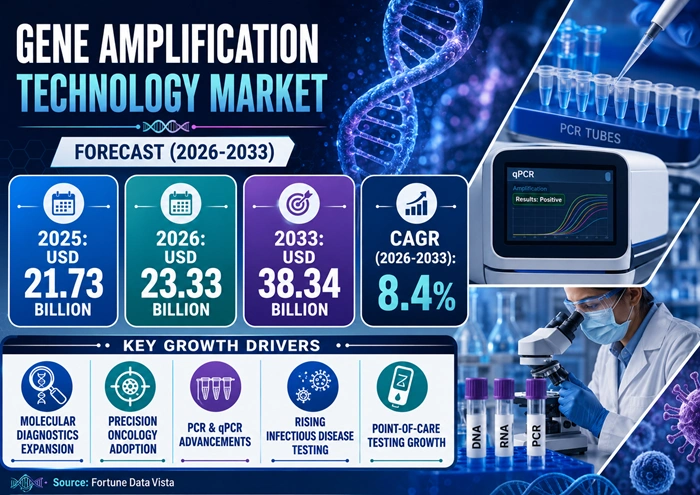
The global gene amplification technology market size is valued at USD 21.73 billion in 2025 and is predicted to increase from USD 23.33 billion in 2026 to approximately USD 38.34 billion by 2033, growing at a CAGR of 8.4% from 2026 to 2033.
Gene amplification technologies are molecular biology tools that selectively replicate specific nucleic acid sequences — DNA or RNA — to generate quantities large enough for detection, analysis, and downstream applications. Polymerase chain reaction (PCR) remains the foundational technology, but the field has diversified significantly to include real-time quantitative PCR (qPCR), digital PCR (dPCR), loop-mediated isothermal amplification (LAMP), multiple displacement amplification (MDA), and next-generation isothermal methods that eliminate the need for thermal cycling equipment entirely. These innovations have made amplification faster, more sensitive, more accessible in point-of-care settings, and capable of detecting low-abundance targets including circulating tumor DNA, viral RNA in asymptomatic infections, and rare genetic mutations in heterogeneous tumor samples. The COVID-19 pandemic demonstrated the global critical importance of scalable, rapid nucleic acid amplification infrastructure, and the lasting expansion of molecular diagnostics capacity it triggered continues to drive commercial demand across the gene amplification technology market worldwide.
AI Impact on the Gene Amplification Technology Industry
Artificial intelligence is transforming gene amplification workflows by enabling smarter primer design, real-time assay optimization, automated quality control interpretation, and predictive failure detection — elevating both the scientific accuracy and the operational efficiency of molecular diagnostics and genomic research laboratories globally
Artificial intelligence is making increasingly valuable contributions to the gene amplification technology industry at multiple points in the analytical workflow. In assay design, AI-powered primer and probe design tools trained on extensive genomic sequence databases can now generate optimized amplification reagent designs for novel targets — including emerging pathogen variants and rare genetic mutations — in minutes rather than the hours or days required by manual bioinformatics approaches. These AI design tools account for thermodynamic parameters, cross-reactivity risks, GC content balance, and secondary structure formation simultaneously, generating primer sets with higher first-attempt success rates that reduce costly and time-consuming empirical optimization cycles in research and diagnostic laboratories. For clinical diagnostic applications — where assay sensitivity and specificity directly determine patient safety — this AI-driven design improvement is translating into more reliable and clinically validated molecular diagnostic tests reaching the market faster.
At the data interpretation level, AI and machine learning algorithms are transforming how amplification data from qPCR and digital PCR instruments is analyzed and reported. Traditional Ct threshold analysis in qPCR requires manual review and subjective expert judgment when curve shapes are ambiguous — introducing inter-laboratory and inter-technician variability that can affect diagnostic accuracy. AI-powered curve analysis systems trained on millions of amplification curves can classify amplification signals, identify anomalous curves indicative of inhibition or equipment failure, and generate quantitative results with a consistency and objectivity that manual review cannot match. In digital PCR applications — where counting tens of thousands of individual droplet amplification events is computationally intensive — AI algorithms are enabling real-time droplet classification and error detection that substantially improves throughput and data quality. As laboratory automation and AI data interpretation converge, the gene amplification technology market is moving toward a future of high-throughput, fully automated molecular testing environments capable of processing thousands of samples daily with minimal human oversight.
Growth Factors
The global infectious disease diagnostic revolution accelerated by the COVID-19 pandemic, expanding precision oncology applications demanding ultra-sensitive circulating tumor DNA detection, the rapid growth of pharmacogenomics and personalized medicine, and accelerating LAMP-based point-of-care adoption in resource-limited settings are generating powerful and multi-dimensional commercial growth across the gene amplification technology market through 2033
The most commercially powerful growth driver for the gene amplification technology market is the permanent expansion of molecular diagnostics infrastructure triggered by the COVID-19 pandemic. Prior to COVID-19, RT-PCR testing for respiratory pathogens was largely limited to specialized reference laboratories and public health institutions. The pandemic created an emergency global build-out of PCR testing capacity — expanding instrument installations, qualified laboratory personnel, cold chain reagent supply chains, and regulatory approval pathways for molecular diagnostic assays across hospitals, community labs, and point-of-care settings worldwide. This infrastructure expansion did not revert after the pandemic — it created a durable foundation for the broader application of PCR and related amplification technologies to expanded panels of respiratory pathogens, sexually transmitted infections, antimicrobial resistance testing, and other infectious disease indications. The growing clinical consensus that molecular diagnosis is the gold standard for infectious disease management — combining the sensitivity and specificity advantages of nucleic acid detection with rapid turnaround times that enable informed treatment decisions — is sustaining the post-pandemic growth trajectory of the gene amplification technology market through 2033.
Precision oncology is the second major growth driver, driven by the rapidly expanding clinical use of circulating tumor DNA (ctDNA) detection in liquid biopsies — a application that demands the ultra-high sensitivity of digital PCR to detect cancer-derived mutations present at allele fractions below 0.1% in a background of normal cell-free DNA. The FDA has approved multiple liquid biopsy assays for cancer detection, minimal residual disease monitoring, and treatment response assessment — and each new approval expands the clinical patient population requiring digital PCR-based testing. Companion diagnostic applications for targeted oncology therapies — where molecular amplification testing identifies which patients carry the specific gene alteration that predicts therapy response — are similarly driving high-value, clinically mandated testing volumes that create stable, recurring commercial demand for PCR and dPCR reagents, instruments, and assay kits. As the precision oncology therapeutic pipeline continues to generate new FDA approvals requiring companion diagnostic testing, the oncology-driven demand for high-sensitivity gene amplification technology will grow progressively stronger through the forecast period.
Market Outlook
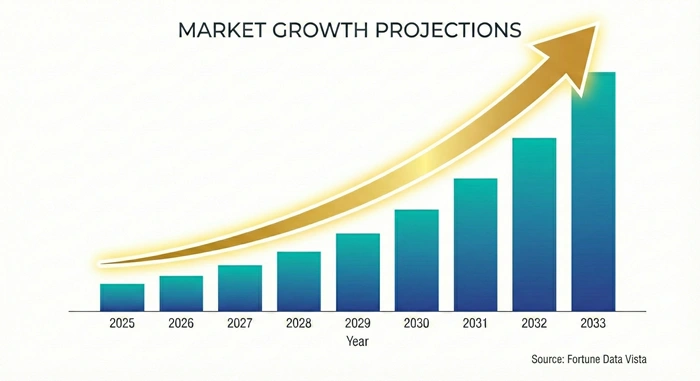
With a trajectory toward USD 38.34 billion by 2033 at a CAGR of 8.4%, the gene amplification technology market is entering a sustained period of broad-based commercial expansion — anchored by infectious disease diagnostics, liquid biopsy oncology testing, point-of-care amplification technology democratization, and an accelerating pipeline of agricultural, forensic, and food safety amplification applications
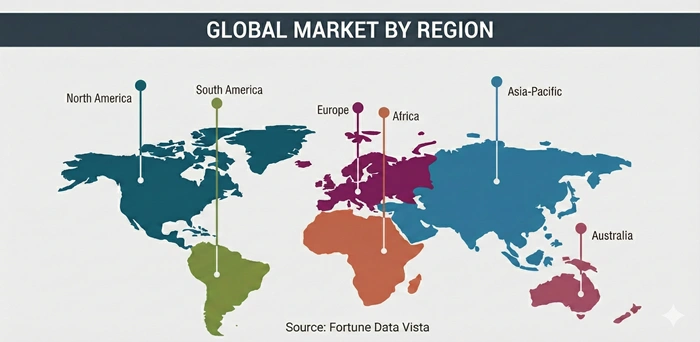
The medium-to-long-term outlook for the gene amplification technology market is robust and broadly supported across multiple end-user verticals and geographic regions. North America will maintain its dominant market position, anchored by the world's highest healthcare spending per capita, a mature and well-reimbursed molecular diagnostics ecosystem, the largest concentration of pharmaceutical and biotechnology R&D investment globally, and the home market presence of leading instrument and reagent vendors including Thermo Fisher Scientific, Bio-Rad Laboratories, Roche, and QIAGEN. Europe will sustain meaningful market contribution, supported by strong national health service investment in molecular diagnostics, active academic and industrial genomics research, and ongoing demand from pharmaceutical companies for amplification tools in drug discovery and development programs. Asia Pacific will be the fastest-growing region through 2033 — with China, India, South Korea, and Japan collectively driving a regional CAGR exceeding 10% — fueled by rapidly expanding healthcare infrastructure investment, growing domestic biotechnology R&D, and government-funded genomics initiatives creating large-scale demand for amplification instruments and reagents.
Digital PCR represents the most commercially dynamic technology segment within the broader gene amplification technology market — growing at a CAGR significantly above the overall market rate, driven by expanding liquid biopsy oncology applications, rare variant detection in pharmacogenomics, and growing adoption in environmental and food safety monitoring for pathogen quantification. Instrument price points for droplet digital PCR systems have declined substantially over the past five years as Bio-Rad's QX series and Stilla Technologies' naica system compete with emerging Chinese competitors, broadening the installation base from premium academic and reference laboratory settings into hospital clinical laboratories and contract testing organizations. This price-access dynamic will accelerate dPCR adoption significantly through the forecast period — making the digital PCR segment one of the most commercially attractive investment areas within the gene amplification technology market for both established vendors and new market entrants.
Expert Speaks
-
"Molecular amplification technologies are the analytical bedrock of modern precision medicine — from infectious disease diagnosis to cancer genomics, they deliver the sensitivity and specificity that no other detection platform can match at comparable cost and throughput. We are investing significantly in expanding our PCR and digital PCR portfolio because we see both the infectious disease diagnostics market and the oncology liquid biopsy market growing strongly for the foreseeable future, and we intend to maintain our leadership position in both." — CEO perspective, global life science tools and diagnostics leader with major PCR instrument and reagent business
-
"The democratization of gene amplification technology through isothermal amplification and point-of-care molecular testing platforms is one of the most important and commercially exciting developments in our industry right now. Making high-quality nucleic acid detection accessible in decentralized settings — community clinics, pharmacies, and even at-home testing — is expanding the market in ways that would have seemed impossible before the pandemic. We are committed to driving this access expansion because we believe it benefits both patients and our long-term commercial growth trajectory." — CEO perspective, molecular diagnostics and point-of-care testing company with major LAMP and rapid molecular platform portfolio
-
"The growing convergence of gene amplification technology with next-generation sequencing, CRISPR diagnostics, and artificial intelligence-powered data interpretation is creating a new category of molecular analysis platforms that deliver far more biological insight from a single sample than any individual technology can provide alone. These integrated platforms represent the future of both research and clinical molecular diagnostics, and they are driving the demand for high-quality amplification reagents, enzymes, and instrumentation at an accelerating pace globally." — CEO perspective, leading life science reagent and enzyme supplier with major amplification technology product portfolio
Key Report Takeaways
-
North America leads the global gene amplification technology market, holding approximately 40% of total revenue share in 2025, driven by the highest per-capita molecular diagnostics investment, a mature reimbursement framework for PCR-based clinical testing, the world's most active pharmaceutical and biotechnology R&D ecosystem demanding amplification tools for drug discovery and development, and the home market concentration of the industry's leading instrument and reagent vendors including Thermo Fisher Scientific, Bio-Rad Laboratories, and QIAGEN.
-
Asia Pacific is the fastest-growing regional market, expected to register the highest CAGR through 2033, powered by rapid healthcare infrastructure expansion across China, India, South Korea, and Japan, growing government investment in genomics and molecular diagnostics capacity, rapidly expanding domestic biotechnology industries generating strong R&D amplification reagent demand, and post-pandemic expansion of molecular testing infrastructure in emerging markets across Southeast Asia.
-
Polymerase chain reaction (PCR) technology dominates the overall technology segment, accounting for approximately 58.3% of global market revenue in 2025, as the broad family of PCR variants — conventional PCR, real-time qPCR, multiplex PCR, and digital PCR — collectively covers the widest range of diagnostic, research, and development applications globally, with well-established instrument infrastructure, validated assay protocols, and regulatory-approved clinical testing applications spanning infectious disease, oncology, genetic disorders, and pharmacogenomics.
-
Diagnostics is the largest application segment, contributing approximately 47.6% of global gene amplification technology market revenue in 2025, as clinical molecular diagnostic testing for infectious diseases, oncology mutations, and genetic disorders generates the highest and most consistent commercial volumes across hospital laboratory systems, reference testing organizations, and point-of-care testing networks — a demand base that the COVID-19 pandemic permanently expanded and diversified.
-
Reagents and kits are the dominant product category, accounting for approximately 54.8% of global market revenue in 2025, as the consumable nature of amplification reagents — enzymes, dNTPs, primers, probes, master mixes, and sample preparation kits — generates recurring, high-volume revenue that is structurally independent of instrument refresh cycles, making reagent sales the most commercially stable and predictable revenue stream for leading gene amplification technology vendors.
-
Hospitals and diagnostic laboratories are the largest end-user segment, contributing approximately 38.4% of global market revenue in 2025, as clinical laboratory systems within hospital networks and independent reference laboratories process the highest aggregate volumes of molecular diagnostic tests — including infectious disease panels, oncology companion diagnostics, and genetic disorder screening — that consume the largest quantities of amplification instruments, reagents, and kits annually.
-
Digital PCR is the fastest-growing technology sub-segment, anticipated to grow at a CAGR exceeding 12.3% through 2033, driven by expanding clinical adoption for liquid biopsy-based cancer detection, minimal residual disease monitoring, rare mutation variant detection, and viral load quantification applications that require absolute quantification sensitivity beyond the capability of conventional qPCR — with declining instrument pricing and growing clinical evidence supporting broad commercial adoption across hospital and reference laboratory settings.
Market Scope
| Parameter | Details |
|---|---|
| Market Size by 2033 | USD 38.34 Billion | Market Size by 2026 | USD 23.33 Billion | Market Size by 2025 | USD 21.73 Billion | Market Growth Rate from 2026 to 2033 | CAGR of 8.4% | Dominating Region | North America | Fastest Growing Region | Asia Pacific | Segments Covered | Technology, Product, Application, Sample Type, End User | Regions Covered | North America, Europe, Asia Pacific, Latin America, Middle East & Africa |
Market Dynamics
Drivers Impact Analysis
The post-pandemic molecular diagnostics infrastructure legacy, surging liquid biopsy oncology testing demand, pharmacogenomics expansion, isothermal amplification point-of-care adoption, and accelerating genomics research investment are generating a compounding and multi-layered commercial growth engine that sustains the gene amplification technology market's robust trajectory through 2033
| Driver | ≈ % Impact on CAGR Forecast | Geographic Relevance | Impact Timeline |
|---|---|---|---|
| Post-pandemic molecular diagnostics infrastructure expansion driving sustained PCR testing volumes | ~28% | Global | Short to Long Term |
| Precision oncology liquid biopsy and ctDNA detection driving digital PCR clinical adoption | ~26% | North America, Europe | Short to Long Term |
| Pharmacogenomics and personalized medicine expanding amplification testing in clinical genetics | ~22% | North America, Europe, Asia Pacific | Medium to Long Term |
| LAMP and isothermal amplification enabling point-of-care molecular testing in decentralized settings | ~16% | Asia Pacific, Latin America, MEA | Short to Medium Term |
| Agricultural and food safety testing expanding LAMP-based pathogen detection volumes | ~8% | Asia Pacific, North America | Short to Medium Term |
The post-pandemic legacy of expanded molecular testing infrastructure is the most immediately commercially impactful driver in the gene amplification technology market — because it transformed PCR from a specialized laboratory capability into a broadly deployed, routine clinical tool across hospital networks, commercial reference laboratories, and point-of-care testing environments in virtually every country globally. Before 2020, PCR testing capacity in many healthcare systems was concentrated in specialized microbiology reference laboratories and was limited by the number of trained technicians, validated platforms, and reimbursed clinical indications. The pandemic forced a rapid, globally coordinated expansion of this capacity — installing millions of PCR instruments, qualifying thousands of laboratory personnel, establishing reagent supply chains, and creating regulatory approval pathways that have permanently elevated the molecular testing capability of healthcare systems worldwide. This expanded infrastructure is now being applied to broader infectious disease panels, antimicrobial resistance testing, and routine respiratory pathogen management — generating ongoing, diversified amplification reagent and consumable demand that sustains post-pandemic market growth.
Precision oncology's demand for ultra-sensitive gene amplification tools is simultaneously creating a second powerful and structurally growing commercial demand pillar. The clinical standard of care for many advanced cancers now includes molecular profiling of tumor tissue and liquid biopsy samples to identify targetable mutations, predict treatment response, monitor treatment efficacy, and detect early relapse — all requiring high-performance PCR and digital PCR platforms with validated clinical assays. The FDA's approval of multiple liquid biopsy companion diagnostic tests — including Guardant360 CDx, FoundationOne Liquid CDx, and Roche's cobas EGFR mutation test — has established reimbursed clinical pathways for amplification-based oncology testing that are driving growing, recurring demand for digital PCR instruments and reagents across hospital molecular pathology laboratories and commercial oncology testing organizations. As the oncology precision medicine pipeline continues to advance and liquid biopsy clinical applications expand into earlier-line disease settings — including minimal residual disease monitoring and recurrence surveillance — the oncology amplification testing market will grow at an above-average rate through 2033, reinforcing the gene amplification technology market's commercial strength.
Restraints Impact Analysis
High instrument capital costs limiting adoption in resource-constrained settings, complex regulatory validation requirements for clinical diagnostic assays, reagent supply chain vulnerabilities exposed by the pandemic, and growing competitive pressure from next-generation sequencing platforms are creating meaningful commercial headwinds moderating gene amplification technology market growth pace
| Restraint | ≈ % Impact on CAGR Forecast | Geographic Relevance | Impact Timeline |
|---|---|---|---|
| High capital cost of digital PCR and advanced PCR instruments limiting mid-market adoption | ~38% | Latin America, Asia Pacific, MEA | Short to Medium Term |
| Regulatory approval complexity for new clinical molecular diagnostic assays | ~33% | North America, Europe | Short to Long Term |
| Competition from next-generation sequencing platforms for comprehensive genomic profiling | ~29% | North America, Europe | Medium to Long Term |
The high capital cost of advanced gene amplification instruments — particularly digital PCR systems and high-throughput real-time PCR platforms — remains a significant restraint on market penetration beyond the premium hospital, academic, and large commercial laboratory segment. Droplet digital PCR systems from Bio-Rad and Stilla Technologies carry capital costs in the range of USD 60,000–120,000 per instrument, placing them beyond the budget threshold of community hospital laboratories, smaller diagnostic companies, and most research institutions in emerging markets. While instrument costs have declined meaningfully over the past five years, they remain a barrier to the rapid and broad adoption that would substantially accelerate market growth — particularly in the Asia Pacific, Latin American, and African markets where healthcare infrastructure investment is growing but capital budget constraints remain significant. The expansion of reagent rental programs, pay-per-test service models, and instrument leasing arrangements by major vendors is progressively addressing this barrier, but high capital costs remain a meaningful structural restraint on market penetration speed.
Regulatory complexity is the second major restraint — particularly for in vitro diagnostic (IVD) applications where clinical gene amplification assays must meet the stringent analytical validation, clinical validation, and quality system requirements of FDA 510(k) clearance or PMA approval in the United States, CE-IVDR certification in Europe, and equivalent national regulatory frameworks in other major markets. The transition to the EU IVD Regulation (IVDR) from the legacy IVD Directive has been particularly challenging for European molecular diagnostics manufacturers, requiring comprehensive analytical and clinical evidence packages for assay re-registration that have created significant development cost and timeline burdens for both large and small molecular diagnostics companies. These regulatory requirements protect patient safety and diagnostic quality — but they also extend time-to-market for new amplification-based clinical assays, increase development costs, and create competitive advantages for established assay manufacturers that have already navigated the approval process over smaller innovators that lack dedicated regulatory affairs resources.
Opportunities Impact Analysis
The commercialization of CRISPR-based amplification-free detection platforms, expanding point-of-care LAMP deployment in global health and infectious disease programs, the agricultural genomics market explosion, and next-generation multiplex amplification panels for comprehensive pathogen surveillance represent four high-value opportunities shaping the gene amplification technology market's commercial future through 2033
| Opportunity | ≈ % Impact on CAGR Forecast | Geographic Relevance | Impact Timeline |
|---|---|---|---|
| Point-of-care LAMP platform expansion in infectious disease management in emerging markets | ~34% | Asia Pacific, Latin America, MEA, Africa | Short to Medium Term |
| Agricultural genomics amplification applications for crop trait, disease, and contamination testing | ~28% | Asia Pacific, North America | Short to Medium Term |
| Multiplex amplification panels for comprehensive respiratory and infectious disease syndromic testing | ~24% | North America, Europe | Short to Long Term |
| Integration of gene amplification with CRISPR-based detection creating next-generation molecular diagnostic platforms | ~14% | North America, Europe | Medium to Long Term |
The point-of-care molecular testing opportunity represents a transformative expansion of the addressable market for the gene amplification technology market — particularly for LAMP-based platforms that deliver PCR-equivalent sensitivity and specificity at room temperature, within 30–60 minutes, using compact and affordable instruments compatible with decentralized clinic, pharmacy, and field-use settings. Programs funded by the Gates Foundation, WHO, CEPI, and national public health agencies are actively deploying LAMP-based molecular testing for tuberculosis, HIV, malaria, dengue, and sexually transmitted infections in high-disease-burden low-resource settings where cold-chain PCR infrastructure is not feasible. Commercial platforms including Abbott ID NOW, Meridian Bioscience's illumigene, and Eiken Chemical's LAMP systems are demonstrating the commercial scalability of point-of-care molecular amplification in both developed and developing market healthcare settings. As LAMP instrument platforms become smaller, less expensive, and more widely distributed through global health procurement channels, the point-of-care molecular testing segment will generate significant incremental demand for gene amplification reagents and consumables in markets that are currently largely outside the addressable commercial base.
The agricultural and food safety amplification testing market represents a second major commercial opportunity that is structurally growing with the modernization of agricultural supply chain quality management. PCR and LAMP-based testing for plant pathogens, genetically modified organism (GMO) verification, mycotoxin contamination, and food-borne pathogen detection is increasingly mandated by international food safety regulations including the FDA Food Safety Modernization Act (FSMA), European food testing standards, and major retail chain supplier quality requirements. The global seed and crop protection industry's growing adoption of genomic selection and trait verification testing using amplification-based platforms is creating additional demand for rapid, field-deployable molecular testing tools. As precision agriculture and genomic crop improvement programs expand globally — particularly in Asia Pacific, where China, India, and Southeast Asian nations are rapidly modernizing their agricultural biotechnology infrastructure — the agricultural amplification testing market will generate growing and commercially diversified revenue for gene amplification technology vendors with relevant product portfolios.
Segment Analysis
By Technology: Polymerase Chain Reaction (PCR)
PCR and its advanced variants — real-time qPCR and digital PCR — have maintained unchallenged technological dominance in the gene amplification technology market for decades, and continued innovation in multiplexing, sensitivity, and platform miniaturization ensures their commercial leadership will extend well through 2033
Polymerase chain reaction and its analytical variants represent the largest and most commercially mature technology segment in the gene amplification technology market, holding approximately 58.3% of global revenue in 2025 and growing at a CAGR of approximately 8.1% through 2033. Conventional PCR, real-time quantitative PCR (qPCR), and digital PCR collectively serve the broadest range of diagnostic, research, and development applications — from high-throughput gene expression profiling in pharmaceutical discovery to viral load monitoring in clinical infectious disease management to ultra-sensitive mutation detection in oncology liquid biopsy programs. Real-time qPCR is the workhorse of the clinical molecular diagnostics laboratory, with validated assays used in millions of patient tests annually for HIV, hepatitis B/C, SARS-CoV-2, influenza, STI panels, and oncology companion diagnostics — generating the largest aggregate volume of PCR reagent consumption in the market. North America is the largest geographic contributor to PCR segment revenue, accounting for approximately 40% of global PCR technology market value in 2025, driven by the highest clinical molecular testing volumes globally and the home market presence of the industry's dominant vendors — Thermo Fisher Scientific (Applied Biosystems), Bio-Rad Laboratories, Roche Diagnostics, and QIAGEN.
Europe is the second-largest PCR technology geography, with Germany, the UK, and France generating significant academic research and clinical diagnostic PCR demand, and the European pharmaceutical industry representing a major source of qPCR reagent consumption for drug discovery and development applications. Asia Pacific is the fastest-growing PCR technology region, driven by China's massive post-pandemic molecular diagnostics capacity build-out, India's expanding commercial reference laboratory sector, and South Korea and Japan's advanced clinical molecular diagnostics ecosystems. Digital PCR is the highest-growth PCR variant, with its expanding liquid biopsy oncology applications, environmental monitoring, and absolute viral quantification use cases driving a CAGR of approximately 12.3% through 2033 — making dPCR the most commercially attractive sub-segment investment area within the PCR technology category. Key companies competing in the digital PCR segment alongside Bio-Rad and Roche include Stilla Technologies, Fluidigm (Standard BioTools), and emerging Chinese competitors including Holo-bio and Singleron Biotechnologies, collectively expanding the global dPCR instrument installation base and creating growing recurring reagent revenue streams.
By Application: Diagnostics
The diagnostics application is the commercial engine of the gene amplification technology market — generating the largest, most consistent, and most structurally growing demand volumes through its clinical laboratory, point-of-care, and companion diagnostic testing applications across infectious disease, oncology, and genetic disorder indications
The diagnostics application segment holds the dominant position in the gene amplification technology market, contributing approximately 47.6% of global revenue in 2025 and growing at a CAGR of approximately 9.2% through 2033. Clinical molecular diagnostic testing is the primary commercial use case — encompassing infectious disease testing (respiratory pathogens, HIV, hepatitis, STIs, antimicrobial resistance genes), oncology molecular profiling (EGFR, KRAS, BRAF mutation testing, liquid biopsy ctDNA detection), genetic disorder diagnosis (BRCA, cystic fibrosis, inherited metabolic disorders), and pharmacogenomics testing (drug metabolism gene variant detection) — all requiring validated, high-performance gene amplification assays that generate clinical-grade results. The regulatory-mandated companion diagnostic testing requirement for many precision oncology targeted therapies creates a uniquely stable and growing commercial demand component within the diagnostics segment — as each new FDA-approved targeted therapy with a required companion diagnostic creates a permanent, recurring testing volume for the specifically validated molecular assay. North America generates approximately 43% of global diagnostics application revenue in 2025, driven by the highest per-capita clinical molecular testing volumes globally, robust insurance reimbursement frameworks for approved molecular diagnostic tests, and the largest concentration of hospital laboratory systems and commercial reference testing organizations in the world.
Europe is the second-largest diagnostics application geography, with NHS-funded molecular diagnostics programs in the UK, Germany's highly developed hospital laboratory network, and France's national molecular cancer testing program (INCa) collectively representing major amplification reagent and instrument consumption volumes. Asia Pacific is the fastest-growing diagnostics region within the gene amplification technology market, growing at a regional CAGR exceeding 10.5% through 2033, driven by China's expanding hospital molecular laboratory infrastructure, India's rapidly growing commercial diagnostics market serving a 1.4-billion patient population, and South Korea and Japan's advanced clinical molecular diagnostics capabilities. Key companies dominating the diagnostics application segment include Roche Molecular Diagnostics, Abbott Molecular, Thermo Fisher Scientific, QIAGEN, Hologic, and bioMérieux — each offering comprehensive portfolios of validated clinical molecular amplification assays, reagent systems, and instrument platforms designed to meet the specific operational and regulatory requirements of hospital and commercial clinical laboratory environments.
Regional Insights
North America
North America's dominant position in the gene amplification technology market reflects the world's most commercially mature molecular diagnostics ecosystem — combining the highest per-capita clinical testing volumes, the most active pharmaceutical R&D investment, and the home-market concentration of the industry's global technology leaders
North America leads the gene amplification technology market, accounting for approximately 40% of global revenue share in 2025, with a regional CAGR of approximately 8.1% projected through 2033. The United States dominates regional revenue, underpinned by the world's highest per-capita molecular diagnostic testing investment, a well-developed Centers for Medicare & Medicaid Services (CMS) reimbursement framework for clinically validated PCR and molecular amplification tests, and the most active pharmaceutical and biotechnology R&D ecosystem globally — with NIH annual research funding exceeding USD 45 billion generating sustained demand for amplification reagents across thousands of academic and commercial research laboratories. The leading gene amplification technology vendors — Thermo Fisher Scientific, Bio-Rad Laboratories, QIAGEN, and Agilent Technologies — are all headquartered or have their primary PCR and molecular diagnostics commercial operations based in the United States, creating a deep domestic technology ecosystem that continuously generates new product innovations, validated clinical applications, and commercial partnerships that reinforce North American market leadership. Canada contributes meaningful regional revenue through its strong university-based genomics research programs and growing clinical molecular diagnostics adoption within provincial health systems.
The post-COVID expansion of molecular diagnostics infrastructure in North America has created a particularly strong commercial legacy — with hospital laboratory networks across the United States having made substantial investments in high-throughput PCR platforms, automated sample processing systems, and validated assay menus that are now being leveraged for expanded infectious disease, oncology, and genetic testing applications beyond their original COVID-19 testing purpose. This infrastructure legacy is generating ongoing reagent and consumable revenue growth for established PCR platform vendors as laboratories expand their test menus, increase testing volumes, and seek higher-capability digital PCR systems for oncology and liquid biopsy programs. North America's molecular diagnostics market will continue to generate above-average per-site amplification technology revenue through 2033, driven by the expanding precision oncology testing mandate, pharmacogenomics growth, and the ongoing development of new FDA-cleared and approved molecular amplification diagnostic applications across multiple clinical specialties.
Asia Pacific
Asia Pacific's rapidly expanding healthcare infrastructure, massive government investment in genomics and molecular diagnostics, world-leading agricultural biotechnology scale, and explosive growth of domestic biotechnology R&D are collectively establishing it as the most commercially dynamic and fastest-growing region in the global gene amplification technology market
Asia Pacific is the fastest-growing region in the gene amplification technology market, expected to grow at a regional CAGR of approximately 10.2% through 2033, driven by an exceptionally broad and diverse set of commercial demand drivers spanning clinical diagnostics, genomics research, agricultural testing, and food safety applications. China is the largest and most rapidly expanding individual country market — with the central government's investment in national genomics infrastructure through the China National GeneBank, BGI Group's commercial scale, and the rapid expansion of hospital molecular laboratory capacity across tier-1 and tier-2 cities collectively generating the fastest-growing national gene amplification technology market outside North America. India represents the most commercially attractive emerging market opportunity, with a massive and growing population requiring molecular diagnostic services, rapidly expanding commercial pathology laboratory networks including Metropolis Healthcare and Dr. Lal PathLabs deploying PCR platforms at scale, and a vibrant domestic pharmaceutical and biotech industry generating strong amplification reagent demand. Key companies with strong Asia Pacific commercial presence include Thermo Fisher Scientific, QIAGEN, Bio-Rad, Roche, Hologic, and a rapidly growing cohort of domestic Chinese vendors including BGI Genomics, TIANLONG, and Sansure Biotech that are competing effectively on price and product quality within the regional market.
Japan, South Korea, and Australia contribute high-value, high-sophistication revenue to the Asia Pacific gene amplification technology market — with Japan's advanced clinical molecular diagnostics culture, South Korea's world-leading semiconductor and medical technology precision capabilities applied to molecular instrument development, and Australia's strong genomics research and agricultural testing sectors collectively generating significant amplification technology demand at above-average per-capita investment levels. Government-backed genomics programs across Asia Pacific — including China's Precision Medicine Initiative, India's Genome India Project, and South Korea's national precision medicine strategy — are creating large-scale, publicly funded demand for advanced gene amplification instruments and reagents that will sustain strong regional market growth through the forecast period. As domestic biotechnology and molecular diagnostics companies across Asia Pacific continue to scale up their commercial capabilities, the region is increasingly becoming not just a market for Western gene amplification technology vendors but a source of competitive innovation that is reshaping the global competitive dynamics of the industry.
Report Customization Available
Get a Fully Customized Gene Amplification Technology Market Report for Your Target Region or Country
Our gene amplification technology market report is available with complete region-specific and country-level customization tailored to your strategic research and business intelligence requirements. Each customized version provides in-depth market sizing, technology segment revenue breakdowns, application-specific demand analysis, regulatory and reimbursement environment reviews, competitive landscape profiling of regional and global players, and growth opportunity mapping — calibrated precisely to the commercial dynamics of your chosen geography and end-use application focus.
Customized gene amplification technology market reports are available for the following regions and countries:
North America
-
United States – Comprehensive coverage of FDA regulatory pathways for molecular diagnostic assays, CMS reimbursement frameworks for PCR-based clinical testing, NIH and BARDA research funding impact on amplification technology demand, leading vendor market positions including Thermo Fisher Scientific, Bio-Rad, QIAGEN, and Roche, and digital PCR clinical adoption trends in oncology and infectious disease
-
Canada – Coverage of Health Canada IVD regulatory framework, provincial health system molecular diagnostics investment, university-based genomics research amplification demand, and Canadian pharmaceutical industry PCR reagent procurement trends
-
Mexico – Analysis of growing molecular diagnostics infrastructure, COFEPRIS regulatory environment for IVD products, healthcare system amplification technology investment, and market access strategies for international gene amplification vendors
Europe
-
United Kingdom – NHS molecular diagnostics investment, MHRA IVD regulatory framework, UK Biobank genomics research amplification demand, cancer genomics program testing volumes, and post-Brexit supply chain implications for reagent procurement
-
Germany – IVDR regulatory transition impact, German hospital laboratory PCR infrastructure, pharmaceutical and biotech industry amplification reagent demand, and leading domestic company profiles including Qiagen Germany and Eppendorf
-
France – INCa national cancer molecular testing program, HAS IVD regulatory framework, French academic genomics research amplification demand, and pharmaceutical industry PCR use in drug discovery
-
Italy – Italian hospital molecular diagnostics landscape, AIFA regulatory environment, academic research amplification demand, and growing clinical molecular testing adoption in regional hospital networks
-
Rest of Europe – Coverage of Netherlands, Sweden, Switzerland, Spain, and Belgium regarding academic and clinical amplification technology adoption, IVDR compliance status, and regional market competitive dynamics
Asia Pacific
-
China – NMPA regulatory pathways, BGI Group and domestic vendor competitive landscape, government Precision Medicine Initiative impact, hospital molecular laboratory expansion, agricultural PCR testing market, and multinational vendor market access strategies
-
India – CDSCO IVD regulatory framework, commercial pathology laboratory PCR adoption, genomics research amplification demand, domestic manufacturer competitive landscape including Trivitron, and government Genome India program impact
-
Japan – PMDA regulatory environment, Japanese hospital molecular diagnostics maturity, Takara Bio and Nippon Gene domestic competitive landscape, and clinical pharmacogenomics amplification demand
-
South Korea – MFDS regulatory framework, Korean molecular diagnostics industry development, Samsung and Seegene competitive positions, government precision medicine program amplification demand, and domestic agricultural genomics testing market
-
Australia – TGA regulatory framework, Australian clinical molecular diagnostics investment, genomics research amplification demand through AGHA and NCRIS, and agricultural and food safety testing market for amplification technology
-
Rest of Asia Pacific – Coverage of Singapore, Taiwan, Indonesia, and Vietnam with focus on biotechnology hub development, clinical molecular testing expansion, domestic vendor emergence, and government-funded genomics and public health amplification programs
Latin America
-
Brazil – ANVISA IVD regulatory framework, SUS public health molecular diagnostics investment, commercial laboratory PCR adoption, domestic amplification reagent manufacturing, and agricultural genomics testing market development
-
Argentina – ANMAT regulatory environment, growing academic genomics research amplification demand, pharmaceutical industry PCR use, and healthcare system molecular diagnostic investment trends
-
Rest of Latin America – Coverage of Colombia, Chile, and Peru regarding molecular diagnostics infrastructure expansion, healthcare system PCR testing investment, and international vendor market access and distribution landscape
Middle East & Africa
-
UAE – MOH regulatory landscape, private hospital molecular diagnostics investment in Dubai and Abu Dhabi, pharmaceutical and biotech research amplification demand, and international vendor commercial presence in GCC markets
-
Saudi Arabia – SFDA regulatory framework, Vision 2030 healthcare modernization impact on molecular diagnostics, King Abdullah International Medical Research Center amplification technology demand, and government genomics program investment
-
Rest of MEA – Coverage of South Africa, Egypt, Turkey, and Israel regarding molecular diagnostics infrastructure development, public health amplification testing investment, genomics research demand, and competitive market access landscape for international and domestic gene amplification technology vendors
Top Key Players
-
Thermo Fisher Scientific Inc. (United States)
-
Bio-Rad Laboratories, Inc. (United States)
-
QIAGEN N.V. (Netherlands / United States)
-
Roche Diagnostics (F. Hoffmann-La Roche Ltd.) (Switzerland)
-
Abbott Laboratories (United States)
-
Agilent Technologies, Inc. (United States)
-
Merck KGaA (MilliporeSigma) (Germany)
-
Hologic, Inc. (United States)
-
bioMérieux S.A. (France)
-
New England Biolabs (NEB) (United States)
-
Seegene Inc. (South Korea)
-
Takara Bio Inc. (Japan)
-
Eiken Chemical Co., Ltd. (Japan)
-
BGI Genomics Co., Ltd. (China)
-
Sansure Biotech Inc. (China)
Recent Developments
-
In January 2025, Thermo Fisher Scientific announced the commercial launch of its next-generation Applied Biosystems QuantStudio Absolute Q Digital PCR System with expanded multiplexing capability — enabling simultaneous absolute quantification of up to four targets in a single reaction, significantly expanding the system's utility for oncology liquid biopsy, rare variant detection, and viral load monitoring applications. The product launch reinforced Thermo Fisher's leadership position in the digital PCR segment of the gene amplification technology market and directly addressed growing clinical demand for multiplexed digital PCR assays in cancer monitoring and infectious disease programs.
-
In March 2025, QIAGEN N.V. received FDA clearance for its QIAstat-Dx Respiratory SARS-CoV-2 Panel Plus — a syndromic multiplex PCR panel detecting 23 respiratory pathogens simultaneously in approximately one hour on QIAGEN's fully automated cartridge-based platform — expanding the clinical utility of its syndromic testing portfolio and reinforcing its position as a leading provider of molecular amplification diagnostic solutions for hospital emergency medicine and infection control programs globally.
-
In October 2024, Bio-Rad Laboratories announced the global commercial availability of its new ddSEQ Single-Cell Isolator integrated with Illumina sequencing — combining Bio-Rad's droplet digital PCR microfluidic technology with single-cell RNA sequencing to create a powerful integrated platform for transcriptomic analysis at single-cell resolution. The product integration expands Bio-Rad's digital PCR technology application scope from quantitative diagnostics into single-cell genomics research — a rapidly growing application area that is attracting major pharmaceutical and academic investment globally.
-
In September 2024, Roche Diagnostics received CE-IVDR marking for its cobas EGFR Mutation Test v2 for liquid biopsy on the cobas 6800/8800 systems — one of the first EGFR mutation companion diagnostic assays to complete the rigorous new EU IVDR certification process — demonstrating Roche's commitment to maintaining full regulatory compliance for its oncology molecular diagnostics portfolio across both U.S. FDA and European regulatory frameworks. The certification maintains Roche's companion diagnostic market position for EGFR-targeted lung cancer therapies including osimertinib (Tagrisso) in European markets.
-
In April 2025, Seegene Inc. launched its Allplex SARS-CoV-2/FluA/FluB/RSV Assay 2.0 — an updated multiplex real-time PCR panel with enhanced sensitivity for newer SARS-CoV-2 variants and improved specificity for respiratory syncytial virus subtype differentiation — reinforcing Seegene's leadership as the world's largest syndromic molecular diagnostics company by panel breadth and expanding its commercial position in global respiratory pathogen surveillance and hospital-based molecular diagnostic testing markets.
Market Trends
The convergence of digital PCR's liquid biopsy clinical commercialization, point-of-care isothermal amplification platform democratization, and the integration of gene amplification with CRISPR-based nucleic acid detection are defining the most commercially consequential technology and market development trends reshaping the gene amplification technology market through 2033
The most commercially significant technology trend in the gene amplification technology market is the rapid clinical commercialization of digital PCR for oncology liquid biopsy applications — driven by expanding FDA-approved indications for ctDNA-based cancer detection, treatment monitoring, and minimal residual disease assessment. Digital PCR's absolute quantification capability — which does not require a calibration curve and delivers statistically robust results from single-digit target molecule counts — makes it uniquely suited for the ultra-sensitive detection of rare cancer mutations in cell-free DNA at allele fractions below 0.1%. As clinical evidence accumulates for ctDNA-based early cancer detection and recurrence monitoring across multiple solid tumor types, the clinical community is increasingly adopting digital PCR as the analytical platform of choice for precision oncology molecular testing — creating growing, high-value recurring demand for dPCR instruments and reagents across hospital molecular pathology laboratories and specialized oncology reference testing organizations. The declining cost of digital PCR instruments and the development of more user-friendly, high-throughput dPCR platforms is accelerating hospital laboratory adoption beyond the academic and reference laboratory early-adopter base.
The second defining market trend is the accelerating clinical and commercial adoption of LAMP-based point-of-care molecular testing platforms — driven by their combination of diagnostic sensitivity comparable to PCR, operational simplicity that does not require thermocycling equipment or highly trained personnel, and rapid turnaround times of 30–60 minutes compatible with point-of-care clinical decision-making workflows. Platforms including Abbott ID NOW, Meridian Bioscience's illumigene, and Color Genomics' community screening platforms have demonstrated that LAMP-based molecular testing can be successfully deployed in pharmacy, urgent care, primary care, and remote field settings — creating a new decentralized molecular diagnostics segment that is expanding the addressable market for gene amplification technology well beyond the traditional hospital and reference laboratory base. As LAMP assay validation expands into new indications including antimicrobial resistance detection, STI testing, and food pathogen screening — and as instrument platforms become more compact, affordable, and connectivity-enabled — the point-of-care molecular amplification market will become an increasingly important revenue contributor within the gene amplification technology market through 2033.
Segments Covered in the Report
-
By Technology
-
Polymerase Chain Reaction (PCR)
-
Conventional PCR
-
Real-Time Quantitative PCR (qPCR)
-
Digital PCR (dPCR / ddPCR)
-
Multiplex PCR
-
-
Loop-Mediated Isothermal Amplification (LAMP)
-
Helicase-Dependent Amplification (HDA)
-
Multiple Displacement Amplification (MDA)
-
Nucleic Acid Sequence-Based Amplification (NASBA)
-
Strand Displacement Amplification (SDA)
-
Others
-
-
By Product
-
Instruments (PCR Systems, Digital PCR Instruments, Isothermal Amplification Instruments)
-
Reagents and Kits (Enzymes, Master Mixes, Primers, Probes, Sample Preparation Kits)
-
Consumables (Plates, Tubes, Cartridges)
-
Software and Services
-
-
By Application
-
Diagnostics
-
Infectious Disease Testing
-
Oncology / Cancer Molecular Profiling
-
Genetic Disorder Diagnosis
-
Pharmacogenomics
-
-
Research and Development
-
Forensic Science
-
Drug Discovery and Development
-
Agriculture and Food Safety
-
-
By Sample Type
-
DNA
-
RNA
-
Cell-Free Nucleic Acids (cfDNA / ctDNA)
-
Pathogens (Bacteria, Viruses)
-
-
By End User
-
Hospitals and Diagnostic Laboratories
-
Academic and Research Institutions
-
Pharmaceutical and Biotechnology Companies
-
Forensic Laboratories
-
Agricultural and Food Testing Laboratories
-
Others
-
-
By Region
-
North America (U.S., Canada, Mexico)
-
Europe (U.K., Germany, France, Italy, Rest of Europe)
-
Asia Pacific (China, India, Japan, South Korea, Australia, Rest of Asia Pacific)
-
Latin America (Brazil, Argentina, Rest of Latin America)
-
Middle East & Africa (UAE, Saudi Arabia, Rest of MEA)
-
❝ Built for Every Level — From Startups to Industry Giants ❞
Here Is Exactly How This Report Works for You
-
For Tier 1 life science tool companies, global diagnostics corporations, and institutional investors: This report delivers granular competitive revenue analysis and portfolio benchmarking for all 15 major players including Thermo Fisher Scientific, Bio-Rad Laboratories, QIAGEN, Roche, and Abbott — with detailed technology segment revenue breakdowns, regional market penetration assessments, and companion diagnostic partnership landscape mapping. It further provides a comprehensive analysis of how geopolitical dynamics — including U.S.-China technology decoupling creating domestic amplification instrument substitution demand, EU IVDR regulatory transition reshaping competitive positioning in European clinical diagnostics, and supply chain disruption risks in enzyme and reagent precursor supply — are directly impacting commercial strategy and investment priorities across the gene amplification technology market, enabling executive leadership teams to navigate complexity with data-informed confidence.
-
For Tier 2 and Tier 3 molecular diagnostics companies, CROs, and specialty reagent manufacturers: This report identifies specific application, end-user, and geographic market gaps where demand is growing faster than current competitive supply capacity — revealing high-value commercial entry opportunities for specialized amplification assay development, enzyme and reagent manufacturing partnerships, point-of-care platform distribution, and contract research and testing services. Competitor revenue source analysis shows which technology platforms, application segments, and regional markets are generating the highest growth and margin rates for market leaders, providing clear strategic benchmarking for product and market entry investment decisions in the gene amplification technology landscape.
-
For biotech startups, venture capital investors, and academic commercialization offices: This report maps the highest-CAGR commercial frontiers including digital PCR liquid biopsy platforms, CRISPR-based amplification-free detection technologies, agricultural genomics testing tools, and AI-powered amplification data interpretation services — with detailed analysis of competitive intensity, regulatory pathway complexity, M&A transaction benchmarks, and strategic investor activity patterns. It provides the market intelligence foundation to identify, validate, and pursue the most commercially differentiated and defensible positions in the next generation of gene amplification technology market leadership through 2033.
Frequently Asked Questions:
Answer: The global gene amplification technology market was valued at USD 21.73 billion in 2025 and is projected to reach approximately USD 38.34 billion by 2033. The market is expected to grow at a CAGR of 8.4% from 2026 to 2033, driven by expanding molecular diagnostics adoption, precision oncology liquid biopsy testing growth, pharmacogenomics expansion, and accelerating point-of-care LAMP platform adoption globally.
Answer: Polymerase chain reaction (PCR) — including conventional PCR, real-time qPCR, and digital PCR — is the dominant technology in the gene amplification technology market, accounting for approximately 58.3% of global revenue in 2025. Digital PCR is the fastest-growing technology variant, expanding at a CAGR exceeding 12.3% through 2033, driven by its expanding role in oncology liquid biopsy, minimal residual disease monitoring, and rare variant detection applications.
Answer: Diagnostics is the largest application segment in the gene amplification technology market, contributing approximately 47.6% of global revenue in 2025 through clinical molecular testing for infectious disease, oncology companion diagnostics, and genetic disorder identification. Research and development, forensic science, agricultural genomics, and food safety pathogen testing are additional significant application categories collectively driving broad and diversified commercial demand across the gene amplification technology ecosystem.
Answer: North America leads the gene amplification technology market with approximately 40% of global revenue share in 2025, anchored by the highest per-capita molecular diagnostics investment, strong CMS reimbursement for approved molecular tests, and the home market concentration of leading vendors including Thermo Fisher Scientific, Bio-Rad, and QIAGEN. Asia Pacific is the fastest-growing region at a projected CAGR of approximately 10.2% through 2033, driven by China's genomics infrastructure expansion, India's growing commercial diagnostics sector, and government-funded molecular diagnostics investment across Japan, South Korea, and Southeast Asia.
Answer: Digital PCR is reshaping the gene amplification technology market by enabling absolute quantification of nucleic acid targets at sensitivities beyond the capability of conventional qPCR — making it the preferred platform for ultra-sensitive circulating tumor DNA detection, minimal residual disease monitoring, and rare mutation identification in oncology liquid biopsy applications. FDA approval of liquid biopsy companion diagnostic tests using digital PCR-based analysis is creating reimbursed clinical testing pathways that generate growing, recurring commercial demand for dPCR instruments and reagents across hospital molecular pathology laboratories and commercial oncology reference testing organizations globally.