
High Purity Citric Acid Market Overview
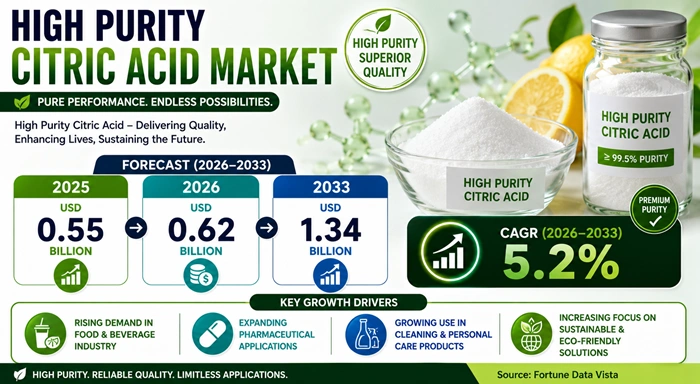
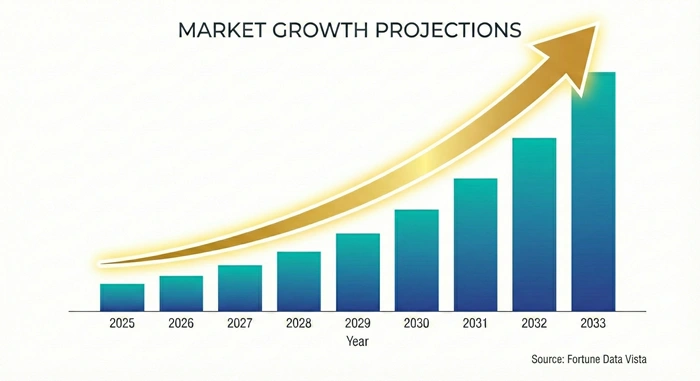
The global high purity citric acid market size is valued at USD 0.55 billion in 2025 and is predicted to increase from USD 0.62 billion in 2026 to approximately USD 1.34 billion by 2033, growing at a CAGR of 5.2% from 2026 to 2033.
This steady expansion is being driven by growing pharmaceutical manufacturing volumes, tighter quality regulations, and a sharp increase in demand for naturally derived, clean-label ingredients across food, beverage, personal care, and biotechnology sectors. High purity citric acid — typically defined as citric acid with purity levels of ≥99.0% — is becoming an essential ingredient for regulated industries that require consistent composition, minimal trace impurities, and compliance with international pharmacopeial standards.
AI Impact on the High Purity Citric Acid Industry
Artificial Intelligence Is Reshaping Fermentation Processes, Quality Control, and Demand Forecasting Across the Entire High Purity Citric Acid Value Chain*
Artificial intelligence is playing an increasingly meaningful role in the production and supply chain of high purity citric acid. Machine learning models are now being deployed to optimize fermentation parameters — such as pH levels, temperature, solvent ratios, and extraction timing — enabling producers to maximize citric acid yield while minimizing resource consumption and batch variability. AI-driven neural networks analyze complex experimental datasets and simulate hundreds of production scenarios simultaneously, allowing manufacturers to achieve ultra-high purity outputs that would have been difficult to guarantee through traditional manual processes. The result is better product consistency, reduced waste, and significantly faster time-to-market for specialty purity grades.
Beyond production, AI is reshaping how companies forecast demand, manage inventory, and price their products in a highly competitive specialty chemicals market. Predictive analytics platforms now process real-time market signals — including pharmaceutical pipeline data, food industry procurement cycles, and regulatory approval trends — to generate accurate demand projections. This allows manufacturers and distributors to avoid costly overproduction or supply shortages. In quality assurance, AI-powered inline monitoring systems detect impurity levels and deviations in crystallization in real time, enabling faster corrective action and reducing the risk of batch failures in regulated pharmaceutical and laboratory settings.
Growth Factors
Rising Pharmaceutical Production, Strict Quality Compliance, and Expanding Clean-Label Ingredient Demand Are the Core Pillars Driving Consistent Growth in the High Purity Citric Acid Market*
The most powerful growth driver in the high purity citric acid market is the sustained rise in global pharmaceutical manufacturing. Citric acid serves as a critical excipient in oral solid dosage forms, effervescent tablets, syrups, injectables, and topical applications. Its roles as a buffering agent, chelating compound, and pH stabilizer are well-established in drug formulation science. As the global prevalence of chronic diseases increases and pharmaceutical companies scale up generic drug production — especially in Asia Pacific, North America, and Europe — the need for rigorously purified, pharmacopeial-compliant citric acid continues to rise. Regulatory bodies such as the FDA and EMA have reinforced the importance of excipient quality standards, which directly strengthens the case for high-grade citric acid over standard food-grade alternatives.
A second equally important growth force is the global shift toward clean-label, naturally derived, and bio-based ingredients across food, personal care, and nutraceutical manufacturing. Consumers and brands alike are moving away from synthetic acidulants and preservatives in favor of materials that offer both functional performance and clean formulation credentials. High purity citric acid, derived through microbial fermentation of natural carbohydrate sources such as corn or molasses, fits this profile precisely. It is biodegradable, recognized as safe by international food regulatory bodies, and compatible with organic formulation requirements. The personal care industry, in particular, is expanding its use of citric acid in AHA skincare formulations, hair care products, and pH-balancing agents — a trend that is contributing meaningfully to demand growth across multiple high-value application segments.
Market Outlook
Regulatory Strengthening, Biotechnology Expansion, and Nutraceutical Innovation Are Positioning the High Purity Citric Acid Market for Sustainable Long-Term Growth Through 2033*
The long-term outlook for the high purity citric acid market is constructive and well-supported by structural demand trends. Europe currently leads the market with approximately 32% share, a position cemented by its advanced pharmaceutical manufacturing base, stringent quality regulations, and consumer preference for sustainable, traceable ingredients. Asia Pacific is the fastest-growing region, propelled by accelerating pharmaceutical output in China and India, expanding biotechnology research investment, and strong growth in food and beverage processing across Southeast Asia. Manufacturers in these regions are increasingly aligning with international pharmacopeial and food safety standards, which is broadening the addressable market for pharmaceutical- and reagent-grade citric acid.
Looking ahead, the biotechnology and laboratory use segment is expected to grow at the highest CAGR through 2033, driven by expanded cell culture research, molecular diagnostics, and life sciences investment globally. The nutraceuticals and functional food segment also presents a compelling growth opportunity, as citric acid's role as a natural acidulant, mineral bioavailability enhancer, and flavor modifier makes it highly relevant to the fast-growing functional nutrition category. Manufacturers who invest in advanced multi-stage crystallization and purification technologies, sustainable fermentation methods, and digital quality monitoring systems will be best positioned to capture premium pricing and long-term supply contracts in regulated end markets.
Expert Speaks
-
"At Cargill, we see a fundamental and lasting shift in how food and beverage manufacturers approach ingredient quality. The demand for high-purity, naturally sourced acidulants and preservatives is intensifying as clean-label formulations become the new standard — and we are investing aggressively in fermentation technology and sustainable production to meet this demand head-on across global markets." — David MacLennan, CEO, Cargill
-
"Tate & Lyle's strategic focus on specialty ingredients reflects our conviction that quality, compliance, and sustainability are the defining competitive dimensions of the next decade. Ingredient purity — particularly for applications in pharmaceuticals, functional foods, and personal care — will continue to be a critical differentiator, and we are committed to delivering consistent, certified quality to our customers worldwide." — Nick Hampton, CEO, Tate & Lyle PLC
-
"Merck's life science business recognizes that high-purity specialty chemicals, including reagent-grade acids and buffers, are the invisible backbone of modern biotechnology and pharmaceutical research. As laboratory infrastructure expands globally and clinical research accelerates, the need for analytical-grade inputs with rigorous quality certification will only grow stronger — and we are positioned to serve that need at scale." — Belén Garijo, CEO, Merck KGaA
Key Report Takeaways
-
Europe leads the global high purity citric acid market with approximately 32% revenue share in 2026, underpinned by a mature pharmaceutical manufacturing base, strict adherence to European Pharmacopoeia (Ph. Eur.) standards, advanced fermentation production capacity, and a strong consumer culture favoring clean-label, sustainably sourced ingredients.
-
Asia Pacific is the fastest-growing regional market, projected to expand at a CAGR of approximately 6.9% from 2026 to 2033, powered by rapid scale-up of pharmaceutical production in China and India, expanding biotechnology research infrastructure in Japan and South Korea, and rising food processing activity across Southeast Asia.
-
Pharmaceutical and healthcare manufacturers are the largest end-use consumers, accounting for approximately 38% of global high purity citric acid demand in 2025, driven by extensive use as a buffering agent, chelating compound, and pH stabilizer in oral solid dosage forms, injectables, effervescent preparations, and topical formulations.
-
The ≥99.5% Pharmaceutical Grade purity segment holds the dominant share at approximately 61% of market revenue in 2025, reflecting stringent pharmacopeial compliance requirements for drug manufacturing and the necessity for consistent, traceable excipient quality across regulated pharmaceutical production environments.
-
The Anhydrous Citric Acid form segment leads the market with approximately 56% share, preferred for its superior stability, low hygroscopicity, extended shelf life, and precise acidity control — qualities that make it the standard choice for pharmaceutical tablets, effervescent blends, and sensitive dry formulations.
-
The Biotechnology & Laboratory Use application segment is the fastest-growing, expected to expand at a CAGR of approximately 7.4% from 2026 to 2033, fueled by rising global investment in life sciences research, expanded cell culture media manufacturing, molecular diagnostics, and demand for high-grade reagents in analytical and clinical laboratory environments.
-
The Nutraceuticals & Functional Foods end-use segment is the fastest-growing end-use category, projected to grow at a CAGR of approximately 7.1% through 2033, driven by growing consumer preference for mineral supplement bioavailability, clean-label functional foods, and dietary supplement formulations that rely on food-grade citric acid with high purity certifications.
Market Scope
| Parameter | Details |
|---|---|
| Market Size by 2033 | USD 1.34 Billion | Market Size by 2026 | USD 0.62 Billion | Market Size by 2025 | USD 0.55 Billion | Market Growth Rate from 2026 to 2033 | CAGR of 5.2% | Dominating Region | Europe | Fastest Growing Region | Asia Pacific | Segments Covered | By Form, By Purity Grade, By Application, By End-Use Industry, By Distribution Channel | Regions Covered | North America, Europe, Asia Pacific, Latin America, Middle East & Africa |
Market Dynamics
Drivers Impact Analysis
Expanding Pharmaceutical Manufacturing, Tightening Quality Regulations, and Accelerating Biotechnology Research Are the Structural Forces Sustaining Demand Growth in the High Purity Citric Acid Market*
| Driver | ≈ % Impact on CAGR Forecast | Geographic Relevance | Impact Timeline |
|---|---|---|---|
| Expanding pharmaceutical production & excipient demand | ~38% | Europe, North America, Asia Pacific | Short to Long Term |
| Stringent quality regulations & pharmacopeial compliance | ~28% | EU, US, Japan | Short to Long Term |
| Growth in biotechnology & life sciences research | ~18% | North America, Europe, South Korea | Medium to Long Term |
| Rising demand for clean-label & bio-based ingredients | ~10% | Europe, North America | Medium Term |
| Expansion of nutraceuticals & functional food sector | ~6% | Global | Short to Medium Term |
The dominant driver behind high purity citric acid market growth is the rapid and sustained expansion of global pharmaceutical manufacturing. The increasing prevalence of chronic diseases — including diabetes, cardiovascular conditions, and respiratory disorders — is translating directly into higher demand for generic and branded drug production worldwide. Citric acid with ≥99.5% purity plays a non-negotiable role as a buffering agent, preservative, and stability enhancer in oral solid dosage forms, syrups, injectables, and effervescent preparations. As pharmaceutical companies in India, China, and Europe expand manufacturing capacity, the requirement for pharmacopeial-grade excipients with consistent purity profiles intensifies correspondingly.
Stringent and evolving regulatory frameworks governing food safety, pharmaceutical excipient quality, and laboratory reagent standards represent a second powerful structural driver. Regulatory bodies such as the FDA, EMA, and national pharmacopeial authorities have tightened impurity thresholds and traceability requirements for excipients used in drug manufacturing. This directly incentivizes pharmaceutical manufacturers to source only verified high-purity citric acid with documented batch consistency, low trace metal levels, and full compliance with USP, Ph. Eur., and FCC specifications. As regulatory audits become more rigorous globally, the premium for documented quality compliance in specialty ingredients like high purity citric acid continues to strengthen, creating durable demand that is unlikely to reverse.
Restraints Impact Analysis
Competition from Alternative Acidulants, High Production Costs, and Feedstock Volatility Pose Meaningful Constraints on Market Expansion in the High Purity Citric Acid Industry*
| Restraint | ≈ % Impact on CAGR Forecast | Geographic Relevance | Impact Timeline |
|---|---|---|---|
| Competition from alternative acidulants (lactic, malic, acetic acid) | ~40% | Global — cost-sensitive markets | Short to Medium Term |
| High capital investment in purification infrastructure | ~30% | Emerging markets, smaller manufacturers | Medium to Long Term |
| Feedstock and fermentation input cost volatility | ~20% | Asia Pacific, Latin America | Short to Medium Term |
| Complex regulatory compliance costs | ~10% | EU, North America | Short to Medium Term |
One of the most meaningful constraints on the growth of the high purity citric acid market is the intense competition from lower-cost alternative acidulants and preservatives, including lactic acid, malic acid, acetic acid, and tartaric acid. Many of these alternatives are cheaper to produce or source, and in cost-sensitive market segments — particularly food and beverage processing in developing economies — buyers often opt for these substitutes rather than investing in higher-purity citric acid grades. This is particularly notable in markets where regulatory enforcement of purity and ingredient transparency is less stringent, limiting the market addressable by premium-grade citric acid.
Capital intensity is another significant constraint that shapes the competitive dynamics of the high purity citric acid market. Producing ≥99.5% and ≥99.8% purity grades requires advanced multi-stage crystallization and purification systems, stringent quality control laboratories, and ongoing validation infrastructure — all of which represent substantial fixed and operating costs. Smaller regional manufacturers often struggle to build and sustain the capital infrastructure needed to compete in pharmaceutical- and reagent-grade segments, effectively limiting the competitive field to a moderate number of well-capitalized, technically sophisticated producers. Feedstock price volatility — particularly for carbohydrate sources like corn and molasses used in fermentation — further compresses margins and creates supply chain planning challenges for producers operating across multiple end markets.
Opportunities Impact Analysis
Personalized Nutrition, Ultra-High Purity Grade Innovation, Sustainable Production Methods, and E-Commerce Procurement Platforms Are Creating High-Value Growth Pathways for the High Purity Citric Acid Market*
| Opportunity | ≈ % Impact on CAGR Forecast | Geographic Relevance | Impact Timeline |
|---|---|---|---|
| Nutraceuticals, functional foods & medical nutrition expansion | ~35% | North America, Europe, Asia Pacific | Short to Medium Term |
| Innovation in ultra-high purity grades & custom specifications | ~28% | Europe, North America, Japan | Medium to Long Term |
| Sustainable & bio-based fermentation process investment | ~22% | Global | Medium to Long Term |
| Online B2B procurement & specialty chemicals e-commerce | ~15% | Global — especially Asia Pacific | Short to Medium Term |
The nutraceutical and medical nutrition sector represents one of the most compelling near-term growth opportunities for manufacturers operating in the high purity citric acid market. High-purity citric acid is increasingly being incorporated into mineral supplement formulations, clinical nutrition products, sports nutrition drinks, and functional food applications — where it serves as both a flavor modifier and a natural mineral bioavailability enhancer. The global functional food market is growing at above-average rates, and as brands seek clean, natural, and regulatory-safe ingredients for these formulations, demand for food-grade citric acid with high purity certifications is expected to accelerate meaningfully through 2033.
On the production and technology side, manufacturers who invest in advanced fermentation efficiency improvements, downstream purification technology, and sustainable waste minimization will be well positioned to capture premium market segments and meet the growing sustainability expectations of pharmaceutical and food industry buyers. Bio-based extraction processes using specialized microbial strains, membrane filtration, and ion exchange systems are enabling consistently higher purity outputs with reduced energy and water consumption. These process innovations not only improve competitiveness but also align with the environmental, social, and governance (ESG) expectations that increasingly influence procurement decisions among multinational pharmaceutical and food companies — a dynamic that is actively reshaping supplier selection criteria across Europe and North America.
Segment Analysis
By Form: Anhydrous Citric Acid
Anhydrous Citric Acid Holds a Dominant Position in the Global Market, Driven by Superior Stability, Precision Dosing Requirements, and Broad Pharmaceutical-Grade Application Versatility*
Anhydrous citric acid commands the leading share in the high purity citric acid market by form, accounting for approximately 56% of total revenue in 2025. Its dominance stems from a combination of practical performance advantages that are particularly valued in pharmaceutical and dry formulation manufacturing. The anhydrous form exhibits superior physical and chemical stability compared to monohydrate variants, with a low hygroscopicity that prevents moisture absorption during processing and storage — a critical requirement for tablet manufacturing, effervescent blends, and dry-mix pharmaceutical preparations. Its precisely defined crystalline structure ensures consistent weight and dosing in sensitive pharmaceutical applications, and its compatibility with a wide range of active pharmaceutical ingredients (APIs) has made it a preferred excipient across oral solid dosage, injectable, and effervescent drug product manufacturing. Major pharmaceutical excipient suppliers including Jungbunzlauer Suisse AG, Cargill, and COFCO Biochemical have built their anhydrous-grade product lines to meet the exacting requirements of international pharmacopeias including USP, Ph. Eur., and JP.
Asia Pacific is emerging as the fastest-growing region for anhydrous citric acid consumption, driven by the rapid expansion of pharmaceutical contract manufacturing organizations (CMOs) in India and China that supply both domestic and export drug markets. India alone is home to over 3,000 FDA-registered pharmaceutical manufacturing facilities, creating a substantial and growing demand base for pharmacopeial-grade excipients. Meanwhile, Japan and South Korea represent high-value specialty demand centers where anhydrous grades are used in advanced drug delivery systems and precision diagnostics. The anhydrous segment is projected to maintain its market leadership through 2033 as pharmaceutical production volumes continue to scale across Asia and as international quality harmonization drives greater adoption of pharmacopeial specifications across emerging market manufacturers.
By Application: Pharmaceuticals
The Pharmaceuticals Application Segment Dominates Demand, Reflecting the Non-Negotiable Role of High-Purity Citric Acid in Drug Safety, Stability, and Regulatory Compliance*
The pharmaceuticals segment holds the largest share of the high purity citric acid market by application, contributing approximately 38% of global demand in 2025. This dominance is firmly grounded in the chemical properties of high-purity citric acid that make it uniquely valuable across multiple pharmaceutical use cases. As a buffering agent, it maintains the precise pH conditions required for drug stability and controlled dissolution — qualities that are especially critical in oral liquid formulations, injectable preparations, and extended-release dosage forms. As a chelating agent, it binds trace metal ions that could otherwise catalyze drug degradation, extending shelf life and ensuring consistent efficacy. Its regulatory acceptance by both the FDA and EMA as a pharmaceutical excipient, combined with its established safety record, means that it is embedded across a vast range of established and new drug formulations worldwide. Companies such as Sigma-Aldrich (Merck), Thermo Fisher Scientific, and Jungbunzlauer are key suppliers to pharmaceutical manufacturers requiring fully certified and batch-documented pharmaceutical-grade citric acid.
The pharmaceuticals segment is projected to grow at a CAGR of approximately 5.8% from 2026 to 2033, with the fastest regional growth expected in Asia Pacific as India and China continue to scale up generic drug output and align with international quality standards. The biotechnology and laboratory use sub-segment — while currently smaller — is expected to overtake food and beverage as the second-largest application by 2030, fueled by rising investment in cell culture media, gene therapy manufacturing, and next-generation diagnostic reagent development. In Europe and North America, premium pharmaceutical segment growth is being further supported by the expansion of biologics and specialty medicine manufacturing, which places the highest demands on excipient purity and traceability. For manufacturers of high purity citric acid, the pharmaceutical segment will remain the most strategically important and highest-margin application through 2033 and beyond.
Regional Insights
Europe: The Global Market Leader Anchored by Pharma Excellence and Regulatory Rigor
Europe Dominates the High Purity Citric Acid Market with the Largest Revenue Share, Backed by a World-Class Pharmaceutical Manufacturing Ecosystem and the Strictest Quality Standards Globally*
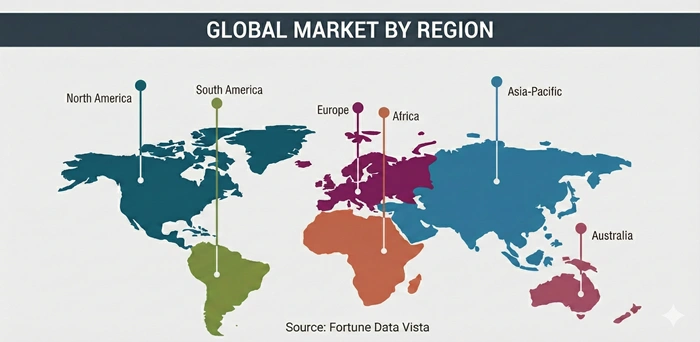
Europe holds the dominant position in the global high purity citric acid market, commanding approximately 32% of global revenue in 2026, and is expected to grow at a CAGR of 6.2% through 2033. This leadership is rooted in Europe's world-class pharmaceutical manufacturing infrastructure, particularly in Germany, France, the United Kingdom, Italy, and Spain, where large volumes of generic and specialty medicines require rigorously purified excipients that conform to European Pharmacopoeia (Ph. Eur.) standards. Regulatory frameworks — including Annex II of Regulation (EC) No 1333/2008 governing food additive use and EFSA's strict purity criteria — create a consistent institutional demand for high-grade citric acid that reinforces supplier quality standards across the entire supply chain. Leading European players such as Citrique Belge NV (Belgium), Jungbunzlauer Suisse AG (Switzerland), and Tate & Lyle PLC (UK) have established strong market positions through decades of investment in fermentation technology and quality assurance systems.
Beyond pharmaceuticals, Europe's food processing, cosmetics, and biotechnology sectors add meaningful depth to regional demand. The growing consumer preference for clean-label and organic food formulations is driving increased use of certified high-purity citric acid as a natural preservative and acidulant in premium food products across Germany, France, and the Nordic markets. The personal care industry in Europe is also expanding its use of high-purity citric acid in AHA-based skincare formulations, pH-adjusting agents, and sustainable cleaning products. European manufacturers are at the forefront of sustainable fermentation technology investment — including bio-based raw material sourcing and water-efficient crystallization processes — which is strengthening their competitive position against lower-cost Asian producers and aligning their output with the rising ESG expectations of global pharmaceutical and food customers.
Asia Pacific: The Fastest-Growing Region Reshaping the Global Supply and Demand Landscape
Asia Pacific Is Rapidly Accelerating as the Most Dynamic Growth Market for High Purity Citric Acid, Fueled by Pharmaceutical Expansion, Biotechnology Investment, and Rising Quality Standards Across China, India, and Japan*
Asia Pacific is the fastest-growing regional market in the high purity citric acid industry, projected to expand at a CAGR of approximately 6.9% from 2026 to 2033, outpacing all other global regions. The region currently accounts for approximately 31% of global market share in 2026 and is expected to significantly close the gap with Europe over the forecast period. China and India are the twin engines of this growth, both as large-scale producers of fermentation-based citric acid and as rapidly expanding consumers of pharmaceutical- and food-grade high purity variants. China's government-backed initiatives to upgrade pharmaceutical manufacturing quality toward international standards have accelerated adoption of higher purity excipients, while India's status as the world's largest producer of generic drugs creates a massive and growing demand base for pharmacopeial-compliant citric acid. Key companies active in Asia Pacific include COFCO Biochemical (AnHui) Co., Ltd., RZBC Group Co., Ltd., TTCA Co., Ltd., and Weifang Ensign Industry Co., Ltd.
Japan and South Korea represent the high-precision end of the Asia Pacific high purity citric acid market, where demand is concentrated in analytical laboratory applications, advanced drug formulation, biotechnology research, and specialty personal care manufacturing. Japan's aging population is also driving above-average growth in medical nutrition and nutraceutical formulations, both of which rely on food-grade citric acid with high purity certifications. Strategic collaborations between regional manufacturers and international partners are accelerating technology transfer and quality system improvements across Asia Pacific, supporting broader adoption of internationally certified purity grades. As the region's regulatory alignment with USP and Ph. Eur. standards deepens, and as pharmaceutical contract manufacturing continues to scale, Asia Pacific is on course to become the world's dominant high purity citric acid market by the mid-2030s.
Top Key Players
-
Jungbunzlauer Suisse AG (Switzerland)
-
Cargill, Inc. (United States)
-
Tate & Lyle PLC (United Kingdom)
-
Gadot Biochemical Industries (Israel)
-
Weifang Ensign Industry Co., Ltd. (China)
-
COFCO Biochemical (AnHui) Co., Ltd. (China)
-
RZBC Group Co., Ltd. (China)
-
Citrique Belge NV (Belgium)
-
TTCA Co., Ltd. (China)
-
Bartek Ingredients Inc. (Canada)
-
Lemon Biochemical Co., Ltd. (China)
-
Sigma-Aldrich (Merck KGaA) (Germany)
-
Thermo Fisher Scientific (United States)
-
MP Biomedicals (United States)
Recent Developments
-
In January 2025, Brenntag Pharma significantly expanded its distribution agreement with Citrique Belge (Citribel), extending coverage to key new markets including Israel, Turkey, and South Africa in addition to existing markets across France, Spain, Germany, and Benelux for pharmaceutical-grade citric acids and citrates, substantially strengthening its global life sciences distribution reach.
-
In November 2024, Jungbunzlauer Suisse AG established a collaborative research agreement with the Technical University of Vienna to fund the new Christian Doppler Laboratory, focused specifically on advancing citric acid fermentation efficiency through next-generation fungal strain optimization, positioning the company for long-term production quality and yield improvements.
-
In August 2024, CloroxPro launched its new EcoClean Disinfecting Wipes, which use citric acid as the active disinfecting ingredient alongside a plant-based cloth substrate — a development that signals broader commercial acceptance of high-purity citric acid in professional cleaning and sanitization applications beyond traditional food and pharmaceutical contexts.
-
In June 2024, Tate & Lyle PLC completed the strategic acquisition of CP Kelco, a major specialty hydrocolloids and pectin producer, a move that not only expanded Tate & Lyle's clean-label ingredient portfolio but also reinforced its strategic commitment to naturally derived, precision-grade specialty ingredients — a positioning directly aligned with the premium high purity citric acid market.
-
In May 2025, RZBC Group Co., Ltd. announced capacity expansion investments at its Rizhao, China manufacturing facility, increasing pharmaceutical-grade citric acid production output to serve the growing demand from domestic Chinese pharmaceutical manufacturers and export customers in Europe and North America.
Market Trends
Bio-Based Fermentation Innovation, Ultra-High Purity Grade Customization, and Digital Procurement Platforms Are Defining the Next Competitive Frontier in the High Purity Citric Acid Market*
One of the most defining trends reshaping the high purity citric acid market is the accelerating investment in sustainable, bio-based fermentation technologies for citric acid production. Manufacturers are developing and scaling processes that use optimized fungal strains — primarily Aspergillus niger — with improved carbohydrate conversion efficiency, combined with downstream ion exchange, membrane filtration, and multi-stage crystallization systems that achieve higher purity outputs with reduced energy and water consumption. This shift is being driven both by cost optimization imperatives and by the growing ESG scrutiny of ingredient procurement practices among pharmaceutical and food multinational customers. Producers who can demonstrate reduced carbon footprint, responsible raw material sourcing, and transparent process documentation are increasingly gaining preferential supplier status in regulated market segments.
A second prominent trend is the growing demand for custom purity grades and application-specific citric acid formulations. Major pharmaceutical and biotechnology customers are increasingly moving away from standard off-the-shelf purity specifications and requesting customized impurity profiles, particle size distributions, and batch documentation packages tailored to their specific process or regulatory requirements. This trend is particularly strong in Europe and North America, where pharmacopeial compliance and batch traceability are non-negotiable. It is creating meaningful opportunities for specialty producers with advanced analytical capability and flexible manufacturing systems to differentiate themselves on technical expertise rather than price alone — a dynamic that is gradually shifting the competitive basis in the high purity citric acid market from commodity pricing to application-specific value-add.
Segments Covered in the Report
-
By Form:
-
Anhydrous Citric Acid
-
Monohydrate Citric Acid
-
Liquid Citric Acid
-
-
By Purity Grade:
-
≥99.5% Pharmaceutical Grade
-
≥99.8% Laboratory/Reagent Grade
-
99.0%–99.5% Food/Feed Grade with High Purity Certifications
-
-
By Application:
-
Pharmaceuticals
-
Food & Beverages
-
Cosmetics & Personal Care
-
Biotechnology & Laboratory Use
-
Medical Nutrition & Nutraceuticals
-
Industrial & Specialty Chemicals
-
-
By End-Use Industry:
-
Pharmaceutical & Healthcare
-
Food & Beverage Manufacturing
-
Cosmetics & Personal Care
-
Biotechnology & Research Institutions
-
Chemical & Industrial Processing
-
Nutraceuticals & Functional Foods
-
-
By Distribution Channel:
-
Direct (Industrial Supply Contracts)
-
Distributors & Ingredient Suppliers
-
Online B2B/E-Commerce Platforms
-
-
By Region:
-
North America (U.S., Canada, Mexico)
-
Europe (Germany, France, UK, Italy, Spain, Rest of Europe)
-
Asia Pacific (China, India, Japan, South Korea, Australia, Indonesia, Rest of Asia Pacific)
-
Latin America (Brazil, Argentina, Rest of Latin America)
-
Middle East & Africa (GCC Countries, South Africa, Rest of MEA)
-
"Built for Every Level — From Startups to Industry Giants"
Here Is Exactly How This Report Works for You
-
For Tier 1 companies, institutional investors, and senior strategy executives, this report delivers detailed competitor revenue analysis, revenue source breakdowns by segment and region, and an in-depth assessment of how geopolitical factors — including China supply chain concentration, EU regulatory changes, and US pharmaceutical reshoring trends — are reshaping the high purity citric acid industry, equipping your leadership with the intelligence needed to make confident capital allocation and market positioning decisions in a rapidly evolving competitive landscape.
-
For Tier 2 and Tier 3 manufacturers, specialty chemicals distributors, and mid-market ingredient suppliers, this report provides granular segment-level demand forecasts, pricing trend analysis, and supply-demand balance data that reveal where the most profitable white-space opportunities exist across purity grade, form, and application categories — helping you align your product development and distribution investments with the highest-growth pockets of the market.
-
For startups, research institutions, emerging biotech companies, and new market entrants, this report delivers actionable regulatory landscape intelligence, detailed consumer preference data across pharmaceutical and food end markets, and a clear map of underserved regional demand centers — giving your team the strategic clarity to allocate resources effectively, attract investor interest, and build a credible and defensible market entry position in the competitive high purity citric acid industry.
Frequently Asked Questions:
Answer: The global high purity citric acid market is valued at USD 0.55 billion in 2025 and is projected to reach USD 1.34 billion by 2033. It is expected to grow at a CAGR of 5.2% from 2026 to 2033, supported by rising pharmaceutical production and clean-label ingredient demand.
Answer: Europe leads the high purity citric acid market with approximately 32% revenue share in 2026, driven by its advanced pharmaceutical manufacturing base and strict pharmacopeial compliance requirements. Companies such as Jungbunzlauer, Citrique Belge, and Tate & Lyle are key contributors to this regional leadership.
Answer: The main growth drivers include expanding pharmaceutical and biotechnology manufacturing globally, tightening regulatory standards for excipient quality, and rising demand for clean-label bio-based ingredients in food and personal care sectors. Increasing investment in life sciences research and medical nutrition is also contributing to accelerating demand.
Answer: The ≥99.5% pharmaceutical grade segment dominates with approximately 61% of market revenue in 2025, reflecting the stringent excipient quality requirements of pharmaceutical drug manufacturing. This grade is essential for ensuring drug bioavailability, pH stability, and compliance with USP and Ph. Eur. pharmacopeial specifications.
Answer: Key players in the high purity citric acid market include Jungbunzlauer Suisse AG, Cargill Inc., Tate & Lyle PLC, Citrique Belge NV, COFCO Biochemical, RZBC Group, Sigma-Aldrich (Merck), and Thermo Fisher Scientific. These companies compete on product purity, regulatory certification, batch consistency, and long-term supply contract reliability.