
Ibuprofen Market Overview
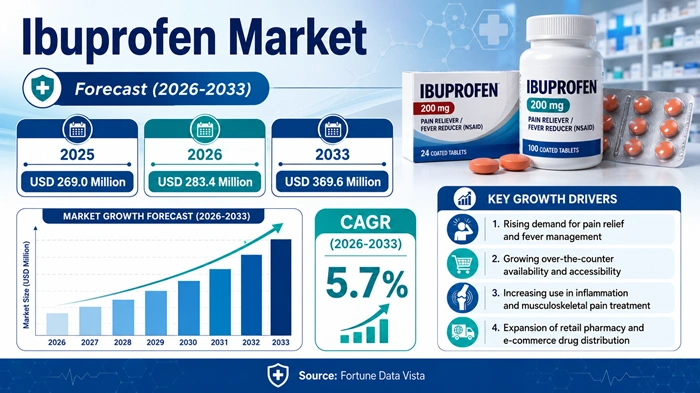
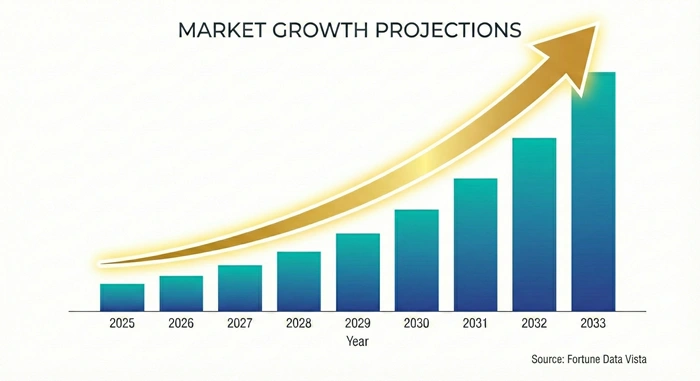
The global ibuprofen market size is valued at USD 269.0 million in 2025 and is predicted to increase from USD 283.4 million in 2026 to approximately USD 369.6 million by 2033, growing at a CAGR of 5.7% from 2026 to 2033.
This steady growth is supported by ibuprofen's deeply entrenched position as one of the world's most widely used over-the-counter (OTC) and prescription nonsteroidal anti-inflammatory drugs (NSAIDs), its broad therapeutic applicability across pain management, fever reduction, and inflammatory conditions, and the ongoing growth of global pharmaceutical OTC markets driven by self-medication trends, aging populations, and rising musculoskeletal disease prevalence. As both a branded and generic pharmaceutical product, ibuprofen benefits from universal consumer recognition, consistent retail demand, and expanding clinical use across a widening range of acute and chronic therapeutic settings globally.
AI Impact on the Ibuprofen Industry
Artificial Intelligence Is Reshaping Ibuprofen Manufacturing Process Optimization, Formulation Development, Supply Chain Risk Management, and Pharmacovigilance Surveillance Across the Global Ibuprofen Market*
Artificial intelligence is beginning to play a meaningful and growing role in the ibuprofen market — primarily through its application in pharmaceutical manufacturing process optimization, drug formulation research, and supply chain management. AI-powered process analytical technology (PAT) systems are being deployed in ibuprofen active pharmaceutical ingredient (API) manufacturing facilities to monitor reaction parameters, optimize crystallization conditions, and predict batch quality outcomes in real time — enabling manufacturers to reduce API production costs, minimize batch failures, and improve the consistency and purity of ibuprofen raw material output. Companies including BASF SE, Solara Active Pharma Sciences, and Ibuprofen Synthesis Ltd. are incorporating machine learning-based process control tools that analyze thousands of data points per manufacturing run to identify optimization opportunities that human operators cannot detect at equivalent speed or consistency.
In pharmaceutical formulation research, AI-driven molecular modeling and predictive pharmacokinetics platforms are accelerating the development of novel ibuprofen delivery systems — including extended-release formulations, topical nanoparticle delivery systems, and fixed-dose combination products that pair ibuprofen with other therapeutic agents for enhanced clinical outcomes in pain management and inflammatory disease treatment. Drug repurposing AI tools are also exploring ibuprofen's potential in conditions beyond its established indications — including Alzheimer's disease prevention, certain cancer prevention applications, and COVID-19 treatment research — identifying new evidence-based application areas that could expand the ibuprofen market's addressable patient population significantly beyond its current therapeutic footprint.
Growth Factors
Rising Global Self-Medication Culture, Growing OTC Pharmaceutical Market Expansion, Increasing Prevalence of Musculoskeletal and Inflammatory Conditions, and the Aging Global Population Are the Primary Growth Engines of the Ibuprofen Market*
The most powerful structural growth driver in the ibuprofen market is the global expansion of self-medication and OTC pharmaceutical consumption, which is being driven by a combination of rising healthcare costs, increasing consumer health literacy, and the growing preference for convenient, accessible over-the-counter solutions for mild-to-moderate pain, fever, and inflammatory conditions. Ibuprofen is uniquely positioned within this self-medication trend — as the OTC NSAID with the best-established consumer safety and efficacy profile, available in multiple dosage forms including tablets, liquid gels, oral suspensions, and topical formulations, and priced at highly accessible levels across retail, pharmacy, and e-commerce channels globally. The expansion of organized retail pharmacy chains, e-commerce pharmaceutical sales, and OTC drug accessibility programs in developing economies is continuously bringing ibuprofen within reach of new consumer populations who previously lacked convenient access to modern pain management products.
The second critical growth driver is the rising global prevalence of musculoskeletal conditions, inflammatory diseases, and chronic pain disorders associated with aging populations and modern lifestyle factors. Osteoarthritis, rheumatoid arthritis, lower back pain, and musculoskeletal injuries are among the fastest-growing chronic disease categories globally — driven by population aging, sedentary work behaviors, obesity prevalence, and increasing physical activity participation that generates sports-related injury demand. Ibuprofen remains one of the first-line pharmacological recommendations for these conditions across major international clinical practice guidelines, and the expanding global burden of arthritis and musculoskeletal pain is directly translating into growing population-level ibuprofen consumption. The growing dental care market and rising menstrual pain awareness among young women globally are also expanding the demand base for ibuprofen formulations across developing and emerging market economies.
Market Outlook
OTC Market Expansion in Emerging Economies, Novel Formulation Innovation, and E-Commerce Channel Growth Are Creating Durable Long-Term Growth Pathways for the Ibuprofen Market Through 2033*
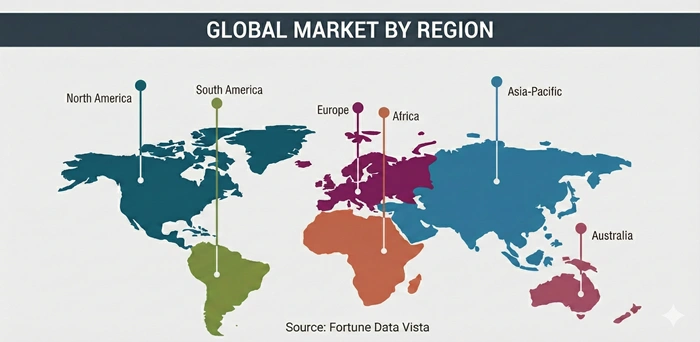
The long-term outlook for the ibuprofen market is stable and consistently positive, anchored by the drug's status as a World Health Organization (WHO) Essential Medicine and its irreplaceable role in global pain management, anti-inflammatory therapy, and fever reduction. North America currently leads the global market, driven by high OTC drug consumption per capita, a mature pharmaceutical retail infrastructure, and broad consumer familiarity with ibuprofen as the preferred non-prescription analgesic across pain management applications. Europe maintains the second-largest regional market, where ibuprofen is heavily embedded in both OTC and prescription frameworks across Germany, France, the UK, Italy, and Spain — markets where ibuprofen competes with paracetamol and diclofenac for analgesic market share across pharmacy and retail channels.
Asia Pacific presents the most significant long-term market growth opportunity, where expanding middle-class populations, improving pharmacy retail infrastructure, rising OTC pharmaceutical awareness, and government health initiatives promoting evidence-based self-medication are creating favorable conditions for ibuprofen market penetration across China, India, Southeast Asia, and other developing economies. The emergence of e-commerce as a mainstream pharmaceutical distribution channel — with consumers in urban India, China, and Southeast Asia purchasing OTC medications through platforms including Amazon Pharmacy, Netmeds, 1mg, and JD Health — is dramatically expanding the distribution reach and purchase convenience of ibuprofen products beyond traditional brick-and-mortar pharmacy channels. Formulation innovation — including long-acting extended-release ibuprofen for chronic pain management, ibuprofen-paracetamol combination products, and topical ibuprofen gel formulations for localized joint and muscle pain — is also creating meaningful product differentiation opportunities that support premium pricing and growth within otherwise commoditized generic-dominated market segments.
Expert Speaks
-
"Pfizer Consumer Healthcare continues to invest in ibuprofen brand development and formulation innovation across our Advil portfolio — recognizing that the ibuprofen market remains one of the most consistent and resilient segments in global OTC healthcare. Consumer demand for effective, fast-acting pain relief solutions that can be used safely without a prescription is growing globally, and we are committed to meeting that demand with trusted, evidence-based ibuprofen products in formats and strengths that serve the full breadth of consumer pain management needs." — Albert Bourla, CEO, Pfizer Inc.
-
"Johnson & Johnson's consumer health division views the ibuprofen analgesic market as a core strategic segment, where deep brand equity, retail distribution excellence, and continuous product format innovation are the keys to sustained growth. The self-medication trend is a lasting structural change in how consumers approach everyday health management, and ibuprofen remains the backbone of the OTC anti-inflammatory and pain relief category globally — a position we expect to strengthen as healthcare access expands in emerging markets and as novel formulations extend ibuprofen's clinical utility." — Joaquin Duato, CEO, Johnson & Johnson
-
"Reckitt Benckiser's Nurofen brand continues to lead the ibuprofen consumer health market in multiple key markets globally — and we see significant runway ahead as consumer understanding of ibuprofen's safety and efficacy for targeted pain types grows and as our innovation pipeline delivers new delivery formats that make Nurofen even more accessible and effective for the conditions where ibuprofen's anti-inflammatory mechanism provides meaningful advantages over alternative analgesics." — **Kris Licht, CEO, Reckitt Benckiser Group plc*
Key Report Takeaways
-
North America leads the global ibuprofen market with approximately 39.4% of global revenue share in 2025, driven by the highest per-capita OTC analgesic consumption globally, an established pharmaceutical retail ecosystem with deep ibuprofen product portfolio breadth across store brand and branded tiers, high consumer awareness of ibuprofen as a safe and effective OTC anti-inflammatory and analgesic, and the strong commercial presence of leading brand owners including Pfizer (Advil), Reckitt Benckiser (Advil Canada), Procter & Gamble, and Johnson & Johnson across North American retail pharmacy and mass-market retail channels.
-
Asia Pacific is the fastest-growing regional market in the ibuprofen market, projected to expand at a CAGR of approximately 5.5% from 2026 to 2033, driven by expanding OTC pharmaceutical retail infrastructure, rising health literacy and self-medication adoption among growing middle-class populations in China and India, increasing pharmaceutical manufacturing capacity in India and China supporting domestic consumption growth, and the expansion of e-commerce pharmaceutical channels that are improving ibuprofen accessibility in secondary and tertiary cities across the region.
-
Tablets and caplets are the dominant product form segment, contributing approximately 49.6% of global ibuprofen market revenue in 2025, reflecting consumer and pharmacist preference for convenient, precisely dosed, widely available oral solid dosage forms that are produced at scale by hundreds of generic manufacturers globally and available at highly accessible price points across all retail and pharmacy channels.
-
Pain management is the dominant application segment, accounting for approximately 58.4% of total application revenue in 2025, driven by ibuprofen's established first-line recommendation status for mild-to-moderate pain across clinical practice guidelines covering headache, musculoskeletal pain, dental pain, sports injuries, postoperative pain, and menstrual dysmenorrhea — the broadest application breadth of any single OTC analgesic drug class globally.
-
OTC ibuprofen is the dominant product type, holding approximately 72.3% of global market revenue in 2025 and growing consistently as healthcare systems and regulatory agencies globally continue to expand OTC reclassification of ibuprofen formulations and increase approved OTC dosage strengths — trends that are expanding consumer-accessible pain management options without prescription requirements in multiple regional markets.
-
E-commerce and online pharmacy is the fastest-growing distribution channel, projected to grow at a CAGR of approximately 7.2% from 2026 to 2033, driven by smartphone-enabled medication purchasing, rapid delivery infrastructure expansion in major cities globally, subscription-based OTC medication services, and consumer preference for the price transparency and convenience of online pharmaceutical purchasing platforms in North America, Europe, and Asia Pacific.
-
Topical ibuprofen formulations represent the fastest-growing product form segment within the ibuprofen market, expected to expand at a CAGR of approximately 6.8% from 2026 to 2033, as growing consumer and clinical interest in localized pain management solutions without systemic side effects drives adoption of ibuprofen gels, creams, and spray products for joint pain, sports injuries, and localized musculoskeletal inflammation management.
Market Scope
| Parameter | Details |
|---|---|
| Market Size by 2033 | USD 369.6 Million | Market Size by 2026 | USD 283.4 Million | Market Size by 2025 | USD 269.0 Million | Market Growth Rate from 2026 to 2033 | CAGR of 5.7% | Dominating Region | North America | Fastest Growing Region | Asia Pacific | Segments Covered | By Product Form, By Type, By Application, By End User, By Distribution Channel | Regions Covered | North America, Europe, Asia Pacific, Latin America, Middle East & Africa |
Market Dynamics
Drivers Impact Analysis
Global Self-Medication Growth, Rising OTC Pharma Accessibility in Emerging Markets, Expanding Musculoskeletal Disease Burden, and Multi-Channel Retail Distribution Are the Core Structural Forces Propelling the Ibuprofen Market*
| Driver | ≈ % Impact on CAGR Forecast | Geographic Relevance | Impact Timeline |
|---|---|---|---|
| Rising self-medication culture and OTC pharmaceutical market expansion | ~34% | Global — especially Asia Pacific, Latin America | Short to Long Term |
| Growing musculoskeletal disease and chronic pain prevalence | ~26% | Global — especially North America, Europe | Short to Long Term |
| Aging global population driving anti-inflammatory demand | ~22% | North America, Europe, Asia Pacific | Short to Long Term |
| E-commerce and digital pharmacy channel expansion | ~12% | Asia Pacific, North America, Europe | Short to Long Term |
| Generic drug market growth lowering price barriers | ~6% | Emerging markets globally | Short to Medium Term |
The self-medication revolution is the most important structural driver reshaping the ibuprofen market on a global scale. Rising healthcare costs are motivating consumers in developed economies to manage routine pain, fever, and inflammatory conditions independently using OTC medications rather than seeking physician consultations — and ibuprofen is the beneficiary of this behavioral shift across virtually every major consumer demographic. In the United States, retail pharmacies including CVS, Walgreens, and Walmart generate enormous ibuprofen sales volumes across branded lines including Advil and private-label store brand formulations, while in the United Kingdom, supermarket-integrated pharmacies and major chains including Boots, Lloyds Pharmacy, and Tesco carry broad ibuprofen product portfolios that generate consistent consumer purchase volumes across all seasons and demographics.
The second major driver — the global growth in musculoskeletal conditions and inflammatory disease burden — is generating durable structural ibuprofen demand that is expected to intensify through 2033 as the global population ages and as lifestyle-related musculoskeletal risk factors including obesity, sedentary work, and increased sports participation generate growing pain management demand. The WHO estimates that over 1.71 billion people globally are affected by musculoskeletal conditions — the majority of whom rely on NSAIDs including ibuprofen as their primary pharmacological pain management tool. As this population grows and as awareness of arthritis, sports injury, and chronic back pain treatment options expands across developing economies, ibuprofen market demand will continue to grow consistently across both OTC and prescription channels globally.
Restraints Impact Analysis
Safety Concerns Over NSAID Gastrointestinal and Cardiovascular Risk, Market Saturation in Developed Economies, Generic Price Erosion, and Competition From Alternative Analgesics Are the Primary Challenges Constraining Faster Ibuprofen Market Growth*
| Restraint | ≈ % Impact on CAGR Forecast | Geographic Relevance | Impact Timeline |
|---|---|---|---|
| Safety concerns over GI, cardiovascular, and renal side effects | ~42% | Global — especially in elderly consumers | Short to Long Term |
| Intense generic competition and price erosion in standard formulations | ~30% | North America, Europe, Asia Pacific | Short to Long Term |
| Competition from paracetamol and other alternative analgesics | ~18% | Europe, Asia Pacific | Short to Medium Term |
| Market saturation limiting incremental consumption growth in developed economies | ~10% | North America, Western Europe | Short to Medium Term |
The most significant restraint in the ibuprofen market is growing consumer and clinical awareness of ibuprofen's adverse effect profile — particularly gastrointestinal (GI) irritation and ulceration risk, cardiovascular events in long-term or high-dose users, and renal impairment in elderly and dehydrated patients. Regulatory agencies including the FDA, EMA, and other health authorities have issued safety advisories and label strengthening requirements for ibuprofen and other NSAIDs regarding cardiovascular risk — advisories that have influenced prescribing habits and OTC consumer decision-making, particularly among elderly patients and those with pre-existing cardiac conditions. The growing consumer preference for paracetamol (acetaminophen) as a perceived "safer" analgesic in markets including the UK, Australia, and parts of Asia has created market share pressure for ibuprofen in certain demographic segments, limiting the drug's consumption growth rate in otherwise mature markets.
The intense generic competition in the standard ibuprofen tablet and capsule market segments is creating persistent price erosion that suppresses revenue growth even in markets where unit consumption volumes are growing. Hundreds of generic manufacturers globally — including Perrigo, Teva Pharmaceutical, Sun Pharmaceutical, Dr. Reddy's Laboratories, and Glenmark Pharmaceuticals — compete aggressively on ibuprofen pricing across OTC and institutional supply contracts, maintaining consistent downward pressure on average selling prices for standard formulations that represents a structural revenue growth constraint even as the global patient population using ibuprofen expands. This dynamic means that ibuprofen revenue growth in the primary market segments is significantly slower than volume growth — requiring market participants to focus on value-added innovation in premium formulations, combination products, and novel delivery systems to generate revenue growth above base CAGR rates.
Opportunities Impact Analysis
Novel Formulation Innovation, Fixed-Dose Combination Development, Expanded Asia Pacific Market Penetration, and Topical Ibuprofen Category Growth Are Creating Meaningful Long-Term Growth Opportunities*
| Opportunity | ≈ % Impact on CAGR Forecast | Geographic Relevance | Impact Timeline |
|---|---|---|---|
| Novel extended-release and combination formulation development | ~35% | North America, Europe | Short to Long Term |
| Topical ibuprofen gel and cream market expansion | ~28% | Europe, North America, Asia Pacific | Short to Long Term |
| Emerging market OTC pharmaceutical infrastructure expansion | ~24% | Asia Pacific, Latin America, MEA | Short to Long Term |
| Intravenous ibuprofen adoption in hospital pain management | ~13% | North America, Europe | Short to Medium Term |
The development of novel, value-added ibuprofen formulations represents the most commercially significant near-term growth opportunity for pharmaceutical companies competing in the ibuprofen market. Premium formulation segments — including fast-dissolving liquid gel capsules, extended-release 12-hour and 24-hour tablets, ibuprofen-diphenhydramine combination products for nighttime pain and sleep disturbance, and ibuprofen-famotidine combination tablets designed to reduce GI irritation risk — command significantly higher average selling prices than standard immediate-release generic tablets and are growing faster than the broader market as consumers prioritize performance, convenience, and safety differentiation over cost alone. These premium formulations are primarily driving growth in North America and Europe, where consumer willingness to pay for enhanced OTC products is highest and where brand equity in established ibuprofen product lines including Advil, Nurofen, and Motrin creates a stable commercial platform for line extensions.
The topical ibuprofen segment — including gels, creams, and spray formulations for localized joint and muscle pain management — represents one of the fastest-growing and most commercially compelling product opportunity areas in the ibuprofen market. Topical ibuprofen delivers anti-inflammatory drug action directly at the site of pain while minimizing systemic drug exposure and the associated GI and cardiovascular adverse effects that constrain oral ibuprofen use in elderly patients and those with comorbidities. European markets — particularly the UK, Germany, France, and Italy — have the highest topical ibuprofen adoption rates globally, where brands including Nurofen Gel (Reckitt Benckiser), Dolgit (Stada), and Ibutop (STADA) have established strong retail pharmacy market positions. As awareness of topical ibuprofen's safety and efficacy advantages spreads to Asia Pacific and Latin American consumer markets, the topical segment is expected to generate disproportionately strong growth relative to oral formulation segments through 2033.
Segment Analysis
By Product Form: Tablets and Caplets
Tablets and Caplets Dominate the Ibuprofen Market Across All Regions, Anchored by Unmatched Distribution Accessibility, Consumer Familiarity, and Manufacturing Scale Efficiency That Maintains Their Position as the Most Consumed Ibuprofen Dosage Form Globally*
Tablets and caplets hold the dominant position in the ibuprofen market by product form, accounting for approximately 49.6% of global revenue in 2025 and growing at a CAGR of approximately 5.2% from 2026 to 2033. Their market leadership is rooted in several durable commercial advantages — including the lowest manufacturing cost per unit among all ibuprofen dosage forms, the broadest global retail and pharmacy distribution coverage, strong consumer brand recognition in both branded and private-label formats, and established clinical acceptance across all primary ibuprofen indications including pain management, anti-inflammatory therapy, and fever reduction. Standard 200 mg, 400 mg, and 600 mg ibuprofen tablet formulations from manufacturers including Perrigo Company, Haleon (formerly GSK Consumer Healthcare), and Sun Pharmaceutical are available in virtually every retail pharmacy, supermarket, and convenience pharmacy globally — making tablets the de facto default ibuprofen dosage form across the vast majority of consumer markets. North America leads the tablets and caplets segment, accounting for approximately 40.2% of global segment revenue, driven by the enormous volume of store-brand and branded ibuprofen tablet sales through chains including CVS, Walgreens, Walmart, and Target, where ibuprofen tablets represent one of the highest-velocity OTC pharmaceutical SKUs in the pain management category.
Asia Pacific is the fastest-growing regional market for ibuprofen tablets and caplets, expanding at a CAGR of approximately 6.1% from 2026 to 2033, driven by the scale of Chinese and Indian pharmaceutical manufacturing operations that are both supplying export markets and serving rapidly growing domestic consumer demand. Indian generic pharmaceutical manufacturers including Sun Pharmaceutical, Cipla, and Lupin produce enormous volumes of ibuprofen tablets for both domestic sale and export to regulated and semi-regulated markets globally — making India one of the most important contributors to global ibuprofen tablet supply and domestic market growth simultaneously. The expansion of pharmacy retail networks in tier-2 and tier-3 Indian cities, the growth of Jan Aushadhi generic medicine stores offering highly affordable ibuprofen formulations to lower-income consumers, and rising consumer awareness of OTC pain management options are collectively generating strong domestic tablet consumption growth that is expected to significantly increase India's share of global ibuprofen market revenue through 2033.
By Application: Pain Management
Pain Management Is the Dominant Application Driving the Ibuprofen Market, Supported by Ibuprofen's Unique Dual Analgesic and Anti-Inflammatory Mechanism That Provides Clinically Superior Pain Relief for Inflammatory Pain Conditions Compared to Non-NSAID Analgesics*
Pain management holds the dominant position in the ibuprofen market by application, contributing approximately 58.4% of total application revenue in 2025 and growing at a CAGR of approximately 5.6% from 2026 to 2033. Ibuprofen's analgesic utility spans a uniquely broad range of common pain conditions — from headache and dental pain to musculoskeletal injuries, menstrual dysmenorrhea, postoperative pain, sports injuries, and the chronic pain associated with arthritis — making it the most versatile OTC analgesic in terms of clinically validated application breadth. The anti-inflammatory mechanism of ibuprofen's cyclooxygenase (COX) inhibition provides a meaningful clinical advantage over paracetamol in pain conditions with an inflammatory component — including arthritis flares, sports injuries, dental inflammation, and menstrual cramping — which drives clinical preference for ibuprofen in these specific applications and supports consistent consumer repurchase behavior among those who have experienced ibuprofen's superior anti-inflammatory efficacy firsthand. North America leads the pain management application segment within the ibuprofen market, commanding approximately 38.9% of global segment revenue, where brands including Advil (Pfizer), Motrin (Johnson & Johnson), and Aleve compete aggressively for the chronic and acute pain management consumer wallet.
Europe is the second-largest pain management application market for ibuprofen, where prescription-strength ibuprofen formulations for arthritis and post-surgical pain management are widely used alongside robust OTC pain relief sales through retail and online pharmacy channels. The European ibuprofen market for pain management is particularly driven by the UK and Germany, where Nurofen (Reckitt Benckiser) and a broad range of generic ibuprofen products are deeply embedded in both consumer and clinical pain management protocols. Asia Pacific is the fastest-growing regional pain management application market, expanding at a CAGR of approximately 6.3% from 2026 to 2033, as growing consumer awareness of anti-inflammatory analgesics for musculoskeletal and menstrual pain, expanding insurance coverage for chronic pain management, and increasing sports participation among young urban populations in China, India, and Southeast Asia collectively generate strong new demand for ibuprofen across the full spectrum of its pain management applications.
Regional Insights
North America: The Global Leader in the Ibuprofen Market
North America Dominates the Ibuprofen Market With the World's Highest OTC Analgesic Per-Capita Consumption, the Strongest Branded Ibuprofen Market Infrastructure, and a Mature Multi-Channel Retail Distribution Ecosystem*
North America holds the dominant position in the global ibuprofen market, accounting for approximately 39.4% of global revenue in 2025 and expected to maintain a CAGR of approximately 5.2% through 2033. The United States is the primary demand driver within the region — where ibuprofen is the most widely used NSAID and ranks among the most frequently purchased OTC pharmaceutical products in the entire U.S. retail pharmacy ecosystem. Major commercial players driving ibuprofen market performance in North America include Pfizer Consumer Healthcare (Advil brand), Johnson & Johnson (Motrin brand), Haleon (formerly Novartis Consumer Health), Perrigo Company (market-leading store brand ibuprofen manufacturer), and Reckitt Benckiser — each of whom commands significant shelf presence across major North American mass-market retailers, pharmacy chains, and rapidly growing online pharmaceutical channels.
Canada mirrors U.S. consumption trends in ibuprofen market development — with strong OTC ibuprofen penetration through major pharmacy chains including Shoppers Drug Mart, Rexall, and Pharmasave, and a growing online pharmacy sector that is expanding ibuprofen distribution accessibility nationally. The North American ibuprofen market is the global leader in premium formulation adoption — including liquid gel capsules, extended-release ibuprofen, and combination ibuprofen-sleep aid products — with consumers demonstrating the highest willingness to pay for performance-enhanced OTC ibuprofen dosage forms relative to any other global region. This premium formulation demand orientation generates consistently higher average revenue per unit in North America than in any other regional market, supporting the region's revenue leadership even as Asia Pacific generates higher volume growth rates.
Asia Pacific: The Fastest-Growing Region in the Ibuprofen Market
Asia Pacific Is the Fastest-Growing Regional Market for Ibuprofen, Powered by India's and China's Expanding Pharmaceutical Manufacturing Capacity, Rapidly Growing Domestic Consumer Markets, and Rising OTC Health Awareness Among Emerging Middle-Class Populations*
Asia Pacific is the fastest-growing regional market in the global ibuprofen market, projected to expand at a CAGR of approximately 5.5% from 2026 to 2033, leading all global regions in growth velocity. The region accounted for approximately 26.7% of global ibuprofen market revenue in 2025 and is expected to progressively increase its global share over the forecast period as domestic pharmaceutical markets in China and India continue scaling. India is particularly significant — both as the world's largest generic pharmaceutical manufacturing hub supplying ibuprofen to regulated markets globally and as a rapidly growing domestic consumption market where pharmaceutical retailers including Apollo Pharmacy, MedPlus, Netmeds, and PharmEasy are expanding ibuprofen distribution into consumer segments that previously lacked convenient OTC medication access.
China represents the other major growth pillar within the Asia Pacific ibuprofen market, where domestic pharmaceutical companies including CSPC Pharmaceutical Group, Sinopharm, and Shanghai Pharmaceuticals are producing and marketing ibuprofen products across increasingly sophisticated retail and e-commerce channels including Tmall Health, JD Health, and Meituan pharmacy delivery services. Japan and South Korea maintain mature but stable ibuprofen consumption patterns, where brands including EVE (Lion Corporation, Japan) and Advil (distributed through licensed distributors) maintain strong consumer positions in urban OTC analgesic markets. Southeast Asian markets — including Indonesia, Vietnam, Thailand, and the Philippines — are emerging as high-growth frontiers for ibuprofen market expansion as rising disposable incomes, growing pharmacy retail networks, and improving consumer health literacy converge to create the conditions for OTC analgesic market development consistent with the earlier growth trajectories of more developed APAC markets.
Top Key Players
-
Pfizer Inc. (Advil / Advil PM) (United States)
-
Reckitt Benckiser Group plc (Nurofen) (United Kingdom)
-
Johnson & Johnson (Motrin) (United States)
-
Haleon plc (formerly GlaxoSmithKline Consumer) (United Kingdom)
-
Perrigo Company plc (Ireland / United States)
-
Sun Pharmaceutical Industries Ltd. (India)
-
Cipla Ltd. (India)
-
Teva Pharmaceutical Industries Ltd. (Israel)
-
BASF SE (Ibuprofen API) (Germany)
-
Solara Active Pharma Sciences Ltd. (India)
-
Glenmark Pharmaceuticals Ltd. (India)
-
Dr. Reddy's Laboratories Ltd. (India)
Recent Developments
-
In March 2026, Haleon plc announced the global expansion of its ibuprofen-based Voltaren (diclofenac) and Advil ibuprofen brand portfolio integration strategy — following its 2025 consumer health portfolio reorganization — introducing new combination analgesic formats pairing ibuprofen with caffeine and sleep aid ingredients in key North American and European markets, aimed at capturing the growing consumer demand for targeted pain formulations addressing specific pain-use occasions including daytime activity pain and nighttime pain with sleep disruption.
-
In October 2025, Perrigo Company plc completed the acquisition of a major European store-brand OTC pharmaceutical portfolio including ibuprofen private label manufacturing agreements with several leading European grocery and pharmacy retail chains — expanding Perrigo's European ibuprofen private-label market position and increasing its annual ibuprofen tablet manufacturing volumes by an estimated 15–20% across European production facilities.
-
In July 2025, Sun Pharmaceutical Industries received USFDA approval for its ibuprofen extended-release 800 mg tablet ANDA (Abbreviated New Drug Application) — enabling Sun Pharma to enter the U.S. prescription-strength extended-release ibuprofen market and compete with branded and generic alternatives in the chronic musculoskeletal pain management segment, adding a new growth vector for ibuprofen within Sun Pharma's U.S. generics portfolio.
-
In February 2026, BASF SE announced a EUR 45 million expansion of its ibuprofen API manufacturing facility in Ludwigshafen, Germany — increasing BASF's annual ibuprofen API production capacity to meet growing demand from European and North American branded and generic pharmaceutical customers who are expanding their ibuprofen product portfolios in response to rising global anti-inflammatory drug demand, supply chain resilience requirements, and regulatory pressure to near-shore API sourcing.
-
In April 2026, Reckitt Benckiser's Nurofen brand launched a clinically validated Nurofen Targeted Ibuprofen Range in the United Kingdom and Australia — featuring specifically marketed SKUs for period pain, back pain, headache, and joint pain — repositioning standard ibuprofen formulations with targeted consumer pain marketing to increase purchase relevance, brand differentiation, and category premiumization in mature OTC analgesic markets where commodity ibuprofen penetration is already high.
Market Trends
OTC Analgesic Category Premiumization Through Novel Formulations and Targeted Pain Marketing Is the Dominant Commercial Trend Reshaping the Ibuprofen Market in Developed Economies*
The most strategically significant commercial trend reshaping the ibuprofen market in developed economies is the active premiumization of the OTC ibuprofen category — driven by major brand owners including Reckitt Benckiser, Pfizer Consumer Healthcare, and Haleon who are repositioning commodity ibuprofen formulations into higher-value targeted pain management products through formulation innovation, consumer pain specificity marketing, combination dosage forms, and packaging designed to reinforce clinical relevance for specific consumer pain occasions. Reckitt Benckiser's global Nurofen targeted pain range — which repositions standard ibuprofen formulations as dedicated products for period pain, back pain, tension headache, and dental pain — has demonstrated in multiple markets that consumer willingness to pay for OTC ibuprofen increases materially when products are presented as specific solutions for identifiable pain conditions rather than as generic "pain relief tablets." This premiumization strategy is now being adopted by other major ibuprofen brand owners globally, generating meaningful average price increases within the category that partially offset the volume growth limitations of mature developed-market ibuprofen consumption.
The second major market trend is the accelerating growth of topical and transdermal ibuprofen formulations — particularly ibuprofen gels and creams for musculoskeletal and joint pain — driven by growing consumer and clinical preference for localized pain treatment that avoids systemic drug exposure and reduces adverse effect risk for elderly patients and those with GI sensitivity. European markets have led topical ibuprofen adoption for over a decade, and these trends are now beginning to propagate to Asia Pacific — where South Korean, Chinese, and Indian consumers are showing growing interest in topical NSAID formats as part of sports recovery, arthritis management, and everyday musculoskeletal pain routines. Pharmaceutical companies including STADA Arzneimittel, Bayer Healthcare, and Reckitt Benckiser are actively investing in topical ibuprofen product portfolio expansion and are expanding distribution of gel and cream formats into Asian retail and pharmacy markets where topical analgesic consumption is growing significantly faster than the overall OTC analgesic category.
Segments Covered in the Report
-
By Product Form:
-
Tablets & Caplets
-
Standard Immediate-Release Tablets
-
Extended-Release Tablets
-
Chewable Tablets
-
-
Capsules & Soft Gels
-
Oral Suspensions & Syrup
-
Topical Formulations
-
Gels
-
Creams
-
Sprays
-
-
Intravenous Ibuprofen
-
Other Forms
-
-
By Type:
-
OTC Ibuprofen
-
Prescription Ibuprofen
-
-
By Application:
-
Pain Management
-
Mild-to-Moderate Pain
-
Postoperative Pain
-
Dental Pain
-
Menstrual Pain
-
-
Anti-Inflammatory Therapy
-
Rheumatoid Arthritis
-
Osteoarthritis
-
Ankylosing Spondylitis
-
-
Fever Reduction
-
Other Therapeutic Applications
-
-
By End User:
-
Retail Pharmacies & Drug Stores
-
Hospital & Institutional Pharmacies
-
Online Pharmacies
-
Clinics & Ambulatory Care Centers
-
-
By Distribution Channel:
-
Retail Pharmacies
-
E-Commerce & Online Platforms
-
Hospital Supply Chain
-
Institutional & Government Procurement
-
-
By Region:
-
North America (U.S., Canada, Mexico)
-
Europe (Germany, UK, France, Italy, Spain, Rest of Europe)
-
Asia Pacific (China, India, Japan, South Korea, Australia, Rest of Asia Pacific)
-
Latin America (Brazil, Argentina, Rest of Latin America)
-
Middle East & Africa (UAE, Saudi Arabia, South Africa, Rest of MEA)
-
"Built for Every Level — From Startups to Industry Giants"
Here Is Exactly How This Report Works for You
-
For Tier 1 global pharmaceutical companies, Fortune 500 consumer health conglomerates, API manufacturers, institutional investors, and senior strategy executives, this report delivers comprehensive competitor revenue analysis by segment and geography, detailed formulation market share benchmarking, and rigorous assessment of how geopolitical factors — including China and India API supply chain disruption risks, U.S. drug pricing regulation impacts on OTC pharmaceutical market dynamics, EU GMP enforcement trends affecting generic ibuprofen manufacturing, and regional trade policy changes influencing ibuprofen API and finished product flows — are reshaping competitive positioning, supply chain strategy, and capital allocation decisions in the ibuprofen market, equipping leadership teams with decision-ready intelligence for market expansion, portfolio acquisition, and geographic growth strategy.
-
For Tier 2 and Tier 3 generic pharmaceutical manufacturers, regional OTC pharma distributors, private-label contract manufacturers, API suppliers, and mid-market pharmaceutical companies, this report provides detailed segment-level revenue forecasts, formulation preference adoption trends by region, distribution channel demand evolution analysis, and supply-demand balance intelligence that reveals precisely where the most commercially accessible pricing and margin opportunities exist within the ibuprofen market — enabling precise alignment of manufacturing capacity investment, product registration priorities, and commercial channel strategy with the fastest-growing and highest-margin demand segments in regional and global markets.
-
For ibuprofen brand startups, novel delivery system developers, nutraceutical companies exploring ibuprofen combinations, healthcare technology investors, and new pharmaceutical market entrants, this report delivers actionable competitive landscape analysis, identification of underserved formulation categories and geographic markets with below-average ibuprofen product penetration, regulatory registration pathway overviews for OTC and prescription ibuprofen in major global markets, and comprehensive intelligence on competitor revenue strategies and product differentiation approaches — enabling informed decisions about where and how to build differentiated competitive positions in the steadily growing global ibuprofen market.
Frequently Asked Questions:
Answer: The global ibuprofen market is valued at USD 269.0 million in 2025 and is projected to reach USD 369.6 million by 2033. The market is growing at a CAGR of 5.7% from 2026 to 2033, supported by rising OTC analgesic consumption, growing musculoskeletal disease prevalence, and formulation innovation across tablets, gels, and combination products.
Answer: The ibuprofen market is primarily driven by the global rise of self-medication culture and OTC pharmaceutical market expansion, along with the increasing global burden of arthritis, musculoskeletal pain, and inflammatory conditions in aging populations. The drug's status as a WHO Essential Medicine, its broad clinical indications, and the ongoing expansion of pharmacy and e-commerce retail channels in emerging markets are additional structural growth contributors.
Answer: Tablets and caplets dominate the ibuprofen market with approximately 49.6% of global product form revenue in 2025, reflecting their universal distribution availability, consumer familiarity, and the highly competitive generic manufacturing ecosystem that keeps tablet pricing accessible. Extended-release tablets and soft gel capsules are the fastest-growing sub-segments within this category.
Answer: Asia Pacific is the fastest-growing regional market for ibuprofen at approximately 5.5% CAGR from 2026 to 2033, driven by India's massive pharmaceutical manufacturing capacity, China's rapidly expanding domestic pharmaceutical retail and e-commerce ecosystem, and rising OTC health awareness among growing middle-class populations across Southeast Asia. Expanding pharmacy retail infrastructure and government OTC drug access programs in India and China are also accelerating regional ibuprofen market growth.
Answer: Key players in the ibuprofen market include Pfizer (Advil), Reckitt Benckiser (Nurofen), Johnson & Johnson (Motrin), Haleon, Perrigo, Sun Pharmaceutical, Cipla, Teva Pharmaceutical, BASF SE, and Glenmark Pharmaceuticals. These companies compete across branded OTC products, generic formulations, and API manufacturing — with competitive differentiation based on brand equity, formulation innovation, manufacturing cost efficiency, and distribution channel depth in regional markets.