
Luxury Boxes Market Overview
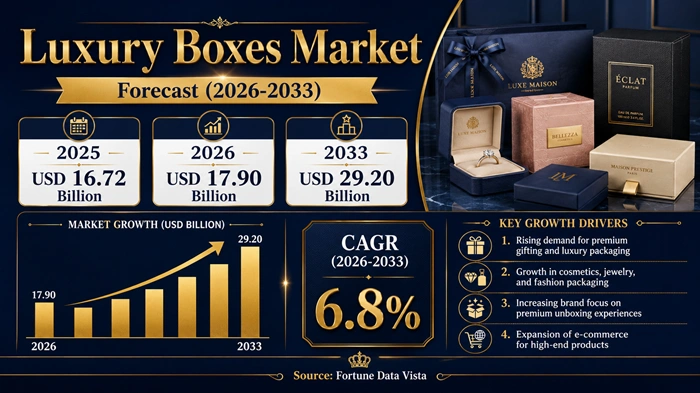
The global Luxury Boxes market size is valued at USD 16.72 billion in 2025 and is predicted to increase from USD 17.90 billion in 2026 to approximately USD 29.20 billion by 2033, growing at a CAGR of 6.8% from 2026 to 2033. This consistent expansion reflects the deepening role of premium packaging across sectors including cosmetics, jewelry, electronics, gourmet foods, and high-end apparel — where the packaging itself has become an integral part of the brand experience and consumer perception. As the global luxury goods industry continues to grow and the unboxing experience becomes a marketing imperative, demand for beautifully crafted, high-quality packaging solutions is intensifying across both established and emerging markets.
AI Impact on the Luxury Boxes Industry
Artificial Intelligence Is Transforming How Luxury Packaging Is Designed, Personalized, and Manufactured — Enabling Brands to Deliver More Memorable and Commercially Effective Premium Packaging at Scale*
AI is reshaping the luxury boxes market across design, production, and consumer engagement dimensions in ways that are both practical and commercially significant. Generative AI design platforms are enabling packaging designers and brand teams to rapidly prototype hundreds of box configurations, color palettes, texture combinations, and structural formats — dramatically compressing what was previously a weeks-long creative development cycle into a matter of hours. Brands like Louis Vuitton, Chanel, and Estée Lauder are increasingly leveraging AI design tools to create highly customized packaging lines for limited-edition product launches, regional market campaigns, and personalized gifting programs that resonate more deeply with specific consumer segments.
On the manufacturing side, AI-powered quality control systems are being deployed across luxury packaging production lines to detect structural defects, color inconsistencies, foil stamping imperfections, and embossing misalignments in real time — ensuring that every box that reaches a consumer meets the exacting standards expected of a premium brand. Computer vision systems integrated with robotic handling equipment can inspect thousands of boxes per hour at a level of accuracy and consistency that human inspection simply cannot match. This integration of AI into luxury packaging manufacturing is helping producers maintain the exceptional quality standards of the luxury boxes market while simultaneously improving throughput efficiency and reducing costly quality-related rejections and rework.
Growth Factors
The Global Expansion of the Luxury Goods Industry, the Rise of Premium E-Commerce Gifting, and a Shift Toward Packaging as a Brand Storytelling Medium Are Together Fueling Sustained Market Growth*
The primary growth engine for luxury boxes is the robust and expanding global luxury goods sector, which encompasses cosmetics, fragrances, jewelry, watches, fashion accessories, premium spirits, and high-end electronics. As disposable incomes rise across both mature and emerging markets — particularly in China, India, the Middle East, and Southeast Asia — the consumer base for luxury products is widening significantly. Brands entering these new consumer markets understand that their packaging must communicate prestige, craftsmanship, and exclusivity just as powerfully as the product itself, driving sustained investment in premium, high-quality box designs that serve as a visible extension of brand identity.
The explosive growth of e-commerce and premium gifting culture has added a powerful new dimension to demand within the luxury boxes market. The unboxing experience — a consumer ritual that has been amplified enormously by social media platforms including Instagram, TikTok, and YouTube — has made packaging a legitimate marketing channel in its own right. Brands are investing significantly in luxury boxes with distinctive structural designs, specialty surface finishes, magnetic closures, ribbon pulls, and custom inserts because they know that exceptional unboxing moments generate organic social media content, strengthen brand loyalty, and drive repeat purchase intent. This behavioral shift among consumers is creating durable, structural demand that extends the luxury packaging opportunity well beyond traditional retail channels.
Market Outlook
With Sustainability Innovation, Premiumization of Consumer Categories, and the Growing Importance of Experiential Retail Converging, the Luxury Boxes Market Is Entering a New Phase of Diversified and Resilient Growth*
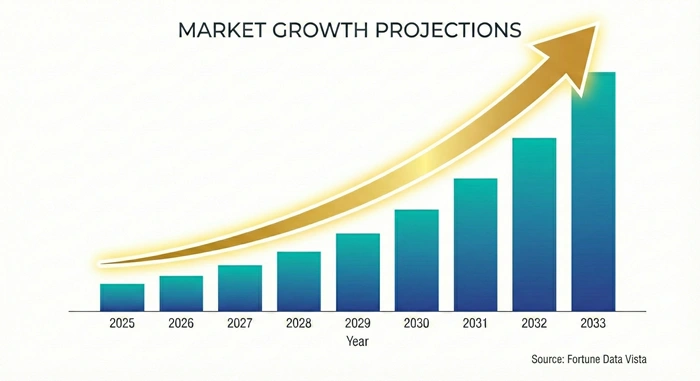
The outlook for the global luxury boxes market through 2033 is defined by several interconnected forces that reinforce one another. Brands across cosmetics, food and beverage, and consumer electronics are accelerating the premiumization of their product lines — launching premium and ultra-premium product tiers that require commensurately elevated packaging quality. This premiumization trend is not limited to traditional luxury sectors; it is expanding into categories like specialty coffee, artisanal chocolate, premium wellness supplements, and high-end pet care — each of which is creating new and growing demand for beautifully crafted luxury boxes that differentiate products on the retail shelf and in the digital marketplace.
Sustainability is emerging as a defining competitive requirement rather than a niche differentiator within luxury packaging. High-end consumers — particularly in Europe and North America — are increasingly unwilling to accept luxury packaging made from environmentally harmful materials, pushing brands and packaging manufacturers to invest in sustainable board substrates, water-based inks, recyclable coatings, and biodegradable structural materials that maintain premium aesthetics while meeting ESG commitments. This convergence of sustainability demand and quality expectation is driving significant material innovation across the luxury boxes market, with leading suppliers developing new eco-luxury packaging formats that are projected to capture a growing share of industry investment through the forecast period.
Expert Speaks
-
"At Estée Lauder, packaging is never an afterthought — it is an integral part of the luxury experience we deliver to our consumers. Our investment in premium box design, sustainable materials, and customized gifting packaging reflects our deep belief that the way a product arrives in someone's hands is as important as the product itself." — Stéphane de La Faverie, President & CEO, The Estée Lauder Companies
-
"As the global appetite for luxury goods continues to grow — particularly across Asia Pacific and the Middle East — the demands placed on premium packaging are becoming more sophisticated. At LVMH, we see luxury packaging not just as a protective element but as a powerful brand ambassador that conveys heritage, craftsmanship, and desirability before the product is even opened." — Bernard Arnault, Chairman & CEO, LVMH Moët Hennessy Louis Vuitton
-
"The intersection of sustainability, design innovation, and digital personalization is creating a genuinely exciting moment for the luxury packaging industry. At L'Oréal, we are committed to developing packaging solutions that are as beautiful as they are responsible — and we believe that the brands winning the next decade will be those that see premium packaging as a strategic asset, not just a cost line." — Nicolas Hieronimus, CEO, L'Oréal
Key Report Takeaways
-
Europe leads the global luxury boxes market with the highest revenue share in 2024, driven by its concentration of world-renowned luxury fashion, cosmetics, and jewelry houses headquartered in France, Italy, and the United Kingdom, all of which maintain exceptionally high standards for premium packaging quality, design innovation, and sustainability.
-
Asia Pacific is the fastest-growing regional market, expanding well above the global CAGR through 2033, fueled by China's booming luxury consumer class, India's rapidly expanding premium gifting culture, and growing middle-class affluence across Southeast Asian markets that is increasing demand for high-end packaged goods.
-
Premium cosmetics and beauty brands are the heaviest users of luxury packaging, given the category's deep connection between product presentation and brand prestige, with major cosmetics houses consistently investing in multi-layer box constructions, specialty surface finishes, and custom inserts that elevate the consumer experience.
-
Rigid boxes represent the leading product type segment, commanding the largest revenue share among all box formats owing to their superior structural integrity, premium tactile quality, and versatility in accommodating specialty finishing techniques such as embossing, debossing, foil stamping, UV coating, and soft-touch lamination.
-
Sustainable and eco-luxury packaging is the fastest-growing material segment, projected to grow at a CAGR significantly above the overall market average through 2033, driven by brand ESG commitments, evolving European packaging regulations, and consumer demand for responsible luxury that does not compromise on premium aesthetics.
-
The jewelry and watches segment is expected to deliver strong growth, projected to capture an increasing share of the luxury boxes market with a CAGR of approximately 7.5% through 2033, supported by global fine jewelry market expansion and the premium gifting culture across high-growth regions in Asia Pacific and the Middle East.
Market Scope
| Parameter | Details |
|---|---|
| Market Size by 2033 | USD 29.20 Billion | Market Size by 2026 | USD 17.90 Billion | Market Size by 2025 | USD 16.72 Billion | Market Growth Rate from 2026 to 2033 | CAGR of 6.8% | Dominating Region | Europe | Fastest Growing Region | Asia Pacific | Segments Covered | By Material, By Product Type, By Closing Type, By Printing Technology, By End-Use Industry, By Region | Regions Covered | North America, Europe, Asia Pacific, Latin America, Middle East & Africa |
Market Dynamics
Drivers Impact Analysis
The Premiumization of Consumer Goods, the Booming Global Gifting Economy, and the Rise of Unboxing as a Brand Marketing Experience Are Collectively Driving Durable Demand Growth Across the Luxury Boxes Market*
| Driver | ≈ % Impact on CAGR Forecast | Geographic Relevance | Impact Timeline |
|---|---|---|---|
| Premiumization of consumer goods across cosmetics, food, and electronics | ~2.4% | Global (Europe, North America, Asia Pacific) | 2026–2033 (Ongoing) |
| Growing luxury gifting culture and unboxing experience as marketing medium | ~1.9% | Global | 2026–2033 (Sustained) |
| Expansion of high-net-worth consumer base in Asia Pacific and Middle East | ~1.5% | Asia Pacific, MEA | 2027–2033 (Accelerating) |
| Rise of D2C luxury brands requiring high-impact premium packaging | ~0.9% | North America, Europe | 2026–2030 |
The premiumization of product categories that historically operated in the mass market is one of the most powerful and structurally durable drivers of growth within the luxury boxes market. Across sectors from personal care and gourmet food to consumer electronics and beverages, brands are launching premium product tiers that require packaging of a correspondingly elevated standard. This dynamic is not cyclical — it reflects a fundamental shift in consumer psychology toward placing increasing value on the quality and presentation of the products they purchase, and it is generating sustained new demand for rigid boxes, specialty-finished packaging, and custom structural designs that can communicate premium brand values effectively.
The e-commerce channel's explosive growth has amplified the commercial importance of luxury packaging by elevating the unboxing experience to a primary brand touchpoint. For luxury goods sold online — without the atmospheric advantage of a physical store environment — the moment when a consumer opens a package is often the first direct sensory encounter with the brand. Companies that invest in premium box design, exceptional structural quality, thoughtful interior presentation, and sustainable materials create unboxing experiences that generate genuine emotional resonance, drive social media sharing, and build the brand affinity that sustains long-term customer loyalty. This insight has made premium packaging a strategic marketing investment rather than merely an operational cost, significantly elevating the willingness of brands to pay for high-quality luxury boxes across all price points.
Restraints Impact Analysis
Rising Raw Material Costs, Environmental Compliance Pressures, and Supply Chain Fragility Present Genuine Challenges to Sustained Profitability and Growth Within the Luxury Boxes Market*
| Restraint | ≈ % Impact on CAGR Forecast | Geographic Relevance | Impact Timeline |
|---|---|---|---|
| Volatile raw material costs (specialty paperboard, foils, inks) | ~−1.6% | Global | 2026–2030 |
| Tightening environmental regulations on packaging materials and finishes | ~−1.1% | Europe, North America | 2026–2033 (Persistent) |
| High minimum order quantities limiting accessibility for smaller luxury brands | ~−0.8% | Global | 2026–2029 |
| Supply chain disruptions affecting specialty material availability | ~−0.6% | Global | 2026–2028 |
The luxury packaging sector is particularly vulnerable to raw material price volatility due to its reliance on specialty substrates — including high-grammage folding board, foil laminates, velvet flocking materials, and precision coatings — that are produced in limited volumes and subject to significant price fluctuations driven by pulp market dynamics, energy costs, and transportation disruption. When raw material costs spike, luxury packaging manufacturers face an uncomfortable choice between absorbing margin compression or passing price increases to brand clients — neither of which is commercially attractive in a competitive, multi-supplier market. This structural vulnerability to input cost volatility is a persistent restraint on the luxury boxes market's ability to sustain consistent profitability through economic cycles.
Regulatory pressure on packaging materials is intensifying globally, with the European Union's packaging and packaging waste directive mandating increasing levels of recyclability and reusability across all packaging categories. Many of the specialty finishing techniques that define luxury packaging — including metallic foil stamping, soft-touch plastic laminates, and glitter-effect coatings — present genuine recyclability challenges that place them in the crosshairs of emerging packaging regulation. Manufacturers and brands must invest significantly in research and reformulation to develop premium finishing solutions that deliver comparable aesthetic impact using materials that comply with current and forthcoming regulatory requirements, adding development cost and complexity to the product innovation process.
Opportunities Impact Analysis
Sustainable Luxury Packaging Innovation, the Growth of Personalized and Limited-Edition Box Programs, and Untapped Market Potential in the Middle East and Africa Present Compelling Expansion Opportunities*
| Opportunity | ≈ % Impact on CAGR Forecast | Geographic Relevance | Impact Timeline |
|---|---|---|---|
| Development of sustainable eco-luxury packaging with premium aesthetics | ~+2.1% | Europe, North America, Asia Pacific | 2026–2033 |
| Personalized and limited-edition luxury box programs for brand campaigns | ~+1.7% | Global | 2026–2033 |
| Expansion of luxury retail and e-commerce in Middle East and Africa | ~+1.2% | MEA | 2027–2033 |
| Digital printing enabling short-run premium customization at lower cost | ~+0.9% | Global | 2026–2030 |
Sustainable luxury packaging represents simultaneously the market's most urgent challenge and its most compelling product innovation opportunity. Forward-thinking packaging manufacturers are investing in next-generation materials — including stone paper, mushroom fiber composites, recycled luxury board, and bio-based coatings — that offer the tactile richness and visual sophistication of traditional luxury substrates while meeting the sustainability expectations of today's premium consumers and the regulatory requirements of key markets. Brands that successfully bring eco-luxury packaging solutions to market — demonstrating that environmental responsibility and premium aesthetics are not mutually exclusive — are positioned to capture significant market share from competitors still reliant on conventional, environmentally problematic materials.
Digital printing technology is opening a new frontier of commercial opportunity within the luxury boxes market by making short-run, highly personalized premium packaging economically viable for the first time. Previously, luxury box customization required high-volume minimum orders that placed bespoke packaging beyond the reach of smaller luxury brands, seasonal campaign runs, and highly targeted gifting programs. Advanced digital printing systems now enable brand-quality personalization — including variable data printing, individualized recipient names, custom imagery, and seasonal design variations — at run lengths as short as a single unit, enabling entirely new premium packaging business models such as subscription box services, personalized luxury gifting platforms, and on-demand event-specific packaging programs.
Segment Analysis
By Material
Rigid Paperboard and Specialty Board Substrates Continue to Define the Premium Luxury Boxes Market, While Sustainable and Alternative Materials Are Rapidly Gaining Commercial Momentum*
Rigid paperboard remains the dominant material category within the luxury boxes market, accounting for approximately 58.3% of global material segment revenue in 2024 and growing at a CAGR of around 6.5% through 2033. Rigid paperboard's dominance is rooted in its exceptional combination of structural strength, surface printability, compatibility with specialty finishing techniques, and cost-effectiveness relative to alternative premium materials like wood and metal. It serves as the substrate of choice for the world's leading luxury cosmetic, fashion, jewelry, and confectionery brands, providing the structural foundation for boxes that communicate brand prestige and protect high-value contents simultaneously. Europe is the strongest regional market for rigid paperboard luxury boxes, where industry leaders including Smurfit Kappa, Mondi Group, and DS Smith maintain large-scale production of premium board-based packaging for luxury goods manufacturers headquartered in France, Italy, and the United Kingdom. The segment continues to benefit from ongoing investment in new board grades, specialty coatings, and manufacturing automation that improve both quality consistency and production efficiency.
The sustainable material segment — encompassing recycled board, FSC-certified substrates, bio-based coatings, and plastic-free laminates — is the fastest-growing material category in the luxury boxes market, projected to expand at a CAGR of approximately 9.2% through 2033. This growth is driven by a powerful combination of regulatory pressure, brand ESG commitments, and shifting consumer values that are compelling luxury goods companies to transition their packaging toward demonstrably sustainable alternatives. Asia Pacific is experiencing the fastest adoption growth for sustainable luxury packaging materials, particularly in China and Japan where major brand licensees and luxury goods distributors are aligning their packaging specifications with increasingly stringent corporate sustainability targets. Companies including Stora Enso and International Paper are actively expanding their sustainable luxury packaging material portfolios in response to this demand, developing premium recycled board grades that maintain the visual quality standards demanded by luxury brands while delivering verifiable environmental performance improvements.
By End-Use Industry
Cosmetics and Beauty Remains the Cornerstone Application for Luxury Boxes, While Premium Food and Beverage Is Rapidly Emerging as One of the Market's Most Dynamic Growth Segments*
The cosmetics and beauty sector holds the largest end-use share within the luxury boxes market, accounting for approximately 34.7% of global application revenue in 2024 and growing at a CAGR of around 7.1% through 2033. This dominance reflects the profound and deeply established connection in the cosmetics industry between packaging quality and brand value — a relationship that has been cultivated over decades by global beauty houses including Estée Lauder, Chanel, L'Oréal, and Dior, all of which invest enormously in creating packaging that communicates exclusivity, artistry, and sensory pleasure. The customization depth available in luxury rigid box construction — including magnetic closures, flocked inserts, embossed logos, multi-layer foil effects, and ribbon pulls — perfectly matches the presentation needs of premium cosmetics, fragrances, and skincare products. Europe and North America dominate this application segment, where the highest concentration of prestige beauty brand headquarters and licensing operations drives the highest per-unit packaging investment. The segment is expected to remain the revenue leader through the forecast period, supported by continued global expansion of prestige beauty brands into Asia Pacific and Middle Eastern markets.
Premium food and beverage is emerging as one of the most exciting growth applications within the broader landscape of luxury boxes, driven by the global premiumization of confectionery, artisanal spirits, specialty tea and coffee, and gourmet gifting categories. Luxury chocolatiers, premium whisky distillers, high-end tea brands, and fine food gift companies are investing heavily in custom-designed rigid boxes that transform the act of opening a food gift into a genuinely memorable experience. Asia Pacific is the fastest-growing region for premium food packaging adoption, where a strong gifting culture — particularly surrounding festivals and corporate events — generates sustained demand for beautifully presented luxury food boxes at high annual volumes. Companies such as Amcor plc and Packaging Corporation of America are developing specialized premium food packaging lines tailored to the aesthetic and regulatory requirements of the gourmet food gifting market. This application segment is projected to grow at a CAGR of approximately 8.3% through 2033, outpacing the overall market average.
Regional Insights
Europe
Europe Leads the Global Luxury Boxes Market Through Its Unparalleled Concentration of World-Class Luxury Brands, Advanced Packaging Manufacturing Expertise, and Strong Sustainability Regulatory Frameworks*
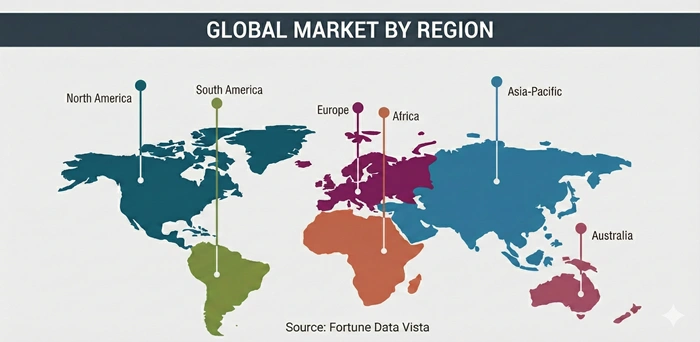
Europe commands the dominant position in the global luxury boxes market, holding approximately 36.8% of total revenue in 2024 and projected to grow at a CAGR of approximately 6.4% through 2033. France, Italy, the United Kingdom, and Germany are the primary markets within the region, collectively home to the global headquarters of the majority of the world's most prestigious luxury fashion, cosmetics, wine and spirits, jewelry, and confectionery brands. These brand houses — including LVMH, Kering, Richemont, L'Oréal, and Diageo — maintain exceptionally high packaging quality standards and invest continuously in developing new premium box formats that reflect evolving brand aesthetics and consumer preferences. Major packaging suppliers serving the European luxury market include Smurfit Kappa, Mondi Group, DS Smith, and Stora Enso, all of which maintain significant production capacity dedicated to luxury-grade rigid and folding box production. The region is also at the forefront of sustainable luxury packaging development, driven by the EU's packaging and packaging waste regulation which is compelling both brands and suppliers to accelerate the transition toward recyclable, renewable, and compostable premium packaging materials.
The European market is additionally characterized by strong demand for high-level packaging customization — particularly for limited-edition product releases, seasonal gifting collections, and exclusive retail channel-specific packaging programs. The concentration of specialty packaging converters and craft-oriented luxury packaging producers in France, Italy, and Germany provides European luxury brands with access to an exceptional depth of manufacturing expertise, material innovation, and finishing capability that is difficult to replicate elsewhere in the world. This combination of premium brand demand, advanced supplier capability, and supportive regulatory and sustainability infrastructure ensures that Europe will maintain its market leadership position within the luxury boxes market throughout the 2026–2033 forecast window.
Asia Pacific
Asia Pacific Is the Fastest-Growing Market for Luxury Boxes, Energized by China's Expanding Luxury Consumer Class, India's Premium Gifting Boom, and Southeast Asia's Rising Appetite for Premium Brand Experiences*
Asia Pacific is the fastest-growing regional market for luxury boxes, projected to expand at a CAGR of approximately 8.6% through 2033, from a 2024 revenue share of approximately 28.4%. China is the undisputed growth engine of the region, where a rapidly expanding high-net-worth population, deeply entrenched gifting culture, and growing domestic luxury brand market are generating extraordinary demand for premium packaging across cosmetics, jewelry, electronics, spirits, and gourmet food categories. International luxury brands expanding their China retail footprint — alongside emerging domestic Chinese luxury brands — are both investing heavily in locally produced, China-specific premium packaging designs that resonate with Chinese consumer aesthetics and cultural preferences. Key international packaging suppliers including Amcor plc and International Paper have established significant manufacturing operations in China to serve this growing demand, while domestic Chinese packaging manufacturers are rapidly upgrading their capabilities to compete for premium packaging contracts from both local and international brands.
India is emerging as the second most dynamic growth market in the region, driven by a burgeoning premium gifting culture, rapidly growing domestic luxury retail, and a fast-expanding corporate gifting industry that generates consistent high-volume demand for premium box solutions. Japan and South Korea maintain sophisticated premium packaging markets, characterized by exceptional craftsmanship standards and a strong cultural tradition of beautifully presented gifts that drives consistent demand for high-quality luxury boxes. Southeast Asia's growing middle class and expanding luxury retail infrastructure in markets like Singapore, Thailand, and Indonesia are further broadening the region's addressable market for luxury boxes. The depth and diversity of growth drivers across Asia Pacific positions the region as the primary engine of global market expansion through the end of the forecast period.
Top Key Players
-
Smurfit Kappa Group plc (Ireland)
-
Mondi plc (United Kingdom / Austria)
-
DS Smith plc (United Kingdom)
-
International Paper Company (United States)
-
Stora Enso Oyj (Finland / Sweden)
-
Amcor plc (Switzerland / Australia)
-
WestRock Company (United States)
-
Packaging Corporation of America (United States)
-
McLaren Packaging Limited (United Kingdom)
-
HH Deluxe Packaging (United Kingdom)
-
Stevenage Packaging Limited (United Kingdom)
-
Autajon Group (France)
-
Shillington Box Company (United States)
-
Taylor Box Company (United States)
-
Eurobox Polska Sp. z o.o. (Poland)
Recent Developments
-
In 2025, Smurfit Kappa completed the integration of its landmark merger with WestRock, creating Smurfit WestRock — one of the world's largest corrugated and specialty packaging companies — significantly expanding its premium packaging product portfolio and global manufacturing footprint across North America and Europe.
-
In 2024, Mondi plc launched a new range of sustainable luxury packaging solutions under its EcoLux platform, utilizing FSC-certified board, water-based coatings, and plastic-free lamination to deliver premium visual quality while meeting the most stringent European recyclability and sustainability standards for luxury brands.
-
In 2024, DS Smith plc was acquired by International Paper in a landmark transaction valuing DS Smith at approximately £5.8 billion, creating a major global packaging powerhouse with combined capabilities in luxury and premium packaging manufacturing across Europe and North America.
-
In 2025, Stora Enso announced a significant investment in expanding its luxury packaging board production capacity at its Finnish and Swedish mills, targeting growing demand from European and Asian luxury brands for high-quality, sustainably certified rigid box substrates.
-
In 2025, Amcor plc introduced a new premium rigid packaging line developed specifically for the Asia Pacific luxury cosmetics and beauty market, featuring enhanced surface decoration capabilities including hot foil stamping, soft-touch coatings, and custom embossing tailored to the aesthetic preferences of premium beauty consumers across China and Southeast Asia.
Market Trends
Sustainability-First Design Philosophy, Advanced Digital Customization, and the Integration of Experiential Packaging Features Are Defining the Competitive Agenda for the Luxury Boxes Market Through 2033*
The most significant trend reshaping the luxury boxes market is the accelerating convergence of sustainability and premium aesthetics — a pairing that was once widely considered difficult to achieve but is now being demonstrated convincingly by leading material innovators and progressive luxury brands. New generations of luxury packaging consumers, particularly among younger affluent demographics, actively evaluate brands on their environmental credentials — and brands that cannot demonstrate genuine packaging sustainability commitments are facing increasing consumer resistance. This reality is driving luxury packaging manufacturers to invest heavily in bio-based materials, closed-loop recycling systems, and innovative surface decoration techniques that replace petroleum-derived coatings and foils with environmentally compliant alternatives without compromising the visual impact or tactile richness that define luxury packaging.
Simultaneously, the integration of experiential and interactive features into luxury box design is becoming an important competitive differentiator. Brands are increasingly incorporating elements such as augmented reality triggers embedded in box printing, near-field communication (NFC) chips that connect physical packaging to digital brand content, scented materials, custom acoustic elements like music-playing mechanisms, and elaborate multi-step opening sequences into their premium box designs. These experiential packaging innovations transform the luxury box from a passive container into an active, immersive brand engagement touchpoint — deepening consumer connection with the brand, extending the dwell time of the packaging experience, and creating powerful shareable moments that amplify brand reach across digital channels.
Segments Covered in the Report
-
By Material
-
Rigid Paperboard
-
Wood
-
Metal
-
Glass
-
Plastic
-
Sustainable / Bio-Based Materials
-
Other Materials
-
-
By Product Type
-
Rigid Boxes
-
Folding Cartons
-
Collapsible Boxes
-
Telescoping Boxes
-
Drawer Boxes
-
Clamshell Boxes
-
Others
-
-
By Closing Type
-
Magnetic Closure
-
Ribbon Closure
-
Hinged Lid
-
Sleeve Closure
-
Others
-
-
By Printing Technology
-
Digital Printing
-
Offset Printing
-
Flexography
-
Screen Printing
-
Gravure Printing
-
-
By End-Use Industry
-
Cosmetics and Beauty
-
Jewelry and Watches
-
Electronics and Consumer Goods
-
Food and Beverages (Confectionery, Spirits, Gourmet Foods)
-
Apparel and Fashion Accessories
-
Tobacco and Smoking Accessories
-
Personal Care
-
Others
-
-
By Region
-
North America (U.S., Canada, Mexico)
-
Europe (France, Germany, UK, Italy, Rest of Europe)
-
Asia Pacific (China, India, Japan, South Korea, Rest of Asia Pacific)
-
Latin America (Brazil, Rest of Latin America)
-
Middle East & Africa (UAE, Saudi Arabia, Rest of MEA)
-
❝ Built for Every Level — From Startups to Industry Giants ❞
Here Is Exactly How This Report Works for You
-
From boutique luxury packaging startups to global tier-one suppliers serving the world's most prestigious brands, this report delivers granular segment revenue forecasts, regional market share analysis, and competitive positioning intelligence that directly inform your product development roadmap, pricing strategy, and geographic expansion priorities — giving every type of organization the data foundation needed to compete and grow in the USD 29.20 billion opportunity by 2033.
-
For investors, mid-market packaging companies, and brand-side procurement teams, the report's detailed supply-demand analysis, raw material cost trend assessment, and geopolitical risk mapping reveal exactly how European packaging regulations, Asian manufacturing dynamics, and shifting consumer sustainability expectations are reshaping profitability and market access across all major regions — equipping your leadership team to make confident, risk-informed capital and sourcing decisions.
-
The competitive intelligence section delivers a comprehensive breakdown of revenue sources, customer segment concentration, product portfolio depth, recent M&A activity, and strategic growth initiatives for the top 15 players in the global luxury boxes industry — providing M&A advisors, business development executives, and corporate strategy teams with the actionable intelligence they need to identify partnership opportunities, evaluate acquisition targets, and benchmark their competitive positioning against market leaders.
Frequently Asked Questions:
Answer: The global luxury boxes market is valued at USD 16.72 billion in 2025 and is projected to reach approximately USD 29.20 billion by 2033. This represents a steady CAGR of 6.8% from 2026 to 2033, supported by growing premiumization trends across cosmetics, jewelry, and gourmet food sectors globally.
Answer: Key growth drivers include the global expansion of the luxury goods industry, the rise of premium e-commerce and gifting culture, and the growing commercial importance of the unboxing experience as a brand marketing channel. The increasing willingness of luxury brands to invest in premium packaging as a strategic differentiator is creating sustained demand across all major application segments.
Answer: Europe holds the dominant position in the luxury boxes market with approximately 37% revenue share, driven by the concentration of world-leading luxury fashion, cosmetics, and fine goods brands headquartered across France, Italy, and the UK. Asia Pacific is the fastest-growing region, expanding at a CAGR above 8% through 2033, led by China's booming luxury consumer sector and India's rapidly growing premium gifting market.
Answer: Sustainability has become a central strategic priority across the luxury boxes market, as premium consumers — particularly younger affluent demographics — increasingly evaluate brands on their environmental credentials alongside product quality. Leading packaging manufacturers and luxury brands are jointly investing in recyclable substrates, plastic-free coatings, and bio-based materials that deliver premium aesthetics while meeting evolving regulatory and ESG requirements.
Answer: Rigid boxes are the dominant product type within the luxury boxes market, commanding the largest share of global revenue owing to their exceptional structural quality, versatility in specialty finishing, and strong alignment with the premium, tactile brand experience that luxury goods companies seek to deliver. Their compatibility with a wide range of closure types, interior presentations, and surface decoration techniques makes them the preferred choice across cosmetics, jewelry, electronics, and premium gifting applications worldwide.