
Microplate Systems Market Overview
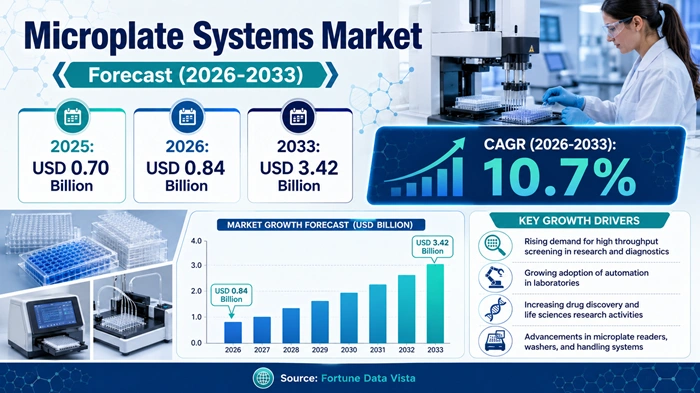
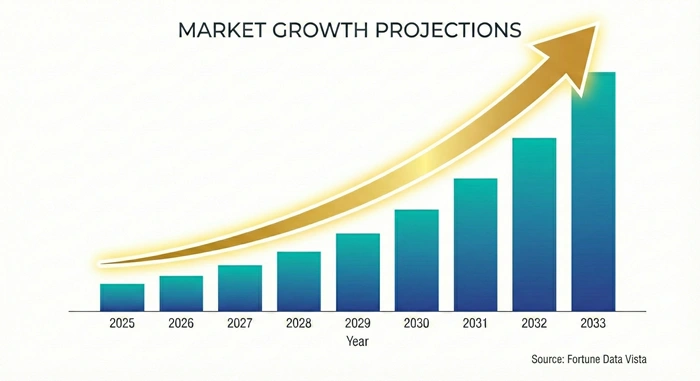
The global microplate systems market size is valued at USD 0.70 billion in 2025 and is predicted to increase from USD 0.84 billion in 2026 to approximately USD 3.42 billion by 2033, growing at a CAGR of 10.7% from 2026 to 2033.
This robust growth is being driven by the rapid expansion of pharmaceutical and biotechnology R&D activities globally, rising demand for high-throughput screening (HTS) in drug discovery, growing adoption of automated and AI-integrated laboratory workflows, and the increasing use of multimode microplate readers and dispensers in genomics, proteomics, clinical diagnostics, and cell-based assay research. Microplate systems — encompassing readers, washers, dispensers, handlers, and accessory platforms — are now considered indispensable infrastructure across the modern life sciences laboratory.
AI Impact on the Microplate Systems Industry
Artificial Intelligence Is Transforming High-Throughput Data Analysis, Assay Optimization, Predictive Maintenance, and Automated Workflow Design Across the Entire Microplate Systems Market*
Artificial intelligence is becoming a defining technology within the microplate systems market, reshaping how laboratories manage data, optimize assay protocols, and integrate automated systems into broader digital research workflows. Modern multimode microplate readers now generate enormous volumes of raw fluorescence, luminescence, and absorbance data per experiment — data that previously required hours of manual analysis and statistical interpretation by trained scientists. AI-powered analysis engines embedded within microplate reader software platforms — such as Molecular Devices' SoftMax Pro with AI-assisted curve fitting and Tecan's Fluent software intelligence layer — can now perform real-time automated data processing, identify anomalous wells, flag assay failures, and generate actionable hit identification outputs in minutes. These capabilities are dramatically accelerating the pace of drug discovery screening campaigns and reducing the cost per valid data point in high-throughput assay operations.
Beyond data analysis, AI is transforming the operational management of microplate systems through predictive maintenance algorithms and intelligent laboratory orchestration platforms. Machine learning models trained on equipment usage patterns, error histories, and sensor data can predict component wear, maintenance requirements, and consumable depletion with sufficient accuracy to minimize unplanned instrument downtime — a critical capability in high-throughput pharmaceutical screening operations where a single instrument failure can halt multi-week assay campaigns. Laboratory automation software platforms — including Hamilton's Visual Methods Editor, Tecan's Fluent Automation Workstation, and Thermo Fisher's SampleManager LIMS — are increasingly integrating AI scheduling intelligence that dynamically optimizes the sequencing of microplate handling operations across multiple instruments, maximizing throughput and minimizing idle time throughout automated laboratory environments.
Growth Factors
Surging Pharmaceutical R&D Investment in High-Throughput Drug Discovery, Expanding Biopharma R&D in Asia Pacific, and Continuous Innovation in Multimode Detection and Laboratory Automation Technology Are the Core Growth Engines of the Microplate Systems Market*
The most fundamental growth driver in the microplate systems market is the dramatic and sustained global escalation of pharmaceutical and biotechnology R&D investment. Global pharmaceutical R&D expenditure has surpassed USD 250 billion annually and continues to grow as biopharma companies race to develop treatments for oncology, rare diseases, autoimmune conditions, metabolic disorders, and infectious diseases. High-throughput screening — the process of rapidly testing hundreds of thousands to millions of compound-assay combinations using microplate-based detection systems — is the cornerstone of the early drug discovery process, and the growth of HTS programs directly drives procurement of advanced microplate readers, washers, dispensers, and integrated robotic handler systems. The shift toward biologic drugs, cell and gene therapies, and immuno-oncology treatments is also creating growing demand for sophisticated cell-based and functional assay capabilities — applications that require the most advanced multimode microplate reader platforms with live cell imaging, environmental control, and real-time kinetic measurement capabilities.
The second major structural growth driver is the rapid expansion of biopharma research infrastructure and clinical diagnostic laboratory capacity in Asia Pacific markets — particularly China, India, South Korea, and Japan. China's "Healthy China 2030" initiative and its 14th Five-Year Plan for biotechnology development have catalyzed unprecedented investment in pharmaceutical research parks, genomics institutes, hospital diagnostic laboratory modernization, and contract research organization (CRO) capacity expansion — all of which generate direct demand for microplate systems infrastructure. India's growing CRO industry, which is attracting pharmaceutical outsourcing contracts from major Western drug companies, is also emerging as a significant growth market for high-throughput microplate systems as domestic CROs invest in advanced analytical instrumentation to meet global pharmaceutical client quality standards.
Market Outlook
Growing Pharmaceutical Outsourcing to CROs, Expanding Clinical Diagnostics Applications, and the Shift Toward Fully Integrated Automated Laboratory Platforms Are Creating Strong Long-Term Growth Pathways for the Microplate Systems Market Through 2033*
The long-term outlook for the microplate systems market is strongly positive, underpinned by structural demand from pharmaceutical R&D, clinical diagnostics, and academic life sciences research that is fundamentally insulated from short-term economic cyclicality. North America currently leads the global market with the highest revenue contribution, supported by the world's largest concentration of pharmaceutical and biotechnology companies, a dense academic research infrastructure, and the highest per-laboratory investment in automated analytical instrumentation globally. Europe is the second-largest market, where pharmaceutical industry hubs in Germany, Switzerland, the UK, France, and Belgium — home to major pharmaceutical manufacturers including Roche, Novartis, AstraZeneca, and Sanofi — drive consistent procurement of premium microplate systems infrastructure.
The ongoing consolidation of pharmaceutical discovery workflows into fully automated, laboratory information management system (LIMS)-integrated platforms is creating a powerful equipment upgrade cycle in the microplate systems market. Academic research institutions that have historically operated relatively modest manual microplate workflows are progressively transitioning to automated platforms as grant funding increases, core facility models expand, and the throughput demands of genomics, proteomics, and metabolomics research escalate beyond the capacity of manual liquid handling and manual plate reading. The growing adoption of 1536-well and 3456-well ultra-high density microplate formats — enabling even greater miniaturization and compound conservation per HTS campaign — is driving demand for the most advanced liquid handling, dispensing, and detection systems capable of reliable performance at these extreme miniaturization levels.
Expert Speaks
-
"Thermo Fisher Scientific is investing heavily in next-generation microplate systems that integrate multimode detection, advanced automation, and cloud-connected data management into seamless laboratory workflows. The microplate systems market is evolving rapidly — driven by the increasing complexity of high-throughput drug discovery assays and the pharmaceutical industry's relentless drive to discover breakthrough medicines faster — and our portfolio is designed to give scientists the precision, throughput, and digital intelligence they need to meet these demands at every scale." — Marc Casper, President & CEO, Thermo Fisher Scientific Inc.
-
"At Danaher, our life sciences platform — including Beckman Coulter Life Sciences and Molecular Devices — is at the forefront of delivering advanced microplate reader and liquid handling automation technologies that are transforming the pace and productivity of pharmaceutical research and clinical diagnostics. We see consistent strong demand for integrated, automated microplate systems solutions across our pharmaceutical, biotechnology, and academic end-markets, and we are continuously investing in innovation to lead this market." — Rainer M. Blair, President & CEO, Danaher Corporation
-
"Bio-Rad Laboratories is committed to advancing the science of high-throughput biological measurement through continuous innovation in microplate reader technology, detection chemistry, and digital data management. The microplate systems market is being reshaped by the convergence of automation, artificial intelligence, and multiplexed detection — and we are investing in the next generation of platforms that will enable researchers to extract richer, more actionable biological insights from every microplate assay." — **Norman Schwartz, President & CEO, Bio-Rad Laboratories Inc.*
Key Report Takeaways
-
North America leads the global microplate systems market with approximately 42.6% of global revenue share in 2025, supported by the world's highest concentration of pharmaceutical and biotechnology R&D operations, substantial NIH and DARPA research funding, a dense network of academic and CRO laboratories actively employing automated high-throughput screening platforms, and the commercial headquarters of leading system manufacturers including Thermo Fisher Scientific, Danaher/Molecular Devices, Bio-Rad Laboratories, and Agilent Technologies.
-
Asia Pacific is the fastest-growing regional market, projected to expand at a CAGR of approximately 12.3% from 2026 to 2033, driven by China's massive pharmaceutical R&D infrastructure investment, India's rapidly expanding CRO sector, South Korea's growing biopharma industry, and increasing government funding for genomics and proteomics research infrastructure across the region — collectively creating the fastest-growing new demand base for microplate systems globally.
-
Pharmaceutical and biotechnology companies are the dominant end-user segment, contributing approximately 47.3% of global microplate systems market revenue in 2025, reflecting the pharmaceutical industry's dependence on high-throughput microplate-based screening as the essential technology platform for early-stage drug discovery, assay development, lead optimization, and ADMET profiling workflows.
-
Drug discovery is the dominant application segment, accounting for approximately 44.1% of total application revenue in 2025, driven by the pharmaceutical industry's relentless demand for faster, higher-capacity, and more sensitive compound screening systems capable of processing hundreds of thousands of compound-assay interactions per week across primary, secondary, and counter screening workflows.
-
Multimode microplate readers are the dominant and fastest-growing product type, holding approximately 53.8% of total product revenue in 2025 and growing at a CAGR of approximately 11.4% from 2026 to 2033, as the ability to measure absorbance, fluorescence intensity, time-resolved fluorescence, fluorescence polarization, FRET, luminescence, and Alpha technology simultaneously within a single instrument dramatically increases assay flexibility and laboratory throughput efficiency.
-
Contract research organizations (CROs) are the fastest-growing end-user segment, projected to expand at a CAGR of approximately 12.8% from 2026 to 2033, as pharmaceutical companies increasingly outsource high-throughput screening, ADMET profiling, and compound library management activities to specialized CROs in North America, Europe, and Asia Pacific — each of which requires significant microplate systems instrumentation investment to deliver contracted services at required throughput and quality levels.
-
Monochromator-based microplate readers are the fastest-growing technology within the reader segment, expected to grow at a CAGR of approximately 13.1% from 2026 to 2033, as their flexibility to measure across the full wavelength spectrum without filter changes makes them ideally suited for the growing diversity of fluorescent probes, reporter systems, and bioluminescent assay formats used in modern drug discovery and cell biology research.
Market Scope
| Parameter | Details |
|---|---|
| Market Size by 2033 | USD 3.42 Billion | Market Size by 2026 | USD 0.84 Billion | Market Size by 2025 | USD 0.70 Billion | Market Growth Rate from 2026 to 2033 | CAGR of 10.7% | Dominating Region | North America | Fastest Growing Region | Asia Pacific | Segments Covered | By Product Type, By Application, By End User, By Technology, By Distribution Channel | Regions Covered | North America, Europe, Asia Pacific, Latin America, Middle East & Africa |
Market Dynamics
Drivers Impact Analysis
Accelerating Pharmaceutical R&D Spending, Growing CRO Sector Expansion, and Technological Advances in Automated Multimode Detection Are the Three Structural Pillars Driving the Microplate Systems Market*
| Driver | ≈ % Impact on CAGR Forecast | Geographic Relevance | Impact Timeline |
|---|---|---|---|
| Rising pharmaceutical and biotech R&D investment globally | ~34% | North America, Europe, Asia Pacific | Short to Long Term |
| Growing adoption of HTS in drug discovery and screening | ~26% | North America, Europe | Short to Long Term |
| Expansion of CRO sector and outsourced research workflows | ~20% | North America, Asia Pacific | Short to Medium Term |
| Multimode reader and lab automation technology advances | ~14% | Global | Short to Long Term |
| Government research funding for genomics and life sciences | ~6% | Asia Pacific, North America | Medium to Long Term |
The most powerful structural driver in the microplate systems market is the sustained and accelerating global growth of pharmaceutical and biotechnology R&D expenditure. The pharmaceutical industry's increasing investment in novel modality drug development — including antibody-drug conjugates, cell and gene therapies, RNA-based medicines, and targeted kinase inhibitors — requires progressively more sophisticated high-throughput assay capabilities to characterize compound interactions with biological targets across diverse molecular, cellular, and functional readout systems. Microplate-based detection remains the dominant platform for these screening activities because of its established regulatory acceptance, broad instrumentation vendor support, extensive assay development database, and the industry's established investment in microplate-format compound libraries and biological reagent inventories. Each new drug discovery program initiated by a pharmaceutical or biotech organization generates direct demand for microplate systems procurement or utilization — making pharmaceutical R&D activity the most immediate and reliable demand driver in the microplate systems market.
The rapid growth of the global CRO industry — which is absorbing an increasing share of pharmaceutical research outsourcing as drug companies seek to convert fixed R&D costs into variable costs and access specialized capabilities — is generating an equally important structural demand dynamic. Leading global CROs including IQVIA, Charles River Laboratories, Covance, Eurofins Scientific, and WuXi AppTec are making substantial capital investments in automated high-throughput microplate screening infrastructure to differentiate their service offerings and expand their pharmaceutical client relationships. As pharmaceutical companies outsource more of their compound screening, ADMET testing, and assay development activities to specialized CROs, the concentration of microplate systems procurement within a growing and well-capitalized CRO customer segment is creating a powerful and consistent demand driver for the premium end of the microplate systems market.
Restraints Impact Analysis
High Capital Investment in Automated Microplate System Infrastructure, Technical Complexity of Advanced Platforms, Skilled Operator Shortages in Emerging Markets, and Reagent Compatibility Challenges Are the Primary Barriers Constraining Faster Market Growth*
| Restraint | ≈ % Impact on CAGR Forecast | Geographic Relevance | Impact Timeline |
|---|---|---|---|
| High capital cost of automated integrated microplate platforms | ~40% | Emerging markets, academic institutes | Short to Long Term |
| Complexity of instrument validation and GLP/GMP compliance | ~28% | Pharmaceutical & CRO end users | Short to Medium Term |
| Skilled laboratory technician and scientist shortage | ~20% | Asia Pacific, Latin America, MEA | Short to Long Term |
| Reagent standardization and assay miniaturization challenges | ~12% | Global | Short to Medium Term |
The high capital investment required for advanced automated microplate system platforms is the most significant commercial restraint limiting broader market penetration. Fully integrated high-throughput screening stations — combining a robotic microplate handler, a high-capacity incubator, one or more multimode microplate readers, automated dispensers, and a LIMS-integrated software control layer — can represent capital investments of USD 500000 to USD 2 million or more for a single automated screening station at a pharmaceutical or CRO facility. While leading pharmaceutical companies and large CROs can readily justify these investments through the productivity gains and throughput improvements they deliver, mid-sized biotechs, smaller academic core facilities, and emerging market research institutions frequently cannot absorb these capital costs — limiting the addressable market for premium automated microplate platforms to the upper tier of the global research infrastructure customer base.
The technical complexity of operating, validating, and maintaining advanced microplate systems in GLP (Good Laboratory Practice) and GMP (Good Manufacturing Practice) compliant environments creates a second meaningful restraint — particularly for pharmaceutical companies and CROs whose microplate screening data must meet regulatory submission standards. Instrument qualification, method validation, inter-laboratory reproducibility documentation, and ongoing system suitability testing requirements create significant operational overhead for regulated microplate system users. The shortage of skilled laboratory scientists who can configure, optimize, and troubleshoot complex automated microplate workflows compounds this challenge — particularly in emerging market research centers where the competition for experienced life sciences instrumentation personnel is intense and the training pipeline for advanced analytical platform operation is less developed than in North America or Europe.
Opportunities Impact Analysis
Ultra-High Density Microplate Format Adoption, Cloud-Connected Laboratory Automation Integration, Genomics and Proteomics Research Expansion, and Point-of-Care Diagnostic Application Development Are Creating High-Value Long-Term Growth Opportunities*
| Opportunity | ≈ % Impact on CAGR Forecast | Geographic Relevance | Impact Timeline |
|---|---|---|---|
| Ultra-high density (1536/3456 well) microplate format adoption | ~32% | North America, Europe, Asia Pacific | Short to Long Term |
| Cloud-integrated laboratory automation and LIMS connectivity | ~26% | Global | Short to Medium Term |
| Expanding genomics, proteomics, and single-cell biology applications | ~24% | North America, Europe, Asia Pacific | Short to Long Term |
| Point-of-care and decentralized clinical diagnostics applications | ~18% | Global | Medium to Long Term |
The adoption of ultra-high density microplate formats — 1536-well and the emerging 3456-well configurations — represents the most technically significant near-term commercial opportunity in the microplate systems market. These ultra-miniaturized formats enable pharmaceutical companies to screen the same compound library against a biological target using dramatically less reagent, compound, and solvent per data point compared to conventional 96-well or 384-well formats — delivering compound conservation savings of 10-fold or more per screening campaign that translate directly into measurable cost reductions in drug discovery operations. The shift to 1536-well screening requires investment in dedicated ultra-high-sensitivity microplate readers, precision low-volume non-contact dispensers, and specialized plate handling robotics — creating premium equipment demand that drives higher average selling prices and margins for manufacturers capable of delivering validated 1536-well-optimized systems.
The integration of microplate systems into cloud-connected, digitally unified laboratory automation ecosystems represents the second most important commercial opportunity. The pharmaceutical and CRO industries are actively building laboratory 4.0 environments where every instrument — from microplate readers to liquid handlers to plate storage systems — is networked, monitored, and orchestrated through cloud-based laboratory management platforms that provide real-time visibility into instrument utilization, assay queue status, data quality metrics, and predictive maintenance requirements. Microplate system manufacturers who invest in open API connectivity, robust LIMS integration, cloud-native data management, and digital workflow design tools will be best positioned to capture premium contracts within the growing pharmaceutical laboratory digitalization spending wave — a spending wave that is expected to accelerate significantly through 2033 as pharmaceutical companies prioritize end-to-end laboratory data integrity and digital traceability for regulatory compliance.
Segment Analysis
By Product Type: Multimode Microplate Readers
Multimode Microplate Readers Dominate the Microplate Systems Market by Revenue, Driven by Their Unmatched Assay Versatility and Their Essential Role in High-Throughput Pharmaceutical Screening, Cell Biology, and Clinical Diagnostics Workflows*
Multimode microplate readers hold the dominant position in the microplate systems market by product type, accounting for approximately 53.8% of global product revenue in 2025 and growing at a CAGR of approximately 11.4% from 2026 to 2033. Their commercial leadership reflects a compelling value proposition in the modern research laboratory: the ability to measure fluorescence intensity, time-resolved fluorescence, fluorescence resonance energy transfer (FRET), fluorescence polarization, absorbance, luminescence, AlphaScreen/AlphaLISA technology, and increasingly live cell imaging — within a single instrument platform that eliminates the capital and bench space requirements of maintaining separate single-mode instruments for each detection modality. This integration of multiple detection modes creates substantial workflow economies for pharmaceutical, biotechnology, and academic laboratories conducting diverse assay portfolios across their research programs. North America leads the multimode reader segment, commanding approximately 43.8% of global revenue, driven by the density of pharmaceutical HTS operations, CRO screening services, and academic genomics and proteomics core facilities that rely on advanced multimode detection for complex biological assay workflows. Key competitive players in the North American market include Molecular Devices (Danaher), Thermo Fisher Scientific (Varioskan, Fluoroskan), Bio-Tek Instruments (Agilent), BMG LABTECH (CLARIOstar Plus), and Tecan (Spark series).
Europe is the second-largest market for multimode microplate readers, where the concentration of global pharmaceutical headquarters in Switzerland, Germany, and the UK — including Roche, Novartis, AstraZeneca, Bayer, and Sanofi — generates consistent premium instrument demand from in-house R&D operations, as well as from a sophisticated academic and CRO research ecosystem. BMG LABTECH GmbH, headquartered in Germany, is a particularly important regional competitive force in the multimode reader segment, with its CLARIOstar Plus and PHERAstar FSX platforms holding strong positions in academic and pharmaceutical laboratory settings across Europe, North America, and Asia Pacific. Asia Pacific is the fastest-growing regional market for multimode readers, expanding at a CAGR of approximately 13.2% from 2026 to 2033, driven by biopharma R&D infrastructure investment in China, expanding CRO operations in India, and increasing adoption of advanced life sciences instrumentation in South Korea's growing pharmaceutical research sector.
By End User: Pharmaceutical and Biotechnology Companies
Pharmaceutical and Biotechnology Companies Remain the Dominant End-User Driving the Microplate Systems Market, as High-Throughput Drug Discovery, Assay Development, and Compound Screening Operations Generate Consistent Premium System Procurement Demand*
Pharmaceutical and biotechnology companies are the dominant end-user segment in the microplate systems market, contributing approximately 47.3% of global revenue in 2025 and growing at a CAGR of approximately 10.9% from 2026 to 2033. This dominance is rooted in the fundamental role that microplate-based high-throughput screening plays throughout the pharmaceutical drug discovery continuum — from primary compound library screening against therapeutic target panels, to secondary confirmation and counter-screening, to ADMET profiling, to lead optimization assay development, and through into early-stage candidate characterization. Large pharmaceutical companies with dedicated HTS groups — including Pfizer, AbbVie, Merck & Co., Eli Lilly, and Johnson & Johnson — maintain substantial internal microplate systems infrastructure that is continuously updated and expanded as new research programs are initiated and as assay technology advances. North America leads this segment, commanding approximately 44.6% of pharmaceutical end-user microplate system revenue, with the U.S. pharmaceutical industry concentrated in innovation hubs including Boston/Cambridge, San Francisco Bay Area, San Diego, New Jersey, and Research Triangle Park where the highest density of advanced HTS operations are located.
Europe represents the second-largest pharmaceutical end-user market, where major pharmaceutical companies including Roche Pharmaceuticals (Switzerland), Novartis (Switzerland), AstraZeneca (UK/Sweden), and Bayer (Germany) operate some of the world's most sophisticated high-throughput discovery research centers that rely on advanced automated microplate systems from Tecan, BMG LABTECH, Molecular Devices, and Thermo Fisher Scientific. Asia Pacific is the fastest-growing pharmaceutical end-user segment within the microplate systems market, expanding at a CAGR of approximately 14.1% from 2026 to 2033, as Chinese biopharmaceutical companies including BeiGene, Zymeworks, and Hengrui Medicine, alongside multinational pharmaceutical companies operating major R&D centers in Shanghai, Beijing, and Singapore, are collectively building world-class HTS capabilities that are generating growing demand for premium microplate detection, automation, and informatics platforms from global and regional suppliers.
Regional Insights
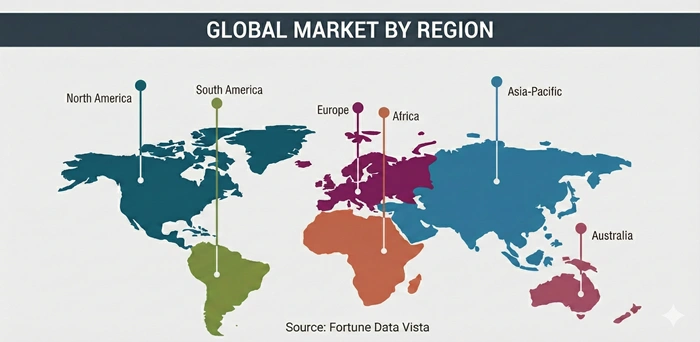
North America: The Global Leader in Microplate Systems
North America Dominates the Global Microplate Systems Market, Backed by the World's Largest Pharmaceutical R&D Ecosystem, Highest CRO Infrastructure Density, and the Commercial Headquarters of All Leading System Manufacturers*
North America holds the commanding lead in the global microplate systems market, accounting for approximately 42.6% of global revenue in 2025 and expected to maintain a CAGR of approximately 9.7% through 2033. The United States is the primary driver of regional market activity — home to the world's largest pharmaceutical and biotechnology research ecosystem, including thousands of biotech startups in the Boston and San Francisco Bay Area corridors, the world's largest pharmaceutical companies with major HTS operations, the most extensive network of federally funded research universities and national laboratories, and a dense CRO infrastructure providing outsourced compound screening services globally. Leading microplate systems manufacturers headquartered or commercially dominant in North America include Thermo Fisher Scientific, Danaher Corporation (Molecular Devices, Beckman Coulter), Bio-Rad Laboratories, Agilent Technologies (BioTek), Promega Corporation, and PerkinElmer — all of whom maintain their primary innovation centers and largest customer service operations within the North American market.
Canada contributes meaningfully to North American microplate systems demand, with a growing pharmaceutical industry cluster in the Golden Horseshoe region, a strong academic life sciences research ecosystem at the University of Toronto, McGill University, and the University of British Columbia, and a growing CRO sector attracting pharmaceutical outsourcing contracts from U.S. clients. The North American microplate systems market is the global leader in adoption of the most advanced automated and AI-integrated platform configurations — including fully robotic HTS stations, LIMS-connected multimode reader arrays, and cloud-based laboratory data management systems — generating the highest average selling prices and premium manufacturer margins of any regional market in the microplate systems industry globally.
Asia Pacific: The Fastest-Growing Region in Microplate Systems
Asia Pacific Is the Fastest-Growing and Most Strategically Important Emerging Market for Microplate Systems, Fueled by China's and India's Pharmaceutical R&D Expansion, Growing CRO Sector Investment, and Government Life Sciences Research Funding Programs*
Asia Pacific is the fastest-growing regional market in the global microplate systems market, projected to expand at a CAGR of approximately 12.3% from 2026 to 2033, significantly outperforming North America and Europe. The region accounts for approximately 23.4% of global microplate systems market revenue in 2025 and is expected to materially increase its global share over the forecast period as pharmaceutical research infrastructure investment accelerates across China, India, South Korea, and Japan. China is the undisputed growth engine within Asia Pacific — where the government's strategic pharmaceutical sector development programs, including the National Pharmaceutical Industry Development Plan and national key laboratory investments in genomics and precision medicine, are generating a rapidly expanding installed base of research laboratories requiring advanced microplate systems infrastructure. Key international manufacturers including Thermo Fisher Scientific, Tecan, and BMG LABTECH have established direct sales operations and technical support networks in China to capture this growing demand, competing alongside increasingly capable domestic Chinese scientific instrument manufacturers.
India represents Asia Pacific's fastest-growing national market within the microplate systems segment, driven by the Indian pharmaceutical industry's growing investment in biotechnology and biologics R&D, the rapid expansion of domestic CRO capacity targeting both domestic and global pharmaceutical clients, and Indian government initiatives to develop a world-class life sciences research ecosystem through the Department of Biotechnology's research funding programs. Japan and South Korea — while more mature markets — maintain sophisticated microplate systems demand profiles, where leading pharmaceutical companies including Astellas, Takeda, Daiichi Sankyo, and Samsung Biologics operate advanced HTS facilities equipped with premium automated microplate systems from global manufacturers. Australia contributes to regional demand through its well-funded academic medical research institutes and a growing clinical diagnostics sector that is progressively adopting automated microplate-based testing platforms for higher-volume laboratory operations.
Top Key Players
-
Thermo Fisher Scientific Inc. (United States)
-
Danaher Corporation (Molecular Devices / Beckman Coulter) (United States)
-
Bio-Rad Laboratories Inc. (United States)
-
Agilent Technologies Inc. (BioTek Instruments) (United States)
-
Tecan Group Ltd. (Switzerland)
-
BMG LABTECH GmbH (Germany)
-
PerkinElmer Inc. (United States)
-
Promega Corporation (United States)
-
Corning Incorporated (United States)
-
Enzo Life Sciences Inc. (United States)
-
Shenzhen Mindray Bio-Medical Electronics Co. Ltd. (China)
-
Berthold Technologies GmbH & Co. KG (Germany)
Recent Developments
-
In July 2025, Molecular Devices (Danaher) unveiled the SpectraMax iD5e and iD3s Multi-Mode Microplate Readers, featuring tunable monochromator-based measurements, integrated temperature control, dual injectors with SmartInject Technology, and user-installable gas mixers for enhanced assay flexibility and live cell kinetic analysis — a major product launch that significantly advances the company's competitive positioning in the cell-based assay and drug discovery microplate reader segment globally.
-
In March 2026, Thermo Fisher Scientific completed the acquisition of Binding Site Group — a specialist manufacturer of diagnostic immunoassay products including microplate-based ELISA platforms for multiple myeloma monitoring and immunodeficiency diagnostics — strengthening Thermo Fisher's position in the clinical diagnostics microplate assay segment and expanding its portfolio of high-value specialty microplate-based testing solutions.
-
In October 2025, Tecan Group Ltd. launched the upgraded Fluent Automation Workstation with enhanced AI-driven scheduling algorithms and expanded integration capability for third-party microplate reader and dispenser instruments, enabling pharmaceutical and CRO customers to build fully automated, multi-instrument microplate processing workflows with significantly reduced configuration time and improved throughput efficiency.
-
In January 2026, BMG LABTECH GmbH introduced the PHERAstar FSX+ enhanced high-throughput microplate reader, featuring a new ultrasensitive TR-FRET detection module with 20% improved signal-to-noise performance compared to the previous generation — a direct response to pharmaceutical customer demand for higher sensitivity assay readouts in 1536-well ultra-high density screening campaigns using low-expression molecular target assay systems.
-
In November 2025, Agilent Technologies (BioTek) launched the Cytation C10 Confocal Imaging Reader — a next-generation integrated multimode microplate reader combining confocal fluorescence imaging with standard multimode detection in a single benchtop platform — expanding BioTek's position in the high-content screening and cell biology segments of the microplate systems market and directly competing with Molecular Devices' ImageXpress series for cell imaging laboratory deployments.
Market Trends
Laboratory Automation Integration and the Shift Toward Ultra-High Density Microplate Formats Are the Two Most Defining Operational Trends Reshaping the Microplate Systems Market Through 2033*
The most consequential long-term technology trend in the microplate systems market is the progressive integration of individual microplate instruments — readers, washers, dispensers, and handlers — into fully connected, robotically orchestrated automated laboratory platforms managed by AI-driven scheduling and laboratory information management systems. Pharmaceutical HTS operations are transitioning from manually operated instrument clusters to fully automated, lights-out screening stations capable of running continuous assay campaigns with minimal human intervention. This shift is generating demand for microplate handling robots, plate hotels and stackers, environmentally controlled compound management systems, and the software intelligence layers that coordinate complex multi-instrument workflows — expanding the total capital value of each laboratory installation and creating meaningful incremental revenue opportunities for system integrators and leading microplate instruments manufacturers capable of supplying complete platform solutions.
The second major market trend is the growing pharmaceutical industry adoption of 1536-well and ultra-high density microplate formats in HTS operations, driven by the compound and reagent cost savings they enable at scale. As pharmaceutical companies rationalize their compound library management costs and as biological reagents and assay components become increasingly expensive, the economic incentive to minimize reagent consumption per data point grows proportionally with the scale and frequency of screening campaigns. Manufacturers including Corning Life Sciences, Greiner Bio-One, and Thermo Fisher Scientific are investing in increasingly uniform, low-binding, and optically superior ultra-high density plate designs that minimize edge effects, improve signal consistency, and reduce data variability — technical improvements that directly expand the viable application scope of 1536-well format screening and accelerate the transition of more pharmaceutical HTS programs toward ultra-miniaturized microplate formats.
Segments Covered in the Report
-
By Product Type:
-
Microplate Readers
-
Single-Mode Microplate Readers
-
Absorbance Readers
-
Fluorescence Readers
-
Luminescence Readers
-
-
Multi-Mode Microplate Readers
-
Filter-Based Readers
-
Monochromator-Based Readers
-
Hybrid Readers
-
-
-
Microplate Washers
-
Microplate Dispensers & Pipetting Systems
-
Microplate Handlers & Stackers
-
Microplate Accessories & Software
-
-
By Application:
-
Drug Discovery
-
Clinical Diagnostics
-
Genomics & Proteomics Research
-
Environmental Testing
-
Food Safety Analysis
-
Agricultural Research
-
-
By End User:
-
Pharmaceutical & Biotechnology Companies
-
Hospitals & Diagnostic Laboratories
-
Research & Academic Institutes
-
Contract Research Organizations (CROs)
-
-
By Technology:
-
Fluorescence-Based Detection
-
Absorbance-Based Detection
-
Luminescence-Based Detection
-
Time-Resolved Fluorescence
-
AlphaScreen Technology
-
-
By Distribution Channel:
-
Direct Sales
-
Distributors & Dealers
-
Online Channels
-
-
By Region:
-
North America (U.S., Canada, Mexico)
-
Europe (Germany, UK, France, Italy, Spain, Netherlands, Rest of Europe)
-
Asia Pacific (China, India, Japan, South Korea, Australia, Taiwan, Rest of Asia Pacific)
-
Latin America (Brazil, Argentina, Rest of Latin America)
-
Middle East & Africa (UAE, Saudi Arabia, South Africa, Rest of MEA)
-
"Built for Every Level — From Startups to Industry Giants"
Here Is Exactly How This Report Works for You
-
For Tier 1 pharmaceutical companies, life sciences equipment manufacturers, Fortune 500 healthcare conglomerates, and institutional investors, this report delivers comprehensive competitor revenue analysis, technology-level market share benchmarking by product type and geography, and a rigorous assessment of how geopolitical factors — including U.S.-China technology export controls affecting scientific instrumentation, pharmaceutical R&D budget cycle dynamics, CRO industry consolidation trends, and emerging market healthcare infrastructure investment patterns — are shaping competitive strategy, acquisition priorities, and capital allocation decisions in the microplate systems market, equipping your leadership team with the decision-ready intelligence needed for confident market entry, portfolio expansion, and M&A evaluation.
-
For Tier 2 and Tier 3 scientific instrument manufacturers, regional laboratory equipment distributors, OEM component suppliers, reagent and consumable manufacturers, and mid-market life sciences companies, this report provides detailed segment-level revenue forecasts, technology adoption timelines, end-user procurement behavior analysis, and supply-demand dynamics intelligence that reveal exactly where the highest-margin and fastest-growing opportunities exist within the microplate systems market — enabling precise alignment of product development investment, distribution strategy, and commercial operations with the segments generating the strongest commercial momentum globally.
-
For startups developing novel microplate detection technologies, AI laboratory analytics companies, laboratory automation innovators, new market entrants, and academic technology transfer programs, this report delivers actionable competitive landscape analysis, identification of underserved application segments and geographic markets with below-average microplate technology penetration, regulatory pathway overviews for scientific instrumentation in major global markets, and comprehensive intelligence on geopolitical factors — including trade policy, research funding cycles, and pharmaceutical outsourcing dynamics — that inform how different types of organizations can position themselves to capture long-term value creation opportunities within the rapidly growing microplate systems market.
Frequently Asked Questions:
Answer: The global microplate systems market is valued at USD 0.70 billion in 2025 and is projected to reach USD 3.42 billion by 2033. The market is expected to grow at a CAGR of 10.7% from 2026 to 2033, supported by rising pharmaceutical R&D investment, expanding CRO operations, and the growing adoption of automated high-throughput screening platforms.
Answer: The primary growth drivers in the microplate systems market are surging pharmaceutical and biotechnology R&D expenditure, particularly in high-throughput drug discovery and compound screening applications, along with the growing adoption of laboratory automation and AI-integrated multimode detection platforms. The rapid expansion of CRO capacity globally and increasing government investment in genomics and life sciences research infrastructure are also significant contributors.
Answer: Multimode microplate readers dominate the microplate systems market with approximately 53.8% of global product revenue in 2025, driven by their ability to combine multiple detection modalities — fluorescence, absorbance, luminescence, TR-FRET, and more — within a single instrument. They are growing at approximately 11.4% CAGR from 2026 to 2033 as pharmaceutical and CRO laboratories increasingly standardize on flexible multi-detection platforms.
Answer: North America leads the microplate systems market with approximately 42.6% of global revenue in 2025, driven by the world's largest pharmaceutical R&D ecosystem and the commercial headquarters of all major system manufacturers. Asia Pacific is the fastest-growing region at approximately 12.3% CAGR from 2026 to 2033, powered by China's and India's rapidly expanding biopharma research infrastructure and growing CRO sector investment.
Answer: Key players in the microplate systems market include Thermo Fisher Scientific, Danaher Corporation (Molecular Devices), Bio-Rad Laboratories, Agilent Technologies (BioTek), Tecan Group, BMG LABTECH, PerkinElmer, Promega Corporation, Corning Incorporated, and Shenzhen Mindray. These companies compete on detection sensitivity and modality breadth, automation integration capability, software intelligence, global distribution reach, and the strength of their application development and customer support programs.