
Nasal Drug Delivery Technology Market Overview
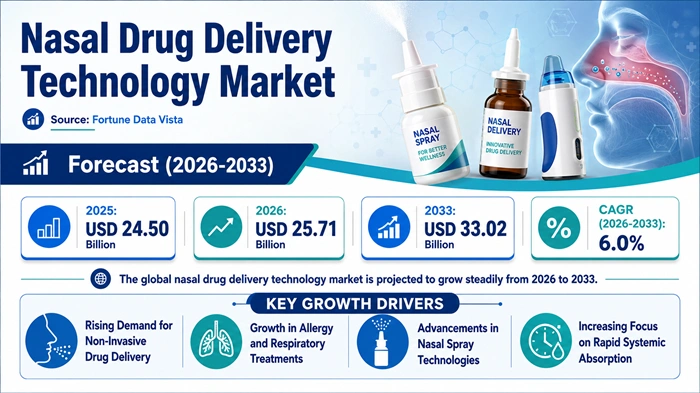
The global nasal drug delivery technology market size is valued at USD 24.50 billion in 2025 and is predicted to increase from USD 25.71 billion in 2026 to approximately USD 33.02 billion by 2033, growing at a CAGR of 6.0% from 2026 to 2033.
Nasal drug delivery refers to the administration of medications through the nasal mucosa, offering a non-invasive, rapid-absorption route that bypasses the gastrointestinal tract and avoids first-pass metabolism in the liver. This approach delivers faster therapeutic onset compared to oral dosage forms and is better tolerated by patients who struggle with injections or swallowing tablets — particularly elderly and pediatric populations. From metered-dose nasal sprays for allergic rhinitis to cutting-edge nanocarrier systems designed for nose-to-brain drug transport in Alzheimer's and Parkinson's disease management, this market spans an exceptionally broad therapeutic landscape. The convergence of formulation innovation, patient demand for self-administration, and expanding regulatory support is creating compelling long-term growth momentum across the nasal drug delivery technology market.
AI Impact on the Nasal Drug Delivery Technology Industry
From AI-guided formulation optimization to smart connected inhalers, artificial intelligence is beginning to transform how nasal drug delivery products are designed, tested, and managed at the patient level
Artificial intelligence is making measurable contributions to the innovation pipeline of the nasal drug delivery technology sector. In formulation science, machine learning models are being used to screen thousands of excipient and carrier combinations — including mucoadhesive polymers, liposomes, and nanoparticles — to identify those most likely to achieve the target absorption profile, bioavailability, and mucosal retention time for a given active pharmaceutical ingredient. This approach is drastically shortening the preclinical development phase, allowing pharmaceutical companies to allocate R&D resources more efficiently and bring novel intranasal products to clinical trials faster. For complex applications like nose-to-brain delivery of biologics or peptides, AI-driven molecular modeling is proving especially valuable by predicting interactions between drug molecules and the olfactory epithelium with a level of precision that traditional trial-and-error methods simply cannot match.
At the patient interface, AI-enabled connected nasal devices are emerging as a new frontier in adherence monitoring and personalized dosing. Smart metered-dose inhalers fitted with sensors and wireless connectivity can now capture data on dosing frequency, inhalation technique, and nasal geometry — feeding this information into algorithms that alert clinicians to adherence gaps or flag suboptimal delivery patterns in real time. This capability is particularly valuable in managing chronic conditions such as asthma, COPD, and allergic rhinitis, where treatment outcomes are closely tied to consistent and correct device use. As digital health integration deepens across the pharmaceutical and medical device industries, AI-enhanced nasal drug delivery platforms are expected to become a meaningful differentiator for companies investing in smart therapeutic solutions over the forecast period.
Growth Factors
Rising chronic respiratory disease burden, patient preference for non-invasive self-administration, and a breakthrough wave of CNS-targeted nasal formulations are collectively powering the growth of the nasal drug delivery technology market at a strong and sustained pace
The most fundamental driver of the nasal drug delivery technology market is the escalating global burden of respiratory conditions and related diseases. Allergic rhinitis affects over 400 million people worldwide, while asthma, chronic sinusitis, and COPD collectively impact hundreds of millions more — all of whom require long-term pharmacological management. Nasal drug delivery systems offer a proven and convenient administration route for corticosteroids, antihistamines, decongestants, and bronchodilators, making them the standard of care for many of these conditions. As the global population ages and environmental factors continue to drive higher rates of respiratory allergy and pollution-related disease, the underlying demand base for intranasal therapeutics is growing steadily and predictably across all major geographic markets.
A second powerful growth engine is the rapid advancement of CNS-targeted nasal drug delivery — a therapeutic category that barely existed commercially a decade ago. The nose-to-brain delivery pathway offers direct access to the central nervous system via the olfactory and trigeminal nerve routes, bypassing the blood-brain barrier that has historically made CNS drug development so challenging. Research programs targeting Alzheimer's disease, Parkinson's disease, epilepsy, migraine, and psychiatric disorders are increasingly exploring intranasal platforms, and several products in this space are already approved or in late-stage clinical trials. The July 2025 Wake Forest University study confirming that intranasal insulin delivered via nasal spray safely reaches memory-critical brain regions in older adults is a landmark validation of this approach. For pharmaceutical developers, the nasal route is increasingly viewed not just as an alternative delivery modality but as a genuinely enabling technology for neurological drug programs that would otherwise be commercially unviable.
Market Outlook
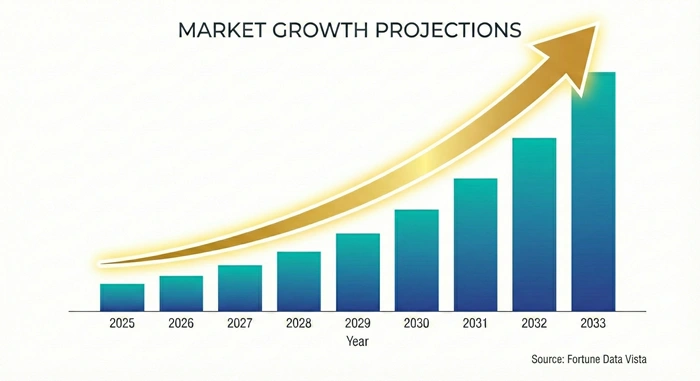
A projected revenue doubling from 2025 to 2033, driven by expanding CNS applications, advancing nanocarrier technologies, and growing patient-centric demand for non-invasive drug delivery, positions the nasal drug delivery technology market among the most compelling growth segments in pharmaceutical innovation
The medium- to long-term outlook for the nasal drug delivery technology market is robustly positive. Growing at a CAGR of 6.0% through 2033, the market is expected to add over USD 7 billion in incremental value from its 2026 base to reach USD 33.02 billion. North America will retain its dominant regional position, underpinned by strong product pipelines, FDA support for intranasal emergency therapies like naloxone and seizure management sprays, and well-developed reimbursement frameworks. Meanwhile, Asia Pacific is poised to deliver the fastest regional growth, supported by expanding healthcare expenditure, rising respiratory disease prevalence, and growing domestic pharmaceutical manufacturing capabilities in China, India, and Southeast Asia.
Product innovation will be a key determinant of growth trajectory in the years ahead. The shift from traditional metered-dose sprays toward next-generation platforms — including nasal dry powder inhalers, biodegradable mucoadhesive microspheres, nano-emulsions, and needle-free liquid jet devices — is opening new application areas and improving clinical outcomes in existing therapeutic categories. Companies that invest in formulation differentiation, device engineering, and regulatory expertise for nose-to-brain drug delivery will capture disproportionate market share as this high-value niche matures. The overall market environment — characterized by supportive regulation, strong unmet clinical need, and rapidly advancing technology — suggests that the nasal drug delivery technology market is well on course to sustain its growth momentum through the full 2026–2033 forecast window.
Expert Speaks
-
"Non-invasive drug delivery has never been more strategically important to our pipeline than it is right now. The nasal route — particularly for CNS indications — gives us access to patient populations and therapeutic targets that simply were not commercially addressable five years ago. We are committing significant R&D resources to intranasal biologics and are confident this segment will be a meaningful growth contributor over the next decade." — CEO perspective, global top-tier pharmaceutical company
-
"Patient adherence is the single biggest challenge in managing chronic respiratory disease at scale. Nasal drug delivery systems — when designed correctly with the patient's real-world experience in mind — dramatically improve compliance and clinical outcomes. Our investment in smart nasal devices with digital integration reflects our conviction that this market will continue to grow strongly, especially as self-administration becomes the norm in chronic disease management." — CEO perspective, leading medical device company in drug delivery systems
-
"The speed of innovation in nasal formulation science has genuinely surprised us over the past few years. From mucoadhesive gels and nanocarrier systems to the first commercial DNA-class intranasal vaccines, the range of what can now be delivered through this route is remarkable. We are actively building partnerships with formulation technology companies to extend the nasal delivery capabilities in our portfolio." — CEO perspective, multinational specialty pharma and biologics company
Key Report Takeaways
-
North America leads the global nasal drug delivery technology market, holding approximately 35% of total revenue share in 2025, driven by a mature pharmaceutical industry, FDA approvals of breakthrough intranasal products such as Narcan and VALTOCO, and strong consumer demand for convenient, self-administered therapies across allergy, CNS, and acute care indications.
-
Asia Pacific is the fastest-growing region, expected to register the highest CAGR through 2033, driven by rapidly rising respiratory disease prevalence, healthcare infrastructure expansion, growing domestic drug formulation capabilities in China and India, and increasing government support for non-invasive drug administration methods.
-
Allergic rhinitis is the largest indication segment, accounting for over 32% of total market revenue in 2025, as it represents the most prevalent condition treated with intranasal therapies globally — spanning corticosteroid sprays, antihistamine formulations, and saline-based over-the-counter products distributed through retail pharmacy channels.
-
Metered-dose nasal sprays dominate the technology segment, holding the largest share due to their widespread use, proven efficacy, regulatory familiarity, and established global distribution network across both prescription and OTC product categories for conditions including rhinitis, asthma, and sinusitis.
-
Non-pressurized containers dominate the container type segment with over 86% revenue share in 2025, driven by their lower production cost, patient-friendly form factors including squeeze bottles and spray droppers, and expanding use in OTC nasal health products across retail pharmacy channels worldwide.
-
Nasal dry powder inhalers (DPIs) represent the fastest-growing technology sub-segment, expected to achieve a strong CAGR through 2033 as improvements in powder formulation, particle engineering, and dispersibility make DPIs increasingly viable for peptides, biologics, and vaccines — categories that were previously impractical for nasal powder delivery.
-
CNS drug delivery via the nasal route is the fastest-growing indication segment, driven by clinical breakthroughs in nose-to-brain delivery for Alzheimer's disease, epilepsy, and migraine management, and by a growing body of real-world evidence validating this approach for conditions where rapid and targeted brain exposure is therapeutically critical.
Market Scope
| Parameter | Details |
|---|---|
| Market Size by 2033 | USD 33.02 Billion | Market Size by 2026 | USD 25.71 Billion | Market Size by 2025 | USD 24.50 Billion | Market Growth Rate from 2026 to 2033 | CAGR of 6.0% | Dominating Region | North America | Fastest Growing Region | Asia Pacific | Segments Covered | Technology, Dosage Form, Container Type, Indication, Distribution Channel, End User | Regions Covered | North America, Europe, Asia Pacific, Latin America, Middle East & Africa |
Market Dynamics
Drivers Impact Analysis
Rising respiratory disease prevalence, the transformative potential of nose-to-brain delivery for CNS disorders, and accelerating patient adoption of self-administered intranasal therapies are the primary forces driving the nasal drug delivery technology market toward strong and sustained long-term growth
| Driver | ≈ % Impact on CAGR Forecast | Geographic Relevance | Impact Timeline |
|---|---|---|---|
| High prevalence of allergic rhinitis, asthma, and sinusitis | ~33% | Global, led by North America and Europe | Short to Long Term |
| Growing demand for nose-to-brain CNS drug delivery | ~27% | North America, Europe | Medium to Long Term |
| Patient preference for non-invasive self-administration | ~20% | Global, especially Asia Pacific | Short to Long Term |
| Technological advances in nasal formulations (nanocarriers, mucoadhesives) | ~13% | North America, Europe | Medium to Long Term |
| Regulatory support for intranasal emergency and OTC products | ~7% | North America, Europe | Short to Medium Term |
The dominant growth driver in the nasal drug delivery technology market is the sheer scale and chronicity of respiratory and allergic disease burden worldwide. Allergic rhinitis alone generates a colossal and recurring demand for corticosteroid nasal sprays, and the ongoing increase in environmental allergies, air pollution, and urban living conditions is expanding this patient base year on year. Beyond allergy management, the growing adoption of intranasal formulations for acute conditions — including migraine attacks, epileptic seizures, and opioid overdose reversal — is introducing the nasal route to entirely new patient demographics and clinical settings. Each successful product approval in these acute-care categories creates positive awareness among prescribers and patients alike, further normalizing the intranasal route and expanding the total addressable market for nasal drug delivery solutions.
The emergence of CNS-targeted nasal drug delivery is arguably the most transformative long-term growth catalyst in this space. As the global population ages and neurodegenerative disease incidence rises, pharmaceutical developers are under mounting pressure to find delivery mechanisms that can reliably transport therapeutics across the blood-brain barrier — one of the most persistent challenges in modern drug development. The nasal route offers a biologically elegant solution through olfactory and trigeminal nerve pathways that provide relatively direct access to brain tissue. Products like VALTOCO (diazepam nasal spray for seizure clusters) and the intranasal insulin formulations currently in late-stage trials for Alzheimer's disease represent early commercial proof points of an approach that has the potential to unlock billions of dollars in new therapeutic value over the 2026–2033 forecast horizon.
Restraints Impact Analysis
High formulation development costs, complex regulatory requirements, and the biological limitations of nasal mucosal absorption for large-molecule drugs are creating meaningful friction that is tempering the pace of the nasal drug delivery technology market's otherwise strong growth trajectory
| Restraint | ≈ % Impact on CAGR Forecast | Geographic Relevance | Impact Timeline |
|---|---|---|---|
| High development and clinical validation costs for novel nasal formulations | ~42% | Global | Medium to Long Term |
| Complex and variable regulatory pathways across different jurisdictions | ~33% | Asia Pacific, Latin America, MEA | Short to Medium Term |
| Biological limitations in delivering large-molecule drugs via nasal mucosa | ~25% | Global | Medium to Long Term |
The most significant commercial restraint facing the nasal drug delivery technology market is the substantial cost and complexity involved in developing nasal formulations that meet both efficacy and regulatory standards. Unlike conventional oral tablet development, nasal formulation requires detailed characterization of spray pattern, droplet size distribution, nasal deposition geometry, mucosal permeability, and drug stability under nasal physiological conditions. The costs of conducting nasal bioavailability studies, device-formulation compatibility testing, and human factors usability trials are considerable — and these must be repeated for each market jurisdiction, as the FDA, EMA, and Asian regulatory agencies each have distinct guideline requirements for intranasal product approval. For smaller pharmaceutical companies, these barriers can be prohibitive, limiting the pace of new product introductions and slowing competition in a market that would otherwise benefit from greater innovation.
Biological constraints represent a secondary but technically important restraint that is shaping R&D investment priorities across the industry. The nasal mucosa, while permeable to small hydrophilic and lipophilic molecules, is naturally resistant to the absorption of large-molecule biologics — including monoclonal antibodies, growth hormones, and certain vaccines — unless enhanced by specific absorption promoters, nanocarrier encapsulation, or mucosal permeabilizers. These approaches add formulation complexity and raise safety concerns around potential mucosal irritation or long-term ciliary toxicity with repeated use. Navigating these biological limitations requires significant scientific investment and careful clinical risk management, which prolongs development timelines and narrows the commercially viable window for certain promising nasal drug programs.
Opportunities Impact Analysis
The nose-to-brain drug delivery revolution, the rise of intranasal biologics and vaccines, and vast untapped demand in emerging markets represent three distinct and highly compelling opportunity horizons for companies positioned in the nasal drug delivery technology market
| Opportunity | ≈ % Impact on CAGR Forecast | Geographic Relevance | Impact Timeline |
|---|---|---|---|
| Nose-to-brain delivery for CNS disorders (Alzheimer's, Parkinson's, epilepsy) | ~38% | North America, Europe | Medium to Long Term |
| Intranasal biologics and vaccine delivery platforms | ~30% | Global | Medium to Long Term |
| Expanding healthcare access and generic nasal product demand in emerging markets | ~22% | Asia Pacific, Latin America, MEA | Short to Medium Term |
| Digital and connected nasal device innovation | ~10% | North America, Europe | Long Term |
The most commercially transformative opportunity available to the nasal drug delivery technology market over the forecast period lies in nose-to-brain drug delivery for central nervous system disorders. The global CNS therapeutics market is enormous — exceeding USD 100 billion annually — yet its growth has long been constrained by the near-impenetrability of the blood-brain barrier to conventional systemic drug delivery. Intranasal administration via the olfactory epithelium offers a promising bypass route, and multiple clinical programs targeting Alzheimer's disease, Parkinson's disease, depression, and traumatic brain injury are in active development. If even a modest fraction of these programs achieve commercial approval, they would generate substantial and high-value revenue streams that would meaningfully diversify the overall market away from its current dependence on allergy and respiratory indications.
Intranasal biologics and vaccine delivery represent a second major opportunity dimension. The success of intranasal COVID-19 vaccines in clinical trials — several of which demonstrated mucosal immunity generation that systemic injection cannot achieve — has reinvigorated interest in the nasal route for prophylactic immunization. Mucosal vaccines delivered through the nose have the theoretical advantage of generating secretory IgA antibodies at the point of infection for respiratory pathogens, offering a level of protection that circulating antibodies alone cannot provide. If regulatory agencies in key markets — including the U.S., EU, and India — establish clear approval frameworks for intranasal vaccine formats in the coming years, this would open a category worth tens of billions in potential market value, with far-reaching implications for the global nasal drug delivery technology landscape.
Segment Analysis
By Technology: Metered Dose Nasal Sprays
Proven clinical efficacy, massive market penetration across allergy and respiratory indications, and continuous device innovation have made metered dose nasal sprays the undisputed technology leader and revenue backbone of the nasal drug delivery technology market
Metered dose nasal sprays represent the largest technology segment within the nasal drug delivery technology market, holding approximately 38% of global revenue share in 2025. These devices deliver a precisely measured quantity of drug formulation directly into the nasal cavity with each actuation, offering accurate dosing consistency that is critical for therapeutic efficacy across chronic conditions including allergic rhinitis, vasomotor rhinitis, and nasal polyposis. Their wide commercial acceptance is underpinned by decades of clinical use, established manufacturing supply chains, and the availability of both prescription and OTC formulations through retail pharmacy channels worldwide. The segment is growing at a CAGR of approximately 6.4% through 2033, with North America remaining the dominant geographic market — accounting for the largest share of global metered-dose spray revenue, supported by strong consumer brand recognition for products like Flonase, Nasacort, and Rhinocort. Companies including GlaxoSmithKline, AptarGroup, AstraZeneca, and Johnson & Johnson dominate the competitive landscape in this segment through a combination of proprietary formulation expertise, device patents, and extensive retail distribution networks.
The ongoing evolution of metered dose spray technology is adding new commercial value to an already mature segment. Device manufacturers are incorporating multi-dose counter mechanisms, preservative-free formulations, ergonomic actuator redesigns, and bidose delivery systems for bilateral nasal administration — all of which improve patient experience and clinical outcomes while extending the competitive differentiation of branded products. Regulatory agencies, particularly the FDA, have published detailed guidance on dose-content uniformity testing and spray pattern characterization, creating a well-defined — if demanding — compliance pathway for new entrants. Emerging market regions, particularly India, China, and Southeast Asia, are experiencing rapid growth in domestic demand for metered dose corticosteroid and decongestant sprays, driven by rising allergic rhinitis prevalence and expanding pharmacy retail infrastructure. This geographic diversification is broadening the global revenue base of the metered dose nasal sprays segment beyond its traditional concentration in North America and Europe.
By Indication: Allergic Rhinitis
With hundreds of millions of sufferers globally, allergic rhinitis commands the largest indication share in the nasal drug delivery technology market and continues to generate steady, high-volume demand for both prescription and over-the-counter intranasal therapies
The allergic rhinitis segment holds the largest revenue share among all indication categories in the nasal drug delivery technology market, contributing over 32% of global market revenue in 2025. Allergic rhinitis is the most widespread chronic condition managed through nasal drug delivery, affecting an estimated 400 to 500 million people globally and generating consistent, recurring demand for corticosteroid nasal sprays, antihistamine formulations, and saline-based nasal rinse products. Its high prevalence, year-round recurrence pattern, and the availability of effective over-the-counter treatment options make it the most commercially accessible indication in the market — driving strong retail pharmacy sales volumes in every major geographic region. The segment is growing at a CAGR of approximately 5.8% through 2033, with North America and Europe jointly accounting for the majority of revenue, while Asia Pacific is emerging as the fastest-growing sub-region within this indication due to increasing urbanization-related allergen exposure and expanding OTC healthcare access. Key companies serving this indication include GlaxoSmithKline (Flonase), AstraZeneca (Rhinocort), Bausch Health, and Perrigo Company, all of which have strong OTC retail portfolios targeting this patient population.
The competitive landscape within the allergic rhinitis indication is increasingly shaped by the push toward patient-centric product differentiation. Premium formulations offering preservative-free compositions, improved fragrance profiles, gentler excipient systems, and combination products that address both nasal and ocular allergy symptoms simultaneously are gaining market share at the expense of basic first-generation corticosteroid sprays. The growing popularity of continuous-dose nasal irrigation systems and saline nasal sprays as complementary or standalone therapies is also expanding the total serviceable market beyond pure pharmaceutical formulations. Pediatric applications represent a significant sub-segment opportunity within allergic rhinitis, as children have high rates of allergic disease and require age-appropriate intranasal formulations with carefully controlled dosing — an area where specialty pharmaceutical companies and device developers are investing meaningfully to capture growing demand.
Regional Insights
North America
North America's pharmaceutical leadership, strong regulatory clarity, and high adoption rates of both prescription and OTC nasal therapies firmly establish it as the revenue-dominant region in the global nasal drug delivery technology market
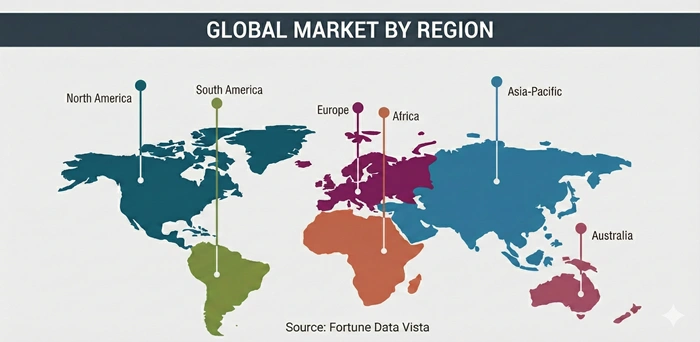
North America holds the largest regional share in the nasal drug delivery technology market, accounting for approximately 35% of global revenue in 2025, with a regional CAGR of approximately 6.2% projected through 2033. The U.S. market alone was valued at approximately USD 10.88 billion in 2025 and is driven by the highest per-capita consumption of intranasal therapeutics in the world, encompassing allergy management, pain control, CNS drug delivery, and emergency medicine applications. The FDA has been particularly supportive of intranasal product innovation — approving landmark products such as Narcan (naloxone) for OTC nasal administration, VALTOCO (diazepam nasal spray) for seizure management, and Nayzilam, all of which have validated the commercial viability of the nasal route for acute and life-saving indications. Key companies with dominant North American presence include AptarGroup, Pfizer, AstraZeneca, GlaxoSmithKline, Becton Dickinson, and Neurelis, which collectively maintain the most comprehensive product and technology portfolios in the regional market.
Canada contributes a meaningful portion of North American market revenue, with a strong regulatory framework managed by Health Canada that closely mirrors FDA standards, enabling efficient lifecycle management for products approved in both markets. The region benefits from well-developed reimbursement systems that support broad patient access to both prescription and OTC nasal products, and from a highly active pharmaceutical innovation ecosystem that includes major clinical trial activity for next-generation intranasal CNS and vaccine delivery platforms. As the U.S. government's focus on opioid overdose reversal through accessible naloxone distribution continues to expand, and as CNS-targeted nasal therapeutics advance through clinical pipelines, North America's position as the market's largest and most commercially sophisticated region is expected to be maintained comfortably through the 2033 forecast horizon.
Asia Pacific
Asia Pacific's explosive growth in respiratory disease burden, expanding pharmaceutical manufacturing capabilities, and rapid healthcare modernization across China, India, and Southeast Asia are driving the region to emerge as the most dynamic and fastest-growing market for nasal drug delivery technology globally
Asia Pacific is the fastest-growing region in the nasal drug delivery technology market, expected to register the highest regional CAGR through 2033, supported by a convergence of demand-side and supply-side growth catalysts. The region hosts the world's largest population, the highest prevalence of untreated respiratory and allergic conditions, and some of the fastest-growing healthcare markets globally — all of which create an enormous and largely underpenetrated demand base for intranasal therapeutics. China and India are the twin engines of regional growth: China's domestic pharmaceutical market is experiencing rapid expansion of its nasal spray and inhalation product categories, while India's combination of a large patient base, a growing middle class, and a world-class generics manufacturing industry is generating both domestic consumption and export-driven production of intranasal dosage forms. Key regional players include Sun Pharmaceutical Industries (India), Cipla Limited (India), and numerous Chinese manufacturers that are actively expanding their intranasal product portfolios.
Japan and South Korea contribute significant high-value revenue within the region, with well-developed pharmaceutical markets that consume premium nasal therapeutics for allergy management and CNS applications at above-average per-capita rates. Australia, while smaller in population, has an advanced healthcare system with growing interest in nose-to-brain delivery research and clinical trial activity. Southeast Asian markets — including Thailand, Vietnam, Indonesia, and the Philippines — are at an earlier stage of adoption but represent high-growth opportunities as healthcare access expands and awareness of non-invasive drug delivery benefits grows. Government initiatives supporting pharmaceutical self-sufficiency in India and China, combined with rising private healthcare spending across the region, are expected to sustain Asia Pacific's leadership in CAGR performance well into the 2033 forecast window.
Report Customization Available
Get a Customized Nasal Drug Delivery Technology Market Report Built for Your Region or Country
Our nasal drug delivery technology market report is available with full region-specific and country-level customization to precisely match your geographic research and business intelligence needs. Each tailored version provides in-depth market sizing, technology-specific demand analysis, competitive landscapes, regulatory environment reviews, distribution channel breakdowns, and growth opportunity mapping — all customized to reflect the real dynamics of your target geography.
Customized nasal drug delivery technology market reports are available for the following regions and countries:
North America
-
United States – Deep-dive analysis on FDA regulatory framework, OTC nasal spray market, CNS intranasal drug pipeline, naloxone distribution programs, and key company competitive positioning
-
Canada – Coverage of Health Canada approval processes, allergy therapeutics market, nasal vaccine development activity, and bilingual OTC product landscape
-
Mexico – Analysis of retail pharmacy nasal product distribution, growing demand for affordable nasal formulations, and pharmaceutical market access dynamics
Europe
-
United Kingdom – Focus on MHRA regulatory environment, NHS prescribing patterns for intranasal corticosteroids, and nasal CNS delivery R&D activity post-Brexit
-
Germany – Analysis of advanced healthcare system nasal drug adoption, biotech partnerships in powder nasal formulations, and hospital pharmacy market dynamics
-
France – Coverage of rhinitis and sinusitis therapeutics market, reimbursement landscape, and OTC nasal product trends through French retail pharmacy networks
-
Italy – Insights on nasal decongestant and corticosteroid market, aging population demand, and competitive distributor landscape for intranasal products
-
Rest of Europe – Aggregated analysis covering Spain, Netherlands, Belgium, Poland, and Scandinavian countries, including Norway's growing interest in intranasal vaccine platforms
Asia Pacific
-
China – In-depth coverage of domestic nasal spray manufacturing growth, e-commerce distribution of OTC nasal products, CNS nasal research programs, and government API supply chain initiatives
-
India – Analysis of generic nasal spray export market, CDSCO regulatory environment, Sun Pharma and Cipla intranasal product portfolios, and growing domestic allergy therapeutics demand
-
Japan – Coverage of PMDA regulatory framework, high-value nasal therapeutics market, and precision nasal device innovation activity among domestic manufacturers
-
South Korea – Insights on intranasal allergy and CNS product adoption, MFDS regulatory framework, and growing pharmaceutical R&D partnerships in nasal delivery
-
Australia – Coverage of TGA-regulated nasal therapeutics market, clinical trial activity in nose-to-brain delivery, and retail pharmacy OTC nasal product trends
-
Rest of Asia Pacific – Analysis covering Southeast Asian markets including Thailand, Vietnam, Indonesia, and the Philippines, with focus on growing middle-class demand for intranasal allergy therapies
Latin America
-
Brazil – Detailed analysis of ANVISA regulatory landscape, retail pharmacy nasal product distribution, growing demand for affordable generic nasal sprays, and respiratory disease burden
-
Argentina – Coverage of pharmaceutical market dynamics, ANMAT regulatory requirements, and nasal drug delivery adoption in public and private healthcare sectors
-
Rest of Latin America – Insights covering Colombia, Chile, Peru, and Mexico's nasal drug delivery market dynamics, including OTC product access and distribution network expansion
Middle East & Africa
-
UAE – Coverage of DHA/MOH-regulated nasal drug market, strong retail pharmacy presence, allergy therapeutics demand, and partnerships between global pharma firms and regional distributors
-
Saudi Arabia – Analysis of SFDA regulatory environment, Vision 2030 healthcare investment impact, growing respiratory disease burden, and nasal spray OTC market expansion
-
Rest of MEA – Insights covering South Africa, Egypt, Kuwait, and Sub-Saharan African markets, including public health program interest in affordable intranasal formulations
Top Key Players
-
AptarGroup, Inc. (United States)
-
Pfizer Inc. (United States)
-
AstraZeneca PLC (United Kingdom)
-
GlaxoSmithKline PLC (United Kingdom)
-
Becton Dickinson and Company (United States)
-
3M Company (Kindeva Drug Delivery) (United States)
-
Nemera SA (France)
-
Gerresheimer AG (Germany)
-
Johnson & Johnson (United States)
-
Neurelis Inc. (United States)
-
Catalent Inc. (United States)
-
Sun Pharmaceutical Industries Ltd. (India)
-
Cipla Limited (India)
-
Recipharm AB (Sweden)
-
OptiNose, Inc. (United States)
Recent Developments
-
In April 2025, Neurelis Inc. received expanded FDA approval for VALTOCO diazepam nasal spray for the treatment of seizure clusters in patients aged six years and above, utilizing the company's proprietary INTRAVAIL absorption enhancement technology. This landmark approval confirmed the clinical superiority of the intranasal diazepam formulation over rectal gel delivery, reinforcing VALTOCO's orphan drug exclusivity designation and establishing a strong commercial position in the emergency seizure management market.
-
In July 2025, AptarGroup announced that its nasal drug delivery system was utilized in a groundbreaking brain imaging study published by Wake Forest University School of Medicine, confirming that intranasal insulin delivered via nasal spray safely and effectively reaches key memory regions of the brain in older adults. This real-world clinical validation is a significant milestone for AptarGroup's nasal platform positioning in the CNS and Alzheimer's disease drug delivery pipeline.
-
In 2025, Kindeva Drug Delivery (a spin-off from 3M's Drug Delivery Systems division) continued expanding its customer base for metered dose inhaler and nasal spray development and manufacturing services, with new partnership agreements announced for co-development of pressurized and dry powder intranasal formulations targeting CNS and respiratory indications across North American and European markets.
-
In 2024, Catalent Inc. completed a significant capacity expansion at its nasal drug delivery formulation and fill-finish facility in the United Kingdom, increasing production capacity for both liquid nasal sprays and emerging nasal powder formats. The expansion was driven by growing CDMO demand for specialized intranasal product development, particularly from pharmaceutical companies pursuing CNS drug delivery applications.
-
In 2025, Nemera SA launched a new generation of multi-dose nasal spray device incorporating a redesigned pump mechanism that delivers improved spray pattern consistency, lower residual volume, and enhanced child-resistant actuator features. The new platform was developed in close collaboration with major pharmaceutical clients seeking to differentiate their intranasal corticosteroid and vaccine formulation products in competitive OTC and prescription markets.
Market Trends
Patient-centric device innovation, the mainstreaming of nose-to-brain drug delivery, and the rapid expansion of intranasal biologics and vaccines are three converging trends that are reshaping the long-term competitive landscape of the nasal drug delivery technology market
One of the most significant trends currently reshaping the nasal drug delivery technology market is the industry-wide shift toward patient-centric device design and smart connected nasal delivery systems. Pharmaceutical companies and device manufacturers are increasingly recognizing that product success in competitive nasal categories — particularly OTC allergy and chronic condition segments — depends as much on user experience as on formulation efficacy. This has driven substantial investment in ergonomic actuator design, preservative-free formulations, fragrance-neutral sprays, bidose delivery systems, and anti-drip mechanisms that reduce post-nasal drip and improve drug deposition in the upper nasal cavity. Simultaneously, the integration of digital sensors into premium nasal devices is beginning to create connected inhaler-type platforms that can track adherence, detect incorrect technique, and sync usage data to healthcare provider dashboards — a capability that is particularly valued in the management of chronic conditions like asthma and COPD.
The second defining trend is the accelerating clinical and commercial momentum of CNS-targeted intranasal therapeutics. Multiple high-profile clinical programs targeting Alzheimer's disease, Parkinson's disease, depression, post-traumatic stress disorder, and epilepsy are advancing through development pipelines, and several are in late-stage trials with potential approvals anticipated in the 2026–2030 window. The successful commercialization of even two or three of these programs would create entirely new market categories within the broader nasal drug delivery technology landscape, attracting significantly larger pharmaceutical investment and accelerating formulation and device innovation. Alongside CNS applications, the growing commercial viability of intranasal vaccines — particularly for respiratory pathogens — is drawing renewed attention from both innovative biotech companies and major vaccine manufacturers, signaling that the intranasal route is evolving from a niche administration modality into a mainstream therapeutic platform across multiple disease areas.
Segments Covered in the Report
-
By Technology
-
Metered Dose Nasal Sprays
-
Nasal Dry Powder Inhalers
-
Nasal Drops
-
Nasal Gels
-
Nasal Powders
-
Nanoparticle-Based Delivery Systems
-
Mucoadhesive Drug Delivery Systems
-
-
By Dosage Form
-
Nasal Spray
-
Nasal Drop
-
Nasal Gel
-
Nasal Powder
-
-
By Container Type
-
Pressurized Containers
-
Non-Pressurized Containers
-
-
By Indication
-
Allergic Rhinitis
-
Sinusitis
-
Nasal Congestion
-
CNS Drug Delivery (Brain-Targeting)
-
Asthma
-
Diabetes (Peptide/Hormone Delivery)
-
Pain Management
-
Others (Hormonal Therapy, Vaccines, Infections)
-
-
By Distribution Channel
-
Retail Pharmacies
-
Hospital Pharmacies
-
Online Pharmacies
-
-
By End User
-
Adults
-
Pediatrics
-
-
By Region
-
North America (U.S., Canada, Mexico)
-
Europe (U.K., Germany, France, Italy, Spain, Rest of Europe)
-
Asia Pacific (China, India, Japan, South Korea, Australia, Rest of Asia Pacific)
-
Latin America (Brazil, Argentina, Mexico, Rest of Latin America)
-
Middle East & Africa (UAE, Saudi Arabia, South Africa, Rest of MEA)
-
❝ Built for Every Level — From Startups to Industry Giants ❞
Here Is Exactly How This Report Works for You
-
For Tier 1 companies, institutional investors, and C-suite executives: This report delivers a comprehensive competitor revenue analysis — breaking down revenue by technology platform, indication, distribution channel, and geography for all 15+ major players including AptarGroup, Pfizer, AstraZeneca, and GlaxoSmithKline. It also maps how geopolitical factors — including FDA policy shifts, cross-border API supply chain disruptions, patent cliff timelines, and emerging market regulatory convergence — are directly impacting competitive positioning and pricing dynamics across the nasal drug delivery technology market, giving you a strategic intelligence edge in an increasingly complex global landscape.
-
For Tier 2 and Tier 3 companies, mid-level pharmaceutical and device manufacturers: The report provides a clear view of supply-demand imbalances across all five regions, identifying which technology sub-segments (dry powder, nanocarrier, connected devices) and which indication categories (CNS, vaccines, biologics) are currently underserved relative to existing manufacturing capacity and commercial supply. This pinpoints the precise market entry and product expansion opportunities that offer the best risk-adjusted growth potential for companies looking to scale their nasal delivery business efficiently and profitably.
-
For startups, biotech innovators, and emerging market investors: This report maps the fastest-growing frontiers in nasal drug delivery — including nose-to-brain CNS therapeutics, intranasal biological vaccines, and next-generation DPI platforms — with granular data on R&D pipeline activity, partnership trends, funding flows, and regulatory pathway clarity in high-growth markets across Asia Pacific and Latin America. It tells you not just where the market stands today, but where the next generation of commercial breakthroughs will emerge through 2033 — giving you the strategic foundation to enter, invest, and grow with precision and confidence.
Frequently Asked Questions:
Answer: The global nasal drug delivery technology market is valued at USD 24.50 billion in 2025 and is expected to reach approximately USD 33.02 billion by 2033. The market is projected to grow at a CAGR of 6.0% from 2026 to 2033, driven by rising respiratory disease prevalence, growing CNS drug delivery applications, and increasing patient demand for non-invasive self-administered therapies.
Answer: North America dominates the nasal drug delivery technology market with approximately 35% of global revenue share in 2025, driven by strong FDA support for intranasal products and high consumer adoption rates. Asia Pacific is the fastest-growing region through 2033, supported by expanding healthcare infrastructure, growing allergy disease burden, and rapid growth in pharmaceutical manufacturing capabilities in China and India.
Answer: The nasal drug delivery technology market is primarily driven by allergic rhinitis — which accounts for over 32% of indication-based revenue in 2025 — along with sinusitis, nasal congestion, asthma, and the rapidly expanding CNS drug delivery segment. Nose-to-brain delivery applications for Alzheimer's disease, epilepsy, and migraine represent the fastest-growing new indication category through 2033.
Answer: The primary challenges in the nasal drug delivery technology market include high formulation development costs, complex multi-jurisdictional regulatory approval processes, and the biological difficulty of delivering large-molecule drugs across the nasal mucosa. These factors extend development timelines, increase compliance costs, and limit the speed at which novel intranasal products can be commercialized globally.
Answer: Key companies in the nasal drug delivery technology market include AptarGroup, Pfizer, AstraZeneca, GlaxoSmithKline, Becton Dickinson, 3M (Kindeva Drug Delivery), Nemera, Gerresheimer, Johnson & Johnson, and Neurelis. These players compete through proprietary device-formulation combinations, strategic R&D investments in CNS and biologic nasal delivery platforms, and global distribution network strength.