
Opioids Market Overview
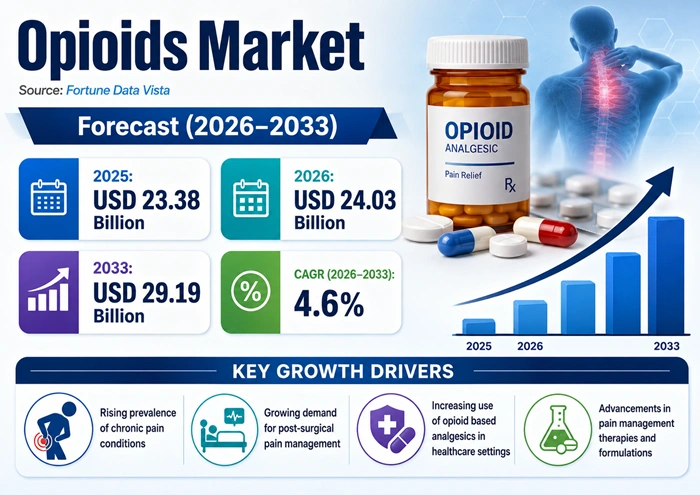
The global opioids market size is valued at USD 23.38 billion in 2025 and is predicted to increase from USD 24.03 billion in 2026 to approximately USD 29.19 billion by 2033, growing at a CAGR of 4.6% from 2026 to 2033. This steady expansion reflects growing demand for prescription pain management therapies driven by rising chronic disease incidence, increasing cancer cases, and an aging global population that requires long-term pain relief solutions.
AI Impact on the Opioids Industry
Artificial Intelligence Is Quietly but Powerfully Reshaping How the Opioids Market Operates — From Drug Discovery to Prescription Monitoring*
Artificial intelligence is playing a growing role in the pharmaceutical pain management space. In the opioids industry, AI-powered tools are being used to predict patient risk for opioid dependency, flag unsafe prescribing patterns, and help clinicians make better treatment decisions. Machine learning algorithms now analyze electronic health records at scale to identify patients most at risk of developing opioid use disorder, enabling earlier intervention before dependency takes hold. This level of precision was simply not possible with traditional clinical workflows.
On the drug development side, AI is helping pharmaceutical companies shorten the timeline for designing safer abuse-deterrent opioid formulations. Computational modeling now assists researchers in understanding how various molecular structures interact with opioid receptors, which accelerates the creation of drugs that provide effective pain relief with a reduced potential for misuse. As regulatory agencies in the US and Europe push for safer alternatives, AI integration across the opioids market is expected to move from optional to essential in the coming years.
Growth Factors
Rising Chronic Pain Burden, Expanding Surgical Volumes, and Growing Cancer Prevalence Are the Core Forces Pushing the Opioids Market Forward*
The opioids market continues to grow primarily because the conditions that require it are becoming more widespread. Chronic pain affects hundreds of millions of people globally, and a significant share of those patients rely on prescription opioids as part of their treatment plan. Cancer pain management is another major demand driver — as cancer survival rates improve and patient populations live longer with the disease, the need for reliable analgesic therapies rises accordingly. Conditions such as musculoskeletal disorders, neuropathic pain, and post-surgical discomfort are also fueling prescriptions at both the hospital and outpatient level.
Another key growth factor is the expansion of palliative care services worldwide, particularly in emerging economies across Asia-Pacific, Latin America, and the Middle East. Governments and health organizations are recognizing the importance of pain relief as a fundamental part of compassionate care, which is translating into more structured access to opioid medications. The introduction of extended-release and abuse-deterrent formulations is also helping pharmaceutical companies maintain prescription volumes by addressing longstanding safety concerns, giving healthcare providers more confidence when prescribing pain management therapies to long-term patients.
Market Outlook
The Opioids Market Is Entering a New Phase of Balanced Growth — Driven by Medical Necessity and Guided by Stricter Safety Frameworks*
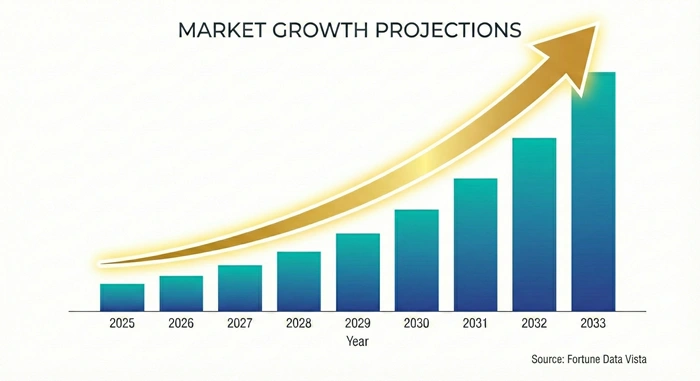
Looking ahead to 2033, the opioids market is expected to reach USD 29.19 billion, shaped by both strong clinical demand and an evolving regulatory landscape. The forecast period from 2026 to 2033 is expected to see particular growth in long-acting formulations and abuse-deterrent technologies, as both healthcare providers and regulators push for safer prescribing options. Hospital pharmacies will remain the primary distribution channel globally, especially for acute and post-surgical pain management, while online and retail pharmacies will capture increasing share in outpatient and chronic condition management settings.
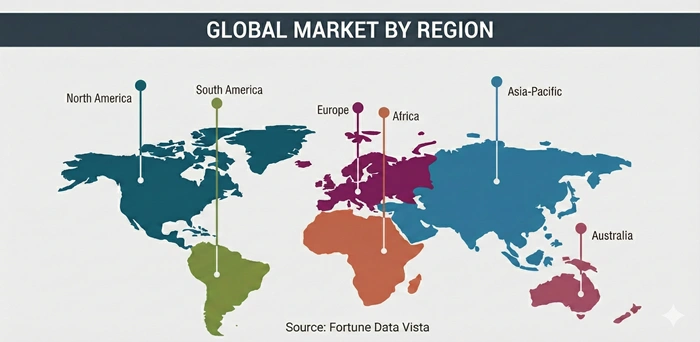
Geographically, North America will hold its dominant position due to high prescription volumes, established healthcare infrastructure, and strong research and development activity among top pharmaceutical companies. Meanwhile, Asia-Pacific will post the fastest growth trajectory through 2033, driven by healthcare infrastructure improvement, rising cancer incidence, expanding hospital networks, and growing awareness of structured pain management protocols. Europe is also expected to see steady uptake as aging populations drive long-term demand for managed pain therapies and palliative care opioids.
Expert Speaks
-
"The long-term demand for effective pain management therapies remains structurally supported by demographic trends. As populations age and chronic disease prevalence rises globally, pharmaceutical companies that focus on safer, more precise opioid formulations will find significant growth opportunities. The key is delivering clinical value without contributing to misuse risks." — CEO, Pfizer Inc.
-
"We are seeing a meaningful shift in how hospitals and outpatient care providers approach opioid-based pain therapy. The move toward evidence-based prescribing, combined with digital monitoring tools, is creating a more responsible ecosystem. Companies that invest in both innovation and compliance-ready solutions will define the next decade of this industry." — CEO, Johnson & Johnson
-
"The expanding role of generic opioid manufacturers in Asia, coupled with improved healthcare access across emerging markets, is reshaping global supply and demand dynamics. Affordability and accessibility will be the twin pillars of growth in markets like India, China, and Southeast Asia over the next five to seven years." — CEO, Teva Pharmaceutical Industries Ltd.
Key Report Takeaways
-
North America dominates the global opioids market, holding approximately 33.5% market share in 2026, backed by advanced healthcare infrastructure, high surgical volumes, and the largest base of opioid prescribers in the world.
-
Asia-Pacific is the fastest-growing region, expected to register the highest CAGR through 2033 due to rapid expansion of hospital networks, rising cancer burden, and improving access to essential pain medicines across China, India, and Southeast Asia.
-
Hospital pharmacies are the leading end-use distribution channel, contributing the largest revenue share owing to their role in managing controlled substance dispensing in acute and inpatient care settings.
-
The pain management application segment contributes the most to overall market revenue, as opioids remain the gold standard for moderate-to-severe pain across post-surgical, oncological, and palliative care scenarios.
-
Synthetic opioids represent the most popular product class, with fentanyl, tramadol, and related compounds holding approximately 45% of the market share in 2026 due to their potency and versatility in clinical settings.
-
The abuse-deterrent and extended-release opioid formulations segment is the fastest-growing future segment, expected to expand at a CAGR of over 6.2% through 2033, capturing roughly 28% market share as regulatory bodies and healthcare providers increasingly prioritize safety alongside efficacy in long-term prescribing.
Market Scope
| Parameter | Details |
|---|---|
| Market Size by 2033 | USD 29.19 Billion | Market Size by 2026 | USD 24.03 Billion | Market Size by 2025 | USD 23.38 Billion | Market Growth Rate from 2026 to 2033 | CAGR of 4.6% | Dominating Region | North America | Fastest Growing Region | Asia-Pacific | Segments Covered | By Drug Class, By Application, By Route of Administration, By Distribution Channel, By Region | Regions Covered | North America, Europe, Asia-Pacific, Latin America, Middle East & Africa |
Market Dynamics
Drivers Impact Analysis
Chronic Disease Proliferation and Expanding Surgical Procedures Are the Two Most Powerful Demand Drivers Sustaining Opioids Market Growth Through 2033*
| Driver | ≈ % Impact on CAGR Forecast | Geographic Relevance | Impact Timeline |
|---|---|---|---|
| Rising prevalence of chronic diseases and cancer pain | ~38% | Global, especially North America and Europe | Near to long-term |
| Increasing volume of surgical procedures | ~27% | North America, Asia-Pacific | Near to mid-term |
| Expansion of palliative care services | ~18% | Europe, Middle East, Asia-Pacific | Mid to long-term |
| Aging global population driving long-term pain demand | ~17% | North America, Europe, East Asia | Long-term |
The opioids market is gaining strong momentum from the growing burden of chronic diseases worldwide. Conditions such as cancer, musculoskeletal disorders, neuropathic pain, and inflammatory diseases are creating a sustained and expanding patient pool that depends on opioid-based therapies. According to global health data, chronic pain now affects more than 30% of the world's adult population, with a significant percentage requiring pharmacological management to maintain quality of life. This patient demand is structurally embedded in healthcare systems across all major geographies, making it one of the most durable demand drivers in the pharmaceutical sector.
Surgical volume growth is also contributing significantly to opioids market demand. With rising numbers of orthopedic, cardiac, and oncological surgeries being performed each year, hospitals require reliable access to injectable and oral opioid analgesics for acute perioperative pain management. In Asia-Pacific, where healthcare infrastructure is expanding at pace, new hospital builds and surgical capacity increases are directly translating into expanded opioid procurement. The interplay between growing disease burden, surgical expansion, and palliative care development is expected to sustain the 4.6% CAGR through 2033.
Restraints Impact Analysis
Addiction Risks, Regulatory Pressures, and Legal Liabilities Continue to Moderate Growth Projections and Shape the Business Environment in the Opioids Market*
| Restraint | ≈ % Impact on CAGR Forecast | Geographic Relevance | Impact Timeline |
|---|---|---|---|
| Opioid misuse, addiction, and overdose crisis | ~-35% | North America (especially US) | Ongoing |
| Stringent regulatory and prescribing restrictions | ~-28% | North America, Europe | Near to long-term |
| Legal liabilities and pharmaceutical litigation | ~-22% | United States, Canada | Mid-term |
| Growing preference for non-opioid pain alternatives | ~-15% | North America, Europe | Mid to long-term |
The risk of dependency and misuse remains the most prominent restraint on the opioids market. The ongoing opioid crisis in the United States has resulted in sweeping legislative action, tighter DEA controls, and more restrictive clinical guidelines from bodies such as the CDC. These regulatory measures have directly reduced prescription volumes in certain therapeutic categories and have pushed healthcare providers toward alternative pain management strategies where clinically appropriate. The legal fallout from opioid litigation has also created financial and reputational pressure on major pharmaceutical manufacturers.
Non-opioid pain management alternatives — including NSAIDs, nerve block procedures, cannabinoid-based therapies, and physical rehabilitation — are attracting increasing clinical interest and institutional support, particularly in Europe and North America. As patient advocacy groups push for safer pain management protocols, hospitals and clinics are actively revising their opioid-prescribing thresholds. While opioids remain medically indispensable in many situations, this competitive pressure from alternative modalities is expected to moderate overall opioids market growth rates, particularly in high-income countries, through 2033.
Opportunities Impact Analysis
Emerging Markets, Safer Formulation Innovation, and Digital Prescribing Technologies Are the Three Pillars Driving Untapped Growth Opportunities in the Opioids Market*
| Opportunity | ≈ % Impact on CAGR Forecast | Geographic Relevance | Impact Timeline |
|---|---|---|---|
| Untapped demand in emerging markets | ~40% | Asia-Pacific, Latin America, Middle East | Mid to long-term |
| Development of abuse-deterrent formulations | ~30% | North America, Europe, Asia | Near to long-term |
| Digital prescription monitoring and telehealth integration | ~18% | North America, Europe | Near to mid-term |
| Expanded access to palliative care in low-income countries | ~12% | Africa, Southeast Asia, South Asia | Long-term |
The most significant growth opportunity in the opioids market lies in emerging economies, where access to structured pain management remains inadequate. Millions of cancer patients in Africa, South Asia, and parts of Latin America currently have limited or no access to opioid analgesics for pain relief — a situation that global health organizations are actively working to address. As healthcare policies evolve and essential medicines programs expand, the pharmaceutical opportunity in these underserved markets is substantial.
Abuse-deterrent formulations (ADFs) represent another major commercial opportunity. These newer drug designs — which make it physically and chemically harder to misuse opioids — are increasingly favored by regulatory agencies and institutional payers. Companies that successfully develop and commercialize ADF-based products can command premium pricing while positioning themselves favorably with regulators. Combined with growing digital health integration, including electronic prescription monitoring systems and AI-driven patient tracking tools, the opioids market is well positioned to capture new value even in highly regulated environments.
Segment Analysis
By Drug Class
Synthetic Opioids Continue to Lead Prescription Volumes While Semisynthetic Variants Expand Their Footprint Across Hospital and Outpatient Care Settings*
The synthetic opioids segment commands the largest share of the global opioids market, accounting for approximately 45% of total market revenue in 2026. Compounds such as fentanyl, tramadol, and alfentanil dominate clinical use in acute care settings, particularly in emergency departments, intensive care units, and oncology wards. Their superior potency, rapid onset of action, and flexibility in delivery mechanisms — including patches, IV injections, sublingual tablets, and nasal sprays — make them highly versatile across treatment scenarios. Fentanyl patches alone represent a significant portion of outpatient chronic pain management, particularly among cancer patients in North America and Western Europe. Leading companies such as Pfizer Inc. (USA) and Teva Pharmaceutical Industries (Israel) continue to expand their synthetic opioid portfolios with both branded and high-margin generic formulations, reinforcing their dominance in this segment.
The semisynthetic opioids segment — covering oxycodone, hydrocodone, and hydromorphone — holds the second-largest market position, with a CAGR of approximately 4.8% projected through 2033. This segment is growing particularly fast in Asia-Pacific, where rising hospitalization rates and expanding insurance coverage are enabling greater access to structured pain management. India and China are seeing notable uptake of hydrocodone-acetaminophen combinations and oxycodone extended-release formulations in both public hospitals and private care facilities. Companies like Sun Pharmaceutical Industries (India) and Aurobindo Pharma (India) are scaling their semisynthetic opioid manufacturing to meet domestic and export demand. The segment's growth is also supported by an increasing number of orthopedic and post-surgical patients who require multi-day pain management protocols under physician supervision.
By Application
Pain Management Remains the Dominant Application Segment While Analgesia for Surgical and Cancer Patients Drives the Majority of Prescription Volumes*
The pain management application segment represents the largest share of the opioids market, driven by the sheer volume of patients experiencing moderate to severe pain across surgical, oncological, and chronic disease contexts. Hospitals and specialized pain management clinics are the primary drivers of opioid-based analgesia demand, with anesthesiologists, oncologists, and palliative care physicians accounting for the bulk of prescription activity. The segment benefits from established clinical guidelines that position opioids as first-line therapies for severe pain that does not respond adequately to non-opioid agents. Major players including Johnson & Johnson (USA) and AbbVie Inc. (USA) have established significant portfolios in this space, offering both branded and generic analgesic opioids that serve hospital formularies across North America and Europe.
The cough suppression sub-segment, while much smaller, is growing steadily in Asia-Pacific markets where codeine-based cough preparations remain widely prescribed. This sub-segment holds approximately 8–10% of overall market share and is expected to grow at a CAGR of around 3.2% through 2033. Growth is particularly notable in Southeast Asian markets such as Vietnam, Indonesia, and the Philippines, where over-the-counter and prescription codeine formulations are commonly used in primary care. Regulatory tightening in some markets may restrict certain codeine formulations going forward, but demand in less-regulated emerging markets is expected to sustain overall segment growth. Mallinckrodt Pharmaceuticals (Ireland/USA) and Hikma Pharmaceuticals (Jordan/UK) are among the key suppliers of codeine-based products in these growth geographies.
Regional Insights
North America
North America Remains the Undisputed Leader in the Global Opioids Market — Driven by Prescription Volume, Infrastructure Strength, and Leading Pharmaceutical Manufacturers*
North America holds the dominant position in the opioids market, commanding approximately 33.5% of global revenue in 2026. The United States is the single largest national market for prescription opioids, supported by a vast network of hospitals, outpatient pain clinics, and pharmacy chains that facilitate high-volume dispensing. The region's advanced healthcare infrastructure, strong insurance coverage for prescription analgesics, and active oncology and surgical sectors create a structurally high-demand environment. Despite regulatory crackdowns related to the opioid crisis, clinical demand for managed opioid therapies — particularly in cancer care, palliative settings, and major surgery recovery — remains robust. Key companies headquartered or heavily active in this region include Pfizer Inc. (USA), Johnson & Johnson (USA), Purdue Pharma L.P. (USA), Mallinckrodt Pharmaceuticals (USA), and Amneal Pharmaceuticals (USA).
North America's CAGR through 2033 is projected at approximately 3.5%, reflecting a measured pace of growth constrained by regulatory limits on prescribing but sustained by irreplaceable clinical need. The US FDA's ongoing approval of abuse-deterrent opioid formulations is encouraging pharmaceutical innovation within the region. Canada also contributes meaningfully to regional revenue, with a growing palliative care sector and increasing adoption of long-acting opioid formulations in chronic pain management. Together, the US and Canada form the most established and highest-revenue opioid pharmaceutical market in the world, with market participants competing on formulation safety, pricing, and distribution efficiency.
Asia-Pacific
Asia-Pacific Is the Fastest-Growing Region in the Opioids Market — Fueled by Healthcare Infrastructure Expansion, Rising Cancer Burden, and Improving Access to Analgesic Therapies*
Asia-Pacific is projected to register the highest CAGR of approximately 6.4% through 2033, positioning it as the most dynamic growth region in the global opioids market. China and India are at the forefront of this expansion, driven by rapidly increasing cancer incidence, growing surgical volumes, and government-led health access programs that are bringing prescription medicines to previously underserved populations. China's large and aging population creates consistent demand for palliative and chronic pain management, while India's expanding generic pharmaceutical manufacturing base supports both domestic supply and exports. Regional leaders such as Sun Pharmaceutical Industries (India), Aurobindo Pharma (India), and Lupin Limited (India) are scaling opioid manufacturing capabilities to capture both local and international market share.
Japan, South Korea, and Australia also contribute significantly to Asia-Pacific's opioid revenue, with well-developed healthcare systems that follow structured prescribing guidelines. Japan in particular has seen increased adoption of opioid-based therapies in oncology care as clinical guidelines have evolved to be more accepting of managed pain treatment. Across the region, hospital pharmacy channels dominate opioid distribution, and expanding insurance coverage is making branded and generic opioid formulations more financially accessible. The combination of demographic demand, infrastructure investment, and pharmaceutical manufacturing growth makes Asia-Pacific the region most likely to narrow the gap with North America in global market share over the forecast period.
Top Key Players
-
Pfizer Inc. (United States)
-
Johnson & Johnson (United States)
-
AbbVie Inc. (United States)
-
Teva Pharmaceutical Industries Ltd. (Israel)
-
Mallinckrodt Pharmaceuticals (Ireland / United States)
-
Purdue Pharma L.P. (United States)
-
Sun Pharmaceutical Industries Limited (India)
-
Aurobindo Pharma Limited (India)
-
Hikma Pharmaceuticals PLC (Jordan / United Kingdom)
-
Amneal Pharmaceuticals LLC (United States)
-
Endo International plc (Ireland)
-
Dr. Reddy's Laboratories Ltd. (India)
-
Fresenius Kabi (Germany)
-
Lupin Limited (India)
-
Sanofi S.A. (France)
Recent Developments
-
In July 2025, Hikma Pharmaceuticals PLC launched Morphine Sulfate Injection USP in the US market in two concentrations — 2mg/mL and 4mg/mL — designed for patients requiring opioid-based acute pain therapy when other relief options prove insufficient.
-
In March 2025, Scienture Holdings announced an exclusive licensing agreement with Summit Biosciences for US commercialization rights of REZENOPY 10mg naloxone nasal spray, strengthening access to emergency opioid overdose reversal treatment.
-
In January 2025, Hikma Pharmaceuticals entered a special commercial agreement with Emergent BioSolutions to sell KLOXXADO (naloxone HCl nasal spray 8mg) across the US and Canada, broadening access to an FDA-approved opioid overdose emergency treatment.
-
In 2024, Teva Pharmaceutical Industries expanded its generic opioid portfolio with enhanced distribution agreements in key Asia-Pacific markets, targeting hospital and institutional buyers in India, South Korea, and Southeast Asia.
-
In March 2023, Indivior PLC acquired Opiant Pharmaceuticals for USD 145 million, strengthening its addiction treatment platform and gaining access to OPNT003, a late-stage asset targeting opioid overdose prevention with strategic pipeline value.
Market Trends
The Global Opioids Market Is Shifting Toward Safer Formulations, Digital Monitoring, and Patient-Centered Prescribing Models — Redefining the Industry's Future Direction*
One of the most defining trends reshaping the opioids market is the accelerating shift toward abuse-deterrent formulations (ADFs) and extended-release technologies. Pharmaceutical manufacturers are investing heavily in research to develop opioid products that deliver effective pain relief while incorporating physical and chemical barriers against misuse. Regulators in the US, EU, and other major markets are actively incentivizing ADF development through favorable review pathways and reimbursement structures. This trend is reshaping competitive dynamics, as companies that invest in innovative delivery systems — such as nasal sprays, subcutaneous injectables, and long-acting transdermal patches — gain market access and premium positioning over traditional immediate-release pill formats.
Digital integration is the second major trend gaining traction across the opioids market. Prescription drug monitoring programs (PDMPs) are now mandatory in nearly all US states and are being introduced across Europe, requiring healthcare providers to check patient opioid prescription histories before issuing new prescriptions. Simultaneously, telehealth platforms are being integrated with opioid treatment programs, particularly for patients managing opioid use disorder (OUD) with medications like buprenorphine and methadone. AI-powered clinical decision support tools are helping clinicians identify high-risk patients early and tailor pain management regimens accordingly. These digital shifts are not slowing the opioids market — rather, they are helping it mature into a more responsible and clinically sophisticated sector.
Segments Covered in the Report
-
By Drug Class
-
Alkaloids (Morphine, Codeine)
-
Semisynthetic Opioids (Oxycodone, Hydrocodone, Hydromorphone)
-
Synthetic Opioids (Fentanyl, Alfentanil, Tramadol)
-
-
By Application
-
Pain Management / Analgesia
-
Cough Suppression
-
Diarrhea Suppression
-
Others
-
-
By Route of Administration
-
Oral
-
Parenteral (Injectable)
-
Topical / Transdermal
-
Others (Sublingual, Intranasal)
-
-
By Distribution Channel
-
Hospital Pharmacies
-
Retail Pharmacies
-
Online Pharmacies
-
-
By Basis of Indication
-
Cancer Pain
-
Musculoskeletal Pain
-
Neuropathic Pain
-
Inflammatory Conditions
-
Post-Surgical Pain
-
-
By Region
-
North America (US, Canada)
-
Europe (Germany, UK, France, Italy, Spain, Russia, Rest of Europe)
-
Asia-Pacific (China, India, Japan, South Korea, Australia, ASEAN, Rest of Asia-Pacific)
-
Latin America (Brazil, Mexico, Argentina, Rest of Latin America)
-
Middle East & Africa (GCC Countries, South Africa, Rest of MEA)
-
"Built for Every Level — From Startups to Industry Giants"
Here Is Exactly How This Report Works for You
-
This report equips decision-makers — whether at a startup, a mid-level pharmaceutical company, or a global Fortune 500 enterprise — with the precise market intelligence needed to identify untapped demand pockets, evaluate competitive revenue positioning, and understand how evolving geopolitical dynamics such as trade restrictions, drug pricing regulations, and healthcare policy shifts are directly impacting opioid supply chains and profitability. Investors gain actionable clarity on which segments and regions offer the strongest risk-adjusted returns through 2033.
-
For tier 2 and tier 3 pharmaceutical companies, this report delivers detailed competitor revenue breakdowns, product portfolio benchmarks, and regional strategy insights that help smaller players identify white space opportunities and make data-backed decisions on manufacturing partnerships, distribution channel entry, and product line extensions without the cost and time of independent primary research.
-
The full version of this report includes a comprehensive supply-demand imbalance analysis, geopolitical risk mapping by region, and forward-looking strategic scenario modeling — giving high-level executives and board-level investors the evidence base they need to make multi-year capital allocation and market entry decisions in the evolving global opioids landscape.
Frequently Asked Questions:
The global opioids market is valued at USD 23.38 billion in 2025 and is expected to reach USD 24.03 billion in 2026. By 2033, the market is projected to grow to approximately USD 29.19 billion at a CAGR of 4.6%.
The opioids market is primarily driven by the rising global prevalence of chronic diseases, cancer, and musculoskeletal pain conditions that require managed analgesic therapies. The expansion of surgical procedures and palliative care services, especially in emerging economies, is also a significant growth contributor.
North America currently dominates the opioids market with approximately 33.5% revenue share, supported by high prescription volumes and advanced healthcare infrastructure. Asia-Pacific is the fastest-growing region, projected to register the highest CAGR through 2033 due to expanding healthcare access and rising disease burden.
The synthetic opioids drug class leads with approximately 45% market share, while the abuse-deterrent and extended-release formulation segment is the fastest-growing sub-segment. The pain management and analgesia application segment continues to account for the majority of overall opioids market revenue.
Leading companies in the opioids market include Pfizer Inc., Johnson & Johnson, Teva Pharmaceutical Industries, Mallinckrodt Pharmaceuticals, Sun Pharmaceutical Industries, and Hikma Pharmaceuticals. These players compete across branded, generic, and abuse-deterrent opioid formulations in both developed and emerging markets.