
Portable Power Station Market Overview
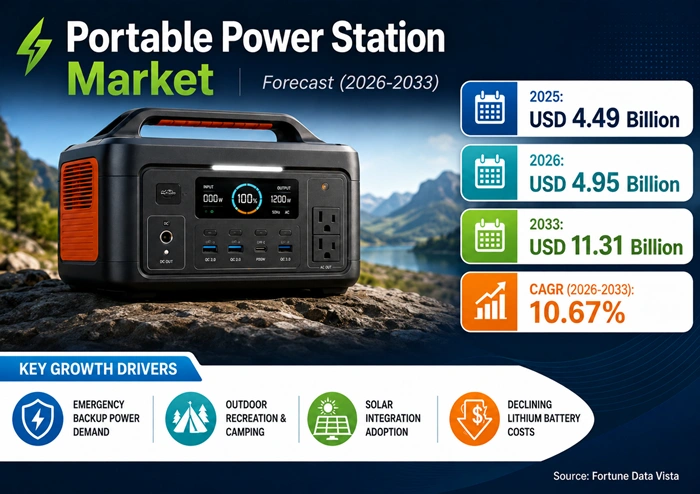
The global Portable Power Station market size is valued at USD 4.49 billion in 2025 and is predicted to increase from USD 4.95 billion in 2026 to approximately USD 11.31 billion by 2033, growing at a CAGR of 10.67% from 2026 to 2033. Surging demand for reliable off-grid electricity, rising frequency of extreme weather events, and a growing outdoor lifestyle culture are together reshaping this market into one of the most dynamic segments within the consumer electronics and energy storage industry.
AI Impact on the Portable Power Station Industry
Smart Battery Management, Predictive Energy Algorithms, and AI-Driven User Interfaces Are Redefining How Consumers Experience Portable Energy Independence
Artificial intelligence is making a measurable difference in how portable power stations are designed, managed, and used. AI-powered battery management systems (BMS) can now monitor individual cell performance in real time, balance charge distribution across multiple cells, and predict when a unit requires maintenance — all automatically, without any user input. These capabilities dramatically extend battery life and improve safety, addressing two of the most persistent concerns buyers have historically raised about high-capacity lithium-ion power stations.
Beyond battery management, AI is enabling a new generation of smart energy features that make these devices far more intuitive. Companion apps powered by machine learning can now learn a user's power consumption habits, recommend optimal charging schedules, and even integrate with renewable energy inputs like solar panels to automatically maximize efficiency. As brands compete for market share, AI-enhanced user experiences — including voice control, predictive load management, and remote diagnostics — are becoming important product differentiators, especially in the premium segment where customers expect intelligent performance alongside raw power capacity.
Growth Factors
Outdoor Recreation Trends, Emergency Preparedness Awareness, and the Accelerating Shift Away from Fossil Fuel Generators Are Together Building a Powerful Demand Foundation
A combination of lifestyle, environmental, and infrastructure factors is driving consistent growth in the portable power station market. The explosion of outdoor activities — including camping, overlanding, van life, and remote work — has created a large and growing base of consumers who need reliable power in locations far from the grid. At the same time, increasingly frequent natural disasters, extended power outages, and an overall decline in grid reliability in many parts of the world are pushing both households and businesses toward portable backup energy solutions as a practical necessity rather than a luxury.
The accelerating transition away from noisy, emissions-heavy gasoline generators toward clean, silent, and portable battery-powered alternatives is another major catalyst. Consumers, campsite operators, event organizers, and emergency response agencies all prefer units that produce zero direct emissions, require minimal maintenance, and can be charged from solar inputs. Continuous improvements in lithium iron phosphate (LFP) battery chemistry — offering higher energy density, longer cycle life, and improved thermal stability — are making portable power stations more capable and more affordable every year, which in turn broadens the addressable customer base significantly.
Market Outlook
A Decade of Structural Demand Tailwinds, Battery Technology Breakthroughs, and Expanding Distribution Channels Is Setting the Stage for Sustained, Broad-Based Market Growth Through 2033
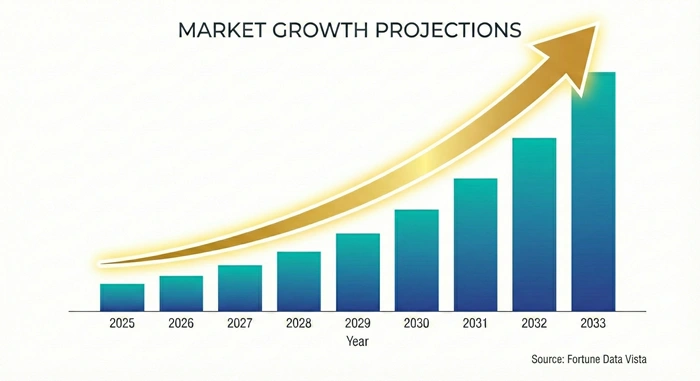
The medium- and long-term outlook for the portable power station market is strongly positive. Product price points continue to fall as battery costs decline and manufacturing scale increases, making capable units accessible to a much wider consumer population than just a few years ago. New form factors — from ultra-compact 200 Wh units designed for day hikers to whole-home backup systems exceeding 5 kWh — are expanding the addressable market at both ends of the capacity spectrum. Brands that can successfully serve multiple customer segments across consumer, commercial, and emergency preparedness use cases are positioned to capture the broadest growth opportunities.
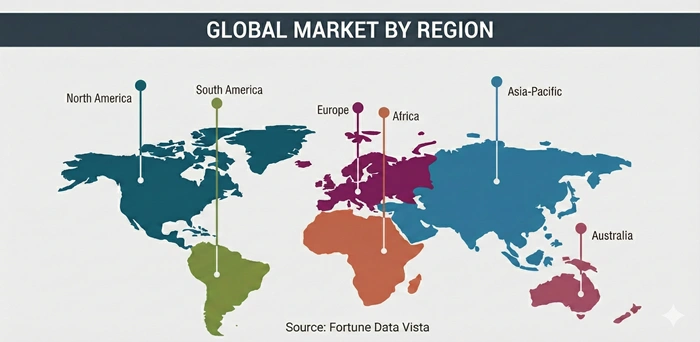
Geographically, growth is expected to accelerate fastest across Asia Pacific, driven by rising middle-class incomes, a booming outdoor recreation market, and strong policy support for clean energy adoption. In established markets like North America and Europe, growing consumer awareness of energy resilience, combined with expanding retail and e-commerce distribution, will keep demand healthy across the forecast period. The integration of portable power stations with home energy management systems, EV charging adapters, and solar panel kits represents the next major product evolution — one that has the potential to significantly increase average unit values and overall market revenue by 2033.
Expert Speaks
-
"At EcoFlow, we believe that energy independence should be a right, not a privilege. The market for portable power solutions is no longer niche — it is mainstream, and we are seeing demand grow across every customer segment from outdoor enthusiasts to families preparing for power outages. The innovation cycle has never moved faster." — Eli Harris, CEO, EcoFlow
-
"Jackery has built its business on the conviction that clean, portable power can be both high-performing and accessible. The momentum we see in the market today — driven by outdoor lifestyles, climate resilience, and solar integration — confirms that we are still in the early stages of what this industry can become." — SY Ke, CEO, Jackery
-
"Anker Innovations has always approached the portable energy space with a long-term commitment to quality and battery safety. The shift toward higher-capacity, smarter power stations reflects exactly where consumer expectations are heading — and the companies that invest in technology and supply chain reliability will define this market through the end of the decade." — Steven Yang, CEO, Anker Innovations
Key Report Takeaways
-
North America leads the global portable power station market, holding the largest revenue share of approximately 34–37%, supported by high consumer purchasing power, strong outdoor recreation culture, regular disaster preparedness spending, and a well-established e-commerce distribution network across the United States and Canada.
-
Asia Pacific is the fastest-growing regional market, driven by China's dominant manufacturing ecosystem, India's rapidly expanding middle class, and growing outdoor lifestyle culture in Japan, South Korea, and Australia — with the region's market expected to grow at a CAGR above the global average through 2033.
-
Individual consumers and outdoor enthusiasts represent the largest end-user segment, accounting for the highest share of total unit sales globally, with camping, RV travel, emergency home backup, and off-grid remote work collectively making up the dominant application use cases.
-
Emergency power backup is the leading application segment, accounting for the largest share of revenue as households and small businesses invest in portable battery stations for grid resilience — a trend accelerated by the increasing frequency of extreme weather events and infrastructure disruptions.
-
Lithium-ion battery technology, particularly lithium iron phosphate (LFP) chemistry, is the dominant and most rapidly growing technology platform, preferred for its superior safety profile, longer cycle life exceeding 3000+ charge cycles, and stable performance across a wide temperature range compared to older NMC chemistries.
-
The above-500 Wh capacity segment is forecast to grow at the highest CAGR through 2033, capturing an increasing share of total market revenue as consumers move from small supplemental charging devices toward full home backup and multi-appliance power systems, with this segment projected to represent over 55% of market share by 2033.
Market Scope
| Parameter | Details |
|---|---|
| Market Size by 2033 | USD 11.31 Billion | Market Size by 2026 | USD 4.95 Billion | Market Size by 2025 | USD 4.49 Billion | Market Growth Rate from 2026 to 2033 | CAGR of 10.67% | Dominating Region | North America | Fastest Growing Region | Asia Pacific | Segments Covered | By Battery Type, By Capacity, By Application, By Sales Channel, By End User, By Region | Regions Covered | North America, Europe, Asia Pacific, Latin America, Middle East & Africa |
Market Dynamics
Drivers Impact Analysis
Surging Off-Grid Power Demand, Disaster Preparedness Spending, and the Rapid Cost Decline of Lithium Battery Technology Are the Most Powerful Structural Drivers Accelerating This Market
| Driver | ≈ % Impact on CAGR Forecast | Geographic Relevance | Impact Timeline |
|---|---|---|---|
| Growing demand for emergency backup power | ~30% | North America, Europe | Near-term (2026–2028) |
| Expansion of outdoor recreation and off-grid lifestyle | ~25% | North America, Asia Pacific | Ongoing |
| Declining lithium battery costs and technology improvements | ~20% | Global | Ongoing |
| Increasing solar panel integration and clean energy adoption | ~15% | Europe, Asia Pacific | Medium-term (2027–2030) |
| Commercial and industrial portable power demand | ~10% | Global | Long-term (2029–2033) |
The demand for emergency backup power has emerged as the most consistent structural driver of the portable power station market. As extreme weather events — from hurricanes and wildfires to winter ice storms and flooding — disrupt power grids with increasing regularity, homeowners and small business owners are treating portable battery stations as essential preparedness tools rather than optional gadgets. This behavioral shift is fundamentally different from discretionary consumer spending; it is driven by necessity, which makes demand more resilient to economic cycles and price sensitivity. The result is a growing base of repeat buyers who upgrade their units as capacity and technology improve over time.
The rapid and ongoing decline in lithium battery production costs is equally important in sustaining market growth. Larger manufacturing volumes, improvements in cell chemistry, and greater supply chain efficiency have collectively reduced the per-kWh cost of lithium iron phosphate batteries substantially over the past five years. This cost reduction passes through to consumers in the form of more capable, longer-lasting products at progressively lower price points — continuously pulling new customer segments into the market. As solar panel prices follow a similar downward cost curve, the combination of portable power stations with solar inputs is becoming an affordable home energy solution for millions of households globally.
Restraints Impact Analysis
High Initial Purchase Costs, Battery Safety Concerns, and Supply Chain Dependence on Chinese Components Create Meaningful Friction for Market Participants
| Restraint | ≈ % Impact on CAGR Forecast | Geographic Relevance | Impact Timeline |
|---|---|---|---|
| High upfront cost of high-capacity units | ~32% | Emerging markets, price-sensitive consumers | Near-to-medium term |
| Battery safety risks and thermal management concerns | ~25% | Global | Ongoing |
| Supply chain concentration in China | ~22% | North America, Europe | Near-term (2026–2027) |
| Limited awareness in developing markets | ~13% | Latin America, MEA | Medium-term |
| Competition from traditional generators and grid tie-in | ~8% | Rural and industrial markets | Ongoing |
Despite strong growth momentum, the portable power station market faces real headwinds. High-capacity units capable of powering a home during an extended outage can cost anywhere from USD 1500 to USD 5000 or more, placing them beyond the immediate reach of budget-conscious buyers in emerging markets and lower-income consumer segments in developed economies. While prices are falling, the gap between aspirational demand and actual purchase remains a meaningful growth constraint, particularly for units above 2000 Wh where competition from cheaper diesel generators is still intense.
Supply chain concentration is another significant vulnerability exposed clearly during recent geopolitical disruptions. A dominant share of lithium battery cells, management electronics, and key components in the portable power station supply chain originates from China. Trade policy changes, including import tariffs and export controls, can rapidly increase input costs for brands manufacturing or sourcing outside China, disrupting pricing strategies and squeezing margins. Brands that have invested in supply chain diversification — adding manufacturing capacity in Southeast Asia, India, or domestically in the U.S. — are better positioned to manage this risk, but diversification takes time and capital to execute.
Opportunities Impact Analysis
Whole-Home Energy Integration, Emerging Market Electrification, and the Commercial Event Industry Represent Largely Untapped Growth Frontiers for Forward-Thinking Market Players
| Opportunity | ≈ % Impact on CAGR Forecast | Geographic Relevance | Impact Timeline |
|---|---|---|---|
| Integration with home energy management and EV charging | ~30% | North America, Europe | Medium-term (2027–2030) |
| Expanding demand in emerging markets with unreliable grids | ~28% | India, Africa, Latin America | Medium-to-long term |
| Commercial use: events, construction, film production | ~20% | Global | Near-term (2026–2028) |
| Government emergency preparedness programs | ~15% | North America, Japan | Near-term |
| Subscription-based energy services and B2B leasing models | ~7% | Global | Long-term (2030–2033) |
The integration of portable power stations into broader home energy ecosystems represents one of the most exciting near-term growth opportunities in this market. As residential solar adoption accelerates and electric vehicle ownership expands, consumers increasingly need a central portable or semi-fixed battery unit that can interface with solar panels, EV charging ports, and home appliances simultaneously. Companies like EcoFlow and Anker are already launching products explicitly designed for this integrated use case, and the category is expected to drive significant average selling price increases as higher-value, more capable products enter the mainstream.
Emerging markets across South and Southeast Asia, Sub-Saharan Africa, and parts of Latin America offer a structurally different but equally compelling opportunity. In regions where grid electricity is unreliable, expensive, or simply unavailable, a portable power station combined with a small solar array can serve as a primary power source rather than just a backup. This fundamentally different use case unlocks an enormous potential customer base and supports premium pricing relative to local incomes. Governments and international development organizations are increasingly funding clean energy access programs that include portable battery solutions, providing both direct demand and distribution infrastructure that private brands can leverage to enter these markets.
Segment Analysis
By Capacity
The High-Capacity Segment Above 1000 Wh Is Rapidly Emerging as the Commercial Growth Engine of the Portable Power Station Market, Driven by Household Backup Demand and Multi-Device Powering Needs
The above-1000 Wh capacity segment currently holds approximately 40–45% of total market revenue and is growing at a CAGR that meaningfully exceeds the market average, projected at approximately 13–14% through 2033. This segment's strength reflects the consumer shift from buying portable power stations as simple device chargers toward purchasing them as whole-home or whole-campsite energy systems capable of running refrigerators, medical equipment, televisions, and power tools simultaneously. North America is the strongest region for this segment, where households increasingly invest in high-capacity units as a first line of defense against grid outages. Leading companies in this space include EcoFlow with its Delta Pro series, Jackery's Explorer line, and Goal Zero's Yeti lineup — all of which have invested heavily in expanding product capability at this capacity tier.
The 500–1000 Wh mid-capacity segment remains the highest-volume category by unit sales, balancing portability with meaningful power output in a package that most consumers find practical for camping, RV travel, and moderate emergency use. This segment holds approximately 30–33% of market revenue and serves as the primary entry point through which new buyers join the portable power station market before upgrading to higher-capacity units. Asia Pacific is the fastest-growing geography within this tier, driven by a younger consumer base with strong outdoor recreation interests in China, South Korea, and Japan. Anker Innovations and Bluetti Power are particularly strong competitors in this mid-capacity tier, offering well-priced products with strong online reviews and established e-commerce distribution networks across the region.
By Application
Emergency Power Backup Leads in Revenue While Outdoor and Recreational Applications Drive the Broadest Consumer Adoption and Brand Loyalty Across Global Markets
Emergency power backup is the dominant application segment, accounting for approximately 35–38% of total market revenue and growing at a CAGR of approximately 12% through 2033. The frequency and severity of grid disruptions caused by natural disasters — including hurricanes, wildfires, and severe winter storms — have transformed emergency power backup from an occasional purchase into a regular planning priority for households in vulnerable regions. North America, particularly the southern and western United States, leads demand for this application, where government public safety advisories and utility company communications actively encourage residents to maintain portable power reserves. Companies like EcoFlow, Bluetti, and Goal Zero have developed targeted product lines and marketing campaigns specifically addressing the emergency preparedness buyer persona, with long runtime, ease of solar recharging, and medical device compatibility as key selling points.
Outdoor and recreational applications — encompassing camping, RV and van travel, boating, and remote work — represent the second-largest application segment with approximately 28–30% revenue share. This segment has proven particularly dynamic in recent years due to the strong cultural shift toward outdoor lifestyles accelerated by pandemic-era behavior changes that continue to drive recreation spending well above pre-2020 levels. Asia Pacific leads growth within the outdoor application segment, where rising disposable incomes and a booming camping and glamping culture in China, Japan, and South Korea are creating strong demand for mid-to-high-capacity portable power solutions. Jackery, which built its brand identity almost entirely around the outdoor use case, remains the dominant brand in this application segment globally, holding an estimated 18–22% share of the outdoor recreation portable power category.
Regional Insights
North America's Market Maturity and Asia Pacific's Growth Velocity Are Together Defining the Two Most Strategically Important Regional Dynamics in the Global Portable Power Station Landscape
North America
The United States Remains the World's Largest and Most Sophisticated Portable Power Station Market, Powered by Deep Consumer Awareness, Robust E-Commerce Infrastructure, and Structural Grid Reliability Concerns
North America commands the largest share of the global portable power station market, accounting for approximately 35–37% of total revenue in 2026, with the U.S. contributing the overwhelming majority. The region benefits from high average incomes that support premium product adoption, a mature e-commerce ecosystem through which brands like EcoFlow, Jackery, and Goal Zero reach millions of buyers, and a powerful cultural emphasis on outdoor recreation and self-sufficiency. North America is expected to sustain a CAGR of approximately 10–11% through 2033, with growth supported by ongoing emergency preparedness spending, expanding solar-plus-storage adoption among homeowners, and rising commercial use in events and construction. Key players driving the region include EcoFlow (U.S. operations), Goal Zero, Jackery, Bluetti, and Anker Innovations — all of which maintain strong Amazon presence and national retail distribution agreements.
The U.S. market in particular has benefited from high-profile natural disaster events that have dramatically raised consumer awareness of grid vulnerability. Hurricane and wildfire seasons regularly generate spikes in portable power station sales as affected and at-risk communities rush to build energy resilience. This pattern of disaster-driven demand spikes atop a growing baseline of routine preparedness purchasing creates a compounding growth dynamic that is unique to the North American market. Canada contributes meaningfully to the regional total as well, with a strong outdoor recreation culture and a growing population of off-grid cabin and cottage owners who rely on portable power solutions for seasonal energy needs.
Asia Pacific
China's Manufacturing Power, India's Expanding Middle Class, and the Outdoor Recreation Boom Across Japan and South Korea Are Driving Asia Pacific to the Forefront of Global Market Growth
Asia Pacific is the fastest-growing regional market for portable power stations, projected to expand at a CAGR of approximately 13–15% from 2026 to 2033 — well above the global average. China dominates the region both as the world's largest manufacturing base for portable power stations and as a rapidly expanding consumer market in its own right. Domestic brands including Bluetti, EcoFlow, and Anker all have their engineering and manufacturing roots in China, giving them inherent cost advantages and deep supply chain expertise. India represents the fastest-growing individual country market within the region, driven by a young, tech-savvy middle class, an expanding camping and trekking culture, and significant grid reliability issues in rural and semi-urban areas that create strong functional demand for portable backup power. The Asia Pacific region currently holds approximately 28–32% of global market share and is expected to approach North American revenue levels before the end of the forecast period.
Japan and South Korea add technological sophistication to the regional mix, with consumers in both countries placing high value on premium build quality, smart features, and integration with solar energy systems. Japanese companies like Yamoto and regional distributors for global brands have established strong retail channels through major consumer electronics chains. Australia contributes growing demand from the outdoor adventure, off-grid farming, and emergency preparedness segments — particularly in wildfire-prone regions where power infrastructure is vulnerable. The overall Asia Pacific trajectory strongly suggests that this region will become the primary engine of global portable power station market growth through the 2030s, supported by demographics, economic development, and a favorable policy environment for clean energy adoption.
Report Customization Available by Region and Country
Your Business Needs Are Unique — Which Is Why This Portable Power Station Market Report Can Be Fully Tailored to Deliver the Precise Geographic Intelligence That Drives Your Strategic Decisions with Confidence
This report offers full customization to provide region-specific and country-level insights for the portable power station market. Whether you are targeting a specific geography for expansion, evaluating regional competitive landscapes, or assessing policy environments for investment decisions, a customized version of this report delivers the granular detail you need. Tailored deliverables include localized market sizing, country-level growth forecasts, regional competitive benchmarking, demand trend analysis, regulatory overviews, and distribution channel intelligence — all specific to your selected market and aligned with the portable power station keyword theme.
-
Customized reports are available for the following regions and countries:
North America
-
United States — Emergency preparedness demand analysis, e-commerce channel landscape, brand share benchmarking, wildfire and hurricane demand drivers
-
Canada — Off-grid and cottage lifestyle demand, outdoor retail distribution, provincial energy resilience programs
-
Mexico — Grid reliability issues, growing consumer market, informal retail channels and online adoption
Europe
-
United Kingdom — Post-Brexit supply chain dynamics, home energy storage integration trends, outdoor recreation market
-
Germany — Energiewende policy alignment, solar-plus-storage adoption, strong consumer electronics retail infrastructure
-
France — Camping and outdoor lifestyle demand, regulatory environment for energy storage products
-
Italy — Tourism and outdoor recreation use cases, grid resilience demand in rural southern regions
-
Rest of Europe — Scandinavia off-grid demand, Eastern European emergency preparedness markets, EV charging integration
Asia Pacific
-
China — Domestic brand dominance, manufacturing ecosystem, urban camping culture, government clean energy policy
-
India — Rural electrification opportunity, middle-class consumer adoption, grid reliability drivers, fastest-growing country market
-
Japan — Premium product demand, smart home integration, disaster preparedness culture, retail channel analysis
-
South Korea — Technology adoption curve, outdoor lifestyle trends, e-commerce dominance
-
Australia — Wildfire resilience demand, off-grid farming and rural applications, solar integration
-
Rest of Asia Pacific — Southeast Asia off-grid market, emerging consumer demand in Vietnam, Indonesia, and the Philippines
Latin America
-
Brazil — Grid instability and backup demand, outdoor recreation market, growing e-commerce adoption
-
Argentina — Energy cost volatility driving backup demand, outdoor lifestyle, youth consumer market
-
Rest of Latin America — Country-level intelligence for Colombia, Chile, and other growing consumer markets
Middle East & Africa
-
UAE — Premium consumer demand, smart home integration, outdoor events and festival power needs
-
Saudi Arabia — Government energy diversification programs, desert outdoor recreation, Vision 2030 clean energy alignment
-
Rest of MEA — Sub-Saharan Africa off-grid electrification opportunity, humanitarian and emergency use demand
Top Key Players
-
EcoFlow Technology Inc. (China / United States)
-
Jackery Inc. (United States / China)
-
Anker Innovations Limited (China)
-
Bluetti Power Inc. (China)
-
Goal Zero LLC (United States)
-
Lion Energy Ltd (Australia)
-
Westinghouse Electric Corporation (United States)
-
Duracell Inc. (United States)
-
Renogy (United States)
-
LIPOWER (China)
-
Rockpals (United States)
-
ChargeTech (United States)
-
Allpowers Industry International Limited (China)
-
Flashfish Technology (China)
Recent Developments
-
In 2025, EcoFlow launched its next-generation Delta Pro Ultra system with bidirectional EV charging capability and an expanded solar input of up to 5400W, significantly extending the product's appeal among homeowners seeking a whole-home energy backup solution integrated with electric vehicles.
-
In 2025, Anker Innovations unveiled its SOLIX F3800 portable power station, offering 3840 Wh of capacity with an industry-leading lifespan of 4000+ charge cycles using LFP battery technology — directly targeting the emergency preparedness and home backup segments with a product designed to outlast conventional consumer electronics.
-
In 2026, Jackery expanded its retail presence across major European markets, securing distribution agreements with leading outdoor and consumer electronics retail chains in Germany, France, and the United Kingdom — a strategic move to capture growing European demand for portable power solutions ahead of peak camping and outdoor activity seasons.
-
In 2025, Bluetti Power announced a strategic partnership with a major U.S. solar panel distributor to bundle its AC500 portable power station with residential solar panel kits, creating a complete plug-and-play home energy system offering available through both online and brick-and-mortar retail channels nationwide.
-
In 2025, Goal Zero completed a product line refresh across its Yeti series, introducing LFP battery chemistry across all units above 500 Wh, replacing older NMC cells — a direct response to customer demand for longer-lasting, safer batteries with improved cold-weather performance suitable for use in extreme outdoor environments.
Market Trends
Smarter, Larger, and Solar-Ready — Three Unstoppable Technology and Consumer Behavior Trends Are Converging to Reshape the Portable Power Station Market Through 2033
The most defining market trend is the shift from standalone charging devices to integrated home and outdoor energy platforms. Consumers no longer evaluate portable power stations purely on capacity and weight — they now assess ecosystem compatibility, solar input speed, app connectivity, and integration with other energy assets like EV chargers and smart home systems. Brands that invest in building rich, integrated product ecosystems — where their power stations seamlessly connect with their own solar panels, expansion batteries, and digital management apps — are seeing significantly stronger customer loyalty and higher average order values than those selling standalone hardware. This platform approach is elevating the category from consumer electronics to energy infrastructure.
A second major trend is the rapid growth of the commercial and professional-use segment, which has historically been underserved compared to consumer outdoor and home backup applications. Film and television production companies, outdoor event organizers, construction site managers, and disaster relief agencies are increasingly specifying high-capacity portable power stations as standard equipment — drawn by zero-emissions operation, silent running, and the ability to power sensitive professional equipment without voltage fluctuations. This commercial demand segment typically generates higher-value transactions and more predictable repeat purchase cycles than the consumer market, making it an increasingly important strategic growth target for leading brands across North America, Europe, and Asia Pacific.
Segments Covered in the Report
-
By Battery Type
-
Lithium-Ion (NMC)
-
Lithium Iron Phosphate (LFP)
-
Sealed Lead Acid (SLA)
-
Others
-
-
By Capacity
-
Below 500 Wh
-
500 Wh – 1000 Wh
-
1000 Wh – 2500 Wh
-
Above 2500 Wh
-
-
By Application
-
Emergency Power Backup
-
Off-Grid Power
-
Automotive / RV
-
Camping and Outdoor Recreation
-
Military and Defense
-
Event Organizing
-
Others
-
-
By Sales Channel
-
Online (E-Commerce)
-
Offline (Retail Stores, Specialty Outlets)
-
Direct Sales / B2B
-
-
By End User
-
Individual / Residential Consumers
-
Commercial (Events, Construction, Film)
-
Industrial
-
Government / Defense / Emergency Services
-
-
By Region
-
North America (U.S., Canada, Mexico)
-
Europe (U.K., Germany, France, Italy, Rest of Europe)
-
Asia Pacific (China, India, Japan, South Korea, Australia, Rest of Asia Pacific)
-
Latin America (Brazil, Argentina, Rest of Latin America)
-
Middle East & Africa (UAE, Saudi Arabia, Rest of MEA)
-
❝ Built for Every Level — From Startups to Industry Giants ❞
Here Is Exactly How This Report Works for You
-
For Tier 1 brands, institutional investors, and large-scale distributors, this report delivers deep competitor revenue analysis, regional market share benchmarking, and supply chain risk mapping — equipping you with the data to defend capital allocation decisions, time market entry moves precisely, and identify acquisition targets in the portable power station market before your competitors act.
-
For Tier 2 and Tier 3 companies, startups, and mid-market players, this report maps demand-supply imbalances by geography and capacity segment, reveals competitor revenue sources and channel strategies, and identifies white space opportunities in underserved markets — giving your team the intelligence foundation to position products, price competitively, and win distribution agreements with confidence.
-
For executive decision-makers navigating geopolitical uncertainty and tariff volatility, this report provides scenario-level analysis of how trade policy shifts, Chinese supply chain dependencies, and regional regulatory changes are impacting manufacturer costs, retail pricing, and consumer demand — so your leadership team can build resilient strategies rather than simply reacting to disruptions as they arise.
Frequently Asked Questions:
Answer: The global Portable Power Station market is valued at USD 4.49 billion in 2025 and is projected to reach approximately USD 11.31 billion by 2033. This represents a healthy compound annual growth rate of 10.67% over the 2026 to 2033 forecast period.
Answer: The primary growth drivers include rising demand for emergency backup power due to increasing grid outages and extreme weather events, as well as the growing popularity of outdoor recreational activities like camping and off-grid travel. Declining lithium battery costs and the increasing integration of portable power stations with solar panels are further accelerating consumer adoption.
Answer: North America currently holds the largest share of the portable power station market, accounting for approximately 35–37% of total global revenue in 2026. The United States is the single largest country market, supported by strong emergency preparedness spending, outdoor recreation culture, and deep e-commerce infrastructure.
Answer: The above-1000 Wh high-capacity segment is the fastest-growing tier in the portable power station market, driven by homeowners seeking whole-home backup solutions and consumers powering multiple high-draw appliances simultaneously. This segment is projected to capture over 55% of total market revenue by 2033 as product prices decline and consumer expectations rise.
Answer: The leading players in the portable power station market include EcoFlow Technology, Jackery Inc., Anker Innovations, Bluetti Power, and Goal Zero, along with other competitors such as Lion Energy, Duracell, Renogy, and LIPOWER. These companies compete primarily on battery capacity, charging speed, safety features, solar compatibility, and smart app integration.