
Protein Water Market Overview
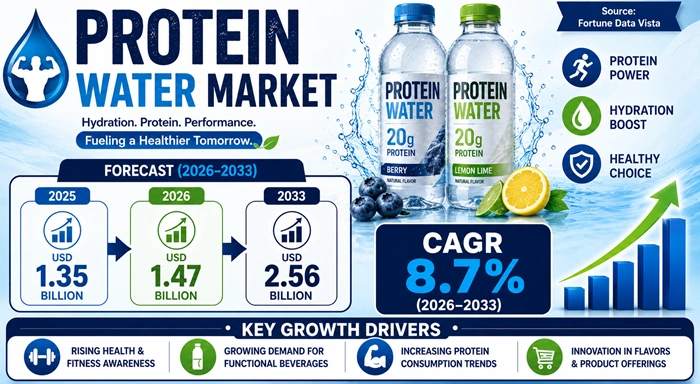
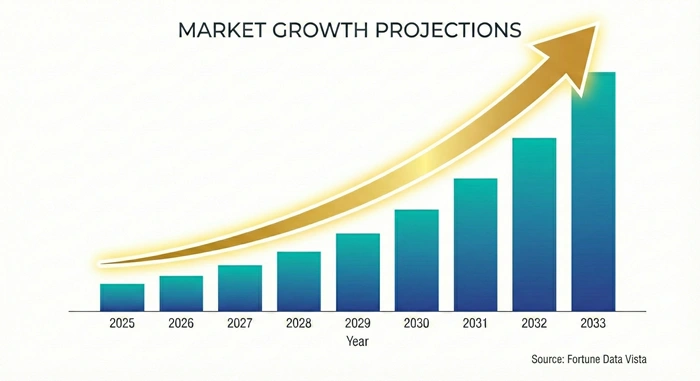
The global protein water market size is valued at USD 1.35 Billion in 2025 and is predicted to increase from USD 1.47 Billion in 2026 to approximately USD 2.56 Billion by 2033, growing at a CAGR of 8.7% from 2026 to 2033.
This strong upward trajectory reflects a fundamental shift in how consumers approach hydration and nutrition. Health-conscious individuals, fitness enthusiasts, and professional athletes are steadily replacing sugary sports drinks and heavy protein shakes with protein-infused water — a lighter, cleaner, and equally functional alternative. The market continues to attract significant investment from both established beverage giants and emerging functional drink brands looking to capitalize on this growing consumer trend.
AI Impact on the Protein Water Industry
Artificial Intelligence Is Rewriting the Rules of Innovation and Consumer Engagement in the Functional Beverage Space
The functional beverage industry, including the protein water segment, is being quietly transformed by artificial intelligence — not in a flashy way, but in deeply practical ones. AI tools are helping brands decode complex patterns in consumer purchasing behavior, identify emerging flavor preferences by region, and predict demand fluctuations with far greater accuracy than traditional market research methods. For example, companies are now using AI-driven analytics to figure out what combinations of protein content, flavor profiles, and packaging sizes resonate most with specific consumer groups before a product even hits the shelves. This kind of data-backed decision-making significantly cuts down on product development waste and shortens the time it takes to bring new variants to market.
On the supply chain side, AI is proving equally valuable. Inventory management, logistics coordination, and even quality control during manufacturing are being optimized through machine learning algorithms that respond to real-time data inputs. In 2024, US-based Trimino Brands used an AI-powered marketing platform to scan live sales data and customer reviews, which directly informed two new flavor launches tailored to millennial preferences — a process that would have taken months using conventional research. As AI adoption deepens across the protein water industry, brands that invest in these technologies early are likely to gain a structural advantage in both product innovation and customer retention.
Growth Factors
Rising Health Consciousness and Active Lifestyle Trends Are Creating a Sustained Demand Engine for Protein-Enhanced Hydration Products
Several converging forces are fueling consistent growth in the protein water market, making it one of the more resilient segments within functional beverages. At the top of that list is the global shift toward health-aware consumption. Consumers — particularly millennials and Gen Z — are scrutinizing ingredient labels more carefully than ever and gravitating toward beverages that do more than just quench thirst. The desire for low-calorie, high-protein options that support muscle recovery, weight management, and daily nutritional goals has opened a wide door for protein water. According to the International Health, Racquet & Sportsclub Association, gym memberships have risen by 40% in recent years, directly expanding the addressable consumer base for functional protein drinks.
The parallel rise of endurance sports, high-intensity interval training (HIIT), CrossFit, and long-distance running communities has further cemented protein water's position as a go-to post-workout companion. These sports demand fast, convenient nutrition that doesn't slow people down — and that's exactly what protein water delivers. Beyond fitness, broader societal trends such as busier lifestyles, growing disposable incomes, and a preference for ready-to-drink formats are making protein water more relevant to everyday consumers outside the hardcore fitness world. Product innovation, including the addition of electrolytes, collagen peptides, vitamins, and exotic fruit flavors, is continuously expanding the appeal of these beverages across new demographic groups.
Market Outlook
With Clean-Label Demand and E-Commerce Expansion Driving Distribution Growth, the Protein Water Market Is Positioned for Steady Long-Term Performance Through 2033
Looking ahead, the protein water market is set for a decade of meaningful expansion driven by both product-level innovation and evolving distribution dynamics. Plant-based protein sources — particularly pea, hemp, and brown rice proteins — are increasingly appearing in new product launches, responding to growing vegan, vegetarian, and flexitarian consumer populations. This broadens the market's appeal well beyond sports nutrition into everyday wellness, attracting consumers who might have previously been put off by dairy-derived whey formulations. The FDA's updated "healthy" labeling framework from early 2025 has also given low-calorie, water-based protein drinks a clearer regulatory pathway to carry health claims, which is expected to improve shelf placement and consumer trust.
E-commerce is emerging as a powerful growth accelerator, particularly in the Asia Pacific region. Protein water brands are increasingly partnering with major online platforms and exploring subscription-based direct-to-consumer models that build consistent revenue while deepening brand loyalty. In global markets, social media marketing, influencer partnerships with athletes and fitness personalities, and collaborations with gym chains are strengthening brand visibility where traditional advertising may not reach. All of these factors suggest that the protein water market will not plateau anytime soon — the combination of health trends, innovation, and improving access creates conditions for sustained compound growth well into 2033.
Expert Speaks
-
"Functional hydration is the next major battleground in beverages. Consumers no longer separate nutrition from hydration, and brands that can seamlessly combine both — cleanly and conveniently — will define the next decade of growth in the health beverage industry." — CEO, leading global sports nutrition company
-
"We are witnessing a permanent behavioral shift toward better-for-you drinks. The protein water category is one of the clearest examples of how consumer expectations have elevated — people want performance, taste, and clean ingredients all in one product." — CEO, global functional beverage brand
-
"Plant-based protein hydration is not a niche anymore. Our data shows strong year-over-year sales growth in plant-protein beverages, and protein water sits right at the intersection of sustainability and performance nutrition — two trends that are not going away." — CEO, major health and wellness company
Key Report Takeaways
-
North America leads the global protein water market, holding more than 36.5% of total revenue share in 2025, driven by a deeply established fitness culture, high disposable incomes, and strong consumer familiarity with functional nutrition products.
-
Asia Pacific is the fastest-growing region, expected to expand at a CAGR of 9.2% through the forecast period, supported by rapid urbanization, rising middle-class populations, and growing gym participation across China, India, South Korea, and Japan.
-
Fitness enthusiasts and athletes are the most significant end-user segment, representing the largest share of protein water consumption globally, as these consumers prioritize muscle recovery, hydration, and convenient on-the-go nutrition.
-
The flavored protein water segment dominates distribution channel contributions, accounting for approximately 82% of total market revenue in 2025, as fruit-flavored variants appeal to a broader mainstream audience beyond core fitness demographics.
-
Supermarkets and hypermarkets are the most popular distribution channel, representing approximately 46% of market share in 2025, benefiting from high footfall, in-store visibility, and impulse purchasing behavior.
-
The online retail segment is projected to grow at the fastest rate, with a CAGR of approximately 9.9% through 2033, driven by e-commerce expansion, subscription-based purchasing models, and digital-first consumer behavior — particularly among younger demographics.
Market Scope
| Parameter | Details |
|---|---|
| Market Size by 2033 | USD 2.56 Billion | Market Size by 2026 | USD 1.47 Billion | Market Size by 2025 | USD 1.35 Billion | Market Growth Rate from 2026 to 2033 | CAGR of 8.7% | Dominating Region | North America | Fastest Growing Region | Asia Pacific | Segments Covered | Product Type, Source, Packaging Type, Distribution Channel, End User | Regions Covered | North America, Europe, Asia Pacific, Latin America, Middle East & Africa |
Market Dynamics
Drivers Impact Analysis
Growing Health and Wellness Awareness Is Creating Unprecedented Consumer Demand for Functional, Protein-Rich Hydration Beverages Across Both Developed and Emerging Markets
| Driver | ≈ % Impact on CAGR Forecast | Geographic Relevance | Impact Timeline |
|---|---|---|---|
| Rising health & fitness consciousness | ~35% | Global, especially North America & Europe | Short to Long Term |
| Growing sports nutrition adoption | ~28% | North America, Asia Pacific | Medium to Long Term |
| Product innovation (flavors, plant proteins) | ~20% | Global | Short to Medium Term |
| E-commerce and DTC channel growth | ~10% | Asia Pacific, North America | Medium Term |
| Clean-label and regulatory support (FDA 2025) | ~7% | North America, Europe | Medium to Long Term |
The most powerful driver behind the protein water market's growth is the broad and sustained shift in consumer health awareness. As awareness of diet-related health conditions rises, consumers are actively seeking beverages that offer more than empty calories. Protein water fits perfectly into this demand — it provides hydration alongside meaningful nutritional value, making it a preferred alternative to sugary sports drinks and calorie-heavy shakes. This consumer behavior change is not a passing trend; it is backed by structural societal changes around fitness, wellness, and preventive health that are expected to deepen over the 2026–2033 forecast period.
The expansion of sports and fitness culture globally further amplifies these drivers. With over 1.9 billion adults classified as overweight worldwide, and gym memberships climbing at record rates, the pool of consumers seeking effective protein supplementation continues to widen. The protein water market benefits directly from this, as consumers look for post-workout recovery solutions that are lighter and easier to consume than traditional protein shakes. Coupled with supportive regulatory developments in the US and Europe that allow protein water brands to make clearer nutritional claims, these drivers collectively create a highly favorable environment for sustained market expansion.
Restraints Impact Analysis
High Production Costs and Limited Consumer Awareness in Emerging Markets Remain the Most Persistent Challenges Slowing Broader Protein Water Market Penetration
| Restraint | ≈ % Impact on CAGR Forecast | Geographic Relevance | Impact Timeline |
|---|---|---|---|
| High production and raw material costs | ~40% | Emerging markets, price-sensitive segments | Short to Medium Term |
| Sensory challenges (taste/texture) | ~30% | Global | Short to Medium Term |
| Limited awareness in developing regions | ~20% | Latin America, MEA, parts of APAC | Medium Term |
| Side effects from long-term high protein use | ~10% | Global | Long Term |
High production costs represent a meaningful structural restraint in the protein water market. Premium protein sources such as whey isolate and pea protein require sophisticated extraction and purification technologies, which drive up manufacturing expenses considerably. In 2025, dairy commodity prices rose by an estimated 15%, further increasing cost pressure on whey-based formulations. These elevated costs often translate into higher retail prices that limit adoption in price-sensitive markets across Latin America, the Middle East, and parts of Asia. For brands trying to scale globally, finding the balance between maintaining product quality and achieving competitive pricing remains a significant challenge.
Consumer awareness and sensory perception represent the second cluster of restraints holding back wider protein water market growth. In many developing economies, protein water is still viewed as a niche product primarily for bodybuilders or elite athletes, rather than an everyday wellness beverage. This perception gap slows adoption across broader demographic groups. Additionally, taste and texture issues — some consumers find protein-fortified water chalky or off-tasting — continue to discourage repeat purchases. Surveys indicate that around 30% of consumers who try fortified waters reject them due to sensory concerns, highlighting an area where manufacturers need continued reformulation investment to convert trial into loyalty.
Opportunities Impact Analysis
Plant-Based Innovation and Digital Commerce Are Opening High-Value Growth Corridors That Could Redefine the Protein Water Market Through 2033
| Opportunity | ≈ % Impact on CAGR Forecast | Geographic Relevance | Impact Timeline |
|---|---|---|---|
| Plant-based protein formulation innovation | ~38% | Europe, North America, APAC | Medium to Long Term |
| E-commerce and subscription model expansion | ~30% | Asia Pacific, North America | Short to Medium Term |
| Emerging market penetration | ~20% | Latin America, MEA, India | Medium to Long Term |
| Multifunctional formulations (collagen, electrolytes) | ~12% | Global | Short to Medium Term |
Plant-based protein water represents perhaps the most exciting and commercially significant opportunity in the market right now. Consumer preferences are clearly shifting toward cleaner, more sustainable protein sources, and pea protein has emerged as a leading candidate — it has a neutral taste profile, aligns with vegan and non-GMO preferences, and comes with a lower environmental footprint than animal-derived alternatives. Recent plant-based product launches in the protein water category have reported up to 20% higher sales growth compared to conventional whey-based counterparts, signaling that this is not just a trend but a genuine market shift. EU regulatory frameworks promoting clean-label and non-GMO formulations are further encouraging manufacturers to invest in plant-based R&D.
The opportunity in digital distribution and subscription commerce is equally significant. As global e-grocery sales grow at approximately 25% annually, protein water brands that build strong direct-to-consumer models through online platforms and fitness app integrations are positioned to capture loyal, high-value customer segments. These channels also allow brands to offer personalized product recommendations, bundle deals, and auto-replenishment services that increase lifetime customer value. In Asia Pacific specifically, mobile-first purchasing behavior and quick-commerce platforms are creating an almost frictionless path to purchase — a critical advantage for a product category where convenience is a core selling point.
Segment Analysis
By Product Type
Flavored Protein Water Continues to Hold the Commanding Lead While Unflavored Variants Gain Momentum Among Minimalist, Clean-Diet Consumers
The flavored protein water segment firmly dominates the global product landscape, accounting for approximately 82% of total market revenue in 2025. This dominance is not surprising — flavored variants make protein hydration more accessible and enjoyable to a much wider audience than the core fitness community alone. Fruit-flavored options, including citrus, berry, peach, mango, and tropical blends, mask the sometimes bland or slightly off-putting taste of raw protein isolates, making the drinking experience genuinely pleasant. Leading brands have heavily invested in flavor innovation to keep their product portfolios fresh and competitive. The protein water market in North America and Europe, in particular, has seen a wave of exotic and seasonal flavor launches designed to attract mainstream beverage consumers who would otherwise not consider protein drinks. Companies such as Protein2o and Trimino have led this charge in the US, while Vieve Protein Water has set the trend in the UK. The flavored segment is expected to grow at a steady CAGR through 2033, supported by ongoing flavor diversification and expanding retail shelf space in both supermarkets and online channels.
The unflavored protein water segment, while smaller in current share, is the fastest-growing sub-segment and is projected to record a CAGR of approximately 7.9% through the forecast period. This growth is powered by a distinct consumer group — those who prioritize clean-label nutrition over taste enhancement, follow low-sugar or ketogenic diets, and prefer to customize their beverages. Unflavored protein water appeals to consumers who view it as a nutritional building block rather than a flavored beverage, often mixing it with their own ingredients or using it in food preparation. In Asia Pacific, where lactose intolerance is prevalent and plant-based diets are growing, unflavored plant-protein water is gaining traction as a versatile wellness ingredient. The segment is also benefiting from growing allergy awareness, as some consumers avoid the artificial sweeteners and flavor additives common in flavored products.
By Distribution Channel
Supermarkets and Hypermarkets Continue to Drive the Largest Revenue Volume While Online Retail Emerges as the Channel of the Future
Supermarkets and hypermarkets represent the backbone of protein water distribution globally, capturing approximately 46% of market share in 2025. The fundamental reason is simple — convenience. These retail environments allow consumers to pick up protein water alongside their regular grocery shopping, removing any additional effort from the purchase process. High foot traffic translates directly into product visibility, and well-placed end-cap displays and in-store promotions create powerful impulse-purchase moments for new consumers encountering protein water for the first time. Major US retailers such as Walmart and Target have significantly expanded their functional beverage sections in recent years, providing brands like Trimino, Protein2o, and Vita Coco with mass-market visibility that independent health stores cannot replicate. The protein water market in this channel also benefits from the trust consumers place in established retail environments, particularly for first-time trial purchases. In North America and Europe, club stores and bulk-purchase retail formats add another dimension to supermarket-driven growth. The segment is expected to maintain its leadership position through 2033, even as online channels grow rapidly.
The online distribution channel is the most dynamic segment in the protein water market, expected to grow at a CAGR of approximately 9.9% between 2026 and 2033. This growth is directly tied to the global acceleration of e-commerce adoption, particularly post-pandemic, where consumers in all regions became more comfortable purchasing food and beverage products digitally. In Asia Pacific — the region with the highest expected growth in protein water overall — mobile commerce and quick-delivery platforms are making protein water available within hours of purchase, removing the traditional barriers of physical distribution. Direct-to-consumer subscription models are especially effective here, as they generate repeat revenue and allow brands to develop a direct relationship with health-conscious consumers. Amazon, Walmart.com, and regional e-commerce giants are all expanding their functional beverage sections, giving protein water brands scalable pathways to reach digital-first consumers. The online channel also supports smaller, specialized brands that might struggle to compete for physical shelf space against larger incumbents.
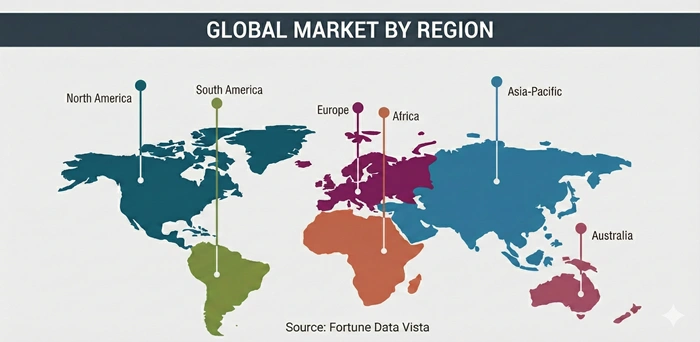
Regional Insights
North America
North America's Deep Fitness Culture and Strong Functional Beverage Infrastructure Make It the Global Hub for Protein Water Consumption and Innovation
North America holds the commanding position in the global protein water market, contributing over 36.5% of total revenue in 2025. The US leads the region by a significant margin, driven by extremely high gym participation rates, widespread sports nutrition awareness, and a consumer base that is both financially capable and nutritionally educated. American consumers are sophisticated shoppers when it comes to health claims — they look for clean labels, minimal sugar, and scientifically backed protein sources. This creates a favorable environment for brands like Protein2o, Trimino, and Vita Coco, all of which have established strong footholds in major US retail chains including Walmart, Target, and Costco. Canada contributes meaningfully to regional growth, with health-conscious consumers in major urban centers increasingly adopting protein water as part of their daily wellness routines. The North American protein water market is expected to maintain a steady CAGR of around 8.1% through 2033, supported by continuous product innovation, athlete endorsements, and the growing influence of fitness-focused social media content. Key players active in this region include PepsiCo, The Coca-Cola Company (through Glaceau), MusclePharm Corporation, Premier Protein, and BioSteel Sports Nutrition.
Asia Pacific
Asia Pacific Is the Fastest-Growing Market for Protein-Infused Water, Driven by Urbanization, Rising Middle Classes, and an Exploding Fitness Culture
Asia Pacific is unambiguously the most exciting growth region in the global protein water market, projected to expand at a CAGR of approximately 9.2% through 2033 — the highest of any region worldwide. This growth is fueled by a unique combination of demographic and cultural factors. China, India, Japan, South Korea, and Australia are all witnessing a rapid uptake of ready-to-drink functional beverages as urban populations grow wealthier, more health-conscious, and more physically active. The prevalence of lactose intolerance across many Asian populations has made plant-based protein water — using pea, soy, and rice protein — particularly attractive in this region, creating a strong market for formulations that don't rely on whey. In South Korea, brands like Shinyoung Food's Paleo Water have gained traction in premium health retail, while in Japan, Kirin Beverage's Protein Water Plus has become a staple in convenience stores like 7-Eleven and Aeon. In India, government investment in the smart protein sector and Maharashtra's ambitious economic targets are creating an environment that supports domestic protein beverage innovation. The Asia Pacific protein water segment holds approximately 18–20% of global revenue share and is expected to close the gap with North America meaningfully by 2033, as e-commerce and mobile-first purchasing behavior continue to accelerate adoption across the region.
Report Customization Available for All Key Regions and Countries
This Report Offers Tailored, Geography-Specific Intelligence That Helps Businesses Navigate Regional Market Nuances, Identify Country-Level Opportunities, and Make Precision-Driven Strategic Decisions
Every market has its own unique set of drivers, challenges, and competitive dynamics — and a one-size-fits-all report rarely captures those nuances effectively. This protein water market report can be fully customized to deliver targeted insights for any specific region or country listed below, including localized market sizing, regulatory landscapes, competitive benchmarking, trend analysis, and growth opportunity mapping.
-
Customized regional and country-level reports are available for all of the following geographies:
North America
-
Tailored insights available for the U.S., Canada, and Mexico, covering consumer behavior, retail channel performance, major brands, regulatory environment, and segment-wise growth data specific to each country.
Europe
-
Country-specific reports available for the U.K., Germany, France, Italy, and the Rest of Europe, with detailed analysis of clean-label trends, plant-based protein adoption, and distribution channel dynamics unique to each market.
Asia Pacific
-
Customized analysis available for China, India, Japan, South Korea, Australia, and the Rest of Asia Pacific, including e-commerce growth, flavor localization strategies, government health initiatives, and regional brand landscapes.
Latin America
-
Dedicated country-level intelligence available for Brazil, Argentina, and the Rest of Latin America, covering functional beverage penetration, fitness culture growth, and emerging distribution opportunities in these markets.
Middle East & Africa
-
Tailored reports available for the UAE, Saudi Arabia, and the Rest of Middle East & Africa, with insights into urbanization-driven demand, halal certification requirements, and premium product positioning in Gulf markets.
Each customized report offers detailed market size forecasts, competitive landscapes, consumer trend analysis, regulatory overviews, and strategic growth opportunities specific to the selected geography. This enables companies — from startups to multinational corporations — to make informed, market-specific decisions that drive targeted growth.
Top Key Players
-
Protein2o Inc. (United States)
-
MusclePharm Corporation (United States)
-
Vital Proteins LLC (United States)
-
Trimino Brands (United States)
-
Premier Protein / Post Holdings Inc. (United States)
-
Glaceau / The Coca-Cola Company (United States)
-
PepsiCo Inc. (United States)
-
Isopure / Nature's Best (United States)
-
OWYN / Only What You Need (United States)
-
BioSteel Sports Nutrition Inc. (Canada)
-
Orgain Inc. (United States)
-
Garden of Life / Nestlé Health Science (United States)
-
Vieve Protein Water / The Healthy Protein Co. (United Kingdom)
-
Glanbia PLC (Ireland)
-
Agropur Inc. (Canada)
Recent Developments
-
In February 2024, Warrior (KBF Enterprises) launched Warrior Protein Water, a high-protein ready-to-drink beverage combining hydration with 10 grams of collagen peptides — targeting consumers seeking dual benefits for muscle recovery and skin, hair, and nail health.
-
In January 2024, Nuun expanded its portfolio with the launch of Nuun Protein+, a protein water product combining its signature electrolyte formula with a high-quality protein source, specifically designed for athletes and health-conscious consumers who prefer clean, naturally flavored ingredients.
-
In March 2024, Vita Coco launched its protein water division, quickly gaining bestseller status in Walmart and Target locations across the United States, driven by the brand's existing loyal health-conscious consumer base.
-
In June 2024, Trimino Brands introduced two new millennial-targeted flavors developed through an AI-powered marketing platform that analyzed live customer reviews and real-time sales data — demonstrating how data-driven innovation is reshaping product development in functional beverages.
-
In May 2024, Vieve Protein Water expanded its UK product line with new collagen-fortified flavors including Tropical and Berry, distributed through Waitrose and major UK supermarket chains, capitalizing on the country's growing demand for functional, low-calorie hydration options.
Market Trends
Flavor Innovation, Plant-Based Formulation, and Multifunctional Ingredients Are Reshaping How Consumers and Brands Think About Protein-Infused Hydration
The protein water market is experiencing a rapid evolution in product formulation, and flavor diversification is at the center of that evolution. Brands are moving well beyond basic citrus and berry profiles, introducing exotic combinations like mango-chili, lychee-ginger, and matcha-lime — flavors designed to appeal to multicultural consumer palates, particularly in Asia Pacific and urban Western markets. Alongside flavor expansion, manufacturers are adding functional ingredients such as electrolytes, B vitamins, collagen peptides, antioxidants, and probiotics to create "stacked benefit" products that justify premium price points and attract health consumers beyond the traditional sports nutrition audience. These innovations are not just marketing exercises — they reflect a genuine broadening of who protein water is for, moving it from a niche sports product toward a mainstream daily wellness beverage.
The shift toward plant-based protein sources is the other defining trend reshaping the protein water market heading into the second half of this decade. Pea protein, hemp protein, and brown rice protein are all gaining meaningful commercial traction, particularly as vegan and flexitarian diets become more mainstream globally. Unlike traditional whey protein — which faces taste, allergen, and sustainability concerns — plant-derived proteins align well with clean-label consumer values and environmental consciousness. European manufacturers have been particularly active in this space, driven by EU regulatory frameworks that incentivize non-GMO and sustainably sourced ingredients. Brands that develop genuinely tasty, functional plant-protein water formulations are positioned to unlock large new consumer segments that have previously been excluded from the protein water category.
Segments Covered in the Report
By Product Type
-
Whey Protein Water
-
Casein Protein Water
-
Pea Protein Water
-
Soy Protein Water
-
Others
By Source
-
Animal-Based
-
Plant-Based
By Packaging Type
-
Bottles
-
Cans
-
Pouches
-
Others
By Distribution Channel
-
Supermarkets/Hypermarkets
-
Convenience Stores
-
Online Retail
-
Specialty Stores
By End User
-
Athletes & Sports Nutrition
-
Fitness Enthusiasts
-
Health Conscious Consumers
-
Others
By Region
-
North America (U.S., Canada, Mexico)
-
Europe (U.K., Germany, France, Italy, Rest of Europe)
-
Asia Pacific (China, India, Japan, South Korea, Australia, Rest of Asia Pacific)
-
Latin America (Brazil, Argentina, Rest of Latin America)
-
Middle East & Africa (UAE, Saudi Arabia, Rest of MEA)
❝ Built for Every Level — From Startups to Industry Giants ❞
Here Is Exactly How This Report Works for You
-
For Tier 1 multinationals, mid-market companies, and institutional investors, this report delivers a comprehensive competitive intelligence framework — including detailed competitor revenue analysis, revenue source breakdowns, and geopolitical risk assessments that show exactly how trade policies, regional conflicts, and regulatory changes are impacting supply-demand dynamics in the protein water market. Decision-makers can use this intelligence to reposition their market entry strategies, optimize pricing models, and identify white-space opportunities before competitors do.
-
For Tier 2 and Tier 3 companies, startups, and emerging brands, this report provides an actionable roadmap to understand where consumer demand is strongest, which distribution channels are growing fastest, and which product formulations are winning in each region — enabling resource-efficient go-to-market strategies that maximize ROI even with limited capital.
-
For supply chain managers, procurement heads, and operations leaders, the report's deep-dive into raw material trends, manufacturing cost dynamics, and packaging innovation gives you the foresight to build resilient supplier relationships, anticipate cost volatility, and make smarter sourcing decisions that protect margins in a rapidly evolving market.
Frequently Asked Questions:
Answer: The global protein water market was valued at USD 1.35 Billion in 2025 and is projected to reach approximately USD 2.56 Billion by 2033. This growth reflects a CAGR of 8.7% during the 2026–2033 forecast period.
Answer: The protein water market is primarily driven by rising health consciousness, growing gym memberships, and increasing demand for convenient, low-calorie protein beverages. Product innovation including diverse flavors, plant-based protein sources, and added functional ingredients such as electrolytes and collagen peptides is further accelerating adoption.
Answer: North America dominates the protein water market with more than 36.5% of total global revenue in 2025, led by the United States. The region benefits from a strong fitness culture, high consumer spending on health products, and the presence of major brands such as Protein2o, Trimino, and Vita Coco.
Answer: Key players in the protein water market include Protein2o Inc., MusclePharm Corporation, Trimino Brands, Premier Protein, Glaceau (The Coca-Cola Company), PepsiCo, Vieve Protein Water, and Glanbia PLC, among others. These companies compete on the basis of flavor innovation, clean-label formulations, and expanding distribution partnerships.
Answer: The protein water market offers strong opportunities in plant-based protein formulations, e-commerce subscription models, and underpenetrated emerging markets across Asia Pacific, Latin America, and the Middle East. Brands that innovate with clean-label, allergen-free, and sustainably sourced protein waters are well-positioned to capture the next wave of growth.