
Pulmonary Embolism Market Overview
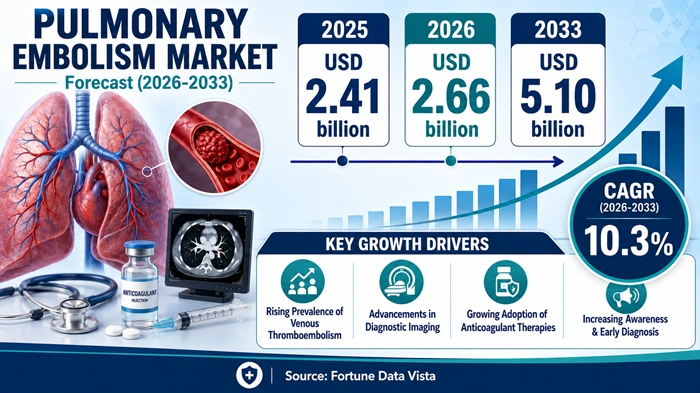
The global pulmonary embolism market size is valued at USD 2.41 billion in 2025 and is predicted to increase from USD 2.66 billion in 2026 to approximately USD 5.10 billion by 2033, growing at a CAGR of 10.3% from 2026 to 2033.
Pulmonary embolism (PE) is a serious and potentially life-threatening medical condition in which one or more arteries in the lungs become blocked by a blood clot — most commonly arising from deep vein thrombosis (DVT) in the legs. It is one of the leading causes of cardiovascular mortality worldwide, responsible for an estimated 100,000 to 180,000 deaths annually in the United States alone and accounting for the third most common acute cardiovascular syndrome globally after heart attack and stroke. The commercial market addressing this condition encompasses a broad therapeutic landscape — from widely prescribed anticoagulant medications including direct oral anticoagulants (DOACs) and heparin-based therapies to advanced interventional treatments such as catheter-directed thrombolysis, mechanical thrombectomy, and inferior vena cava (IVC) filter implantation. Rising global disease prevalence, aging populations, improved diagnostic technology, and the rapid clinical adoption of novel therapeutic approaches are collectively driving the pulmonary embolism market toward strong and sustained revenue growth through 2033.
AI Impact on the Pulmonary Embolism Industry
Artificial intelligence is revolutionizing pulmonary embolism detection, risk stratification, and treatment decision-making — delivering faster diagnoses, more personalized therapeutic protocols, and materially improved patient survival outcomes across hospital systems globally
AI-powered clinical decision support systems are having a direct and measurable impact on pulmonary embolism mortality outcomes by accelerating the time from patient presentation to definitive diagnosis and treatment. Traditional PE diagnosis relies on a combination of clinical probability scores, D-dimer testing, and CT pulmonary angiography — a sequence that can take hours in busy emergency departments and during which patient condition can deteriorate rapidly. Deep learning algorithms trained on large CT scan datasets can now automatically detect PE with sensitivity and specificity comparable to specialist radiologists, flagging high-probability cases for immediate clinical prioritization in real time. Hospitals integrating AI-assisted CT analysis into their emergency radiology workflows are reporting meaningful reductions in PE diagnosis time, enabling faster initiation of anticoagulation or interventional therapy in time-critical high-risk cases. For pharmaceutical and medical device companies operating in this space, AI-accelerated diagnosis translates directly into expanded treated patient populations and earlier-stage disease identification — both of which support commercial market growth.
Beyond diagnostics, AI is transforming PE risk stratification and treatment pathway decision-making in ways that are beginning to influence product development priorities across the pulmonary embolism market. Machine learning models integrating patient vitals, cardiac biomarkers (troponin, BNP), echocardiographic parameters, and CT findings can now predict with greater accuracy which patients with intermediate-risk PE are likely to deteriorate — identifying the subset who would benefit from aggressive interventional therapy versus those who can be safely managed with anticoagulation alone. This capability is directly relevant to the commercial positioning of advanced interventional products such as catheter-directed thrombolysis systems and mechanical thrombectomy devices, which represent some of the highest-value and fastest-growing product categories in the market. Pulmonary Embolism Response Teams (PERTs) — multidisciplinary teams managing complex PE cases — are increasingly using AI-integrated decision support platforms to standardize their case review processes, creating new institutional demand for integrated digital health solutions within the PE treatment ecosystem.
Growth Factors
Rising global PE incidence driven by aging demographics and lifestyle-related risk factors, accelerating clinical adoption of DOACs, and a wave of novel catheter-based interventional therapies are converging to generate robust and multi-dimensional revenue growth across the pulmonary embolism market through 2033
The most fundamental growth driver for the pulmonary embolism market is the steady and significant increase in PE incidence driven by aging global populations and the growing prevalence of major PE risk factors — including obesity, sedentary lifestyles, cancer, prolonged hospitalization, major surgery, and long-haul air travel. In the United States, PE affects an estimated 600,000 to 900,000 people annually, and incidence rates are rising as the proportion of the population aged 65 and over expands. Globally, improved diagnostic sensitivity through widespread adoption of CT pulmonary angiography has also increased detection rates — meaning a growing share of PE cases that previously went undiagnosed are now being identified and treated. Each incremental diagnosed PE patient represents direct revenue for pharmaceutical manufacturers, medical device companies, and healthcare institutions — making epidemiological trend the most reliable and enduring commercial driver in the market.
The growing replacement of traditional vitamin K antagonists (VKAs) such as warfarin by direct oral anticoagulants — including rivaroxaban (Xarelto), apixaban (Eliquis), edoxaban (Savaysa), and dabigatran (Pradaxa) — represents the second major commercial growth engine. DOACs offer significant clinical advantages over VKAs: they are administered in fixed doses without routine coagulation monitoring, have fewer drug-food interactions, demonstrate equivalent or superior efficacy in PE treatment and secondary prevention, and carry a more favorable bleeding risk profile. Market penetration of DOACs in PE management has grown dramatically over the past decade and continues to expand globally, particularly in emerging markets where historical access to warfarin monitoring infrastructure was a barrier to adequate anticoagulation therapy. The extended-duration use of DOACs for PE secondary prevention — supported by clinical trial evidence from programs like EINSTEIN Choice and AMPLIFY-EXT — is also extending the commercial treatment duration per patient and generating additional revenue for leading DOAC manufacturers including Bayer, Pfizer, and Bristol-Myers Squibb.
Market Outlook
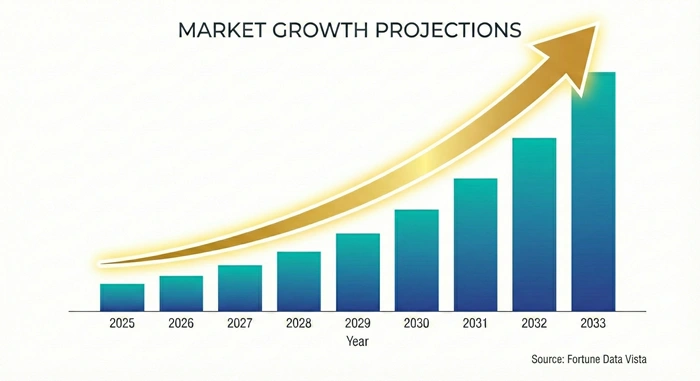
With a projected doubling in market value from 2025 to 2033, driven by aging patient demographics, expanding DOAC adoption, and a rapidly commercializing pipeline of catheter-based interventional devices, the pulmonary embolism market is entering one of the most productive and innovation-rich periods in its history
The medium-to-long-term outlook for the pulmonary embolism market is strongly positive and broadly grounded across multiple commercial drivers. Growing at a CAGR of 10.3% through 2033, the market is projected to reach USD 5.10 billion — representing over USD 2.4 billion in incremental revenue added from its 2026 base. North America will maintain its dominance as the largest regional market, underpinned by high disease prevalence, strong healthcare expenditure, established PERT infrastructure, and a highly active pipeline of novel therapeutic devices and drug formulations progressing through U.S. FDA approval pathways. Europe will contribute stable and growing revenue from its advanced anticoagulation therapy market and increasingly active interventional PE management centers. Asia Pacific is positioned as the fastest-growing regional market, driven by expanding healthcare access, growing diagnosis rates in previously under-served populations, and increasing pharmaceutical market access for DOACs across China, India, and Southeast Asia.
The interventional PE treatment segment — encompassing catheter-directed thrombolysis, ultrasound-assisted catheter techniques, and mechanical thrombectomy — represents the most dynamic and rapidly growing commercial category in the market. The FDA approvals and expanded labeling of devices such as Inari Medical's FlowTriever, EkoSonic's EKOS catheter system (now owned by Boston Scientific), and the PERFECT registry-backed clinical evidence base for catheter-directed therapy are shifting treatment standards for intermediate- and high-risk PE toward more aggressive and definitive blood clot removal strategies. These devices command premium reimbursement, are driving new procedural volumes in hospital catheterization labs, and represent a fundamentally different revenue profile from the established pharmaceutical anticoagulant market — adding high-value procedural revenue streams that are materially reshaping the overall pulmonary embolism market structure through 2033.
Expert Speaks
-
"The management of pulmonary embolism has been transformed over the past decade by the clinical evidence supporting direct oral anticoagulants, and we continue to see strong prescription growth for Eliquis in PE treatment and secondary prevention globally. As populations age and PE incidence continues to rise, we believe this market will sustain significant growth through the foreseeable future, and we remain deeply committed to educating clinicians on optimizing anticoagulation therapy for the best possible patient outcomes." — CEO perspective, leading global biopharmaceutical company with a major DOAC portfolio
-
"The emergence of Pulmonary Embolism Response Teams and the growing clinical acceptance of catheter-directed intervention for intermediate- and high-risk PE represent a genuine inflection point for the interventional device market. We are seeing increasing demand for minimally invasive blood clot retrieval technologies from hospitals building out their PERT programs, and we believe that the combination of strong clinical evidence and favorable reimbursement will continue to drive rapid market expansion for advanced PE interventional devices." — CEO perspective, leading medical device company specializing in venous thromboembolism treatment
-
"Artificial intelligence and digital health integration are reshaping how hospitals detect, triage, and manage PE — and we believe these tools will be central to the market's growth over the next decade. From AI-assisted CT diagnostics that accelerate time-to-treatment to PERT decision support platforms that standardize complex case management, the digital health layer of the PE ecosystem is becoming as commercially important as the therapeutic products themselves." — CEO perspective, multinational healthcare technology and diagnostics company
Key Report Takeaways
-
North America leads the global pulmonary embolism market, accounting for approximately 42% of total revenue share in 2025, driven by the highest PE incidence rates among developed economies, well-established PERT programs in major academic medical centers, strong DOAC prescription growth, and active commercialization of advanced catheter-directed interventional devices by companies including Inari Medical, Boston Scientific, and Penumbra.
-
Asia Pacific is the fastest-growing regional market, expected to register the highest regional CAGR through 2033, driven by rapidly expanding healthcare infrastructure, improving PE diagnosis rates through wider adoption of CT pulmonary angiography, growing access to DOAC therapies in China and India, and increasing physician awareness of updated PE management guidelines across the region.
-
Anticoagulants are the dominant treatment type, holding approximately 61.3% of global market revenue in 2025, as they represent the standard of care for the majority of non-massive PE patients — with direct oral anticoagulants including rivaroxaban and apixaban increasingly displacing older vitamin K antagonists due to their superior ease of use, fixed dosing, and comparable efficacy and safety profiles.
-
Direct oral anticoagulants (DOACs) are the largest and fastest-growing drug class, commanding approximately 48% of drug class market share in 2025, supported by strong clinical evidence, active manufacturer promotion, and continued geographic expansion of DOAC access in emerging markets where warfarin management infrastructure has historically been inadequate.
-
Hospitals are the dominant end-user segment, accounting for over 68% of total market revenue in 2025, given that PE is a medical emergency typically requiring inpatient diagnosis and initial treatment — with high-risk and intermediate-risk patients managed in ICU, cardiac care unit, or interventional radiology settings that require both pharmaceutical and device inputs.
-
Catheter-directed therapy (CDT) is the fastest-growing treatment segment, anticipated to grow at a CAGR exceeding 12.0% through 2033, driven by expanding PERT programs, favorable interventional cardiology reimbursement, strong clinical evidence from FlowTriever FLASH and EKOS trial data, and growing physician preference for definitive clot removal in intermediate-high-risk patients who are unsuitable candidates for systemic thrombolysis.
-
CT pulmonary angiography (CTPA) leads the diagnosis segment, accounting for approximately 47.8% of diagnostic revenue in 2025, as it remains the gold standard for definitive PE diagnosis — with AI-enhanced CTPA workflows further accelerating adoption in emergency and acute care settings globally.
Market Scope
| Parameter | Details |
|---|---|
| Market Size by 2033 | USD 5.10 Billion | Market Size by 2026 | USD 2.66 Billion | Market Size by 2025 | USD 2.41 Billion | Market Growth Rate from 2026 to 2033 | CAGR of 10.3% | Dominating Region | North America | Fastest Growing Region | Asia Pacific | Segments Covered | Treatment Type, Drug Class, Diagnosis, End User, Distribution Channel | Regions Covered | North America, Europe, Asia Pacific, Latin America, Middle East & Africa |
Market Dynamics
Drivers Impact Analysis
Rising PE incidence from aging demographics and lifestyle risk factors, the revolutionary clinical adoption of DOACs, and the commercialization of minimally invasive catheter-based interventional therapies are acting as the three most powerful and mutually reinforcing commercial engines of the pulmonary embolism market
| Driver | ≈ % Impact on CAGR Forecast | Geographic Relevance | Impact Timeline |
|---|---|---|---|
| Rising PE incidence — aging populations, obesity, sedentary lifestyles | ~35% | Global, especially North America and Europe | Short to Long Term |
| Growing DOAC prescription rates replacing VKAs in PE treatment | ~28% | Global, especially Asia Pacific, Latin America | Short to Long Term |
| Commercialization of catheter-directed therapy and mechanical thrombectomy devices | ~22% | North America, Europe | Medium to Long Term |
| Improved PE diagnosis through AI-enhanced CT pulmonary angiography | ~10% | North America, Europe, Asia Pacific | Short to Medium Term |
| Expansion of PERT programs standardizing advanced PE management | ~5% | North America, Europe | Medium to Long Term |
The combination of demographic aging and rising lifestyle-related disease burden is creating a structural and long-term expansion of the patient population driving demand in the pulmonary embolism market. PE risk increases sharply with age — with incidence rates in adults over 65 approximately eight times higher than in younger populations — and the global population aged 65 and over is projected to reach 1.6 billion by 2050. Cancer patients represent another large and growing PE risk population, as malignancy-associated thrombosis is one of the most common PE risk factors globally and is driving growing use of extended-duration anticoagulation in oncology practice. The cardiovascular and metabolic risk burden associated with global obesity rates — which have more than tripled since 1975 — further expands the PE-susceptible population, particularly in North America, Europe, and increasingly in urban Asia Pacific markets. Each increment of growth in these underlying risk populations creates proportional growth in the treated PE patient base and corresponding commercial market expansion.
The clinical transformation enabled by DOACs represents perhaps the single most commercially important development in the pulmonary embolism therapeutics landscape of the past decade. The combination of fixed-dose oral administration, predictable pharmacokinetics, and elimination of routine coagulation monitoring has made DOACs dramatically more accessible and manageable than warfarin for both patients and prescribers — enabling wider adoption in settings including primary care, outpatient clinics, and emergency department discharge prescriptions. The geographic expansion of DOAC access is particularly powerful in emerging markets such as India, China, Brazil, and Southeast Asia, where the logistical complexity of warfarin monitoring in resource-limited healthcare settings had historically resulted in under-treatment of PE patients. As DOAC patent protection rolls off and affordable generic versions enter key markets — which is already occurring for rivaroxaban and will soon occur for apixaban — access will expand further, broadening the commercial base of the anticoagulant segment of the PE market significantly.
Restraints Impact Analysis
High drug acquisition and procedural treatment costs, the persistent bleeding complication risk associated with anticoagulation and thrombolytic therapy, and significant diagnostic gaps in low-resource healthcare settings are creating meaningful friction that is moderating the pace of otherwise strong growth in the pulmonary embolism market
| Restraint | ≈ % Impact on CAGR Forecast | Geographic Relevance | Impact Timeline |
|---|---|---|---|
| High cost of brand-name DOAC therapy and interventional PE procedures | ~42% | Latin America, Asia Pacific, MEA | Short to Long Term |
| Bleeding risk complications associated with anticoagulants and thrombolytics | ~35% | Global | Short to Long Term |
| Under-diagnosis due to limited CT infrastructure in low-income settings | ~23% | MEA, Latin America, parts of Asia Pacific | Short to Medium Term |
The most significant commercial restraint in the pulmonary embolism market is the high cost of therapy — both pharmaceutical and procedural — which limits access in lower- and middle-income healthcare environments. Brand-name DOACs remain expensive relative to generic warfarin in many markets, and the out-of-pocket cost for patients without comprehensive pharmaceutical insurance coverage can be prohibitive. Advanced interventional procedures such as catheter-directed thrombolysis and mechanical thrombectomy require hospital capital investment in specialized equipment, trained interventional teams, and procedure-specific reimbursement — all of which are only available in well-resourced tertiary care facilities. This creates a marked disparity in treatment access between high-income and lower-income markets, limiting the commercial addressability of a significant portion of the global PE patient population in the near to medium term.
Bleeding complications remain the most clinically significant safety concern limiting the more aggressive use of anticoagulant and thrombolytic therapy in PE management. Systemic thrombolysis with tissue plasminogen activator (tPA), while highly effective at restoring pulmonary blood flow in massive PE, carries an approximately 2% risk of intracranial hemorrhage — a potentially fatal complication that has historically limited its use to only the most critically ill PE patients. Even with DOACs, clinically significant bleeding events occur in 2–3% of patients annually, creating prescriber hesitation in high-risk populations including the elderly, patients with renal impairment, and those taking concomitant antiplatelet agents. The development of specific reversal agents — andexanet alfa for Factor Xa inhibitors and idarucizumab for dabigatran — has partially addressed this concern, but the high cost of these agents adds another layer of financial complexity to PE management.
Opportunities Impact Analysis
The untapped potential of catheter-directed intervention in intermediate-risk PE, the geographic expansion of DOAC access in emerging markets, and the growing pipeline of novel anticoagulants and PE-specific diagnostics represent three high-value opportunity streams that will materially shape the commercial future of the pulmonary embolism market through 2033
| Opportunity | ≈ % Impact on CAGR Forecast | Geographic Relevance | Impact Timeline |
|---|---|---|---|
| Expanded CDT and mechanical thrombectomy adoption for intermediate-risk PE | ~40% | North America, Europe | Medium to Long Term |
| Generic DOAC market expansion in emerging economies | ~32% | Asia Pacific, Latin America, MEA | Short to Medium Term |
| Novel anticoagulant pipeline and PE-specific diagnostics innovation | ~20% | North America, Europe | Medium to Long Term |
| Digital health and AI-assisted PE detection and PERT support platforms | ~8% | North America, Europe | Medium to Long Term |
The most commercially transformative near-term opportunity in the pulmonary embolism market is the expansion of catheter-directed and mechanical thrombectomy approaches into the large and underserved intermediate-risk PE population. Currently, the majority of intermediate-risk PE patients are managed with anticoagulation alone — despite significant residual thrombus burden, risk of right heart dysfunction, and clinically meaningful rates of post-PE syndrome including functional limitation and chronic thromboembolic pulmonary hypertension. The accumulating evidence base supporting catheter-directed therapy for intermediate-risk patients — combined with the development of next-generation mechanical thrombectomy devices that eliminate the bleeding risk of thrombolytics — is creating strong clinical momentum toward expanded interventional use in this large patient segment. Inari Medical's continued post-market evidence development, Boston Scientific's EKOS platform expansion, and the entry of new competitors including Penumbra, Teleflex, and Becton Dickinson into the PE device market are generating substantial product development and commercial investment that will drive rapid market expansion.
Generic DOAC commercialization in emerging markets represents a second large and relatively near-term opportunity. As patent protection expires on rivaroxaban in multiple markets and apixaban biosimilar pathways advance globally, the price of DOAC therapy is expected to decline substantially — dramatically expanding commercial access in markets including India, Southeast Asia, Latin America, and parts of the Middle East and Africa where brand-name DOAC pricing has historically been a barrier to adoption. In India alone — where PE is estimated to affect hundreds of thousands of patients annually — the combination of growing diagnostic capability, rising clinician awareness of updated PE management guidelines, and access to affordable generic DOACs could generate a market expansion over the 2026–2033 window that significantly outpaces growth in already mature Western markets.
Segment Analysis
By Treatment Type: Anticoagulants
Anticoagulants have defined PE management for decades and continue to dominate the pulmonary embolism market — with the DOAC revolution now extending their commercial leadership into new geographies and patient populations that traditional warfarin therapy could never reach
Anticoagulants represent the dominant treatment type in the pulmonary embolism market, holding approximately 61.3% of global treatment revenue in 2025 and growing at a CAGR of approximately 9.2% through 2033. They remain the cornerstone of therapy for the vast majority of PE patients — including low-risk outpatients discharged on oral anticoagulation and intermediate-risk inpatients requiring parenteral bridging with low molecular weight heparin (LMWH) before transitioning to oral therapy. The transition from vitamin K antagonists to DOACs within this segment has been the most commercially significant therapeutic shift in PE management history, with apixaban (Eliquis, Pfizer/BMS) and rivaroxaban (Xarelto, Bayer/Janssen) now collectively accounting for the majority of new anticoagulation prescriptions for PE globally. North America is the largest geographic revenue contributor to this segment, accounting for approximately 40% of global anticoagulant PE treatment revenue, driven by strong DOAC formulary access, robust physician prescribing, and extended-duration secondary prevention use supported by clinical guidelines.
Europe is the second-largest geographic market for the anticoagulant segment, with Germany, France, the United Kingdom, and Italy driving significant prescription volume through their national healthcare systems. Key companies leading this segment globally include Pfizer and Bristol-Myers Squibb (apixaban/Eliquis), Bayer (rivaroxaban/Xarelto), Boehringer Ingelheim (dabigatran/Pradaxa), and Daiichi Sankyo (edoxaban/Savaysa) — all of which maintain large commercial organizations dedicated to the venous thromboembolism therapeutic category. In Asia Pacific, the anticoagulant segment is experiencing the fastest growth rates regionally, as expanding healthcare coverage in China and India accelerates DOAC formulary inclusion and physician familiarity with updated PE management protocols aligned with ESC and ACC/AHA guidelines. The extended-treatment indication for DOACs in PE secondary prevention is emerging as a particularly important commercial growth driver, effectively extending the average treatment duration per patient from three to six months to indefinite therapy in patients with unprovoked or recurrent PE.
By End User: Hospitals
Hospitals are and will remain the commercial hub of the pulmonary embolism market — as the essential institutional infrastructure for PE diagnosis, risk stratification, and treatment across every therapeutic modality from oral anticoagulants to advanced interventional device procedures
Hospitals are the dominant end-user segment in the pulmonary embolism market, accounting for over 68% of global revenue in 2025 and growing at a CAGR of approximately 10.1% through 2033. This dominance reflects PE's nature as a medical emergency that requires hospital-based imaging, clinical risk stratification, and — in moderate to high-risk cases — inpatient treatment monitoring. The majority of pharmaceutical anticoagulant initiation, all systemic and catheter-directed thrombolysis procedures, all mechanical thrombectomy interventions, and all IVC filter implantations occur within hospital settings — making hospitals the primary commercial customer for both PE pharmaceutical products and interventional medical devices. Major academic medical centers and large tertiary care hospitals are the highest-value institutional customers, as they operate fully staffed PERTs, interventional cardiology and pulmonology programs, and advanced imaging suites that handle the most complex and highest-cost PE cases. North America leads this segment in terms of per-institution revenue intensity, with U.S. hospitals including Cleveland Clinic, Mayo Clinic, Massachusetts General Hospital, and Brigham and Women's Hospital setting global standards for advanced PE management programs.
The hospital segment's growth is being amplified by the expansion of PERT programs across both academic and community hospitals in North America and Europe — a trend that is standardizing the use of multidisciplinary PE management protocols and increasing institutional investment in both pharmacological and device-based PE treatment capabilities. PERT programs create institutional frameworks that systematically identify and escalate intermediate- and high-risk PE cases to advanced therapy — thereby expanding the treated patient population for premium catheter-directed and mechanical thrombectomy procedures beyond the small subset of truly critical patients who receive them today. As PERT programs proliferate globally — with over 200 active programs now operating in North America alone and growing adoption in European and Asia Pacific tertiary centers — the institutional demand for the full spectrum of PE therapeutic products and interventional devices is expected to grow materially across the 2026–2033 forecast horizon.
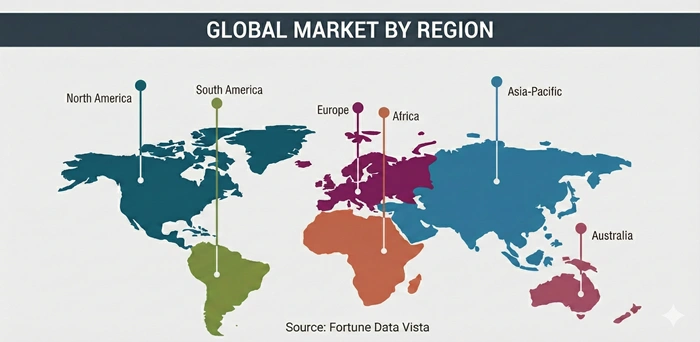
Regional Insights
North America
North America's position as the largest and most commercially advanced regional market in the pulmonary embolism landscape is underpinned by the highest per-capita PE incidence, the most mature PERT infrastructure, and an exceptionally active medical device and pharmaceutical innovation ecosystem
North America dominates the pulmonary embolism market, accounting for approximately 42% of global revenue share in 2025, valued at approximately USD 1.01 billion, with a regional CAGR of approximately 10.0% projected through 2033. The United States drives the overwhelming majority of regional revenue, supported by the world's largest per-capita healthcare expenditure, high PE incidence rates exacerbated by obesity and aging demographics, and highly developed hospital-based PERT infrastructure that systematically identifies and escalates complex PE cases to advanced therapy. The rapid commercial expansion of mechanical thrombectomy devices — led by Inari Medical's FlowTriever system, Boston Scientific's EKOS platform, and emerging competitors including Penumbra and Teleflex — is generating substantial new device revenue in the U.S. market that is fundamentally reshaping the treatment revenue mix from purely pharmaceutical toward a higher-margin blend of drugs and devices. Key pharmaceutical companies with major North American PE market positions include Pfizer, Bristol-Myers Squibb, Bayer, Boehringer Ingelheim, and Janssen Pharmaceuticals.
Canada contributes meaningful regional revenue from its publicly funded healthcare system, where updated clinical guidelines from the Canadian Cardiovascular Society are driving DOAC adoption and PERT program development in major academic medical centers including Toronto General Hospital and Vancouver General Hospital. The FDA's accelerated approval pathways and breakthrough device designation programs are maintaining a rapid pace of novel PE treatment approvals in the U.S. — ensuring that North America continues to receive the earliest commercial access to next-generation interventional and pharmaceutical PE therapies globally. Mexico is at an earlier stage of market development, with growing access to DOAC therapy and expanding PE diagnosis infrastructure in major urban centers creating incremental commercial opportunities for the region's leading pharmaceutical distributors and hospital pharmacy networks.
Asia Pacific
Asia Pacific's explosive healthcare system expansion, rapidly improving PE diagnosis rates, and growing access to modern anticoagulant therapies are establishing it as the fastest-growing and strategically most important emerging market for pulmonary embolism treatment globally
Asia Pacific is the fastest-growing region in the pulmonary embolism market, expected to grow at a regional CAGR of approximately 11.8% through 2033, supported by a combination of expanding population-level disease burden, improving diagnostic infrastructure, and widening access to guideline-recommended PE therapies. China is the largest country market within the region, driven by its 1.4 billion population, high rates of PE risk factors including smoking, sedentary urban lifestyles, and cancer, and a healthcare modernization agenda that has significantly expanded CT pulmonary angiography access and DOAC formulary inclusion across tier-1 and tier-2 hospitals. India is the most rapidly growing individual country market, with the Indian government's Ayushman Bharat public health insurance scheme progressively expanding access to hospital-based PE diagnosis and treatment for economically disadvantaged populations — creating a large incremental patient population that was previously outside the formal healthcare system's reach. Regional key players include Sun Pharmaceutical Industries and Cipla (India), which are actively expanding their anticoagulant and cardiovascular therapeutic portfolios to address growing domestic PE market demand.
Japan and South Korea contribute high-value revenue from their advanced healthcare systems, where premium DOAC therapies are well-reimbursed and interventional PE treatment programs are actively developing. Australia's strong healthcare system and aging population demographics are driving steady growth in PE treatment revenue, with growing interest in catheter-directed therapy at major Australian academic medical centers. Southeast Asian markets — including Thailand, Vietnam, Indonesia, and the Philippines — are at earlier stages of PE management modernization but are experiencing rapid improvement in diagnostic imaging availability and physician education on PE guidelines — creating the foundations for significant commercial market development over the 2026–2033 window.
Report Customization Available
Get a Fully Customized Pulmonary Embolism Market Report for Your Target Region or Country
Our pulmonary embolism market report is available with complete region-specific and country-level customization to precisely align with your strategic research and business intelligence needs. Each tailored version delivers in-depth market sizing, treatment-type-specific revenue analysis, drug class and device competitive landscape profiling, healthcare policy and reimbursement environment assessment, clinical guidelines impact analysis, and growth opportunity mapping — all calibrated to the specific commercial dynamics of your selected geography and therapeutic focus.
Customized pulmonary embolism market reports are available for the following regions and countries:
North America
-
United States – In-depth analysis of PERT program expansion, FDA-approved interventional PE device market, DOAC formulary and reimbursement landscape, key company profiles including Inari Medical, Boston Scientific, Pfizer, and BMS, and hospital segment PE treatment revenue
-
Canada – Coverage of Canadian Cardiovascular Society guideline adoption, DOAC formulary access under provincial health plans, PERT program development in academic centers, and competitive pharmaceutical supplier landscape
-
Mexico – Analysis of growing PE diagnosis and treatment market, DOAC commercial expansion, hospital pharmacy PE drug distribution, and regulatory environment for anticoagulant and device approvals
Europe
-
United Kingdom – Coverage of NHS PE treatment protocols, NICE guideline impact on DOAC adoption, hospital pharmacy drug procurement trends, and PERT program development in NHS trust hospitals
-
Germany – Analysis of statutory health insurance reimbursement for DOACs and interventional PE devices, leading company profiles including Bayer and Boehringer Ingelheim, and academic medical center PE program landscape
-
France – Insights on HAS guideline-driven PE management, DOAC prescription trends, hospital and specialty clinic treatment setting revenue, and major clinical research center activities
-
Italy – Coverage of AIFA regulatory landscape, anticoagulant reimbursement policies, leading pharmaceutical distributors, and hospital PE treatment infrastructure
-
Rest of Europe – Aggregated analysis covering Spain, Netherlands, Belgium, Poland, and Scandinavian markets, with focus on DOAC adoption rates, interventional PE device market development, and guideline harmonization with ESC PE recommendations
Asia Pacific
-
China – Comprehensive analysis of NHSA-reimbursed DOAC formulary inclusion, hospital-based PE treatment infrastructure, leading domestic and multinational company market positions, and CFDA regulatory environment for PE therapeutics
-
India – Coverage of Ayushman Bharat public health insurance scheme PE treatment access, domestic generic DOAC market, Sun Pharma and Cipla competitive positioning, growing interventional cardiology PE program development, and CDSCO regulatory landscape
-
Japan – Insights on PMDA-regulated PE drug and device market, premium DOAC reimbursement, leading Japanese pharmaceutical company positions, and catheter-directed therapy adoption in major academic medical centers
-
South Korea – Analysis of HIRA reimbursement framework for PE treatment, DOAC market dynamics, Samsung Medical Center and Asan Medical Center PE program development, and medical device market access
-
Australia – Coverage of TGA-regulated PE therapeutics market, PBS-subsidized DOAC access, major PE clinical research activities, and interventional treatment program development at major Australian hospitals
-
Rest of Asia Pacific – Market analysis for Vietnam, Indonesia, Thailand, and the Philippines, focused on growing PE diagnosis infrastructure, DOAC commercial expansion, and public health system PE management capacity development
Latin America
-
Brazil – Detailed analysis of ANVISA-regulated PE drug market, SUS public health system PE treatment access, growing private hospital PERT programs, and leading domestic and international pharmaceutical company positions
-
Argentina – Coverage of domestic pharmaceutical landscape, DOAC market development, hospital-based PE management trends, and regulatory environment for anticoagulant therapies
-
Rest of Latin America – Insights covering Colombia, Chile, Peru, and Mexico, focused on DOAC commercial expansion, growing hospital PE treatment infrastructure, and disease burden trends
Middle East & Africa
-
UAE – Coverage of MOHAP-regulated PE treatment market, premium private hospital PE management programs, international pharmaceutical brand access, and growing interventional cardiology infrastructure
-
Saudi Arabia – Analysis of MOH healthcare system PE treatment protocols, DOAC formulary expansion under Vision 2030 health reforms, and leading hospital network PE program development
-
Rest of MEA – Insights covering South Africa, Egypt, Turkey, and broader MEA markets, focused on growing PE diagnostic and treatment access, public health system integration of DOACs, and key regional pharmaceutical distributor landscape
Top Key Players
-
Pfizer Inc. (United States)
-
Bristol-Myers Squibb Company (United States)
-
Bayer AG (Germany)
-
Boehringer Ingelheim GmbH (Germany)
-
Daiichi Sankyo Company, Limited (Japan)
-
Sanofi S.A. (France)
-
Johnson & Johnson (Janssen Pharmaceuticals) (United States)
-
Abbott Laboratories (United States)
-
Boston Scientific Corporation (United States)
-
Inari Medical, Inc. (United States)
-
Penumbra, Inc. (United States)
-
Teleflex Incorporated (United States)
-
F. Hoffmann-La Roche Ltd. (Switzerland)
-
Teva Pharmaceutical Industries Ltd. (Israel)
-
GlaxoSmithKline plc (United Kingdom)
Recent Developments
-
In March 2025, Boston Scientific Corporation announced expanded commercial availability of its EKOS Endovascular System for catheter-directed ultrasound-assisted thrombolysis in pulmonary embolism, with new data from the OPTALYSE PE trial supporting use of ultra-low tPA doses that significantly reduce bleeding risk compared to conventional systemic thrombolysis protocols. The company also initiated expanded training programs for PERT centers across North America and Europe, supporting the institutionalization of CDT as a standard intermediate-risk PE management tool.
-
In January 2025, Inari Medical, Inc. (now part of Stryker Corporation following a completed acquisition) published pivotal FLASH registry data demonstrating that its FlowTriever mechanical thrombectomy system achieved an 80.5% mean reduction in RV/LV ratio and significant improvement in PE severity scores in a real-world population of high-risk and intermediate-high-risk PE patients — providing the strongest real-world evidence base to date supporting mechanical thrombectomy over anticoagulation-alone management for this patient segment.
-
In November 2024, Bayer AG announced positive results from its Phase III OCEAN(a)-Outcomes trial evaluating Factor XI inhibitor asundexian as a potential anticoagulant option in patients following acute PE, with the compound demonstrating a significantly improved bleeding risk profile compared to standard DOAC therapy. The results generated significant interest in the potential for Factor XIa inhibitors as the next generation of PE anticoagulation, with Bayer continuing Phase III development targeting regulatory submission in the second half of 2026.
-
In 2024, Pfizer and Bristol-Myers Squibb reported continued strong global sales growth for Eliquis (apixaban) in the venous thromboembolism indication, with PE treatment and secondary prevention driving a meaningful portion of the drug's total revenue — which exceeded USD 12 billion globally in 2024. Both companies announced continued investment in real-world evidence generation programs for apixaban in PE patient subpopulations including cancer-associated thrombosis, elderly patients, and patients with renal impairment.
-
In October 2024, Penumbra, Inc. received FDA 510(k) clearance for its Lightning Flash mechanical thrombectomy catheter system for use in PE, entering the growing interventional PE device market in direct competition with Inari Medical's FlowTriever. The commercial launch of Lightning Flash in the U.S. PE market represents a significant competitive development, bringing a second large-bore aspiration thrombectomy option to the market and intensifying competition in the highest-growth procedural segment of the PE therapeutics landscape.
Market Trends
The rapid institutionalization of Pulmonary Embolism Response Teams and the accelerating shift toward minimally invasive catheter-based thrombectomy for intermediate-risk patients are the two most commercially and clinically significant trends reshaping the pulmonary embolism market structure and competitive dynamics through 2033
The most important institutional trend reshaping the pulmonary embolism market is the rapid proliferation of Pulmonary Embolism Response Teams across hospital systems in North America and increasingly in Europe and Asia Pacific. PERTs bring together emergency medicine, cardiology, pulmonology, interventional radiology, vascular surgery, and hematology specialists to conduct real-time multidisciplinary review of complex PE cases — ensuring that the full range of therapeutic options, from advanced anticoagulation to catheter-directed intervention and mechanical thrombectomy, are systematically considered for every high-risk patient. The institutionalization of PERTs is measurably increasing the utilization rates of interventional PE therapies in hospitals where these teams operate, driving meaningful procedural volume growth for device manufacturers and creating new high-value therapeutic access points for hospital pharmacy-based pharmaceutical procurement. As PERT program establishment criteria become more formalized and PERT participation increasingly influences hospital quality metrics and accreditation assessments, this trend is expected to intensify through the forecast period.
The second defining market trend is the growing clinical evidence base and physician comfort supporting mechanical thrombectomy over catheter-directed thrombolysis for intermediate-high-risk PE — driven by the fundamental advantage of clot removal without the inherent bleeding risk of fibrinolytic drugs. The FLASH registry, FLAME trial data, and increasing real-world experience with large-bore aspiration catheters are demonstrating rapid, dramatic improvements in right heart function and pulmonary hemodynamics following mechanical thrombectomy — outcomes that are difficult to achieve with anticoagulation alone in the critical early hours of PE management. This evidence momentum is attracting a growing cohort of interventional cardiologists and pulmonologists who had previously limited their PE practice to anticoagulant management, expanding the procedural volume opportunity for next-generation device manufacturers well beyond the initial high-risk PE niche. As long-term post-procedural outcomes data accumulate — particularly regarding rates of post-PE syndrome, exercise tolerance, and quality of life — the clinical and commercial case for mechanical thrombectomy in intermediate-risk PE will continue to strengthen through 2033.
Segments Covered in the Report
-
By Treatment Type
-
Anticoagulants
-
Thrombolytics
-
Surgical Embolectomy
-
Catheter-Directed Therapy (CDT)
-
Mechanical Thrombectomy
-
Inferior Vena Cava (IVC) Filters
-
Others
-
-
By Drug Class
-
Direct Oral Anticoagulants (DOACs) — Rivaroxaban, Apixaban, Edoxaban, Dabigatran
-
Heparin & Low Molecular Weight Heparin (LMWH)
-
Vitamin K Antagonists (Warfarin and others)
-
Fibrinolytics (tPA, Streptokinase, Urokinase)
-
-
By Diagnosis
-
CT Pulmonary Angiography (CTPA)
-
Ventilation-Perfusion (V/Q) Scan
-
Echocardiography
-
D-Dimer Tests
-
Pulmonary Angiography
-
Others
-
-
By End User
-
Hospitals
-
Specialty Clinics
-
Ambulatory Surgical Centers
-
Others
-
-
By Distribution Channel
-
Hospital Pharmacies
-
Retail Pharmacies
-
Online Pharmacies
-
-
By Region
-
North America (U.S., Canada, Mexico)
-
Europe (U.K., Germany, France, Italy, Rest of Europe)
-
Asia Pacific (China, India, Japan, South Korea, Australia, Rest of Asia Pacific)
-
Latin America (Brazil, Argentina, Rest of Latin America)
-
Middle East & Africa (UAE, Saudi Arabia, Rest of MEA)
-
❝ Built for Every Level — From Startups to Industry Giants ❞
Here Is Exactly How This Report Works for You
-
For Tier 1 pharmaceutical companies, major medical device manufacturers, and institutional investors: This report delivers a granular competitor revenue analysis — dissecting product-level revenues, market share positions, pipeline assets, and geographic commercial strategies for all 15 major players including Pfizer/BMS, Bayer, Inari Medical, and Boston Scientific. It also provides a comprehensive assessment of how geopolitical and policy factors — including U.S. IRA drug pricing provisions, EU pharmaceutical regulation reform, Asian DOAC reimbursement expansion policies, and healthcare system consolidation trends — are reshaping competitive dynamics and revenue trajectories in the global pulmonary embolism market, empowering executives to make strategic decisions with confidence.
-
For Tier 2 specialty pharmaceutical companies, medical device distributors, and mid-tier healthcare companies: This report identifies the specific clinical, geographic, and procedural gaps where supply of advanced PE treatment options falls short of patient need — revealing high-value market entry opportunities in PERT-enabling device categories, generic DOAC markets in Asia Pacific and Latin America, AI-assisted PE diagnostic tools, and hospital pharmacy clinical services. Competitor revenue source analysis shows precisely which therapeutic categories and geographic markets are driving the highest growth margins for established players — giving emerging competitors a clear strategic roadmap for positioning and investment.
-
For healthcare startups, venture capital investors, and early-stage medical technology companies: This report maps the highest-CAGR commercial frontiers in the pulmonary embolism market — including next-generation mechanical thrombectomy devices, Factor XIa inhibitor anticoagulants, AI-integrated PERT decision support platforms, and post-PE syndrome management programs — with detailed analysis of competitive intensity, regulatory pathway complexity, and investment activity timelines. It provides the strategic intelligence to identify, validate, and pursue the most attractive and defensible commercial white-space opportunities within the PE treatment ecosystem through 2033 and beyond.
Frequently Asked Questions:
Answer: The global pulmonary embolism market was valued at USD 2.41 billion in 2025 and is expected to reach approximately USD 5.10 billion by 2033. The market is projected to grow at a CAGR of 10.3% from 2026 to 2033, driven by rising PE incidence, accelerating DOAC adoption, and the rapid commercialization of catheter-directed and mechanical thrombectomy interventional therapies.
Answer: Anticoagulants — particularly direct oral anticoagulants including apixaban (Eliquis) and rivaroxaban (Xarelto) — dominate the pulmonary embolism market, holding approximately 61.3% of treatment revenue in 2025. Catheter-directed therapy and mechanical thrombectomy represent the fastest-growing treatment categories, with strong clinical evidence and expanding PERT program adoption driving procedural volume growth well above the overall market CAGR.
Answer: North America dominates the pulmonary embolism market with approximately 42% of global revenue in 2025, led by the United States' high PE incidence, mature PERT infrastructure, and active interventional device commercialization landscape. Asia Pacific is the fastest-growing region, expected to grow at a CAGR of approximately 11.8% through 2033, driven by improving PE diagnosis rates, expanding DOAC formulary access, and healthcare system modernization in China and India.
Answer: PERTs are multidisciplinary institutional teams that systematically review complex PE cases in real time, ensuring that the full range of pharmacological and interventional options — from anticoagulation to mechanical thrombectomy — is considered for every high-risk patient. The proliferation of PERT programs is one of the most commercially significant structural trends in the pulmonary embolism market, as PERT-active hospitals consistently demonstrate higher utilization rates of interventional PE therapies and advanced pharmaceutical management protocols.
Answer: The pulmonary embolism market is expected to evolve significantly through 2033 with the clinical advancement of Factor XIa inhibitors — a new anticoagulant class that may offer substantially lower bleeding risk than current DOACs — and the continued expansion of mechanical thrombectomy devices into the intermediate-risk PE population. Additionally, AI-assisted PE diagnostics, post-PE syndrome management programs, and digital health PERT support platforms are expected to create new commercial segments that expand total addressable market value beyond current pharmaceutical and device revenue categories.