
Shingles Vaccine Market Overview
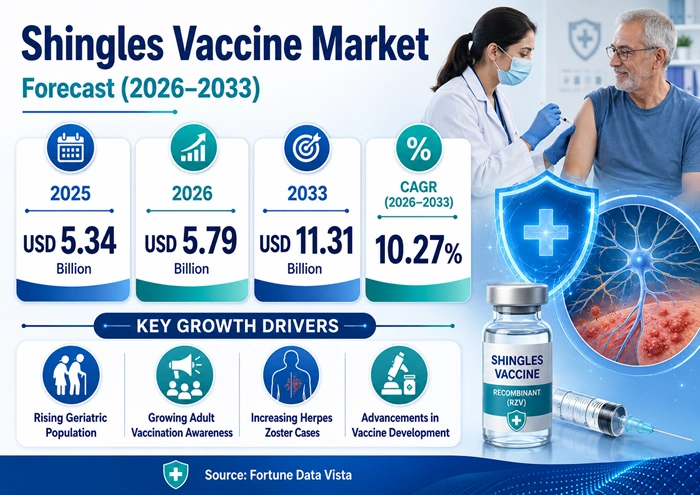
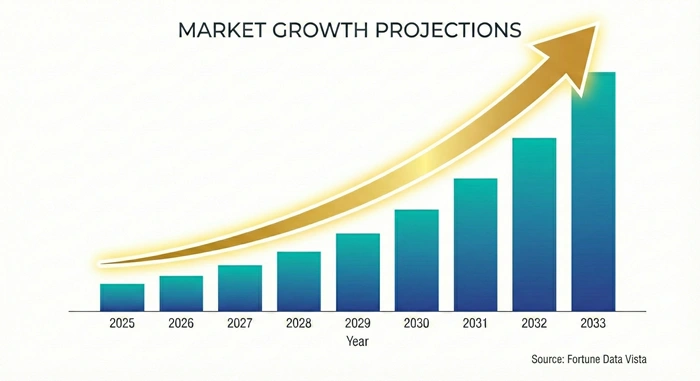
The global shingles vaccine market size is valued at USD 5.34 billion in 2025 and is predicted to increase from USD 5.79 billion in 2026 to approximately USD 11.31 billion by 2033, growing at a CAGR of 10.27% from 2026 to 2033.
Shingles vaccines protect against herpes zoster — a painful condition caused by the reactivation of the varicella-zoster virus — by stimulating the immune system to reduce outbreak risk and complications. The accelerating global aging population, the decisive shift to highly efficacious recombinant vaccine technology, broadening national immunization program inclusion, and growing awareness of shingles' serious neurological complications are all driving strong commercial growth throughout the forecast period.
AI Impact on the Shingles Vaccine Industry
AI-Driven Vaccine Demand Forecasting, Pharmacovigilance Automation, and Personalized Immunization Schedule Optimization Are Transforming the Shingles Vaccine Market from a Mass Immunization Program into a Precision Preventive Health Ecosystem
Artificial intelligence is creating measurable value across the shingles vaccine market by enabling stakeholders to optimize vaccine distribution and personalize immunization recommendations at the individual patient level. AI-powered predictive analytics platforms — trained on population health records, vaccination history, and disease surveillance datasets — are helping public health agencies forecast shingles vaccine demand with significantly greater accuracy. This capability reduces stockout events during peak periods, minimizes vaccine waste, and improves appointment completion rates for the two-dose Shingrix series that is clinically critical for achieving maximum protection efficacy.
In pharmacovigilance, AI-powered adverse event detection systems are transforming post-market safety monitoring into a real-time automated process. Machine learning models trained on electronic health records and insurance claims databases can detect emerging safety signals faster than conventional manual review approaches. For the herpes zoster vaccine category, rapid detection and communication of safety monitoring findings is essential for maintaining the patient trust that sustains broad population vaccination uptake — making AI investment in this area a direct commercial priority for leading manufacturers.
Growth Factors
The Global Aging Population Expanding the Shingles High-Risk Demographic and the Clinical Superiority of Recombinant Shingrix Are the Two Most Commercially Powerful Structural Growth Drivers
The global aging population is the most reliable and commercially durable structural growth driver in the shingles vaccine market. Herpes zoster incidence rises sharply with age — adults over 50 face a lifetime risk of approximately 30%, rising to 50% for those living past 85. The global population aged 60 and over is projected to double to 2.1 billion by 2050, creating a continuously expanding primary market for herpes zoster vaccination that operates independently of any single company's marketing investment.
The clinical performance of GSK's Shingrix recombinant adjuvanted vaccine — demonstrating 97% efficacy against herpes zoster in adults aged 50 and over — has been transformative for the category. Its superior immunogenicity, longer protection duration, and availability for immunocompromised patients have driven the market transition from a slow-growth segment into one of the most dynamic adult vaccine markets globally. The FDA's expanded Shingrix recommendation for immunocompromised adults aged 18 and over has opened a large new addressable population, further accelerating the commercial growth trajectory of the shingles vaccine category.
Market Outlook
The Shingles Vaccine Market Outlook Through 2033 Is Shaped by National Immunization Program Expansion, Emerging Market Accessibility Initiatives, and Potential New Indications Including Cardiovascular and Cognitive Benefit Research
The progressive inclusion of shingles vaccination in national immunization programs is the most commercially transformative policy development shaping the shingles vaccine market. When herpes zoster vaccination transitions from patient self-pay to government-funded program delivery, vaccination rates in eligible populations typically increase by 30–50%. The U.K. NHS, Australia, Germany, and South Korea have all expanded their shingles vaccination programs in recent years, and multiple additional countries are actively evaluating program inclusion.
Emerging research linking herpes zoster vaccination to potential reductions in cardiovascular events and dementia risk is elevating public awareness well beyond the traditional pain prevention narrative. Published epidemiological studies have reported associations between Shingrix vaccination and meaningful reductions in stroke risk and dementia incidence. If confirmed through prospective trial evidence, these findings could support expanded vaccination recommendations for all adults aged 40 and over — dramatically enlarging the commercial market for the shingles vaccine category.
Expert Speaks
-
"The shingles vaccine category has undergone one of the most remarkable clinical and commercial transformations in the history of adult immunization. The recombinant adjuvanted platform demonstrated efficacy levels previously thought unachievable in an aging immune system. The commercial opportunity ahead as this market expands into emerging geographies and new patient populations remains substantial." — CEO, GSK plc
-
"Adult immunization is one of the most strategically important growth segments in global healthcare — and the shingles vaccine market exemplifies the value that science-driven innovation delivers when superior clinical evidence translates into broad population health benefit. We are witnessing a generational shift in how physicians, public health authorities, and patients think about vaccine-preventable disease risk in older age." — CEO, Pfizer Inc.
-
"The global aging population is creating unprecedented demand for preventive health solutions that protect older adults from the debilitating complications of conditions like shingles. Our focus on expanding healthcare access in emerging markets — including improving cold chain infrastructure and affordability pathways for high-efficacy vaccines — reflects our conviction that the commercial opportunity in this segment is both substantial and deeply meaningful." — CEO, Sanofi SA
Key Report Takeaways
-
North America leads the global shingles vaccine market with approximately 36–37% revenue share in 2025, underpinned by high Shingrix penetration rates following its 2017 FDA approval, strong ACIP preferential recommendation, comprehensive private and public insurance reimbursement for adult vaccination, and a highly effective commercial vaccination infrastructure spanning primary care, pharmacy programs, and employer wellness initiatives across the U.S. and Canada
-
Asia Pacific is the fastest-growing regional market, projected to expand at approximately 11.84% CAGR through 2033, powered by the massive aging populations in China, Japan, and South Korea, rapid Shingrix adoption following regulatory approvals in China and South Korea, Australia's NIP inclusion of Shingrix in 2023, and growing middle-class willingness to pay for premium preventive vaccines in rapidly developing urban healthcare markets
-
Shingrix dominates the product segment with approximately 94–95% revenue share in 2025, driven by its unmatched 97% efficacy profile, near-complete market transition away from Zostavax, and ACIP and EMA preferential recommendations — while SKYZoster is the fastest-growing product at approximately 13.28% CAGR, gaining traction in South Korea's national program and expanding into Southeast Asian markets as a cost-competitive alternative
-
Recombinant vaccines dominate the vaccine type segment with approximately 94% revenue share in 2025, reflecting the global clinical consensus supporting recombinant adjuvanted technology as the gold standard for herpes zoster immunization in both immunocompetent and immunocompromised adults across all major healthcare markets
-
Hospital and retail pharmacies lead the distribution channel segment with approximately 68–69% revenue share in 2025 through their role as the primary vaccination delivery points for the two-dose Shingrix regimen — while government suppliers are the fastest-growing channel at approximately 12.13% CAGR, accelerating as more countries include herpes zoster vaccines in publicly funded national immunization programs
-
The immunocompromised adults application segment is the fastest-growing at approximately 12.67% CAGR, driven by the FDA's expanded Shingrix approval for organ transplant recipients, HIV patients, cancer patients on chemotherapy, and individuals on biological immunosuppressive therapies — opening a large high-risk population previously ineligible for live attenuated shingles vaccination
Market Scope
| Parameter | Details |
|---|---|
| Market Size by 2033 | USD 11.31 Billion | Market Size by 2026 | USD 5.79 Billion | Market Size by 2025 | USD 5.34 Billion | Market Growth Rate from 2026 to 2033 | CAGR of 10.27% | Dominating Region | North America | Fastest Growing Region | Asia Pacific | Segments Covered | Product, Vaccine Type, Application, Distribution Channel, Region | Regions Covered | North America, Europe, Asia Pacific, Latin America, Middle East & Africa |
Market Dynamics
Drivers Impact Analysis
The Rapidly Aging Global Population Expanding the Shingles Risk Cohort and National Immunization Program Inclusion Creating Funded Demand Are the Two Strongest Commercial Catalysts in the Shingles Vaccine Market
| Driver | ≈ % Impact on CAGR Forecast | Geographic Relevance | Impact Timeline |
|---|---|---|---|
| Aging global population expanding primary risk demographic | ~34% | Global, strongest in Japan, Europe, North America | Long-term |
| National immunization program inclusion and government funding | ~28% | UK, Australia, Germany, South Korea, expanding globally | Medium to long-term |
| Superior Shingrix efficacy driving transition from legacy vaccines | ~24% | Global, particularly North America and Europe | Medium to long-term |
| Expanded immunocompromised patient indications | ~10% | North America, Europe | Short to medium-term |
| Post-COVID zoster reactivation awareness | ~4% | Global | Short-term |
The aging population growth driver operates on a self-reinforcing demographic logic that makes it uniquely insulated from product cycle or policy risks. As the global baby boomer cohort progresses through the 60s, 70s, and 80s — where shingles incidence and complication severity are highest — the primary vaccination risk pool expands continuously. Japan, Germany, Italy, South Korea, and China are simultaneously the five oldest-aging populations globally and the most important commercial growth markets for the shingles vaccine market.
Post-herpetic neuralgia — the debilitating neuropathic pain complication of shingles lasting months to years — has received growing clinical and media attention as a primary patient motivation for vaccination. This visibility is driving physician recommendation rates higher across primary care, geriatrics, and specialist practices where elderly and immunocompromised patients are regularly seen. The expanding clinical awareness of shingles' serious complications is operating as a commercial demand amplifier that supplements the pure demographic tailwind driving baseline vaccination volume growth.
Restraints Impact Analysis
Shingrix's High Retail Cost Excluding Price-Sensitive Populations and Two-Dose Completion Rate Challenges Are the Two Most Commercially Significant Barriers Limiting Shingles Vaccine Market Penetration
| Restraint | ≈ % Impact on CAGR Forecast | Geographic Relevance | Impact Timeline |
|---|---|---|---|
| High Shingrix price limiting access in uninsured or underinsured populations | ~38% | Emerging markets, cost-sensitive U.S. populations | Medium to long-term |
| Two-dose series completion challenges | ~30% | Global | Medium to long-term |
| Cold chain infrastructure requirements | ~20% | Emerging markets, rural settings | Medium to long-term |
| Hesitancy related to side effect burden perceptions | ~12% | Global | Short to medium-term |
The retail price of Shingrix — approximately USD 175–200 per dose and USD 350–400 for the complete series in the U.S. without insurance coverage — is the most commercially significant restraint in the shingles vaccine market. In emerging markets including China, India, Brazil, and Southeast Asian nations, private out-of-pocket vaccination costs limit market penetration to upper-middle-class urban demographics. This pricing barrier excludes the vast majority of the elderly population that could clinically benefit from herpes zoster prevention in these high-population markets.
The two-dose completion challenge is a parallel practical restraint limiting revenue and public health impact simultaneously. Real-world U.S. pharmacy data shows second-dose completion rates ranging from 55–75% depending on the delivery setting and reminder program quality. Pharmacies and health systems with structured recall programs, automated SMS reminders, and co-scheduling of both doses at the first visit achieve materially higher completion rates — highlighting the operational dimension of this restraint that manufacturers and health systems must address together.
Opportunities Impact Analysis
Expanding Immunocompromised Adult Indications, Cardiovascular and Dementia Prevention Research Outcomes, and Lower-Cost Vaccine Options for Emerging Markets Are the Three Highest-Value Growth Opportunities
| Opportunity | ≈ % Impact on CAGR Forecast | Geographic Relevance | Impact Timeline |
|---|---|---|---|
| Immunocompromised adult indication expansion | ~42% | North America, Europe, Advanced Asia Pacific | Medium to long-term |
| Cardiovascular and dementia prevention potential indications | ~38% | Global, led by North America, Europe, Japan | Long-term |
| Lower-cost shingles vaccine options for emerging market access | ~20% | Asia Pacific, Latin America, MEA | Medium to long-term |
The expanded Shingrix approval for immunocompromised adults is the most immediately actionable commercial opportunity in the shingles vaccine market. This population — estimated at 7–10 million individuals in the U.S. alone — carries a 2–5x higher herpes zoster risk compared to age-matched immunocompetent adults. The prior contraindication of live attenuated vaccines in immunosuppressed patients meant this highest-risk group was historically excluded from shingles protection, making the recombinant vaccine's approval for this indication a genuinely transformative market expansion.
Emerging evidence linking herpes zoster vaccination to potential cardiovascular and cognitive protection outcomes could be a game-changing development for the commercial scope of this market. Published observational studies report associations between Shingrix vaccination and 16–23% reductions in major cardiovascular events and 17–20% reductions in dementia incidence. If confirmed through prospective trials, these findings could support universal vaccination recommendations for adults aged 40 and over — dramatically expanding the total addressable population for herpes zoster vaccines well beyond current age-based targeting.
Segment Analysis
By Product
Shingrix Commands Over 94% Revenue Share While SKYZoster Emerges as the Fastest-Growing Product as Emerging Market Adoption Accelerates in the Shingles Vaccine Market
Shingrix holds the near-complete dominant position in the shingles vaccine market by product, accounting for approximately 94–95% of total product segment revenue in 2025. GSK's Shingrix achieved this concentration through clinical performance that was genuinely paradigm-shifting — 97% efficacy in adults 50 and over — combined with ACIP explicitly preferring it over Zostavax from 2017 onward. The two-dose adjuvanted recombinant formulation's durability — with efficacy remaining above 85% at seven years post-vaccination — further distinguishes it from legacy live vaccines whose protection wanes more rapidly.
North America and Europe are Shingrix's strongest revenue markets, where GSK maintains dominant positions through national immunization program supply agreements, pharmacy chain vaccination partnerships, and physician detailing programs at primary care and specialist practices. SKYZoster — GC Pharma's live attenuated zoster vaccine — is growing at the fastest CAGR of approximately 13.28% within the product segment, driven by its established position in South Korea's national immunization program and its cost-competitive single-dose regimen. Companies including GC Pharma, Livzon Pharmaceutical, and CNBG are building growing regional positions in Asian markets where Shingrix's pricing creates access barriers.
By Distribution Channel
Hospital and Retail Pharmacies Lead with Over 68% Channel Revenue While Government Suppliers Are the Fastest-Growing Channel as National Programs Drive Bulk Procurement in the Shingles Vaccine Market
Hospital and retail pharmacies hold the dominant distribution position in the shingles vaccine market at approximately 68–69% of total distribution revenue in 2025. In the United States, pharmacy chains including CVS, Walgreens, and Rite Aid have been central to driving Shingrix adoption through walk-in vaccination, real-time insurance billing, and automated two-dose reminder systems. The convenience of pharmacy-based vaccination — accessible without a physician appointment and available during extended hours — has made retail pharmacy the primary commercial delivery channel for adult shingles vaccination across North America and Europe.
The government supplier channel is growing at the fastest CAGR of approximately 12.13% within the distribution segment through 2033. The U.K., Australia, Germany, South Korea, Japan, and Canada each now procure shingles vaccines through government tender processes as part of their national immunization programs. As additional countries in Europe, Asia Pacific, the Middle East, and Latin America advance health technology assessments toward program inclusion, the government supplier channel's share of global herpes zoster vaccine revenue will grow significantly — creating volume certainty that supports manufacturing scale investment by leading producers.
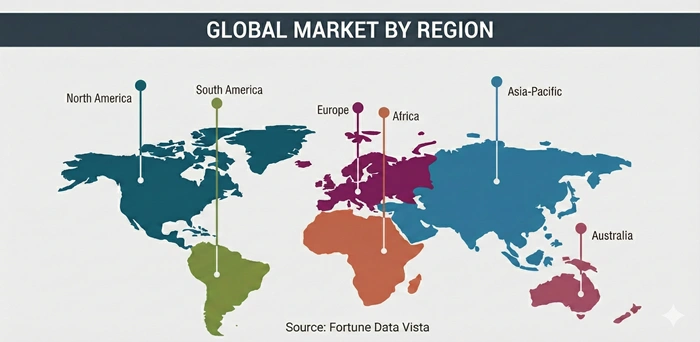
Regional Insights
North America
North America Commands Approximately 36–37% of Global Shingles Vaccine Revenue, Driven by Shingrix's Near-Complete Market Penetration, Strong Insurance Reimbursement, and Expanding Immunocompromised Adult Vaccination
North America holds approximately 36–37% of global shingles vaccine market revenue in 2025, growing at a regional CAGR of approximately 9.47% through the forecast period. The United States is the dominant contributor, driven by the world's highest adult vaccination infrastructure density, comprehensive insurance coverage across commercial and government payers, and ACIP's preferential recommendation of Shingrix. GSK Vaccines, Merck, and Sanofi maintain the largest North American commercial positions through established group purchasing organization contracts and dedicated pharmacy and primary care channel sales programs.
Medicare Part D coverage improvements following the Inflation Reduction Act's vaccine cost-sharing provisions have meaningfully reduced patient out-of-pocket barriers in the U.S. market. The FDA's immunocompromised adult indication has also created a new specialist channel — driving incremental Shingrix prescribing at oncology centers, transplant programs, and rheumatology practices nationwide. Canada's provincial drug plans have progressively expanded Shingrix reimbursement, further building consistent herpes zoster vaccine consumption across the North American region.
Asia Pacific
Asia Pacific Is the Fastest-Growing Region in the Shingles Vaccine Market at 11.84% CAGR, Driven by China and Japan's Massive Aging Populations, South Korea's National Program, and Expanding Middle-Class Preventive Health Spending
Asia Pacific is projected to grow at the highest regional CAGR of approximately 11.84% through 2033 within the shingles vaccine market. China is the largest individual country opportunity, hosting over 280 million people aged 60 and over, with Shingrix having received NMPA approval in 2020 and progressively expanding across urban hospital vaccination centers and private health clinic networks. Domestic developers including CNBG and Walvax Biotechnology are advancing recombinant zoster vaccine candidates through late-stage trials — which if approved could transform China's competitive landscape with lower-cost locally manufactured alternatives.
Japan and South Korea are the region's most mature markets, with South Korea's national immunization program supporting SKYZoster reimbursement and Japan's established private vaccine market driving consistent Shingrix adoption. GC Pharma and GSK Japan both maintain strong regional positions through well-developed commercial and distribution infrastructure. India represents a longer-term high-volume opportunity as awareness grows and economic development makes preventive vaccine investment accessible to a broader proportion of the rapidly aging urban Indian population.
Customization Available for This Report
This report offers comprehensive region-wise and country-wise customization, delivering tailored market intelligence on shingles vaccine demand dynamics, national immunization program status, regulatory frameworks, pricing and reimbursement policies, and competitive landscape analysis specific to your selected geography.
Customized versions of this report are available for each region and country listed below, offering detailed insights for vaccine manufacturers, pharmacy chains, health insurance organizations, and institutional investors:
North America
-
U.S. — FDA regulatory framework, ACIP recommendation analysis, Medicare/Medicaid reimbursement dynamics, pharmacy channel growth, immunocompromised adult market opportunity, and competitive landscape
-
Canada — Health Canada regulatory standards, provincial immunization program coverage, pharmacy vaccination regulation landscape, and competitive market dynamics
-
Mexico — COFEPRIS regulatory requirements, IMSS vaccination program analysis, private market adoption trends, and market entry assessment
Europe
-
U.K. — MHRA standards, NHS shingles program analysis, JCVI recommendation framework, vaccination coverage data, and competitive commercial landscape
-
Germany — BfArM regulatory framework, STIKO recommendation analysis, GKV reimbursement dynamics, and competitive market analysis
-
France — ANSM regulatory standards, HAS recommendation framework, social security reimbursement structure, and competitive supplier landscape
-
Italy — AIFA regulatory framework, national immunization program inclusion analysis, and competitive market dynamics
-
Rest of Europe — EU MDR regulatory impact, Eastern European program development, and emerging shingles vaccine market opportunities
Asia Pacific
-
China — NMPA regulatory framework, domestic vs. international brand dynamics, Shingrix penetration analysis, and market growth assessment
-
India — CDSCO regulatory standards, private vaccination market dynamics, awareness and adoption trends, and market entry opportunity assessment
-
Japan — PMDA regulatory standards, private adult vaccine market analysis, elderly vaccination behavior, and competitive landscape
-
South Korea — MFDS regulatory environment, national immunization program analysis, SKYZoster competitive position, and market dynamics
-
Australia — TGA regulatory standards, NIP Shingrix inclusion impact, vaccination coverage data, and competitive market landscape
-
Rest of Asia Pacific — Country-level analysis for Thailand, Indonesia, Vietnam, Malaysia, and Singapore
Latin America
-
Brazil — ANVISA regulatory framework, SUS vaccination program analysis, private market dynamics, and commercial opportunity assessment
-
Argentina — ANMAT regulatory standards, national immunization calendar analysis, and market development stage assessment
-
Rest of Latin America — Colombia, Chile, Peru immunization program development and emerging market opportunity analysis
Middle East & Africa
-
UAE — MOH regulatory standards, premium private healthcare vaccination demand, medical tourism context, and competitive landscape
-
Saudi Arabia — SFDA regulatory requirements, Vision 2030 healthcare investment impact, and competitive market analysis
-
Rest of MEA — Gulf Cooperation Council vaccination program development and emerging herpes zoster vaccine market opportunity assessment
Top Key Players
-
GSK plc — GlaxoSmithKline (United Kingdom)
-
Merck & Co. Inc. / MSD (United States)
-
GC Pharma — formerly Green Cross Corporation (South Korea)
-
Sanofi SA (France)
-
Pfizer Inc. (United States)
-
AstraZeneca plc (United Kingdom / Sweden)
-
Serum Institute of India Pvt. Ltd. (India)
-
Bharat Biotech International Ltd. (India)
-
Walvax Biotechnology Co. Ltd. (China)
-
CNBG — China National Biotec Group Co. Ltd. (China)
-
Livzon Pharmaceutical Group Inc. (China)
-
Bavarian Nordic A/S (Denmark)
-
Johnson & Johnson / Janssen Vaccines (United States / Netherlands)
-
Valneva SE (France / Austria)
Recent Developments
-
In February 2026, GSK plc announced that Shingrix had achieved cumulative worldwide administration of over 100 million doses since its 2017 launch — a landmark milestone reflecting sustained global demand growth and manufacturing scale success across North America, Europe, and Asia Pacific markets
-
In October 2025, GSK plc published long-term follow-up data demonstrating that Shingrix efficacy against herpes zoster remained above 82% at ten years post-vaccination in adults 70 and over — a durability finding that materially strengthens cost-effectiveness arguments driving national immunization program adoption decisions globally
-
In August 2025, Walvax Biotechnology Co. Ltd. announced positive Phase III clinical trial results for its candidate recombinant zoster vaccine — demonstrating non-inferiority to Shingrix in Chinese adults aged 50 and over — and submitted its New Drug Application to China's NMPA, a filing that if approved would introduce the first domestically manufactured recombinant shingles vaccine in China
-
In June 2025, GC Pharma announced a strategic distribution partnership to expand SKYZoster commercial availability across Thailand, Indonesia, Malaysia, and Vietnam — targeting the growing urban middle-class adult vaccination market in these rapidly developing countries with a cost-competitive single-dose offering
-
In March 2025, the UK Joint Committee on Vaccination and Immunisation published a revised recommendation expanding NHS shingles vaccination program eligibility to include all immunocompromised adults aged 18 and over — creating a substantial new funded demand pool within the NHS system affecting approximately 500,000 additional eligible individuals annually
Market Trends
Two Defining Trends Are Reshaping the Shingles Vaccine Market: The Global Transition from Live Attenuated to Recombinant Vaccine Technology and the Expanding Evidence for Broader Systemic Health Benefits Beyond Herpes Zoster Prevention
The technology transition from live attenuated to recombinant adjuvanted shingles vaccine formats is the most commercially consequential trend shaping the shingles vaccine market. Countries that previously operated Zostavax-based programs — including parts of Canada and several European markets — are progressively transitioning to Shingrix protocols, driven by advisory committee recommendations reflecting its superior efficacy evidence. This creates simultaneous demand from both new program countries adopting Shingrix and transition-year demand from countries switching existing eligible cohorts — both contributing to sustained above-trend demand growth.
Emerging evidence linking herpes zoster vaccination to potential cardiovascular and cognitive benefits is reshaping the commercial narrative well beyond traditional pain prevention messaging. Observational studies reporting associations with reduced stroke risk and dementia incidence are attracting serious research investment and media attention that elevates vaccination discussion rates in clinical consultations. Several major prospective research programs are currently underway, and findings expected through the latter years of the forecast period may support expanded vaccination recommendations that could dramatically enlarge the total addressable shingles vaccine market beyond current age-based targeting.
Segments Covered in the Report
By Product
-
Shingrix (Recombinant Zoster Vaccine)
-
Two-Dose Adjuvanted Recombinant Formulation
-
Immunocompromised Adult Formulation
-
-
Zostavax (Live Attenuated Zoster Vaccine)
-
Legacy Single-Dose Formulation (Residual Market)
-
-
SKYZoster
-
GC Pharma Live Attenuated Formulation
-
-
Others
-
Pipeline Recombinant and Subunit Vaccine Candidates
-
By Vaccine Type
-
Recombinant Vaccines
-
AS01B Adjuvanted Recombinant Formulations
-
Next-Generation Recombinant Subunit Candidates
-
-
Live Attenuated Vaccines
-
Legacy and Regional Live Attenuated Products
-
By Application
-
Herpes Zoster Prevention
-
Immunocompetent Adults Aged 50 and Over
-
Immunocompromised Adults Aged 18 and Over
-
-
Post-Herpetic Neuralgia Prevention
-
High-Risk Elderly Population Programs
-
-
Others
-
Cardiovascular and Cognitive Benefit Research Applications
-
By Distribution Channel
-
Hospital and Retail Pharmacies
-
Hospital Outpatient Vaccination Services
-
Retail Pharmacy Chain Vaccination Programs
-
-
Government Suppliers
-
National Immunization Program Bulk Procurement
-
Public Health Authority Supply Agreements
-
-
Online Pharmacies
-
Licensed Digital Pharmacy Prescription and Delivery
-
-
Others
-
Employer Wellness and Corporate Vaccination Programs
-
By Region
-
North America (U.S., Canada, Mexico)
-
Europe (U.K., Germany, France, Italy, Rest of Europe)
-
Asia Pacific (China, India, Japan, South Korea, Australia, Rest of Asia Pacific)
-
Latin America (Brazil, Argentina, Rest of Latin America)
-
Middle East and Africa (UAE, Saudi Arabia, Rest of MEA)
❝ Built for Every Level — From Startups to Industry Giants ❞
Here Is Exactly How This Report Works for You
-
For tier 1 global pharmaceutical corporations, national health agencies, and institutional healthcare investors, this report delivers granular competitor revenue analysis for GSK, GC Pharma, Merck, and emerging Asian vaccine developers — alongside comprehensive regulatory intelligence covering ACIP, EMA, and national advisory committee recommendation changes, national immunization program inclusion timelines, reimbursement policy evolution, and immunocompromised patient indication expansion that are collectively reshaping competitive dynamics and market share distribution within the shingles vaccine market through 2033
-
For tier 2 and tier 3 vaccine distributors, pharmacy chain healthcare executives, managed care organizations, and mid-size pharmaceutical companies evaluating herpes zoster vaccine opportunities, this report maps the highest-growth segments including immunocompromised adult vaccination, government supplier channel expansion, and emerging market access programs — providing the intelligence needed to identify white-space commercial opportunities and competitive positioning strategies aligned to the fastest-growing segments of the forecast period
-
For all decision-makers across the shingles vaccine value chain — from commercial strategy directors to market access executives and venture capital portfolio managers — this report translates complex signals including aging population trajectories, national program expansion timelines, cardiovascular and dementia benefit research outcomes, and supply chain capacity evolution into actionable strategic intelligence that supports superior product development investment, geographic expansion, partnership, and pricing strategy decisions through 2033
Frequently Asked Questions:
Answer: The global shingles vaccine market was valued at USD 5.34 billion in 2025 and is projected to reach approximately USD 11.31 billion by 2033, growing at a CAGR of 10.27% from 2026 to 2033. This growth is driven by the rapidly aging global population, broadening national immunization program inclusion, the superior efficacy of recombinant Shingrix, and expanded recommendations for immunocompromised adults.
Answer: The shingles vaccine Shingrix demonstrates approximately 97% efficacy in adults aged 50 and over — a paradigm-shifting improvement over the approximately 51% efficacy of the older live attenuated Zostavax. Long-term follow-up data shows Shingrix protection remains above 82% at ten years post-vaccination, providing sustained individual protection that supports public health cost-effectiveness analyses underpinning national immunization program inclusion globally.
Answer: Current ACIP and international guidelines recommend the shingles vaccine (Shingrix) for all immunocompetent adults aged 50 and over regardless of prior shingles history, and for immunocompromised adults aged 18 and over — including organ transplant recipients, people living with HIV, and individuals on immunosuppressive therapies. Adults who previously received Zostavax are also recommended to receive Shingrix for significantly superior and more durable protection.
Answer: North America leads the global shingles vaccine market with approximately 36–37% revenue share in 2025, driven by early Shingrix adoption, strong insurance reimbursement, and active pharmacy-based vaccination infrastructure. Asia Pacific is the fastest-growing regional market at approximately 11.84% CAGR through 2033, powered by China and Japan's massive aging populations, South Korea's national vaccination program, and Australia's NIP Shingrix inclusion.
Answer: The primary growth drivers of the shingles vaccine market include the globally aging population expanding the high-risk demographic, national immunization programs incorporating Shingrix into publicly funded schedules, the 97% clinical efficacy of recombinant adjuvanted vaccine technology, and FDA-approved expansion to immunocompromised adults opening a large previously unserved patient population. Emerging research suggesting potential cardiovascular and cognitive protection benefits is an additional horizon driver that may expand the recommended vaccination population and total commercial market through the forecast period.