
Smart Insulin Pens Market Overview
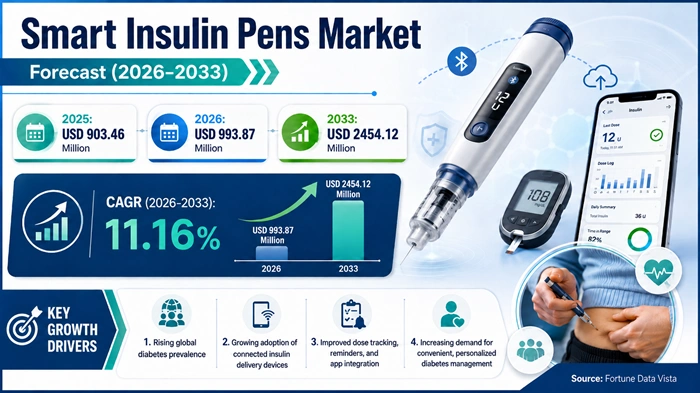
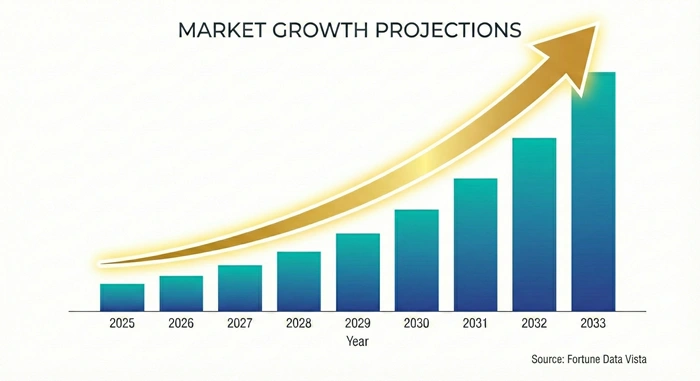
The global smart insulin pens market size is valued at USD 903.46 million in 2025 and is predicted to increase from USD 993.87 million in 2026 to approximately USD 2454.12 million by 2033, growing at a CAGR of 11.16% from 2026 to 2033. This strong growth is driven by the rising global burden of diabetes, increasing patient preference for digitally connected insulin delivery devices, and the rapid integration of mobile health platforms with insulin management tools. As healthcare systems worldwide shift toward remote monitoring and personalized therapy, connected insulin delivery devices are becoming the new standard in diabetes care.
AI Impact on the Smart Insulin Pens Industry
Artificial Intelligence Is Transforming Diabetes Management by Making Insulin Dosing Smarter, More Accurate, and Deeply Personalized for Every Patient*
Artificial intelligence is redefining how the smart insulin pens industry approaches diabetes management. AI algorithms embedded within pen-connected applications can now analyze patterns in insulin dosing history, blood glucose levels, physical activity, and dietary intake to generate real-time, personalized dosing recommendations. This removes guesswork from insulin therapy, which has historically been one of the most challenging aspects of self-management for diabetic patients. Companies like Novo Nordisk and Medtronic are actively investing in AI-powered decision-support platforms that integrate seamlessly with their connected pen hardware, creating a complete closed-loop data experience for patients and clinicians alike.
Beyond individual dosing support, AI is enabling population-level insights that are helping healthcare providers identify patterns in therapy non-compliance, hospitalization risk, and treatment gaps. Machine learning models trained on large anonymized patient datasets can flag patients who are at risk of hypoglycemic events before they occur, allowing clinicians to intervene proactively. Researchers at institutions like the National Institute of Technology Rourkela have developed AI-driven glucose tracking models that can automatically identify patterns in blood sugar data and generate precise predictions — outperforming traditional forecasting approaches. As the smart insulin pens ecosystem continues to expand, AI will play an increasingly central role in elevating clinical outcomes at scale.
Growth Factors
Surging Diabetes Prevalence and Growing Patient Demand for Accurate, Technology-Driven Insulin Delivery Are the Core Catalysts Powering Smart Insulin Pen Adoption Globally*
The single most powerful driver of the smart insulin pens market is the rapid and sustained global rise in diabetes cases. According to the International Diabetes Federation, approximately 537 million adults between the ages of 20 and 79 were living with diabetes in 2021, and this figure is expected to reach 643 million by 2030. The majority of these patients — particularly those with type 1 diabetes — require daily insulin administration, making precision delivery tools absolutely essential. Smart insulin pens address this need directly by providing automated dose logging, dose reminder alerts, and compatibility with continuous glucose monitoring systems, all of which improve both patient safety and therapy adherence.
Another powerful growth factor is the documented and growing clinical preference for connected insulin pens over conventional ones. Studies indicate that 75% of diabetic adults in the U.S. and U.K. would prefer to inject insulin using a pen linked to a mobile application rather than a standard non-connected pen. Features such as automatic dose logging, glucose level recording, and integration with platforms like Glooko, MySugr, and FreeStyle LibreLink are increasing patient satisfaction and reducing medication errors. Additionally, expanding insurance coverage for digital health devices in North America and Europe is lowering out-of-pocket costs for patients, removing one of the key adoption barriers and accelerating uptake across all age groups.
Market Outlook
The Smart Insulin Pens Market Is Well-Positioned for Sustained High Growth Through 2033, Backed by Expanding Digital Diabetes Ecosystems and Government Health Initiatives*
The outlook for the smart insulin pens market through 2033 is decidedly optimistic. The convergence of digital health technology, expanded healthcare infrastructure, and government-led diabetes prevention programs is creating a highly favorable environment for adoption. Initiatives such as the WHO's 2030 diabetes coverage targets, the U.S. Department of Health's Healthy People 2030 program, and India's national screening initiative are all directing resources and policy attention toward better diabetes management — indirectly fueling demand for advanced insulin delivery solutions.
The market's trajectory will also be shaped by strategic collaborations between pharmaceutical companies and medical device manufacturers. Partnerships such as the Medtronic-Abbott collaboration — which integrates Abbott's FreeStyle Libre CGM with Medtronic's insulin delivery technology — and the BIOCORP-Novo Nordisk partnership for smart sensor development represent a broader industry trend toward building fully connected, interoperable diabetes management platforms. These alliances strengthen product pipelines, reduce development timelines, and expand market reach, positioning the leading players to capture a disproportionate share of growth as the smart insulin pens market continues to mature.
Expert Speaks
-
"The complexity of insulin dosing remains a significant challenge for patients even with today's technology, and we remain committed to using early adopter insights to continuously refine our connected insulin platform for everyone managing diabetes with Lilly insulins." — Kevin Cammack, Head of Connected Care, Eli Lilly and Company
-
"NovoPen 6 and NovoPen Echo Plus represent our commitment to making insulin dosing safer and more reliable — this year's NHS rollout in the UK is a major milestone in putting smart pen technology directly in the hands of people who need it most." — CEO, Novo Nordisk A/S
-
"Our InPen acquisition was about more than expanding our portfolio — it was about recognizing that the future of insulin therapy is connected, data-driven, and centered on helping patients make better decisions every single day." — CEO, Medtronic plc
Key Report Takeaways
-
North America leads the smart insulin pens market with a dominant 41.84% regional market share, supported by a high rate of diabetes prevalence, significant insured patient population, advanced healthcare access, and strong commercial insurance programs from key players like Medtronic offering InPen at accessible out-of-pocket costs
-
Asia Pacific is the fastest-growing regional market, driven by rapidly rising diabetes prevalence in China and India, government healthcare investments, increasing product affordability, and growing awareness of digital diabetes management tools among clinicians and patients
-
Hospitals represent the dominant end-user segment in the smart insulin pens market, holding the largest revenue share due to streamlined procurement channels, physician-driven prescribing patterns, and the high volume of insulin-dependent patients receiving inpatient and outpatient care
-
The Bluetooth connectivity segment holds the largest share at approximately 70.10%, reflecting its wide compatibility with smartphones and wearable devices, longer connection range of up to 100 meters, and broader support from both European and North American device manufacturers
-
Type 1 diabetes is the dominant indication segment with approximately 57.58% market share in 2026, driven by the need for frequent and precise daily insulin dosing, growing patient awareness around self-management, and increasing adoption of smart dosing tools among insulin-dependent patients globally
-
Retail and online pharmacies represent the fastest-growing distribution channel, benefiting from growing consumer preference for doorstep delivery, competitive pricing, and the fact that approximately 88.9% of the U.S. population lives within five miles of a community pharmacy
-
Type 2 diabetes is the fastest-growing indication segment, with the segment projected to expand rapidly through 2033 as the 90–95% of all diabetic patients diagnosed with type 2 diabetes increasingly turn to smart insulin delivery devices for better long-term glycemic control and therapy compliance
Market Scope
| Parameter | Details |
|---|---|
| Market Size by 2033 | USD 2454.12 Million | Market Size by 2026 | USD 993.87 Million | Market Size by 2025 | USD 903.46 Million | Market Growth Rate from 2026 to 2033 | CAGR of USD 2454.1 | Dominating Region | North America | Fastest Growing Region | Asia Pacific | Segments Covered | Connectivity, Indication, Distribution Channel, End User, Region | Regions Covered | North America, Europe, Asia Pacific, Latin America, Middle East & Africa |
Market Dynamics
Drivers Impact Analysis
Rising Global Diabetes Burden, Expanding Digital Health Adoption, and Growing Clinical Evidence Supporting Connected Insulin Pens Are Collectively Powering This Market Forward*
| Driver | ≈ % Impact on CAGR Forecast | Geographic Relevance | Impact Timeline |
|---|---|---|---|
| Rapidly rising global diabetes prevalence | ~38% | Global, especially North America & Asia Pacific | Near to long-term |
| Growing patient preference for connected delivery devices | ~28% | North America, Europe | Near to mid-term |
| Integration with CGMs and digital health platforms | ~20% | North America, Europe, Asia Pacific | Mid to long-term |
| Government diabetes management initiatives | ~14% | Emerging markets, Europe | Mid to long-term |
The most impactful driver in the smart insulin pens market is the accelerating global prevalence of diabetes, which shows no signs of slowing. With over 537 million adults currently diagnosed and projections indicating 783 million by 2045, the addressable patient population for insulin-dependent devices is expanding at a steady pace. Type 1 diabetes patients in particular require multiple daily insulin injections, making the precision dosing, dose memory, and glucose monitoring integration offered by smart pens highly valuable. This large and growing patient base forms the foundational demand driver that underpins all forecasts for the market.
Alongside rising case counts, the documented clinical outcomes associated with smart insulin pens are reinforcing physician recommendations and patient choices. Studies show that 50% of clinics using connected insulin pens have observed improvements in medication adherence and glycemic control, 64% reported improvements in dose accuracy, and 59% noted greater patient confidence in dosing. These outcomes are compelling insurance providers and healthcare systems in North America and Europe to expand coverage for connected diabetes devices, further reducing cost barriers and accelerating adoption within the smart insulin pens market.
Restraints Impact Analysis
High Device Cost and Limited Healthcare Access in Emerging Economies Remain the Most Significant Structural Barriers Slowing the Smart Insulin Pens Market's Full Potential*
| Restraint | ≈ % Impact on CAGR Forecast | Geographic Relevance | Impact Timeline |
|---|---|---|---|
| High product cost relative to conventional insulin pens | ~42% | Low and middle-income countries | Near to mid-term |
| Limited insurance coverage in emerging markets | ~33% | Latin America, MEA, South Asia | Mid-term |
| Availability of low-cost conventional alternatives | ~25% | Global, especially rural markets | Long-term |
Despite robust growth fundamentals, the smart insulin pens market faces a meaningful constraint in the form of product affordability. Smart insulin pens are significantly more expensive than traditional insulin pens, syringes, and vials due to the advanced sensor, connectivity, and software technologies embedded within them. For the approximately 30% of the global population still lacking access to essential health services, these devices remain entirely out of reach. Even in higher-income markets like the U.S., where 8.6% of the population was uninsured as of 2021, out-of-pocket costs can create a meaningful barrier to adoption.
In low- and middle-income countries, this cost barrier is compounded by limited healthcare infrastructure and poor awareness of connected insulin delivery technologies. Many healthcare providers in these regions continue to rely on conventional insulin delivery methods due to familiarity, established procurement channels, and cost-effectiveness. The smart insulin pens market must address these accessibility and affordability challenges — through tiered pricing, government subsidy programs, and expanded insurance coverage — if it is to fully realize its global growth potential over the 2026–2033 forecast period.
Opportunities Impact Analysis
Remote Patient Monitoring, Expanding Emerging Market Penetration, and Strategic Cross-Industry Partnerships Represent the Three Most Compelling Growth Opportunities in This Market*
| Opportunity | ≈ % Impact on CAGR Forecast | Geographic Relevance | Impact Timeline |
|---|---|---|---|
| Remote patient monitoring and telehealth expansion | ~40% | North America, Europe, Asia Pacific | Near to mid-term |
| Emerging market penetration via affordable products | ~35% | India, China, Southeast Asia, Latin America | Mid to long-term |
| Strategic pharmaceutical-medtech partnerships | ~25% | Global | Mid to long-term |
Remote patient monitoring is one of the most exciting near-term opportunities for the smart insulin pens market. The growing elderly diabetic population increasingly prefers solutions that reduce hospital visits, allow real-time self-monitoring, and enable personalized care plans without requiring frequent clinical consultations. Smart insulin pens, with their automated dose tracking and app-linked data storage, are ideally suited to this use case. Companies like Medtronic and Novo Nordisk are actively building remote monitoring capabilities into their platforms, and this segment is expected to attract significant investment from healthcare systems aiming to reduce hospitalization costs.
Strategic partnerships between pharmaceutical companies, digital health platforms, and medical device manufacturers represent another high-value opportunity. Collaborations such as the Novo Nordisk-Diabeloop integration — linking NovoPen 6 and NovoPen Echo Plus with the DBL-4pen automated insulin delivery system — and the Abbott-Medtronic CGM integration demonstrate how cross-industry alliances can dramatically expand the functional value of connected insulin delivery products. These partnerships accelerate product innovation, improve clinical outcomes, and help companies establish interoperable diabetes management ecosystems that are highly sticky for both patients and healthcare providers, creating long-term competitive advantages in the smart insulin pens market.
Segment Analysis
By Connectivity
Bluetooth Technology Continues to Define the Connectivity Landscape, While NFC Is Rapidly Emerging as the Preferred Standard for Next-Generation Smart Insulin Delivery Devices*
The Bluetooth segment dominates the connectivity landscape within the smart insulin pens market, accounting for approximately 70.10% market share in 2026. This leadership reflects Bluetooth's unmatched compatibility across smartphones, tablets, and wearable devices, as well as its ability to maintain stable connections across longer distances — up to approximately 100 meters. Major manufacturers including Pendiq, Emperra GmbH, and Cambridge Consultants Ltd. have built their flagship products around Bluetooth connectivity, and this has resulted in a well-established user base, particularly in Europe and North America. Companies in these regions have invested in Bluetooth-enabled pen ecosystems that integrate with leading diabetes management apps, creating comprehensive data-sharing platforms that support both clinical decision-making and patient self-management. The CAGR for the Bluetooth segment is projected to remain strong through 2033, reflecting continued product launches and expanding integration with third-party CGM platforms.
The NFC (Near Field Communication) segment, while currently smaller, is projected to grow at a significantly high CAGR over the forecast period within the smart insulin pens market. NFC technology offers ultra-low energy consumption, which is particularly valuable for wearable or compact devices intended for long-term daily use. Its tap-and-transfer data mechanism is simple and intuitive, reducing the friction that older or less tech-savvy diabetic patients often experience with app connectivity. Asia Pacific — particularly China and Japan — is emerging as a key adoption center for NFC-enabled smart pen technology, with government-backed digital health programs and domestic device manufacturers investing in affordable NFC-enabled insulin pen solutions. Companies such as Jiangsu Deflu Medical Device Co. are among the players developing next-generation NFC connectivity options for patients in cost-sensitive markets across the region.
By Indication
Type 1 Diabetes Drives the Largest Revenue Share, While the Type 2 Diabetes Segment Is Set to Deliver the Highest Growth as Insulin Therapy Adoption Expands Globally*
The type 1 diabetes segment holds the dominant position in the smart insulin pens market with approximately 57.58% market share in 2026. This segment's leadership is a direct consequence of the daily, multi-dose insulin regimen that type 1 diabetes patients must follow, making precision dosing tools not a luxury but a clinical necessity. The rising global incidence of type 1 diabetes — with prevalent cases expected to rise by 60–107% by 2040 — is expanding the addressable patient pool for smart insulin devices year over year. North America leads type 1 diabetes segment adoption, driven by high diagnosis rates, strong awareness of connected therapy options, and insurance programs that make InPen and similar devices accessible to commercially insured patients. Companies like Medtronic and Novo Nordisk are deeply focused on serving this patient segment with purpose-built connected pen platforms that integrate with major continuous glucose monitors.
The type 2 diabetes segment is anticipated to register the highest CAGR within the smart insulin pens market over the 2026–2033 forecast period. Although type 2 diabetes patients historically relied on oral medications, a growing proportion are now insulin-dependent due to disease progression, driving demand for user-friendly and accurate delivery solutions. With approximately 90–95% of all diabetic patients diagnosed with type 2 diabetes, this segment represents by far the largest patient population globally. Asia Pacific is the fastest-growing regional market for type 2 diabetes-related smart pen adoption, particularly in China and India where the patient base is enormous and rapidly expanding. Novo Nordisk's NovoPen series and Ypsomed AG's smart pen platforms are among the products gaining traction in this segment, supported by increasing physician familiarity with digital diabetes tools and the growing availability of connected pen products at mid-market price points.
Regional Insights
North America — The Dominant Force in the Global Smart Insulin Pens Market
North America's Advanced Healthcare System, High Diabetes Prevalence, and Strong Commercial Insurance Support Make It the World's Largest Smart Insulin Pens Market*
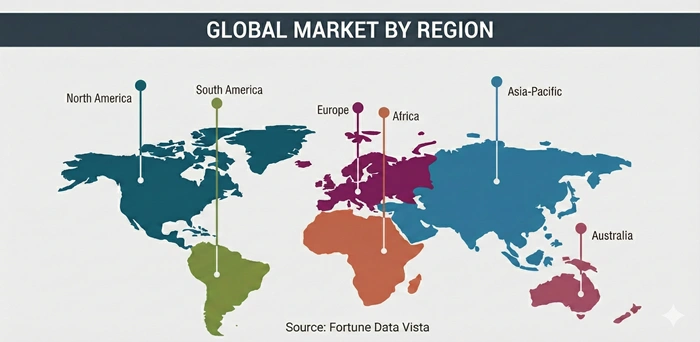
North America holds the leading position in the smart insulin pens market with approximately 41.84% regional market share and is expected to maintain this dominance through 2033. The region's leadership is grounded in several structural advantages: a well-developed healthcare infrastructure, one of the highest rates of type 1 and type 2 diabetes in the developed world, and a robust commercial insurance ecosystem that actively reimburses advanced diabetes management devices. The United States market, in particular, benefits from strong patient demand — with studies confirming that 75% of U.S. diabetic adults prefer connected insulin pens — and from company initiatives like Medtronic's InPen access program that offers the device to commercially insured patients for as little as USD 35. Key players driving North America's market leadership include Medtronic plc, Novo Nordisk A/S, Eli Lilly and Company, and Bigfoot Biomedical.
Canada contributes to North America's overall strength through its advanced manufacturing capabilities, skilled biotech workforce, and increasing cross-border collaborations that bring innovative connected pen solutions to market faster. The U.S. market is projected to reach over USD 407 million by 2026, maintaining its position as the single largest national market globally for smart insulin pens. The presence of major pharmaceutical and medtech headquarters in the U.S. also means that product launches, clinical trials, and regulatory approvals reach the North American market first, giving the region first-mover advantage in benefiting from new product generations.
Asia Pacific — The Fastest-Growing Region in the Smart Insulin Pens Market
Rapidly Rising Diabetes Cases, Growing Government Investment, and a Young, Tech-Savvy Population Are Driving Asia Pacific to Become the Smart Insulin Pens Market's Most Dynamic Region*
Asia Pacific is projected to record the highest CAGR of any region in the smart insulin pens market throughout the 2026–2033 forecast period. This exceptional growth pace reflects the region's enormous and rapidly expanding diabetic population, with China and India — the two most populous countries in the world — also carrying two of the world's heaviest diabetes burdens. Government initiatives across the region are actively promoting early diabetes diagnosis and treatment, and programs like India's Ministry of Health screening initiative are creating institutional demand channels that benefit smart insulin pen manufacturers. The affordability of newer-generation smart pens is improving as domestic manufacturers enter the market, making connected insulin delivery increasingly accessible to middle-income patients.
Japan, South Korea, and China are notable contributors to Asia Pacific's growth within the smart insulin pens market, each driven by distinct factors. Japan's dynamic startup ecosystem is generating new sensor and connectivity technologies for insulin delivery, while South Korea's highly digitized healthcare system is accelerating clinical adoption of connected pen platforms. China's regulatory environment has become increasingly supportive — the NMPA granted marketing approval for Novo Nordisk's NovoPen 6 in 2022, opening one of the world's largest national markets for this product category. Key players active in the Asia Pacific smart insulin pens market include Novo Nordisk, Jiangsu Deflu Medical Device Co., Ypsomed AG, and Medtronic, all of whom are investing in region-specific product configurations and distribution strategies to capture the region's fast-expanding patient base.
Top Key Players
-
Novo Nordisk A/S (Denmark)
-
Medtronic plc (Ireland)
-
Ypsomed AG (Switzerland)
-
Emperra GmbH E-Health Technologies (Germany)
-
Pendiq GmbH (Germany)
-
Jiangsu Deflu Medical Device Co., Ltd. (China)
-
Cambridge Consultants Ltd. (United Kingdom)
-
Diabnext (France)
-
Biocorp (France)
-
Eli Lilly and Company (United States)
-
Sanofi S.A. (France)
-
Bigfoot Biomedical (United States)
-
Digital Medics (Israel)
-
Diabeloop SA (France)
-
Abbott Laboratories (United States)
Recent Developments
-
In May 2025, Novo Nordisk announced the rollout of its smart insulin pens — including NovoPen 6 and NovoPen Echo Plus — to NHS patients in the UK, marking the first time NHS patients gained access to devices that automatically monitor and record dosing information, significantly expanding connected insulin therapy access in the country.
-
In April 2025, Medtronic submitted 510(k) applications to the U.S. FDA for clearance of an interoperable insulin pump designed to integrate with Abbott's advanced CGM platform, representing a major step toward building a fully closed-loop, interoperable diabetes management ecosystem.
-
In May 2025, Novo Nordisk completed its acquisition of Ziylo, a UK-based startup, in a deal valued at USD 800 million, with the aim of developing the world's first glucose-responsive "smart" insulin capable of modulating its effectiveness based on real-time blood glucose levels — a potential breakthrough for diabetes management.
-
In March 2024, a formal collaboration between Medtronic and Abbott was announced to integrate Abbott's FreeStyle Libre CGM system with Medtronic's automated insulin delivery technology and smart insulin pen systems, creating a powerful interoperable platform designed to improve dosing precision and patient outcomes.
-
In February 2025, Sanofi, Sudair Pharma Company, and NUPCO collaborated to launch Saudi Arabia's first local insulin manufacturing facility under the Vision 2030 initiative, a development that is expected to significantly improve insulin accessibility in the Middle East and support the regional adoption of advanced delivery devices.
Market Trends
The Smart Insulin Pens Market Is Being Reshaped by the Internet of Medical Things, AI-Driven Dosing Support, and the Development of a Truly Connected Diabetes Care Ecosystem*
The most significant trend reshaping the smart insulin pens market today is the rapid integration of connected pens into broader digital diabetes management ecosystems. The growing adoption of the Internet of Medical Things (IoMT) has enabled smart insulin pens to function as nodes within a larger network of devices — including CGMs, smartwatches, and mobile apps — that together create a continuous, real-time picture of a patient's metabolic state. Platforms like Glooko, MySugr, and FreeStyle LibreLink are increasingly being pre-integrated with smart pen hardware, allowing patients and clinicians to view dosing history, glucose trends, activity data, and meal logs in a single dashboard. This ecosystem approach is dramatically improving therapy adherence and clinical outcomes, with 50% of clinics reporting improvements in both adherence and glycemic control after implementing connected pens.
The second major trend is the shift toward dual-indication smart pen strategies — products designed to serve both type 1 and type 2 diabetes patients with customized dosing algorithms. As the type 2 diabetes patient population grows and increasingly transitions to insulin therapy, device manufacturers are investing in user-friendly, app-connected pens that require minimal technical sophistication to operate. This is driving a wave of new product development focused on intuitive interfaces, simplified pairing processes, and multilingual app support for global markets. Strategic alliances — such as Novo Nordisk's collaboration with Diabeloop SA to integrate NovoPen 6 with automated insulin delivery systems — demonstrate how manufacturers are combining pen hardware with advanced closed-loop therapy capabilities, setting the stage for the next generation of diabetes management in the smart insulin pens market.
Segments Covered in the Report
-
By Connectivity
-
Bluetooth
-
Near Field Communication (NFC)
-
-
By Indication
-
Type 1 Diabetes
-
Type 2 Diabetes
-
-
By Distribution Channel
-
Hospital Pharmacies
-
Retail & Online Pharmacies
-
-
By End User
-
Hospitals
-
Ambulatory Surgical Centers
-
Pharmaceutical Companies
-
-
By Region
-
North America
-
U.S.
-
Canada
-
-
Europe
-
Germany
-
U.K.
-
France
-
Italy
-
Spain
-
Scandinavia
-
Rest of Europe
-
-
Asia Pacific
-
China
-
India
-
Japan
-
Australia
-
Southeast Asia
-
Rest of Asia Pacific
-
-
Latin America
-
Brazil
-
Mexico
-
Argentina
-
-
Middle East & Africa
-
UAE
-
Saudi Arabia
-
South Africa
-
Rest of Middle East & Africa
-
-
"Built for Every Level — From Startups to Industry Giants"
Here Is Exactly How This Report Works for You
-
Whether you are a startup entering the connected diabetes device space or a Tier 1 pharmaceutical giant evaluating pipeline opportunities, this report provides granular market sizing by segment, region, and technology type — giving your strategic planning team the precise data foundation needed to allocate resources, prioritize geographies, and time product launches with confidence; the full version includes competitor revenue breakdowns, revenue source analysis, and company-level share data.
-
This report directly addresses supply and demand dynamics across the smart insulin pens value chain — from raw material and component sourcing through clinical trial-driven regulatory approvals to last-mile pharmacy distribution — giving procurement, supply chain, and commercial teams the insights needed to anticipate disruptions, manage inventory risk, and optimize go-to-market strategies in real time.
-
For investors, mid-level companies, and high-level executives navigating geopolitical uncertainty — including trade policy shifts, export controls on medical devices, and regional regulatory divergence between the U.S., EU, and China — this report delivers actionable intelligence on how these macro forces are reshaping competitive dynamics in the smart insulin pens market, helping you make high-stakes decisions with clarity and conviction.
Frequently Asked Questions:
Answer: The global smart insulin pens market is valued at USD 903.46 million in 2025 and is projected to grow at a CAGR of 11.16% from 2026 to 2033. By 2033, the market is expected to reach approximately USD 2454.12 million, driven by rising diabetes prevalence and growing demand for connected insulin delivery devices.
Answer: North America holds the leading position in the smart insulin pens market with approximately 41.84% market share, driven by high diabetes prevalence, strong insurance coverage, and easy access to advanced healthcare. Asia Pacific is the fastest-growing region, fueled by rapidly rising diabetes cases in China and India.
Answer: The primary growth drivers for the smart insulin pens market include the surging global burden of diabetes, increasing patient preference for connected insulin delivery devices, and expanding integration with continuous glucose monitoring systems. Growing government diabetes management programs and improved insurance coverage for digital health devices are further accelerating market adoption.
Answer: The Bluetooth connectivity segment leads the smart insulin pens market with approximately 70.10% share in 2026, reflecting its wide compatibility with smartphones and longer connection range. NFC is the fastest-growing connectivity segment and is expected to gain significant traction through 2033 due to its low energy consumption and ease of use.
Answer: Leading companies in the smart insulin pens market include Novo Nordisk A/S, Medtronic plc, Ypsomed AG, Emperra GmbH, and Eli Lilly and Company, among others. These players compete on the basis of product innovation, digital integration capabilities, clinical evidence, and strategic partnerships with CGM and digital health platform providers.