
Special Mission Aircraft Market Overview
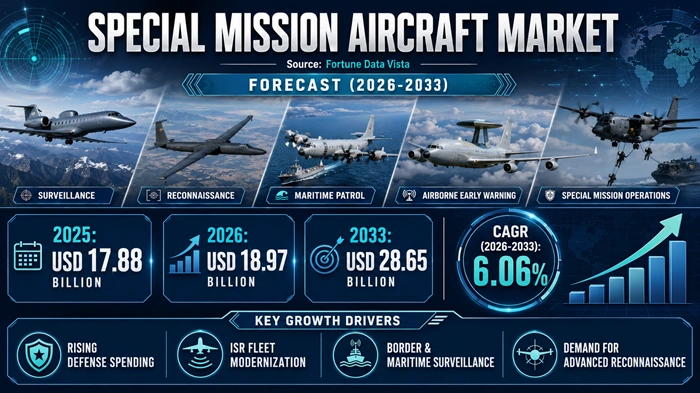
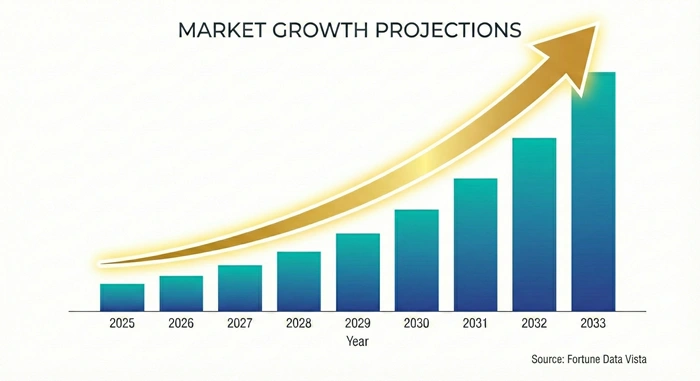
The global special mission aircraft market size is valued at USD 17.88 billion in 2025 and is predicted to increase from USD 18.97 billion in 2026 to approximately USD 28.65 billion by 2033, growing at a CAGR of 6.06% from 2026 to 2033.
Special mission aircraft are purpose-built or heavily modified platforms designed for tasks such as intelligence gathering, maritime patrol, airborne early warning, search and rescue, and border surveillance, rather than standard passenger or cargo transport. These aircraft, spanning fixed-wing, rotary-wing, and increasingly unmanned platforms, are typically fitted with specialized sensors, radar systems, and communication equipment tailored to specific defense or government missions. Rising geopolitical tensions, growing maritime security concerns, and increasing investment in border and homeland surveillance are together driving steady, sustained demand for these highly specialized aircraft across military and government customers worldwide.
AI Impact on the Special Mission Aircraft Industry
How Artificial Intelligence Is Enhancing Sensor Fusion and Autonomous Capabilities Across Special Mission Aircraft Platforms
Artificial intelligence is increasingly transforming how special mission aircraft process and interpret the enormous volume of sensor data collected during intelligence, surveillance, and reconnaissance operations. Modern AI-powered sensor fusion systems can now combine radar, electro-optical, and signals intelligence data streams in real time, automatically flagging objects or patterns of interest that would otherwise require extensive manual analysis by onboard or ground-based operators. This capability significantly reduces the time between data collection and actionable intelligence, which is critical for missions involving maritime patrol, border security, and search and rescue operations where rapid response can be life-saving.
Beyond sensor processing, AI is also enabling greater autonomous functionality in unmanned special mission platforms, allowing these aircraft to conduct extended surveillance missions with reduced reliance on continuous human piloting input. Machine learning algorithms are helping military and government operators optimize flight routing and mission planning based on historical intelligence patterns, improving overall operational efficiency. As defense agencies increasingly prioritize platforms capable of processing complex data autonomously, companies operating in the special mission aircraft market are investing heavily in AI-driven mission systems to differentiate their offerings and win long-term government contracts.
Growth Factors
Rising Geopolitical Tensions, Growing Maritime Security Concerns, and Expanding Border Surveillance Investment Are the Three Most Influential Growth Drivers
Escalating geopolitical tensions across multiple global regions remain one of the most powerful growth factors sustaining demand for special mission aircraft, as governments increasingly prioritize investment in intelligence, surveillance, and reconnaissance capabilities to monitor potential security threats. This heightened focus on situational awareness is driving military modernization programs across numerous countries, with special mission aircraft procurement representing a central component of these broader defense investment strategies.
Growing maritime security concerns, including piracy, illegal fishing, and territorial disputes in contested waters, represent a second significant driver, as coastal nations increasingly invest in maritime patrol aircraft to monitor their exclusive economic zones and protect critical shipping lanes. The broader expansion of border and homeland security surveillance programs, driven by concerns around illegal immigration and drug trafficking, is also gaining strong traction across multiple regions. Combined with rising government investment in airborne early warning and control systems to protect critical airspace, these factors continue reinforcing durable, multi-year demand growth across the global special mission aircraft market.
Market Outlook
The Special Mission Aircraft Market Is Positioned for Steady Growth Through 2033 as Defense Modernization Programs Accelerate
The long-term outlook for special mission aircraft remains positive, reflecting sustained global defense spending growth and the increasingly central role these platforms play in modern intelligence and security operations. As unmanned aerial vehicle technology continues maturing, more governments are expected to integrate these platforms alongside traditional manned aircraft for cost-effective, extended-duration surveillance missions, gradually reshaping fleet composition across major military powers. This transition is likely to create new opportunities for manufacturers capable of delivering both advanced manned platforms and increasingly sophisticated unmanned alternatives.
Looking further ahead, continued investment in next-generation sensor and communication technology is expected to help manufacturers deliver more capable, multi-mission platforms that can be reconfigured for different operational requirements. Growing defense budget allocations across emerging economies seeking to modernize their surveillance and reconnaissance capabilities are also expected to accelerate adoption in previously underserved regional markets. These dynamics point toward a special mission aircraft market that will maintain steady, resilient growth through 2033 as governments continue prioritizing advanced situational awareness capabilities.
Expert Speaks
-
"Our continued investment in advanced intelligence, surveillance, and reconnaissance platforms reflects the growing global demand for real-time situational awareness across increasingly complex security environments." — CEO, The Boeing Company.
-
"As defense budgets continue prioritizing multi-domain awareness, we see strong and sustained demand for our special mission aircraft platforms across both established and emerging defense customers." — CEO, Lockheed Martin Corporation.
-
"Unmanned and autonomous special mission platforms are rapidly becoming central to modern defense strategy, and we continue to expand our capabilities to meet this evolving customer need." — CEO, Northrop Grumman Corporation.
Key Report Takeaways
-
North America leads the special mission aircraft market with an estimated 37% revenue share in 2025, supported by substantial defense spending, advanced aerospace manufacturing capacity, and a strong homeland security surveillance program.
-
Asia Pacific is the fastest-growing region, projected to expand at a CAGR near 7.5% through 2033, driven by rising defense modernization budgets and growing maritime security investment across China, India, and Japan.
-
Military and defense customers represent the largest customer base, relying on special mission aircraft for intelligence gathering, maritime patrol, and border surveillance operations.
-
Intelligence surveillance and reconnaissance applications contribute the most to overall demand, given their critical role in national security and military operations.
-
Fixed-wing platforms remain the most widely used aircraft type, valued for their range, endurance, and payload capacity in long-duration surveillance missions.
-
The unmanned aerial vehicle segment is projected to grow fastest going forward, expected to hold a growing share of total demand by 2033 while expanding at a CAGR near 9.2% during the forecast period.
Market Scope
| Parameter | Details |
|---|---|
| Market Size by 2033 | USD 28.65 Billion | Market Size by 2026 | USD 18.97 Billion | Market Size by 2025 | USD 17.88 Billion | Market Growth Rate from 2026 to 2033 | CAGR of 6.06% | Dominating Region | North America | Fastest Growing Region | Asia Pacific | Segments Covered | By Platform, By Application, By End User, By Region | Regions Covered | North America, Europe, Asia Pacific, Latin America, Middle East & Africa |
Market Dynamics
Drivers Impact Analysis
Escalating Geopolitical Tensions and Growing Maritime Security Investment Are the Most Commercially Significant Drivers of Market Growth
| Driver | (≈) % Impact on CAGR Forecast | Geographic Relevance | Impact Timeline |
|---|---|---|---|
| Escalating geopolitical tensions driving defense modernization programs | ~36% | Global, led by North America and Asia Pacific | Short to long-term |
| Growing maritime security and territorial surveillance investment | ~28% | Asia Pacific, Middle East | Medium-term |
| Expanding border and homeland security surveillance programs | ~22% | North America, Europe | Short to medium-term |
| Rising investment in airborne early warning and control systems | ~14% | Global | Medium to long-term |
Escalating geopolitical tensions across multiple global regions remain the most powerful driver sustaining demand across the special mission aircraft market, as governments increasingly prioritize investment in intelligence, surveillance, and reconnaissance capabilities to monitor evolving security threats. This heightened focus on situational awareness continues driving substantial procurement activity across established and emerging defense markets alike.
Growing maritime security investment is a second significant driver, as coastal nations increasingly deploy maritime patrol aircraft to monitor territorial waters and protect critical shipping lanes from piracy and illegal activity. Combined with expanding border and homeland security surveillance programs and rising investment in airborne early warning systems, these drivers together sustain strong, multi-year demand growth across the global special mission aircraft landscape.
Restraints Impact Analysis
High Acquisition Costs and Lengthy Procurement Cycles Are the Two Primary Constraints Limiting Faster Market Growth
| Restraint | (≈) % Impact on CAGR Forecast | Geographic Relevance | Impact Timeline |
|---|---|---|---|
| High acquisition and lifecycle maintenance costs of special mission aircraft | ~34% | Global | Short to medium-term |
| Lengthy government procurement and certification cycles | ~31% | North America, Europe | Medium-term |
| Budget constraints in emerging and developing economies | ~21% | Latin America, MEA, parts of Asia Pacific | Short-term |
| Export control regulations limiting cross-border sales | ~14% | Global | Ongoing |
The high acquisition and lifecycle maintenance costs associated with special mission aircraft remain a meaningful barrier, particularly for smaller nations with limited defense budgets that struggle to justify the substantial capital investment required for advanced surveillance platforms. This cost sensitivity often pushes budget-constrained governments toward leasing arrangements or refurbished aircraft rather than new platform procurement.
Lengthy government procurement and certification cycles, which often span several years from initial requirement definition to aircraft delivery, also slow the pace at which new platforms reach operational status. Export control regulations governing sensitive surveillance and defense technology further complicate cross-border sales for manufacturers seeking to expand into new international markets. These restraints do not reverse the underlying growth trend but do introduce meaningful friction that moderates the pace of expansion within the special mission aircraft market, particularly across cost-sensitive regional segments.
Opportunities Impact Analysis
Unmanned Platform Expansion and Defense Modernization in Emerging Economies Represent the Most Significant Untapped Growth Opportunities
| Opportunity | (≈) % Impact on CAGR Forecast | Geographic Relevance | Impact Timeline |
|---|---|---|---|
| Expansion of unmanned and autonomous special mission platforms | ~37% | Global | Medium to long-term |
| Growing defense modernization budgets in emerging economies | ~33% | Asia Pacific, Middle East, Latin America | Short to medium-term |
| Advances in multi-mission reconfigurable aircraft platforms | ~30% | North America, Europe | Medium to long-term |
The expanding role of unmanned and autonomous special mission platforms presents a significant opportunity for manufacturers, as governments increasingly recognize the cost and operational advantages of unmanned systems for extended-duration surveillance missions that would otherwise require substantial crew resources. Companies investing early in advanced unmanned platform technology are well positioned to capture growing defense contracts as this segment continues expanding.
Growing defense modernization budgets across emerging economies in Asia Pacific and the Middle East represent a second major opportunity, as these nations increasingly invest in advanced surveillance and reconnaissance capabilities to address evolving regional security concerns. Continued advances in multi-mission reconfigurable aircraft platforms, capable of switching between different operational roles, also position established manufacturers to capture greater value per aircraft sold within the broader special mission aircraft market.
Segment Analysis
By Platform
Fixed-Wing Aircraft Dominate While Unmanned Aerial Vehicles Expand Rapidly Across Surveillance Applications
Fixed-wing aircraft hold the largest share of the special mission aircraft market, accounting for roughly 58% of total platform-based revenue in 2025, given their superior range, endurance, and payload capacity for long-duration intelligence and maritime patrol missions. This dominant position reflects the continued preference among military and government customers for platforms capable of sustained, wide-area surveillance coverage that smaller aircraft types cannot easily match. North America leads this segment given its substantial defense budget and advanced aerospace manufacturing base, and leading companies operating here include Boeing, Lockheed Martin, and Northrop Grumman, each maintaining strong government contract relationships across the region.
Unmanned aerial vehicles, meanwhile, are expected to grow at a CAGR near 9.2% through 2033, driven by rising demand for cost-effective, extended-endurance surveillance platforms that reduce risk to human crews during high-threat missions. Asia Pacific is showing particularly strong growth momentum in this segment, as countries including China and India continue expanding domestic unmanned aircraft manufacturing capacity to support both military and border security requirements. Companies such as General Atomics and Israel Aerospace Industries maintain strong positions serving this rapidly growing unmanned platform segment, reinforcing the broader special mission aircraft market's dual-track growth pattern across both manned and unmanned platform categories.
By Application
Intelligence Surveillance and Reconnaissance Applications Anchor the Largest Share Within Special Mission Aircraft Market Demand
Intelligence, surveillance, and reconnaissance applications account for the largest share of special mission aircraft market demand, holding close to 41% of total application revenue with a CAGR near 6.4% through 2033. Military and government customers rely heavily on ISR-configured aircraft to gather critical intelligence data across contested airspace and border regions, making this application segment fundamentally tied to broader defense modernization spending trends. North America leads this segment given its substantial ISR investment and advanced sensor technology base, with companies including Northrop Grumman and L3Harris Technologies maintaining strong positions supplying ISR-configured platforms to government customers across the region.
Maritime patrol applications represent a fast-growing application segment, expanding steadily as coastal nations increasingly invest in aircraft capable of monitoring territorial waters and protecting shipping lanes from piracy and illegal fishing activity. This segment is showing particularly strong growth momentum across Asia Pacific and the Middle East, where maritime territorial disputes and shipping security concerns continue driving procurement activity. Companies such as Saab and Leonardo have built strong positions supplying maritime patrol aircraft to regional government customers, reinforcing steady demand growth across both leading application categories within the global special mission aircraft market.
Regional Insights
North America
Substantial Defense Spending and Advanced Aerospace Manufacturing Keep North America at the Top of the Special Mission Aircraft Market
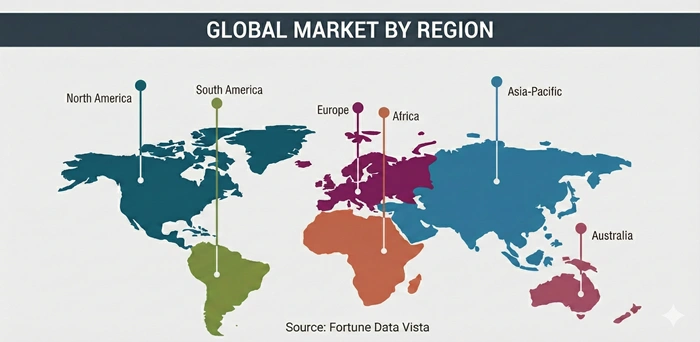
North America commands the largest share of the global special mission aircraft market, holding close to 37% of total revenue in 2025 with a regional CAGR near 5.5% through 2033. Substantial defense spending, advanced aerospace manufacturing capacity, and a strong homeland security surveillance program keep demand consistently strong throughout the region. Leading companies such as Boeing, Lockheed Martin, and Northrop Grumman, all headquartered in the United States, dominate special mission aircraft procurement contracts across military and government customers.
The region's mature defense procurement infrastructure, combined with continued investment in next-generation ISR and border surveillance capabilities, further reinforces this leadership position within the broader defense aviation landscape. Government agencies across the United States and Canada routinely integrate advanced special mission platforms into national security and homeland defense strategies. This combination of budget scale, manufacturing expertise, and sustained government demand ensures North America remains the anchor region for special mission aircraft market revenue generation over the coming years.
Asia Pacific
Rising Defense Modernization Budgets and Maritime Security Investment Make Asia Pacific the Fastest-Growing Region
Asia Pacific is the fastest-growing region in the special mission aircraft market, projected to expand at a CAGR near 7.5% through 2033 while currently holding a meaningful and growing share of global revenue. Rising defense modernization budgets, growing maritime territorial disputes, and expanding domestic aerospace manufacturing capacity across China, India, and Japan are together driving this accelerated regional growth. Companies such as Hindustan Aeronautics Limited in India and various regional defense manufacturers are scaling operations rapidly to meet surging demand for surveillance and maritime patrol platforms.
Growing government investment in indigenous unmanned aerial vehicle development, combined with rising territorial security concerns across contested maritime regions, continues to widen the region's addressable opportunity for special mission aircraft manufacturers. Japan, South Korea, and Australia are also contributing meaningfully through mature defense procurement programs and growing interest in advanced ISR capabilities. As regional aerospace manufacturing capacity expands further, Asia Pacific is expected to narrow its overall revenue gap with North America over the coming several years within the broader special mission aircraft market.
Customization Available for This Report
Region-wise and country-wise customized reports are available for organizations seeking deeper geographic insight into the special mission aircraft market. Our research team can tailor market analysis, competitive intelligence, trends, and growth opportunities specifically for any of the regions and countries listed below, offering detailed information aligned to your selected market and keyword combination.
North America
-
U.S., Canada, Mexico — detailed defense budget analysis, homeland security surveillance trends, and competitive positioning
Europe
-
U.K., Germany, France, Italy, Rest of Europe — maritime patrol procurement trends and key player analysis
Asia Pacific
-
China, India, Japan, South Korea, Australia, Rest of Asia Pacific — defense modernization budgets, maritime security investment, and local manufacturer analysis
Latin America
-
Brazil, Argentina, Rest of Latin America — emerging border security and market entry opportunities
Middle East & Africa
-
UAE, Saudi Arabia, Rest of MEA — defense spending trends and regional surveillance program growth
Top Key Players
-
The Boeing Company (United States)
-
Lockheed Martin Corporation (United States)
-
Northrop Grumman Corporation (United States)
-
Bombardier Inc. (Canada)
-
Dassault Aviation SA (France)
-
Leonardo S.p.A. (Italy)
-
Saab AB (Sweden)
-
L3Harris Technologies Inc. (United States)
-
Elbit Systems Ltd. (Israel)
-
General Atomics Aeronautical Systems Inc. (United States)
-
Israel Aerospace Industries Ltd. (Israel)
-
Hindustan Aeronautics Limited (India)
-
Textron Inc. (United States)
Recent Developments
-
In 2025, Boeing secured a major contract to supply upgraded maritime patrol aircraft to a NATO member nation, strengthening its position in the surveillance aircraft segment.
-
In 2025, Lockheed Martin expanded its ISR platform portfolio with enhanced sensor integration capabilities designed for multi-domain surveillance missions.
-
In 2025, Northrop Grumman advanced development of its next-generation unmanned surveillance platform aimed at extended-endurance maritime and border patrol missions.
-
In 2026, Leonardo strengthened its maritime patrol aircraft offerings through a strategic partnership focused on advanced radar and sensor technology integration.
-
In 2026, Saab expanded its airborne early warning and control system production capacity to meet growing international defense customer demand.
Market Trends
Unmanned Platform Integration and Multi-Domain Sensor Fusion Are Reshaping the Special Mission Aircraft Landscape
One of the clearest trends shaping the industry is the accelerating integration of unmanned aerial vehicles alongside traditional manned platforms within national defense surveillance fleets, reflecting growing recognition of the cost and operational advantages unmanned systems offer for extended-duration missions. This is encouraging manufacturers to invest heavily in autonomous flight technology and advanced sensor packages designed specifically for unmanned surveillance platforms.
A second notable trend is the growing emphasis on multi-domain sensor fusion, where special mission aircraft are increasingly designed to integrate radar, electro-optical, and signals intelligence capabilities into a single, unified operational picture. As defense agencies continue prioritizing comprehensive situational awareness over single-sensor platforms, this trend is reinforcing sustained demand growth for advanced, multi-mission capable aircraft across the global special mission aircraft market.
Segments Covered in the Report
By Platform
-
Fixed Wing
-
Rotary Wing
-
Unmanned Aerial Vehicles
By Application
-
Intelligence Surveillance and Reconnaissance
-
Maritime Patrol
-
Airborne Early Warning and Control
-
Search and Rescue
-
Others
By End User
-
Military and Defense
-
Government and Homeland Security
-
Commercial
By Region
-
North America (U.S., Canada, Mexico)
-
Europe (U.K., Germany, France, Italy, Rest of Europe)
-
Asia Pacific (China, India, Japan, South Korea, Australia, Rest of Asia Pacific)
-
Latin America (Brazil, Argentina, Rest of Latin America)
-
Middle East and Africa (UAE, Saudi Arabia, Rest of MEA)
❝ Built for Every Level — From Startups to Industry Giants ❞
Here Is Exactly How This Report Works for You
-
For tier 1 aerospace and defense companies and institutional investors, this report delivers granular competitor revenue analysis across Boeing, Lockheed Martin, and Northrop Grumman, alongside geopolitical risk assessment supporting confident investment and program bidding decisions.
-
For tier 2, tier 3 companies, defense technology startups, and mid-level manufacturers, this report identifies the highest-growth platform and application segments and most commercially accessible regional markets, offering an evidence-based roadmap for entering or expanding within the special mission aircraft market.
-
For all decision-makers across the defense aviation value chain, this report translates complex supply-demand shifts and evolving geopolitical dynamics into clear, actionable strategic intelligence supporting stronger procurement and program development decisions through 2033.
Frequently Asked Questions:
Answer: The special mission aircraft market was valued at USD 17.88 billion in 2025. It is projected to reach approximately USD 28.65 billion by 2033 at a CAGR of 6.06%.
Answer: North America leads the special mission aircraft market with roughly 37% revenue share. Substantial defense spending and advanced aerospace manufacturing support this position.
Answer: Asia Pacific is the fastest-growing region in the special mission aircraft market. Rising defense modernization budgets and maritime security investment are driving this growth.
Answer: Boeing, Lockheed Martin, and Northrop Grumman are top companies in the special mission aircraft market. They lead through strong government contract relationships and advanced platform technology.
Answer: Intelligence, surveillance, and reconnaissance applications generate the largest share of demand in the special mission aircraft market. Maritime patrol applications form a fast-growing segment.