
Superabsorbent Polymer Market Overview
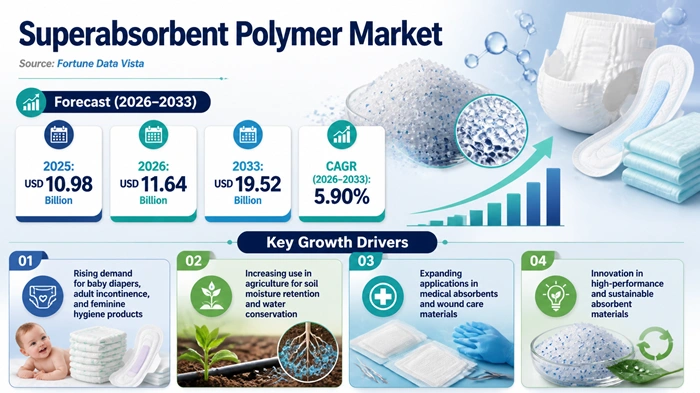
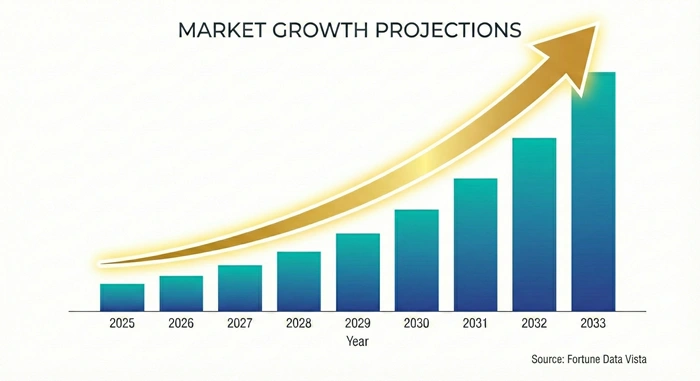
The global Superabsorbent Polymer market size is valued at USD 10.98 billion in 2025 and is predicted to increase from USD 11.64 billion in 2026 to approximately USD 19.52 billion by 2033, growing at a CAGR of 5.90% from 2026 to 2033.
Superabsorbent polymers (SAPs) are a class of highly engineered cross-linked polymeric materials capable of absorbing and retaining exceptionally large quantities of water and aqueous solutions — typically several hundred times their own weight — while maintaining structural integrity under pressure. These remarkable water-retention properties make SAPs indispensable across a wide and growing range of end-use applications, most prominently in baby diapers, adult incontinence products, and feminine hygiene articles where their fluid absorption and lock-away performance directly determines product effectiveness and consumer experience. Beyond personal hygiene, superabsorbent polymers are increasingly adopted in agricultural water conservation, medical wound care, civil construction, and food packaging applications — making this a dynamically diversifying materials market with strong long-term growth fundamentals.
AI Impact on the Superabsorbent Polymer Industry
Artificial Intelligence Is Accelerating SAP Molecular Design, Manufacturing Process Optimization, Agricultural Application Precision, and Supply Chain Efficiency in Ways That Are Meaningfully Advancing Product Performance and Market Competitiveness*
Artificial intelligence is beginning to make a meaningful and accelerating impact across the Superabsorbent Polymer market, most significantly in the areas of polymer molecular design and manufacturing process optimization. AI-powered computational chemistry platforms — including machine learning models trained on large polymer property datasets — are enabling researchers to model and predict the absorption capacity, gel strength, crosslink density, and ionic sensitivity of novel SAP formulations before physical synthesis, dramatically compressing the experimental iteration cycle for next-generation product development. These AI-assisted molecular design capabilities are helping leading SAP manufacturers such as Nippon Shokubai, BASF, and Evonik develop customized polymer grades with precisely engineered performance profiles — including improved absorption under load, enhanced biodegradability, and optimized performance in high-salinity environments — at a pace that would be impossible with traditional trial-and-error laboratory methods alone.
In manufacturing operations, AI is being applied to optimize the continuous polymerization and drying processes that are central to SAP production — using real-time sensor data, predictive modeling, and closed-loop process control to minimize production variability, reduce energy consumption, and improve product consistency across high-volume manufacturing lines. AI-driven predictive maintenance systems are also reducing unplanned downtime in SAP production facilities, improving overall equipment effectiveness and lowering the operational cost of large-scale SAP manufacturing. In agricultural applications, AI-powered precision agriculture platforms are optimizing the dosage and placement of SAP soil conditioners — analyzing soil type, crop water requirements, and weather forecasting data to guide targeted SAP application that maximizes water use efficiency and crop yield improvement per unit of polymer applied. These cumulative AI contributions are progressively strengthening both the product competitiveness and the operational efficiency of the superabsorbent polymer industry.
Growth Factors
Rising Global Hygiene Product Demand, Expanding Agricultural Water Conservation Applications, Growing Aging Population Driving Incontinence Product Adoption, and Sustainability-Driven Bio-Based SAP Innovation Are the Core Forces Driving Market Growth*
The most powerful and consistent growth driver of the Superabsorbent Polymer market is the steady and globally expanding demand for hygiene products — particularly baby diapers, adult incontinence articles, and feminine hygiene products — which collectively account for the vast majority of total SAP consumption worldwide. Global birth rates remain significant across large emerging market populations, particularly in Africa, South Asia, and Southeast Asia, where rising disposable incomes and improving retail access are progressively converting previously unaddressed hygiene product demand into active consumer purchasing — directly driving volume growth in SAP consumption. Simultaneously, the rapid aging of populations in North America, Europe, Japan, China, and South Korea is generating a large and fast-growing market for adult incontinence products, which on a per-unit basis consume significantly larger quantities of SAP than baby diapers — creating a high-value incremental demand driver that is expected to become increasingly significant through 2033.
The agricultural application of superabsorbent polymers as soil water retention conditioners and controlled-release fertilizer carriers represents a structurally important and fast-growing secondary demand driver for the market. With freshwater scarcity worsening globally — driven by climate change, over-extraction of groundwater resources, and growing agricultural water demand from expanding food production needs — SAP-based soil conditioners that dramatically reduce irrigation water requirements while improving crop yields in arid and semi-arid growing regions are attracting growing interest and adoption among farmers, agribusinesses, and government agricultural development programs. Countries in the Middle East, sub-Saharan Africa, India, China, and Australia — where water stress is most acute and agricultural productivity improvement is a pressing policy priority — represent the highest-growth regional markets for agricultural SAP application, creating an important and geographically diversified new demand channel for superabsorbent polymer manufacturers.
Market Outlook
With Hygiene Product Consumption Rising Across Emerging Markets, Agricultural SAP Adoption Expanding in Water-Stressed Regions, and Bio-Based Sustainable SAP Innovation Gaining Commercial Momentum, the Superabsorbent Polymer Market Outlook Is Robustly Positive Through 2033*
The long-term outlook for the Superabsorbent Polymer market is firmly positive and well-supported by multiple converging demand drivers across its diverse end-use application base. The forecast period from 2026 to 2033 will be shaped by continued strong hygiene product market expansion across Asia Pacific, Africa, and Latin America — where population growth, urbanization, and rising incomes are progressively building large and growing mass consumer hygiene product markets that generate significant SAP volume demand. The simultaneous growth of the premium adult incontinence product segment in aging high-income markets is expected to contribute meaningfully to per-unit SAP value uplift, as premium incontinence products increasingly incorporate higher-performance and higher-loading SAP grades that command superior pricing.
The development and progressive commercialization of bio-based and biodegradable superabsorbent polymers represents a strategically important long-term growth and differentiation opportunity for the SAP market during the forecast period. Growing regulatory pressure on single-use plastic and synthetic polymer products — particularly in Europe, where Extended Producer Responsibility frameworks and plastic waste reduction mandates are progressively tightening — combined with strong consumer and brand owner preference for more environmentally responsible hygiene product materials, is creating growing commercial demand for bio-based SAP alternatives. Leading manufacturers including BASF, Nippon Shokubai, and Evonik are actively investing in bio-based SAP research and development programs, positioning the market for a gradual but commercially significant shift toward renewable-sourced superabsorbent polymer grades that will open new premium market segments and strengthen the industry's long-term sustainability credentials.
Expert Speaks
-
Markus Kamieth, CEO, BASF SE — "Superabsorbent polymers are among the most performance-critical specialty materials in modern hygiene product manufacturing, and BASF is committed to continuous innovation in SAP chemistry — advancing both performance capabilities and sustainability credentials to meet the evolving needs of our hygiene product manufacturer customers and the consumers they serve. Our investment in bio-based SAP development reflects our broader commitment to making high-performance polymer solutions more sustainable."
-
Kai Beckmann, CEO, Evonik Industries — "The growing global demand for high-performance absorbent hygiene products — combined with the urgent need to address water scarcity challenges in agriculture through innovative polymer solutions — positions superabsorbent polymers at the intersection of some of the most important societal and industrial trends of our time. Evonik is investing in next-generation SAP technologies that deliver superior performance while meeting growing environmental sustainability requirements."
-
Peter Vanacker, CEO, LyondellBasell — "Specialty polymer materials — including superabsorbent polymers — are essential building blocks of the products that improve daily life for billions of people worldwide. The continued innovation in SAP performance and sustainability is critical to meeting both the growing consumer demand for better hygiene products and the environmental responsibility expectations of regulators, brand owners, and consumers globally."
Key Report Takeaways
-
Asia Pacific dominates the Superabsorbent Polymer market, holding approximately 42.30% of global market share in 2025, driven by the world's largest hygiene product manufacturing base concentrated in China and Japan, the highest global baby diaper production volumes, rapidly rising adult incontinence product adoption across Japan, South Korea, and China's rapidly aging population, and the presence of leading SAP manufacturers including Nippon Shokubai and Sanyo Chemical Industries headquartered in the region.
-
Asia Pacific is also the fastest-growing regional market for superabsorbent polymers, projected to expand at a CAGR of approximately 6.80% from 2026 to 2033, driven by the combination of strong domestic hygiene product market growth, expanding agricultural SAP adoption in water-stressed growing regions, and significant capacity expansion investment by regional and global SAP producers targeting the region's large and rapidly growing demand base.
-
Baby diapers and training pants represent the dominant application segment, contributing approximately 54.20% of total Superabsorbent Polymer market revenue in 2025, reflecting the extraordinary volume of SAP consumed in disposable baby diaper production globally — where SAP core performance directly determines diaper absorption capacity, dryness, and skin health protection for infants.
-
Agricultural and horticultural applications are the fastest-growing end-use segment, projected to expand at a CAGR of approximately 8.10% through 2033, driven by globally worsening freshwater scarcity, expanding adoption of SAP soil conditioners and water-retaining hydrogels in arid and semi-arid agricultural regions, growing government investment in water-efficient farming technologies, and rising demand for controlled-release fertilizer systems that use SAP carriers to improve nutrient use efficiency.
-
Sodium polyacrylate is the dominant polymer type, accounting for approximately 67.40% of global SAP market revenue in 2025, reflecting its superior absorption performance, well-established manufacturing scalability, cost-effectiveness, and universal adoption as the preferred SAP chemistry for hygiene product applications across all major consumer markets worldwide.
-
Bio-based and starch-grafted copolymers are the fastest-growing polymer type segment, expected to expand at a CAGR of approximately 9.20% through 2033, driven by rapidly growing sustainability requirements from hygiene product brand owners, tightening regulatory frameworks for synthetic polymer materials, and advancing process economics for bio-based SAP production that are progressively making these materials more commercially viable.
Market Scope
| Parameter | Details |
|---|---|
| Market Size by 2033 | USD 19.52 Billion | Market Size by 2026 | USD 11.64 Billion | Market Size by 2025 | USD 10.98 Billion | Market Growth Rate from 2026 to 2033 | CAGR of 5.90% | Dominating Region | Asia Pacific | Fastest Growing Region | Asia Pacific | Segments Covered | Type, Application, End User | Regions Covered | North America, Europe, Asia Pacific, Latin America, Middle East & Africa |
Market Dynamics
Drivers Impact Analysis
Expanding Global Hygiene Product Consumption, Aging Population Driving Incontinence Demand, Agricultural Water Conservation Urgency, and Bio-Based SAP Innovation Are the Four Pillars of Superabsorbent Polymer Market Growth*
| Driver | ≈ % Impact on CAGR Forecast | Geographic Relevance | Impact Timeline |
|---|---|---|---|
| Rising global hygiene product demand across emerging markets | ~35% | Asia Pacific, Latin America, MEA | Short to Long-term |
| Rapidly aging population driving adult incontinence SAP consumption | ~28% | North America, Europe, Asia Pacific | Short to Long-term |
| Agricultural SAP adoption in water-stressed regions | ~24% | MEA, Asia Pacific, Latin America | Medium to Long-term |
| Bio-based and sustainable SAP development gaining commercial traction | ~13% | Europe, North America | Medium to Long-term |
The foundational and most structurally embedded driver of the Superabsorbent Polymer market is the continuous and globally expanding demand for disposable hygiene products — most importantly baby diapers and adult incontinence articles — which together account for the overwhelming majority of global SAP consumption volume. In emerging markets across Asia, Africa, and Latin America, rising disposable incomes and improving modern retail infrastructure are progressively converting large latent hygiene product demand into active purchasing — generating substantial new SAP consumption volumes from markets that are still in the early stages of hygiene product penetration. In high-income aging markets across North America, Europe, and East Asia, the rapidly growing adult incontinence product segment — which requires significantly greater SAP loading per unit than baby diapers — is creating a high-value additional demand channel that is expected to grow in commercial significance throughout the forecast period.
The intensifying global freshwater scarcity crisis is simultaneously elevating the strategic importance of agricultural SAP applications as a tool for improving water use efficiency in crop production. SAP-based soil conditioners and hydrogels — capable of absorbing and releasing irrigation water to plant roots on demand, reducing overall irrigation frequency and water volume requirements by 30–50% in field trials — are attracting growing interest from both commercial agricultural operators and government agricultural development programs in water-stressed countries. China, India, Australia, the Middle East, and sub-Saharan Africa are among the most active regions for agricultural SAP adoption, where the combination of severe water stress, large agricultural sectors, and government investment in water-efficient farming technologies is creating an expanding and diversifying demand base for superabsorbent polymer agricultural products that complements the core hygiene product demand driver.
Restraints Impact Analysis
High Raw Material Cost Volatility, Environmental Concerns Over Non-Biodegradable SAP Disposal, Regulatory Pressure on Synthetic Polymers, and Emerging Reusable Hygiene Product Competition Restrain Faster Market Growth*
| Restraint | ≈ % Impact on CAGR Forecast | Geographic Relevance | Impact Timeline |
|---|---|---|---|
| High and volatile acrylic acid raw material costs impacting SAP margins | ~34% | Global | Short to Long-term |
| Environmental concerns over non-biodegradable SAP in disposable hygiene waste | ~30% | Europe, North America | Medium to Long-term |
| Regulatory pressure on synthetic polymer materials in single-use products | ~24% | Europe | Medium to Long-term |
| Growing reusable diaper and menstrual product adoption among eco-conscious consumers | ~12% | Europe, North America | Medium-term |
The primary and most persistent operational restraint on the Superabsorbent Polymer market is the high and cyclically volatile cost of acrylic acid — the principal petroleum-derived raw material used in the production of sodium polyacrylate, the dominant commercial SAP chemistry. Acrylic acid prices are closely correlated with crude oil and propylene market dynamics, and significant price spikes — driven by energy market disruptions, feedstock supply constraints, or production facility outages — can severely compress the operating margins of SAP manufacturers and create cost inflation pressures that are difficult to pass through to large volume hygiene product manufacturer customers operating under long-term supply contracts. This raw material cost exposure is a structural commercial vulnerability for the SAP industry that has historically contributed to earnings volatility for leading producers including Nippon Shokubai and BASF.
The environmental sustainability challenge posed by non-biodegradable SAP in disposable hygiene product waste streams is an increasingly significant and commercially material restraint on the conventional SAP market in Europe and North America. Millions of tons of SAP-containing disposable diapers and incontinence products are landfilled annually — generating growing regulatory, consumer brand owner, and civil society pressure for more environmentally responsible alternatives. European regulatory frameworks targeting the environmental impact of single-use hygiene products — combined with growing consumer preference for eco-certified and bio-based disposable hygiene articles — are creating genuine commercial pressure on conventional petroleum-based SAP demand and accelerating the pace of bio-based SAP development investment by manufacturers seeking to maintain market relevance in sustainability-sensitive European and North American markets.
Opportunities Impact Analysis
Bio-Based Biodegradable SAP Commercialization, Agricultural Water Retention Applications in Water-Stressed Regions, Medical SAP Innovation, and Emerging Market Hygiene Product Penetration Create Compelling Growth Opportunities*
| Opportunity | ≈ % Impact on CAGR Forecast | Geographic Relevance | Impact Timeline |
|---|---|---|---|
| Bio-based and biodegradable SAP commercialization meeting sustainability demand | ~33% | Europe, North America | Medium to Long-term |
| Expansion of agricultural SAP water conservation applications in arid regions | ~29% | MEA, Asia Pacific, Latin America | Medium to Long-term |
| Medical wound care and healthcare SAP application growth | ~26% | North America, Europe | Short to Medium-term |
| Hygiene product market penetration growth in Africa and South Asia | ~12% | MEA, Asia Pacific | Medium to Long-term |
The commercialization of bio-based and biodegradable superabsorbent polymers represents the most strategically transformative long-term growth opportunity for the Superabsorbent Polymer market during the forecast period. Growing regulatory and consumer pressure for more sustainable disposable hygiene product materials — particularly in Europe, where environmental product standards are most stringent — is creating genuine and growing commercial demand for bio-derived SAP alternatives that deliver comparable absorption performance to conventional petroleum-based sodium polyacrylate while offering improved end-of-life environmental credentials. Leading manufacturers including BASF, Nippon Shokubai, and Evonik are investing significantly in bio-based SAP development programs, and as the process economics of bio-based SAP production improve with scale and technology maturity, these materials are expected to capture a progressively growing share of the total SAP market through 2033.
The vast and largely underpenetrated hygiene product markets of sub-Saharan Africa and South Asia represent a major long-term volume growth opportunity for the superabsorbent polymer industry. Africa's population is projected to grow from approximately 1.4 billion today to over 2.5 billion by 2050, with a young and rapidly urbanizing demographic profile that represents enormous latent demand for baby diapers and feminine hygiene products as disposable incomes rise and modern retail expands. India — the world's most populous country — similarly offers a massive and growing SAP demand opportunity as its baby diaper market penetration rate, currently well below developed market levels, expands alongside rising middle-class income and changing hygiene habits. These demographic growth markets represent the most important long-term volume expansion opportunity for global SAP manufacturers targeting developing market positions.
Segment Analysis
By Application
Baby Diapers Anchor the Superabsorbent Polymer Market With the Dominant Revenue Share While Agricultural Applications Emerge as the Highest-Growth Segment Driven by Global Water Scarcity*
Baby diapers and training pants represent the overwhelmingly dominant application segment in the Superabsorbent Polymer market, accounting for approximately 54.20% of total global market revenue in 2025. SAP is the single most critical functional material in disposable baby diaper construction — with each diaper typically containing between 7 and 15 grams of SAP in its absorbent core — and global baby diaper production volumes running into the hundreds of billions of units annually generate an enormous and structurally stable base demand for superabsorbent polymer that is largely recession-resistant and predictably growing alongside birth rates in emerging markets. North America and Asia Pacific are the two largest regional contributors to baby diaper SAP application revenue, with the United States representing the world's largest premium baby diaper market and China accounting for the highest absolute production volumes. Major SAP consumers in this segment include Procter & Gamble (Pampers), Kimberly-Clark (Huggies), and Kao Corporation (Merries), all of which source SAP from leading producers including Nippon Shokubai, BASF, and Evonik under long-term supply arrangements.
Agricultural and horticultural applications represent the fastest-growing segment in the Superabsorbent Polymer market, projected to expand at a CAGR of approximately 8.10% from 2026 to 2033, driven by the intensifying global freshwater scarcity crisis and growing adoption of SAP-based soil conditioners and hydrogels as water management tools in crop production. SAP polymers used in agricultural settings absorb and store irrigation water in soil pore structures, releasing it gradually to plant root zones as needed — significantly reducing total irrigation water requirements and improving crop survival rates during drought stress periods. The Middle East and Africa, India, China, and Australia are the primary growth regions for agricultural SAP adoption, where extreme water stress combined with large agricultural sectors and government water efficiency investment programs is driving meaningful first-time and incremental adoption of SAP soil amendment products. Key companies active in agricultural SAP supply include BASF, Evonik, SNF Group, and a growing number of regional specialty chemical companies offering agricultural-grade SAP products.
By Type
Sodium Polyacrylate Commands the Largest Market Share as the Universal Standard SAP Chemistry, While Bio-Based Starch Grafted Copolymers Emerge as the Fastest-Growing Type Segment*
Sodium polyacrylate holds the dominant position within the polymer type segment of the Superabsorbent Polymer market, accounting for approximately 67.40% of total global market revenue in 2025. Its commercial dominance reflects decades of manufacturing scale-up, performance optimization, and supply chain integration across the global hygiene product industry — making it the universal standard SAP chemistry for baby diapers, adult incontinence products, and feminine hygiene articles worldwide. Sodium polyacrylate's superior absorption under load performance, excellent gel stability, established multi-source supply security, and highly competitive per-kilogram cost structure relative to alternative SAP chemistries reinforce its position as the default choice for hygiene product manufacturers globally. Asia Pacific — led by Japan and China — is the largest regional producer and consumer of sodium polyacrylate, with Nippon Shokubai, Sanyo Chemical, and LG Chem among the leading manufacturers. BASF and Evonik represent the dominant European producers supplying the North American and European hygiene product manufacturer base.
Starch-grafted copolymers and other bio-based SAP types represent the fastest-growing polymer type segment in the superabsorbent polymer market, projected to expand at a CAGR of approximately 9.20% from 2026 to 2033, driven by accelerating demand for biodegradable SAP alternatives from European and North American hygiene product brand owners responding to regulatory and consumer sustainability pressure. These materials — derived from renewable starch, cellulose, or other biopolymer feedstocks crosslinked with synthetic comonomers — offer significantly improved biodegradability compared to conventional petroleum-based sodium polyacrylate while delivering absorption performance increasingly approaching commercial hygiene product requirements. Europe is the primary development and early commercial adoption region for bio-based SAP, where regulatory frameworks and corporate sustainability commitments are most advanced. BASF, Nippon Shokubai, and several European specialty chemical startups are actively developing next-generation bio-based SAP products targeting commercial launch in European hygiene product applications during the forecast period.
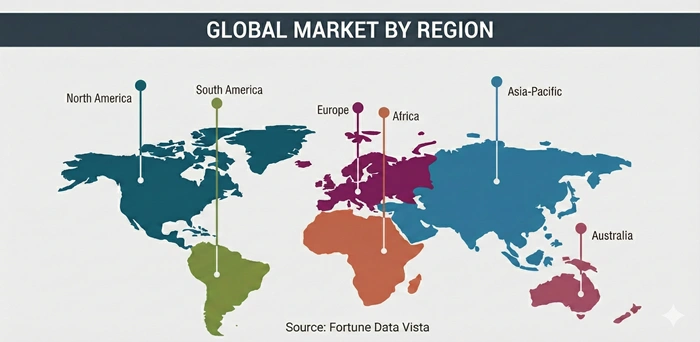
Regional Insights
Asia Pacific
Asia Pacific Dominates the Global Superabsorbent Polymer Market With the World's Largest Hygiene Product Manufacturing Base, Highest SAP Production Capacity, and Most Rapidly Growing Demand Across Multiple Application Segments*
Asia Pacific holds the dominant position in the global Superabsorbent Polymer market, accounting for approximately 42.30% of total global market revenue in 2025, and is projected to maintain both its regional leadership and fastest-growing status at a CAGR of approximately 6.80% from 2026 to 2033. Japan is the historical home of the SAP industry — with Nippon Shokubai having pioneered the commercial SAP production process — and continues to host a globally leading SAP manufacturing and R&D capability, serving both domestic hygiene product manufacturers and export markets. China represents the region's largest and fastest-growing individual SAP market, where a massive domestic baby diaper industry, rapidly aging population driving incontinence product demand, and a large and water-stressed agricultural sector collectively generate enormous and diversifying SAP demand volumes. Leading companies with dominant Asia Pacific Superabsorbent Polymer market positions include Nippon Shokubai Co. Ltd., Sanyo Chemical Industries, LG Chem, and Formosa Plastics Corporation.
South Korea, India, and Southeast Asian markets are also important and growing contributors to Asia Pacific SAP market revenue. India's rapidly expanding baby diaper market — driven by rising incomes, urbanization, and improving retail distribution — is creating significant new SAP demand, and Indian domestic SAP production capacity is progressively building to serve this growing market. Government investment in water-efficient agriculture across India and Southeast Asia is similarly expanding agricultural SAP adoption. The region's combination of dominant manufacturing scale, rapidly growing domestic hygiene product consumption, agricultural water conservation demand, and significant capacity expansion investment by both Asian and global SAP producers positions Asia Pacific as the most commercially dynamic and largest regional market in global superabsorbent polymers through 2033.
North America
North America Is the Second-Largest Superabsorbent Polymer Market, Driven by the World's Highest-Value Premium Hygiene Product Consumption, Large Adult Incontinence Segment, and Growing Agricultural SAP Adoption*
North America holds the second-largest position in the global Superabsorbent Polymer market, accounting for approximately 24.60% of total global market revenue in 2025, and is projected to maintain steady growth at a CAGR of approximately 5.20% from 2026 to 2033. The United States drives the vast majority of North American SAP demand, where a high-value premium baby diaper market led by Procter & Gamble's Pampers and Kimberly-Clark's Huggies brands, the world's largest adult incontinence product market driven by a large and rapidly aging baby boomer population, and a growing agricultural SAP adoption segment in western water-stressed states collectively generate strong and diversified SAP consumption. The North American SAP market is characterized by strong emphasis on premium product performance — with leading hygiene product manufacturers consistently seeking higher-absorption-capacity and better-performing SAP grades — supporting above-average pricing and value per ton relative to commodity-oriented Asian markets. Leading SAP suppliers to the North American market include BASF, Evonik, and Nippon Shokubai, with product supplied from both domestic and European manufacturing facilities under long-term customer supply agreements.
Canada contributes modestly to regional SAP revenue through its domestic hygiene product market and a small but growing agricultural SAP adoption sector in prairie grain-growing regions seeking drought resilience improvement. The North American market's long-term growth trajectory will be influenced by the sustainability transition — with growing pressure from retail and consumer brand owners on hygiene product manufacturers to adopt more environmentally responsible SAP materials progressively driving adoption of bio-based SAP grades and investment in SAP recycling and recovery technologies. Companies including NovaBay Pharmaceuticals and emerging bio-SAP startups are exploring sustainable SAP alternatives for the North American hygiene product supply chain, signaling the beginning of a slow but commercially meaningful materials transition in this region.
Top Key Players
-
Nippon Shokubai Co. Ltd. (Japan)
-
BASF SE (Germany)
-
Evonik Industries AG (Germany)
-
Sanyo Chemical Industries Ltd. (Japan)
-
LG Chem Ltd. (South Korea)
-
Sumitomo Seika Chemicals Co. Ltd. (Japan)
-
Formosa Plastics Corporation (Taiwan)
-
SNF Group (France)
-
Yixing Danson Technology Co. Ltd. (China)
-
Songwon Industrial Co. Ltd. (South Korea)
-
Quanzhou Banglida Technology Industry Co. Ltd. (China)
-
Kao Corporation (Japan)
Recent Developments
-
Nippon Shokubai Co. Ltd. (2025) — Advanced its next-generation bio-based superabsorbent polymer development program, investing in pilot-scale production infrastructure for renewable feedstock-derived SAP grades targeting European hygiene product manufacturer demand for more sustainable absorbent material solutions — reinforcing its position as the global SAP technology leader and responding proactively to the accelerating sustainability transition in the European hygiene product market.
-
BASF SE (2024) — Expanded its Hysorb superabsorbent polymer production capacity at its European manufacturing facilities to meet growing demand from hygiene product manufacturers, while simultaneously advancing its bio-based SAP research collaboration with European academic and industrial partners — reflecting BASF's dual commitment to meeting near-term commercial demand growth and positioning for the long-term sustainability-driven SAP market transition.
-
Evonik Industries (2025) — Strengthened its FAVOR superabsorbent polymer product portfolio with the introduction of new high-performance SAP grades specifically engineered for next-generation premium adult incontinence product applications — featuring enhanced absorption under load and improved rewet performance — targeting the fast-growing premium incontinence segment in North America, Europe, and Japan where product performance differentiation commands significant price premiums.
-
LG Chem (2024) — Announced the expansion of its superabsorbent polymer manufacturing capacity in South Korea through a significant capital investment in new production line infrastructure, aimed at capturing growing SAP demand from Korean and regional Asian hygiene product manufacturers and strengthening LG Chem's competitive position in the fast-growing Asia Pacific SAP market against established Japanese and European competitors.
-
SNF Group (2024) — Extended its polyacrylamide and superabsorbent polymer product portfolio into new agricultural water retention and soil conditioner applications, launching a new range of agricultural-grade SAP products specifically formulated for arid and semi-arid crop production environments — targeting the rapidly growing agricultural SAP market in water-stressed regions of Africa, the Middle East, and South Asia where demand for effective and affordable soil water retention solutions is accelerating.
Market Trends
The Accelerating Sustainability Transition Toward Bio-Based SAP Materials and the Rapid Expansion of Agricultural SAP Applications in Water-Stressed Regions Are the Two Defining Trends Reshaping the Superabsorbent Polymer Market*
The most strategically significant long-term trend reshaping the Superabsorbent Polymer market is the accelerating industry-wide transition toward bio-based and biodegradable SAP materials — driven by a convergence of regulatory pressure, brand owner sustainability commitments, and consumer preference in European and North American markets. Major hygiene product brand owners including Procter & Gamble, Kimberly-Clark, and Essity have publicly committed to incorporating more sustainable materials into their disposable hygiene product portfolios — creating top-down commercial pull for bio-based SAP alternatives that is intensifying investment in sustainable SAP R&D across the industry. As bio-based SAP production costs fall with process maturity and manufacturing scale-up, and as regulatory frameworks for single-use hygiene product environmental performance tighten in Europe, the commercial market share of bio-derived SAP grades is expected to grow meaningfully during the 2026–2033 forecast period.
The rapid expansion of SAP applications in precision agriculture and water-efficient farming systems represents the second transformative trend shaping the superabsorbent polymer market. As climate change intensifies drought conditions across major agricultural regions globally and as governments in water-stressed countries invest in agricultural productivity improvement programs, the adoption of SAP soil conditioners and hydrogels as practical and cost-effective water conservation tools is accelerating from a niche specialty application into a meaningful volume growth segment. Technological advances in agricultural SAP formulation — including controlled-release nutrient integration, pH-responsive delivery systems, and improved soil compatibility across diverse soil types — are simultaneously expanding the practical agronomic value of SAP-based soil amendments and broadening their crop type and geographic applicability, supporting sustained market growth for agricultural superabsorbent polymer products.
Segments Covered in the Report
By Type:
-
Sodium Polyacrylate
-
Polyacrylamide Copolymer
-
Ethylene Maleic Anhydride Copolymer
-
Cross-Linked Carboxymethylcellulose
-
Polyvinyl Alcohol Copolymers
-
Cross-Linked Polyethylene Oxide
-
Starch Grafted Copolymer
By Application:
-
Baby Diapers and Training Pants
-
Adult Incontinence Products
-
Feminine Hygiene Products
-
Agriculture and Horticulture
-
Medical and Healthcare
-
Construction and Civil Engineering
-
Food Packaging
-
Industrial and Mining
By End User:
-
Hygiene Product Manufacturers
-
Agricultural End Users
-
Medical and Healthcare Institutions
-
Construction Companies
-
Food and Packaging Industry
By Region:
-
North America
-
Europe
-
Asia Pacific
-
Latin America
-
Middle East & Africa
Frequently Asked Questions:
Answer: The Superabsorbent Polymer market was valued at USD 10.98 billion in 2025 and is projected to reach USD 19.52 billion by 2033. It is expected to grow at a CAGR of 5.90% from 2026 to 2033, driven by expanding global hygiene product demand, agricultural SAP adoption, and bio-based polymer innovation.
Answer: Rising global demand for baby diapers, adult incontinence products, and feminine hygiene articles is the most powerful driver of the Superabsorbent Polymer market. Growing agricultural adoption of SAP soil conditioners for water conservation in arid and semi-arid crop production regions is the second most important and fastest-growing demand driver.
Answer: Asia Pacific dominates the Superabsorbent Polymer market with approximately 42.30% of global revenue in 2025, led by Japan and China's massive hygiene product manufacturing ecosystems and leading SAP producers including Nippon Shokubai and Sanyo Chemical. Asia Pacific is simultaneously the fastest-growing region, expanding at approximately 6.80% CAGR through 2033 driven by rising hygiene product consumption and agricultural SAP adoption.
Answer: Baby diapers and training pants dominate the Superabsorbent Polymer market application segment with approximately 54.20% of total revenue in 2025, reflecting the enormous global baby diaper production volumes that consume the largest share of SAP. Agricultural and horticultural applications are the fastest-growing segment, expanding at approximately 8.10% CAGR through 2033 driven by global water scarcity and adoption of SAP-based soil conditioners.
Answer: The growing demand for bio-based and biodegradable SAP materials — driven by regulatory pressure in Europe and brand owner sustainability commitments — is reshaping the Superabsorbent Polymer market's long-term product development priorities and investment patterns. Bio-based starch-grafted copolymers represent the fastest-growing SAP type segment at approximately 9.20% CAGR through 2033, as leading manufacturers including BASF and Nippon Shokubai accelerate bio-SAP commercialization.