
Theranostics Market Overview
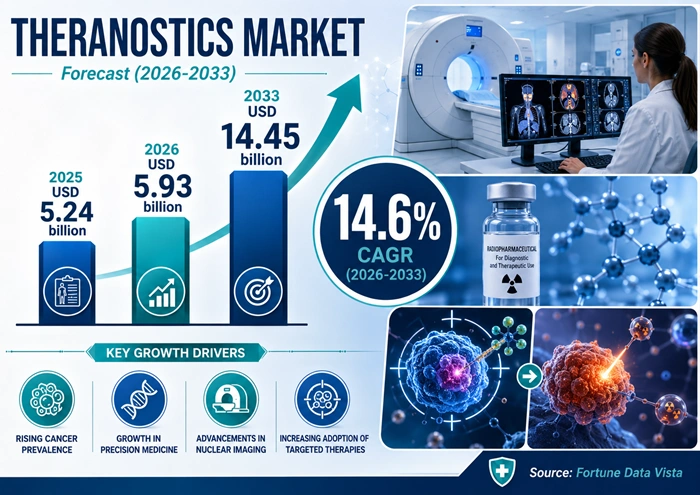
The global theranostics market size is valued at USD 5.24 billion in 2025 and is predicted to increase from USD 5.93 billion in 2026 to approximately USD 14.45 billion by 2033, growing at a CAGR of 14.6% from 2026 to 2033.
Theranostics is an innovative medical approach that combines diagnostics and therapeutics into a single, unified strategy — using the same or structurally similar agents to first identify disease targets and then deliver precisely localized treatment. Rooted primarily in nuclear medicine and radiopharmaceutical science, it enables clinicians to image a patient's tumor biology using a diagnostic radiotracer, confirm target expression, and then administer a matched therapeutic radiotracer to destroy the cancer cells with minimal collateral damage to healthy tissue. The landmark FDA approvals of Lutathera (lutetium-177 DOTATATE) for neuroendocrine tumors and Pluvicto (lutetium-177 PSMA-617) for prostate cancer have dramatically elevated theranostics from a niche nuclear medicine practice to a mainstream oncology treatment paradigm. As the precision medicine revolution deepens and personalized cancer care becomes the standard of care globally, the theranostics market is experiencing exceptional growth momentum that is attracting major pharmaceutical investment and reshaping oncology treatment pathways worldwide.
AI Impact on the Theranostics Industry
Artificial intelligence is accelerating target identification, optimizing dosimetry calculations, enhancing diagnostic image interpretation, and enabling precision patient selection that is expanding the clinical reach and commercial scale of the theranostics market across oncology and beyond
Artificial intelligence is transforming theranostic workflows at multiple critical points — from pre-treatment patient selection through dosimetry planning to post-treatment response assessment. AI-powered image analysis platforms trained on large PET/CT and SPECT imaging datasets can now automatically identify and quantify PSMA, SSTR, and other theranostic target expression levels across tumor burden with a speed and consistency that outpaces manual radiologist review. This capability is clinically important because accurate quantification of target expression is the foundational criterion for determining which patients will respond to a given theranostic agent — and errors in this selection step result in either undertreating patients who would benefit or exposing non-responders to unnecessary radiation. By automating and standardizing this process, AI is enabling broader and more reliable patient selection, directly expanding the treated population base and the commercial market opportunity for theranostic pharmaceutical and imaging product manufacturers.
At the dosimetry and treatment planning level, AI-driven algorithms are solving one of theranostics' most complex operational challenges — individualized absorbed dose calculation for each patient's specific tumor volume and normal organ distribution. Traditional dosimetry methods require multiple imaging time points after diagnostic tracer administration and complex manual calculations — a resource-intensive process that limits routine implementation in community oncology settings. AI models that predict absorbed dose from fewer imaging time points, incorporating patient-specific pharmacokinetic parameters and body composition variables, are already in clinical validation and are expected to standardize personalized dosimetry in ways that will make high-quality theranostic treatment delivery feasible far beyond the current handful of specialized nuclear medicine centers. This infrastructure democratization will materially expand the addressable patient population for theranostic therapies and accelerate the growth trajectory of the market through 2033.
Growth Factors
The FDA and EMA approval of landmark lutetium-177 radiopharmaceuticals, the oncology precision medicine revolution demanding tumor-targeted therapies with minimal systemic toxicity, and a rich pipeline of next-generation theranostic agents targeting diverse cancers are together fueling an exceptional and multi-dimensional growth surge in the theranostics market
The most powerful commercial growth driver in the theranostics market is the clinical and regulatory validation of lutetium-177 based radiopharmaceutical therapies for major oncology indications. The FDA approval of Novartis's Pluvicto (177Lu-PSMA-617) for metastatic castration-resistant prostate cancer (mCRPC) in 2022 — based on the landmark VISION trial — was a watershed moment for the field, demonstrating significant overall survival benefit in a late-line patient population with no effective alternative therapies. Prostate cancer is the second most common cancer globally, creating an enormous treated patient population base for theranostic therapies. Lutathera's earlier approval for neuroendocrine tumors, combined with Pluvicto's rapid commercial uptake, has generated a powerful proof-of-concept signal that radioligand therapy (RLT) is a clinically validated, commercially scalable cancer treatment modality — attracting major pharmaceutical investment from Novartis, Bayer, Bristol-Myers Squibb, Eli Lilly, and numerous biotechnology companies into theranostic pipeline development programs targeting additional tumor types.
The broader precision oncology and biomarker-driven treatment paradigm is creating a structural tailwind for the theranostics market that extends well beyond current approved indications. Oncology is undergoing a fundamental shift from empirical, broadly toxic chemotherapy toward molecularly targeted therapies selected by specific tumor biomarker profiles — and theranostics is the most elegant expression of this precision medicine philosophy, combining diagnostic confirmation of target presence with molecularly matched therapeutic delivery in a single, integrated treatment approach. The rapid growth of companion diagnostics, liquid biopsy, genomic profiling, and PET imaging infrastructure is creating the clinical ecosystem within which theranostic therapies can be identified, validated, and deployed with increasing efficiency. As clinical evidence accumulates for theranostic approaches in breast cancer (HER2-targeted), colorectal cancer (CEA-targeted), glioblastoma (EGFR-targeted), and multiple other tumor types, the total addressable oncology population for theranostic therapies will expand dramatically, sustaining above-market growth rates through the forecast period.
Market Outlook
Anchored by expanding FDA-approved radioligand therapy indications, a multi-billion-dollar theranostic pipeline advancing across diverse tumor types, and substantial infrastructure investment from the world's largest pharmaceutical companies, the theranostics market is positioned for a defining decade of commercial growth reaching USD 14.45 billion by 2033
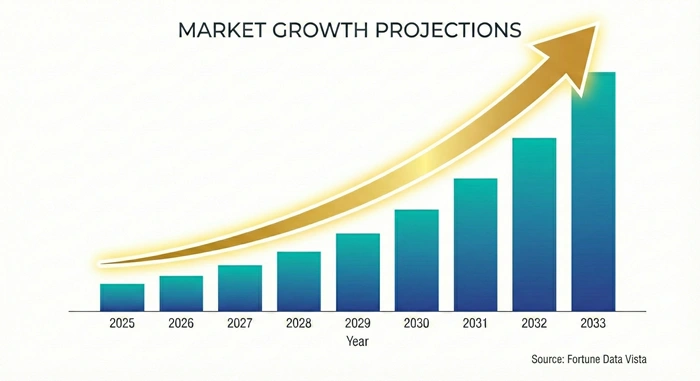
The medium-to-long-term market outlook for theranostics is exceptionally strong. Growing at a CAGR of 14.6% from 2026 to 2033, the market will more than double in value — reflecting both the maturation of current approved radioligand therapy products and the progressive commercialization of a rich pipeline of new theranostic agents. Novartis remains the dominant commercial force, with Pluvicto generating over USD 1 billion in annual sales within its first two years of launch and a manufacturing expansion program underway to address global supply constraints. The acquisition of Endocyte, Advanced Accelerator Applications, and RayzeBio by major pharmaceutical companies signals a deep strategic conviction that theranostics will be a defining oncology treatment category for the next decade. North America will maintain the largest regional market share, driven by FDA approval leadership, established nuclear medicine center infrastructure, and strong reimbursement for approved RLT products. Europe will grow steadily, supported by EMA approvals, academic nuclear medicine expertise, and national health system coverage expansion for theranostic treatments.
The pipeline depth sustaining this outlook is remarkable — with over 150 active theranostic development programs spanning diverse radionuclides including actinium-225, lead-212, and copper-64, and targeting tumor antigens including PSMA, SSTR, FAP, HER2, and carbonic anhydrase IX across multiple solid tumor histologies. The actinium-225 (Ac-225) platform is attracting particularly intense interest as an alpha-emitting radionuclide that delivers higher linear energy transfer radiation than beta-emitting lutetium-177 — potentially providing superior tumor killing in radioresistant cancers. Several Ac-225 programs are in Phase II and Phase III clinical trials, and the first commercial Ac-225 theranostic approvals could reach the market within the 2026–2033 forecast window — representing a potentially transformative expansion of the theranostics market value. Combined with the infrastructure build-out of theranostic treatment centers, isotope production capacity, and specialized manufacturing facilities globally, the market is on a trajectory of sustained, broad-based commercial expansion through 2033.
Expert Speaks
-
"Theranostics and radioligand therapy represent one of the most exciting and strategically important frontiers in oncology today. The VISION trial results for Pluvicto and the NETTER-1 results for Lutathera have demonstrated that targeting tumors with precision radioligand therapy delivers real survival benefits for patients — and we are aggressively investing in manufacturing capacity, pipeline expansion, and next-generation isotope development to bring the promise of theranostics to many more cancer patients globally." — CEO perspective, global leader in theranostic radioligand therapy development and commercialization
-
"We are witnessing a fundamental transformation in cancer care, and theranostics is at the center of that transformation. The ability to diagnose and treat cancer with the same molecular targeting principle — confirming target expression before delivering therapy — is exactly the kind of precision medicine approach that delivers better outcomes and better resource utilization. We are committing significant R&D investment to next-generation theranostic platforms because we believe this will be one of the defining commercial categories in oncology for the next decade." — CEO perspective, leading global pharmaceutical and life sciences company with active oncology theranostics pipeline
-
"The infrastructure and supply chain required to deliver theranostic therapies at scale — specialized cyclotrons, generator systems, radiopharmacy networks, and trained nuclear medicine specialists — represents a significant and strategically critical investment area. We see building this infrastructure as one of the most important ways our company can contribute to enabling the widespread adoption of theranostic therapies and ensuring that patients across all geographies can access these potentially life-changing treatments." — CEO perspective, major healthcare infrastructure and nuclear medicine technology company
Key Report Takeaways
-
North America leads the global theranostics market, accounting for approximately 44% of total revenue share in 2025, driven by FDA-approved radioligand therapy products including Lutathera and Pluvicto, the highest concentration of qualified nuclear medicine treatment centers globally, strong Centers for Medicare & Medicaid Services reimbursement for approved theranostic procedures, and leading pharmaceutical company commercial operations anchored in the United States.
-
Asia Pacific is the fastest-growing regional market, expected to register the highest CAGR through 2033, fueled by rapidly expanding nuclear medicine infrastructure in China, Japan, South Korea, and India, growing government investment in cancer care modernization, increasing clinical adoption of PET/CT imaging as a diagnostic standard, and actively developing domestic radiopharmaceutical manufacturing capabilities across the region.
-
Radiopharmaceuticals are the dominant product type, holding approximately 52.3% of global market revenue in 2025, as lutetium-177 based agents — Lutathera and Pluvicto — represent the commercial bedrock of the theranostics market and continue to grow strongly through expanding indication claims, increasing treatment center qualification, and resolution of early manufacturing and supply constraints that limited initial commercial uptake.
-
Oncology is overwhelmingly the largest application segment, contributing over 73.6% of global theranostics market revenue in 2025, reflecting the central role that radioligand therapy now plays in the treatment of prostate cancer, neuroendocrine tumors, thyroid cancer, and metastatic bone disease — with an expanding pipeline targeting breast, colorectal, glioblastoma, and multiple other cancer types that will sustain oncology's market dominance through 2033.
-
Hospitals and cancer treatment centers are the dominant end-user segment, accounting for over 68.4% of global market revenue in 2025, as the administration of theranostic radioligand therapies requires specialized nuclear medicine suites, radiation safety infrastructure, and trained nuclear medicine physicians — all of which are concentrated in large academic medical centers, comprehensive cancer centers, and university hospitals that form the institutional backbone of the commercial market.
-
PET/CT imaging is the leading diagnostic technology within the theranostics ecosystem, holding the largest share among imaging modalities given its critical role in PSMA and SSTR expression imaging for patient selection and response monitoring — with PSMA PET/CT scans representing the fastest-growing diagnostic procedure volume in the theranostics workflow as prostate cancer theranostic treatment expands globally.
-
The actinium-225 (alpha-emitting) theranostics segment is the fastest-growing future pipeline category, expected to grow at a CAGR exceeding 18.5% through 2033, as multiple Phase II and Phase III clinical programs in prostate cancer, neuroendocrine tumors, and other solid cancers advance toward potential commercial approval — with the superior tumor-killing physics of alpha radiation generating substantial clinical and commercial interest from both established and emerging radiopharmaceutical developers.
Market Scope
| Parameter | Details |
|---|---|
| Market Size by 2033 | USD 14.45 Billion | Market Size by 2026 | USD 5.93 Billion | Market Size by 2025 | USD 5.24 Billion | Market Growth Rate from 2026 to 2033 | CAGR of 14.6% | Dominating Region | North America | Fastest Growing Region | Asia Pacific | Segments Covered | Product Type, Technology, Application, End User, Distribution Channel | Regions Covered | North America, Europe, Asia Pacific, Latin America, Middle East & Africa |
Market Dynamics
Drivers Impact Analysis
FDA and EMA approvals of landmark radioligand therapy products, the accelerating precision oncology paradigm demanding tumor-targeted treatment with minimal systemic toxicity, and a deep and rapidly advancing theranostic pipeline are generating a compounding and mutually reinforcing set of commercial growth drivers that position the theranostics market for sustained above-average revenue expansion through 2033
| Driver | ≈ % Impact on CAGR Forecast | Geographic Relevance | Impact Timeline |
|---|---|---|---|
| FDA/EMA approved radioligand therapy products — Pluvicto and Lutathera — driving mainstream oncology adoption | ~35% | North America, Europe | Short to Long Term |
| Precision medicine and biomarker-driven oncology paradigm expanding theranostic patient selection | ~28% | Global | Short to Long Term |
| Rich pipeline of next-generation theranostic agents in advanced clinical development | ~20% | North America, Europe, Asia Pacific | Medium to Long Term |
| Expanding nuclear medicine infrastructure and treatment center qualification globally | ~12% | Asia Pacific, Europe | Short to Medium Term |
| Growing companion diagnostics and PET imaging adoption enabling theranostic patient identification | ~5% | North America, Europe | Short to Long Term |
The commercial validation delivered by the FDA approval of Pluvicto for mCRPC — supported by the VISION trial demonstrating a 38% reduction in risk of death compared to standard care — has been the single most consequential event in the commercial history of the theranostics market. Its rapid uptake, crossing USD 1 billion in global sales within two years, has demonstrated to the pharmaceutical industry that radioligand therapy can deliver blockbuster commercial performance comparable to the best-selling targeted oncology drugs — fundamentally changing how major pharmaceutical companies prioritize investment in theranostic programs. The earlier success of Lutathera in neuroendocrine tumors provided the clinical proof of concept, but Pluvicto's prostate cancer indication — addressing a patient population of hundreds of thousands globally — has demonstrated the full commercial scale potential of theranostics in a high-prevalence solid tumor indication. This dual approval success has triggered a wave of pharmaceutical M&A activity and internal pipeline investment that is creating the development infrastructure for the next generation of approved theranostic agents across multiple cancer types.
The precision oncology revolution is simultaneously creating a powerful structural tailwind for the theranostics market by establishing biomarker-driven patient selection as the standard of care across oncology. Regulatory requirements for companion diagnostic tests, growing clinical adoption of genomic profiling, and the expansion of PSMA and SSTR PET/CT imaging are building the clinical infrastructure that makes theranostic patient identification routine rather than exceptional. PSMA PET/CT — the diagnostic companion to Pluvicto — is now approved and increasingly reimbursed as a standard staging tool for prostate cancer globally, creating an expanding diagnostic funnel that continuously identifies treatment-eligible patients. As similar companion imaging and biomarker screening pathways are established for theranostic programs in breast cancer, colorectal cancer, and other solid tumors, the patient identification infrastructure supporting the market will expand proportionally, reinforcing the market's strong commercial growth trajectory.
Restraints Impact Analysis
Severe isotope production capacity constraints, the complex and capital-intensive specialized manufacturing and cold chain logistics requirements of radioligand therapy, and limited qualified treatment center infrastructure outside major academic medical centers are creating meaningful friction that is moderating the pace of the theranostics market's otherwise exceptional growth trajectory
| Restraint | ≈ % Impact on CAGR Forecast | Geographic Relevance | Impact Timeline |
|---|---|---|---|
| Isotope production capacity constraints — Lu-177, Ac-225, and other radionuclides | ~42% | Global | Short to Medium Term |
| Complex, capital-intensive specialized manufacturing and cold chain requirements | ~35% | All markets | Short to Long Term |
| Limited qualified nuclear medicine treatment center infrastructure outside major centers | ~23% | Asia Pacific, Latin America, MEA | Short to Medium Term |
The most acute operational restraint in the theranostics market is the global shortage of radionuclide production capacity — particularly for lutetium-177, the radionuclide underpinning the current generation of approved radioligand therapies, and actinium-225, the alpha-emitting isotope critical to the next generation of pipeline agents. Lutetium-177 is produced in nuclear reactors from enriched lutetium-176 targets — a production process that requires specialized facilities, highly enriched isotope feedstocks, and significant regulatory oversight. Global reactor capacity for medical isotope production is limited and heavily dependent on a small number of specialized facilities — creating supply bottlenecks that have already constrained Pluvicto's commercial rollout and contributed to patient access delays. Novartis has responded with a major manufacturing expansion program, and additional lutetium-177 production capacity from IsoTherapeutics, ITG, and other suppliers is coming online — but supply constraints will continue to moderate market growth rates in the near term.
The manufacturing complexity and cold chain requirements of radioligand therapy products represent a persistent structural barrier to market scalability. Unlike conventional pharmaceuticals that can be manufactured in bulk, stored for months, and distributed through standard pharmaceutical supply chains, theranostic radiopharmaceuticals have half-lives measured in days — requiring just-in-time manufacturing, rapid air freight delivery, and specialized radiopharmacy handling at hospital sites. This compressed logistical window requires significant infrastructure investment from both manufacturers and hospital customers — including dedicated radiopharmacy suites, radiation safety equipment, and staff with specialized handling training. The capital cost and regulatory complexity of establishing these capabilities outside major urban academic medical center environments limits access to theranostic therapies in community oncology settings and significantly constrains geographic market penetration in emerging markets where nuclear medicine infrastructure is at an early stage of development.
Opportunities Impact Analysis
The imminent clinical and regulatory advancement of alpha-emitting actinium-225 theranostic agents, the vast untapped pipeline targeting diverse solid tumor types beyond current approved indications, and the strategic expansion of nuclear medicine infrastructure in Asia Pacific and Latin America represent three high-value and mutually reinforcing opportunity vectors that will shape the competitive commercial future of the theranostics market through 2033
| Opportunity | ≈ % Impact on CAGR Forecast | Geographic Relevance | Impact Timeline |
|---|---|---|---|
| Actinium-225 alpha-particle theranostic agents advancing toward first commercial approvals | ~38% | North America, Europe | Medium to Long Term |
| Pipeline expansion into breast, colorectal, glioblastoma, and other high-prevalence cancers | ~32% | North America, Europe, Asia Pacific | Medium to Long Term |
| Nuclear medicine infrastructure expansion enabling theranostic access in Asia Pacific and emerging markets | ~22% | Asia Pacific, Latin America | Short to Medium Term |
| AI-driven dosimetry and patient selection enabling theranostic delivery in community oncology settings | ~8% | North America, Europe | Medium to Long Term |
The most commercially transformative near-term opportunity in the theranostics market is the advancing clinical development of actinium-225 based alpha-emitting radioligand therapy programs — which have the potential to address cancer types and disease stages where beta-emitting lutetium-177 therapies are insufficient. Ac-225 delivers alpha particles with approximately 100 times higher linear energy transfer than the beta emissions of Lu-177 — creating more concentrated and potentially more lethal DNA double-strand break activity in targeted tumor cells with an even shorter tissue range, reducing off-target dose to surrounding normal tissues. Multiple Phase II programs using Ac-225-PSMA for prostate cancer, Ac-225-DOTATATE for neuroendocrine tumors, and Ac-225-based FAP-targeted agents for a broad solid tumor range are showing early clinical signals of remarkable efficacy — including responses in patients who have progressed on Lu-177 therapy. If Phase III data confirms these early results, first commercial Ac-225 theranostic approvals could reach the market within the 2026–2033 window and generate a significant new commercial revenue wave.
The expansion of theranostic approaches into new high-prevalence solid tumor types — particularly breast cancer (HER2 and folate receptor targeting), colorectal cancer (CEA and TAG-72 targeting), and glioblastoma (EGFR and EGFRvIII targeting) — represents the second major opportunity tier. Breast cancer alone affects over 2 million new patients globally each year, and early-phase clinical data for HER2-targeted radioligand therapy show promising targeting specificity and preliminary antitumor activity. If even a subset of these programs achieves clinical validation and regulatory approval over the forecast period, the total addressable oncology market for theranostics will expand dramatically beyond the current prostate cancer and neuroendocrine tumor core indications — adding multiple new patient populations and product categories that could generate billions of dollars in incremental annual market revenue by the end of the forecast period.
Segment Analysis
By Product Type: Radiopharmaceuticals
Radiopharmaceuticals are the commercially dominant product backbone of the theranostics market — with lutetium-177 based radioligand therapy products establishing blockbuster commercial trajectories that are defining the therapeutic and financial landscape of modern oncology
Radiopharmaceuticals represent the largest product type segment in the theranostics market, holding approximately 52.3% of global market revenue in 2025 and growing at a CAGR of approximately 15.2% through 2033. This segment is commercially anchored by two FDA-approved blockbuster agents — Lutathera (177Lu-DOTATATE) for gastroenteropancreatic neuroendocrine tumors and Pluvicto (177Lu-PSMA-617) for metastatic castration-resistant prostate cancer — both commercialized by Novartis AG following its strategic acquisitions of Advanced Accelerator Applications and Endocyte. Pluvicto in particular has achieved rapid and substantial commercial uptake since its 2022 FDA approval, generating over USD 1 billion in global sales within its second full year of commercialization — demonstrating the blockbuster commercial potential of radioligand therapy in a high-prevalence oncology indication. North America leads this segment's geographic revenue contribution, accounting for approximately 45% of global radiopharmaceutical theranostic revenue in 2025, driven by the world's strongest nuclear medicine reimbursement framework, highest per-capita prostate cancer diagnosis rates among developed nations, and the most extensive network of qualified radioligand therapy treatment centers.
Europe is the second-largest geographic contributor to the radiopharmaceutical segment, with Germany, France, the Netherlands, and the United Kingdom operating leading academic nuclear medicine centers and contributing significant clinical trial activity and commercial treatment volumes. Key companies beyond Novartis that are actively building radiopharmaceutical theranostic commercial positions include Bayer AG (with its radium-223 dichloride product Xofigo for bone metastases and its pipeline of FAP-targeted Lu-177 agents), Lantheus Holdings, Point Biopharma, RayzeBio (acquired by Bristol-Myers Squibb), and Fusion Pharmaceuticals (acquired by AstraZeneca). Asia Pacific is the fastest-growing region within the radiopharmaceutical segment, driven by Japan's advanced nuclear medicine regulatory framework, rapidly expanding Chinese radiopharmaceutical manufacturing and clinical capacity, and growing Indian nuclear medicine center development under the government's medical infrastructure modernization agenda. The segment will continue to generate the majority of total theranostics market revenue through 2033 as new indications are approved and manufacturing capacity expands to address global patient demand.
By Application: Oncology
Oncology's overwhelming dominance of the theranostics market reflects the perfect alignment between cancer biology's molecular target-rich environment and theranostics' core strength in delivering precisely targeted diagnostic imaging and therapeutic radiation to molecularly identified tumor cells
The oncology application segment holds the largest share in the theranostics market, contributing approximately 73.6% of global revenue in 2025 and growing at a CAGR of approximately 15.4% through 2033. This dominance reflects the exceptional clinical fit between theranostic precision and oncology's fundamental treatment challenge — delivering maximum tumor killing while minimizing damage to healthy tissue, which is precisely what radioligand therapy achieves through its combination of tumor-targeting molecular specificity and targeted radionuclide energy delivery. Current commercial revenue is concentrated in prostate cancer (the largest individual application, driven by Pluvicto), neuroendocrine tumors (anchored by Lutathera), differentiated thyroid cancer (iodine-131 thyroid ablation therapy — the original theranostic modality), and metastatic bone disease (addressed by Xofigo). North America generates the highest oncology application revenue, given its leading prostate cancer treatment volumes, comprehensive cancer center density, and the most active clinical trial ecosystem advancing new theranostic indications across multiple solid tumor types. Key companies dominating the oncology segment include Novartis, Bayer AG, and an expanding cohort of radiopharmaceutical biotechnology companies including Lantheus, RayzeBio, Point Biopharma, and POINT Biopharma.
Europe is a significant oncology application market, with the Netherlands Cancer Institute, Technical University of Munich, and University Hospital Basel among the global leaders in radioligand therapy clinical research and patient treatment. Asia Pacific is the fastest-growing oncology geography within the theranostics market, driven by Japan's well-established nuclear medicine tradition, China's rapidly growing PSMA PET/CT imaging adoption, and South Korea's active academic oncology research programs. The oncology segment's growth will accelerate progressively through 2033 as the clinical and regulatory pipeline delivers approvals across new cancer types — with breast cancer, colorectal cancer, glioblastoma, and hepatocellular carcinoma representing the most commercially significant near-term pipeline expansion opportunities. The combination of growing approved indications, expanding treatment center infrastructure, and improving isotope supply capacity will sustain the oncology segment's dominant position and strong growth trajectory through the full forecast period.
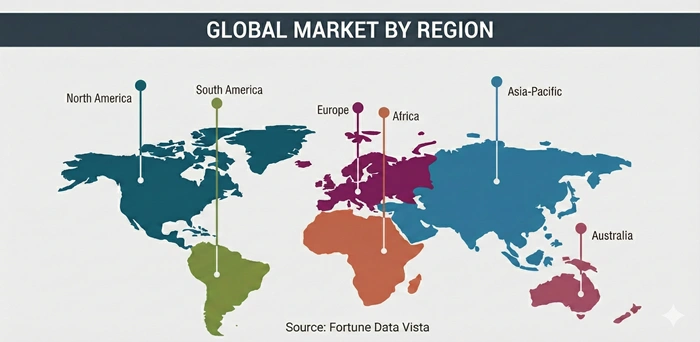
Regional Insights
North America
North America's unrivaled combination of FDA regulatory leadership in radioligand therapy approvals, the highest concentration of qualified nuclear medicine treatment centers, and major pharmaceutical company commercial headquarters firmly establishes it as the global revenue leader in the theranostics market
North America dominates the theranostics market, accounting for approximately 44% of global revenue share in 2025, with a regional CAGR of approximately 14.2% projected through 2033. The United States generates the vast majority of regional revenue, underpinned by FDA regulatory leadership that has delivered the world's first commercial radioligand therapy approvals, Centers for Medicare & Medicaid Services reimbursement coverage for Lutathera and Pluvicto procedures, and the highest per-capita density of accredited nuclear medicine facilities equipped and qualified to administer radioligand therapy. Novartis's U.S. commercial operations for Pluvicto and Lutathera drive the single largest individual country market contribution to the theranostics market globally. Additional key North American market players include Lantheus Holdings, Jubilant Pharmova's U.S. subsidiary, Cardinal Health's radiopharmacy network, GE HealthCare's nuclear medicine diagnostics business, and a growing ecosystem of clinical-stage theranostic biotechnology companies headquartered in Boston, San Francisco, and New York biotech hub clusters.
Canada contributes meaningful regional revenue through its well-developed academic nuclear medicine centers — including Princess Margaret Cancer Centre, BC Cancer, and the Ottawa General Hospital — which are active in theranostic clinical trials and commercial patient treatment. The United States regulatory and reimbursement environment continues to advance rapidly, with the FDA's breakthrough therapy designation and accelerated approval pathways supporting fast-tracked development of multiple pipeline theranostic agents. The expansion of Novartis's Radioligand Therapy Network of Excellence — a program qualifying additional U.S. hospitals to administer Pluvicto — is progressively broadening geographic treatment access beyond the initial concentration of academic medical centers, expanding the commercially treated patient population and driving sustained revenue growth in the North American theranostics market through 2033.
Asia Pacific
Asia Pacific's rapidly modernizing nuclear medicine infrastructure, strong government investment in cancer care capacity, and the region's sheer scale of unmet oncology treatment need are positioning it as the most dynamic and commercially significant growth frontier in the global theranostics market
Asia Pacific is the fastest-growing region in the theranostics market, expected to register a regional CAGR of approximately 16.8% through 2033, driven by a compelling combination of expanding nuclear medicine institutional capacity, growing government prioritization of cancer care infrastructure investment, and rapidly rising clinical adoption of PET/CT imaging and precision oncology protocols. Japan is the largest individual country market within the region, with a deeply established nuclear medicine tradition — including PMDA-approved theranostic products, major academic nuclear medicine departments at Tokyo Medical and Dental University and Kyoto University Hospital, and a strong domestic radiopharmaceutical supply chain supported by Nihon Medi-Physics and other regional producers. China is the most rapidly growing country market, driven by an ambitious government healthcare modernization agenda that has expanded cyclotron and PET/CT scanner installations dramatically over the past five years, increasing PSMA PET imaging capacity and building the diagnostic infrastructure that will enable large-scale clinical identification of theranostic-eligible patients. Key companies actively developing the Asia Pacific theranostics market include Novartis (through regional commercial expansion), Bayer AG, GE HealthCare, Siemens Healthineers, and locally operating radiopharmaceutical manufacturers in China, India, and South Korea.
South Korea and Australia contribute high-value revenue from their advanced healthcare systems, with Samsung Medical Center and Seoul National University Hospital operating leading theranostic nuclear medicine programs, and major Australian academic centers including Peter MacCallum Cancer Centre and Royal North Shore Hospital conducting significant radioligand therapy clinical research. India represents one of the most commercially significant longer-term growth opportunities in the Asia Pacific theranostics market — with the Bhabha Atomic Research Centre (BARC) operating India's domestic lutetium-177 production capacity, a growing base of nuclear medicine centers in major urban hospitals, and a large and rapidly growing prostate cancer and neuroendocrine tumor patient population that creates significant unmet demand for radioligand therapy. As India's healthcare infrastructure investment continues to expand under the National Health Mission and private hospital group modernization programs, it is expected to become one of the most important regional markets for theranostic therapies globally within the decade.
Report Customization Available
Get a Fully Customized Theranostics Market Report for Your Target Region or Country
Our theranostics market report is available with complete region-specific and country-level customization designed to meet your precise strategic research and business intelligence requirements. Each customized report delivers in-depth theranostic market sizing, product-type-specific revenue analysis, application segment breakdowns, nuclear medicine infrastructure assessment, radiopharmaceutical regulatory pathway analysis, reimbursement environment reviews, and competitive company profiling — all calibrated to the specific commercial dynamics of your chosen geography and therapeutic focus.
Customized theranostics market reports are available for the following regions and countries:
North America
-
United States – Detailed analysis of FDA-approved radioligand therapy products, CMS reimbursement landscape, treatment center qualification network, leading company profiles including Novartis, Lantheus, Cardinal Health, and GE HealthCare, and pipeline theranostic agent regulatory advancement timelines
-
Canada – Coverage of Health Canada regulatory environment, academic nuclear medicine center landscape, radioligand therapy clinical trial activity, provincial health system reimbursement for theranostic procedures, and domestic radiopharmaceutical supply chain
-
Mexico – Analysis of COFEPRIS regulatory landscape, growing nuclear medicine infrastructure, commercial pharmaceutical access for theranostic products, and hospital-based oncology treatment capacity development
Europe
-
United Kingdom – MHRA regulatory framework, NHS commissioning policy for radioligand therapy, NICE evaluation of theranostic treatment value, leading academic center profiles including the Royal Marsden and University College London Hospital, and UK theranostic clinical research landscape
-
Germany – GBA reimbursement framework, Germany's leading academic nuclear medicine centers including LMU Munich and Heidelberg University Hospital, major company profiles including Bayer AG and Siemens Healthineers, and domestic radiopharmaceutical production capability
-
France – HAS regulatory and reimbursement environment, leading French nuclear medicine clinical research institutions, commercial radiopharmaceutical distribution network, and national oncology treatment guidelines for theranostic therapy
-
Italy – AIFA regulatory landscape, growing nuclear medicine center network, Italian academic oncology theranostic research activity, and hospital procurement of radioligand therapy products
-
Rest of Europe – Coverage of Spain, Netherlands, Belgium, Switzerland, and Scandinavian theranostic market development, with focus on EMA-approved product adoption, clinical research center activity, and national reimbursement framework evolution
Asia Pacific
-
China – NMPA regulatory environment, government healthcare infrastructure investment in nuclear medicine and cyclotron capacity, growing PSMA PET/CT adoption, domestic radiopharmaceutical producer landscape, and multinational company market access strategies
-
India – CDSCO regulatory framework, BARC lutetium-177 production capability, growing nuclear medicine center network, government healthcare modernization impact on theranostic access, and leading private hospital group theranostic program development
-
Japan – PMDA regulatory environment, domestic radiopharmaceutical market leaders including Nihon Medi-Physics, Fujifilm Toyama Chemical, and Siemens Healthineers Japan, leading academic nuclear medicine departments, and commercial radioligand therapy market maturation
-
South Korea – MFDS regulatory landscape, leading Korean academic theranostic centers, Samsung and Asan Medical Center nuclear medicine program profiles, and growing domestic theranostic clinical research activity
-
Australia – TGA regulatory framework, MBS reimbursement for theranostic nuclear medicine procedures, Peter MacCallum Cancer Centre and Royal North Shore Hospital program profiles, and Australian clinical trial activity in radioligand therapy
-
Rest of Asia Pacific – Market analysis for Taiwan, Singapore, and Southeast Asian markets covering growing nuclear medicine infrastructure, theranostic product regulatory access, and expanding oncology treatment capacity
Latin America
-
Brazil – ANVISA regulatory framework, IPEN domestic radiopharmaceutical production capabilities, growing private and public hospital nuclear medicine capacity, and commercial theranostic product market development
-
Argentina – Domestic nuclear medicine infrastructure, ANMAT regulatory environment, growing clinical access to theranostic treatments at leading Argentine oncology centers, and radiopharmaceutical distribution network
-
Rest of Latin America – Coverage of Colombia, Chile, and Mexico theranostic market development, focusing on nuclear medicine infrastructure expansion, regulatory access timelines, and growing oncology treatment demand
Middle East & Africa
-
UAE – MOH regulatory landscape, premium private hospital theranostic program development in Dubai and Abu Dhabi, international pharmaceutical company commercial strategies, and growing medical tourism for cancer treatment including radioligand therapy
-
Saudi Arabia – Vision 2030 healthcare transformation impact on nuclear medicine and theranostic capacity, Saudi FDA regulatory environment, King Faisal Specialist Hospital program development, and theranostic product commercial access
-
Rest of MEA – Insights covering South Africa, Turkey, Egypt, and Israel regarding nuclear medicine infrastructure development, regulatory frameworks for radiopharmaceutical approval, and growing clinical adoption of PET/CT imaging enabling theranostic patient identification
Top Key Players
-
Novartis AG (Switzerland)
-
Bayer AG (Germany)
-
GE HealthCare Technologies Inc. (United States)
-
Siemens Healthineers AG (Germany)
-
Lantheus Holdings, Inc. (United States)
-
Cardinal Health, Inc. (United States)
-
Jubilant Pharmova Limited (Jubilant Radiopharma) (India / Canada)
-
Point Biopharma Global Inc. (United States / Canada)
-
RayzeBio, Inc. (Bristol-Myers Squibb) (United States)
-
Fusion Pharmaceuticals Inc. (AstraZeneca) (Canada)
-
Noria Therapeutics (United States)
-
ITG Isotope Technologies Garching SE (Germany)
-
IsoTherapeutics Group LLC (United States)
-
Nihon Medi-Physics Co., Ltd. (Japan)
-
Clarity Pharmaceuticals Ltd. (Australia)
Recent Developments
-
In January 2025, Bristol-Myers Squibb completed its USD 4.1 billion acquisition of RayzeBio, Inc., securing a pipeline of actinium-225 based alpha-emitting radioligand therapy programs including RYZ101 (Ac-225-DOTATATE) for SSTR-expressing neuroendocrine tumors, which had already demonstrated promising Phase III clinical activity. This acquisition represents one of the most strategically significant recent transactions in the theranostics market, signaling BMS's commitment to establishing a leadership position in next-generation alpha-particle radioligand therapy alongside its existing oncology portfolio.
-
In February 2025, AstraZeneca completed its USD 2.0 billion acquisition of Fusion Pharmaceuticals, a clinical-stage radiopharmaceutical company with a pipeline of targeted alpha therapy and targeted radioligand therapy candidates including FPI-2265 (Ac-225-PSMA) for prostate cancer and FPI-1434 (I-131-anti-IGF-1R) for solid tumors. The acquisition positioned AstraZeneca as a significant new entrant in the theranostics market and signaled the growing interest of major pharmaceutical companies in alpha-emitting radioligand therapy as a key next-generation oncology treatment platform.
-
In March 2025, Novartis AG announced a major expansion of its global radioligand therapy manufacturing network — including new production capacity expansions at its Palm Harbor, Florida facility and a new EU manufacturing site in Ireland — targeting a significant increase in annual Pluvicto supply capacity to address ongoing global demand constraints. The company simultaneously announced the initiation of additional Phase III clinical studies for Pluvicto in earlier-line prostate cancer settings and for Lutathera in additional neuroendocrine tumor subtypes, expanding the potential approved label for both flagship theranostic products.
-
In 2024, Lantheus Holdings, Inc. reported strong commercial growth for its PYLARIFY (18F-piflufolastat) PSMA PET imaging agent — the diagnostic companion to Pluvicto — achieving over USD 600 million in annual sales as U.S. PSMA PET/CT scan volumes continued to expand driven by growing urologic oncologist adoption for prostate cancer staging and theranostic patient selection. Lantheus also advanced its pipeline of therapeutic radioligand candidates including LNTH-1363S (Ac-225-PSMA-I&T) into Phase I clinical trials, expanding the company's commercial positioning from pure diagnostics into the full theranostic treatment cycle.
-
In October 2024, Bayer AG initiated Phase II clinical trials for its BAY 2813170 (177Lu-FAP-2286), a fibroblast activation protein (FAP)-targeted radioligand therapy agent targeting the tumor microenvironment across multiple solid tumor histologies — including lung, breast, colorectal, and pancreatic cancer. If the clinical program advances successfully, FAP-targeted theranostics could represent one of the broadest patient population opportunities in the history of radioligand therapy, potentially addressing tumor types where no theranostic agent currently exists and substantially expanding the total addressable market for the theranostics market through 2033 and beyond.
Market Trends
The convergence of alpha-emitting radionuclide commercialization, expanding pipeline indications across high-prevalence solid tumors, and the institutionalization of PSMA and SSTR PET/CT imaging as standard oncology practice are defining the most important structural trends reshaping the competitive and clinical landscape of the theranostics market through 2033
The most commercially defining trend in the theranostics market is the accelerating transition from beta-emitting lutetium-177 radioligand therapy toward alpha-emitting actinium-225 and lead-212 based platforms — driven by the superior radiobiological efficacy of alpha particles for treating radioresistant, micrometastatic, and late-line cancer. Multiple Phase II and Phase III programs across prostate cancer, neuroendocrine tumors, and other solid cancers are demonstrating durable clinical responses with Ac-225 based agents in patient populations that have progressed on Lu-177 therapy — signaling that alpha-particle theranostics may become the dominant next-generation treatment platform within the forecast period. The supply chain infrastructure for actinium-225 production — currently limited to a small number of specialized nuclear reactors and uranium-233 generators — is receiving major investment from government agencies, nuclear facility operators, and pharmaceutical companies globally, with the U.S. Department of Energy, Canadian Nuclear Laboratories, and European cyclotron networks all actively expanding Ac-225 production capacity to support clinical and eventual commercial demand. This technology transition is expected to be the most commercially significant development in the theranostics market between 2026 and 2033.
The second major market trend is the rapid broadening of theranostic approaches beyond the current prostate cancer and neuroendocrine tumor core into a diverse range of high-prevalence solid tumor types — driven by the identification of new theranostic target antigens, improved radiolabeling chemistry, and growing clinical evidence of radioligand therapy efficacy across multiple cancer histologies. Fibroblast activation protein (FAP), HER2, folate receptor alpha, carbonic anhydrase IX, and EGFR are among the most clinically advanced theranostic targets in pipeline development — each associated with high expression in major cancer types including breast, colorectal, pancreatic, lung, and renal cell carcinoma. The simultaneous development of matched diagnostic PET imaging agents and therapeutic radioligand counterparts for each of these targets is creating a new wave of integrated theranostic programs that will progressively expand the oncology applications of the market. If even a subset of these programs achieves regulatory approval within the 2026–2033 window, the total patient population addressable by theranostic therapy will expand by an order of magnitude relative to current approved indications — fundamentally transforming the commercial scale of the market.
Segments Covered in the Report
-
By Product Type
-
Radiopharmaceuticals
-
Lutetium-177 (Lu-177) Based Agents
-
Radium-223 (Ra-223) Based Agents
-
Iodine-131 (I-131) Based Agents
-
Samarium-153 (Sm-153) Based Agents
-
Actinium-225 (Ac-225) Based Agents (Pipeline)
-
Other Radiopharmaceuticals
-
-
Diagnostic Imaging Agents
-
PET/CT Imaging Agents (PSMA, SSTR, FDG)
-
SPECT Imaging Agents
-
MRI Contrast Agents
-
-
IVD / Biomarker Screening
-
Software & Services
-
-
By Technology
-
Positron Emission Tomography (PET)
-
Single Photon Emission Computed Tomography (SPECT)
-
Magnetic Resonance Imaging (MRI)
-
Others
-
-
By Application
-
Oncology
-
Prostate Cancer
-
Neuroendocrine Tumors
-
Thyroid Cancer
-
Bone Metastasis
-
Breast Cancer (Pipeline)
-
Other Cancers
-
-
Neurology
-
Cardiology
-
Infectious Diseases
-
Others
-
-
By End User
-
Hospitals & Cancer Treatment Centers
-
Diagnostic Imaging Centers
-
Research & Academic Institutes
-
Others
-
-
By Distribution Channel
-
Direct Sales
-
Distributors / Radiopharmacy Networks
-
-
By Region
-
North America (U.S., Canada, Mexico)
-
Europe (U.K., Germany, France, Italy, Rest of Europe)
-
Asia Pacific (China, India, Japan, South Korea, Australia, Rest of Asia Pacific)
-
Latin America (Brazil, Argentina, Rest of Latin America)
-
Middle East & Africa (UAE, Saudi Arabia, Rest of MEA)
-
❝ Built for Every Level — From Startups to Industry Giants ❞
Here Is Exactly How This Report Works for You
-
For Tier 1 pharmaceutical companies, nuclear medicine technology leaders, and institutional investors: This report delivers a granular competitor revenue and pipeline analysis — breaking down commercial product revenues, pipeline stage assessments, and geographic market strategies for all 15 key players including Novartis, Bayer, Lantheus, Bristol-Myers Squibb (RayzeBio), and AstraZeneca (Fusion). It also provides a comprehensive analysis of how geopolitical and regulatory dynamics — including U.S. tariff impacts on radiopharmaceutical precursor supply chains, EU medical isotope production policy, China's NMPA approval timelines for radioligand therapy, and government-funded isotope production infrastructure investment across major markets — are directly reshaping competitive dynamics in the theranostics market, enabling executive-level strategic decisions with a level of data confidence that internal research alone cannot match.
-
For Tier 2 specialty pharmaceutical companies, radiopharmacy networks, and mid-tier medical device companies: This report identifies specific supply-demand mismatches in isotope availability, treatment center qualification capacity, and companion diagnostic imaging infrastructure across geographies — revealing where commercial gaps in the current theranostic ecosystem represent high-value market entry opportunities for outsourced manufacturing, radiopharmacy services, AI-assisted dosimetry platforms, and clinical development partnerships. Competitor revenue source analysis pinpoints which product categories, tumor type indications, and regional markets are generating the highest margin growth for established players — providing a clear benchmark for portfolio strategy and investment prioritization.
-
For biotech startups, venture investors, and emerging radiopharmaceutical developers: This report maps the highest-CAGR commercial frontiers in the theranostics market — including alpha-emitting Ac-225 programs, FAP-targeted and HER2-targeted radioligand therapy platforms, AI-integrated dosimetry services, and isotope production infrastructure ventures — with detailed analysis of pipeline competitive intensity, regulatory pathway complexity, M&A transaction activity and valuation benchmarks, and commercial timing. It provides the investor-grade strategic intelligence to identify, validate, and confidently pursue the most defensible and commercially attractive positions in the next generation of theranostic market leadership through 2033 and beyond.
Frequently Asked Questions:
Answer: The global theranostics market was valued at USD 5.24 billion in 2025 and is projected to reach approximately USD 14.45 billion by 2033. The market is expected to grow at a CAGR of 14.6% from 2026 to 2033, driven by FDA-approved radioligand therapy products, the expanding precision oncology paradigm, and a deep pipeline of next-generation theranostic agents targeting diverse cancer types.
Answer: Radiopharmaceuticals — particularly Novartis's Pluvicto (177Lu-PSMA-617) for prostate cancer and Lutathera (177Lu-DOTATATE) for neuroendocrine tumors — are the dominant product drivers in the theranostics market, collectively commanding over 52% of global revenue. Oncology is the leading application, contributing approximately 73.6% of total market revenue in 2025, as radioligand therapy becomes increasingly mainstream in prostate cancer and neuroendocrine tumor treatment globally.
Answer: North America leads the theranostics market with approximately 44% of global revenue share in 2025, driven by FDA-approved radioligand therapy products, the highest concentration of qualified nuclear medicine treatment centers, and strong CMS reimbursement for approved theranostic procedures. Asia Pacific is the fastest-growing region at a projected CAGR of approximately 16.8% through 2033, supported by rapidly expanding nuclear medicine infrastructure, growing PSMA PET/CT imaging adoption, and major government investment in cancer care capacity across China, Japan, and India.
Answer: Actinium-225 is an alpha-emitting radionuclide that delivers higher linear energy transfer radiation than the beta-emitting lutetium-177 currently used in approved theranostic therapies — offering potentially superior tumor-killing efficacy in radioresistant cancers and late-line disease settings. Multiple Phase II and Phase III clinical programs using Ac-225-based radioligand therapy agents are advancing across prostate cancer, neuroendocrine tumors, and other solid cancers, and first commercial approvals within the 2026–2033 forecast window could generate a significant new wave of theranostics market revenue growth.
Answer: The most significant challenges in the theranostics market are isotope production capacity constraints — particularly for lutetium-177 and actinium-225 — that have created supply bottlenecks limiting patient access to approved radioligand therapies, and the complex specialized manufacturing, cold chain logistics, and radiation safety infrastructure requirements that restrict treatment delivery to a limited number of qualified nuclear medicine centers. Expanding global isotope production capacity, qualifying additional treatment centers through programs like Novartis's RLTN network, and developing AI-assisted dosimetry tools that make theranostic delivery feasible in community oncology settings are the primary pathways being pursued to address these access barriers.