
Transdermal Drug Delivery Systems Market Overview
The global transdermal drug delivery systems market size is valued at USD 88.53 billion in 2025 and is predicted to increase from USD 100.72 billion in 2026 to approximately USD 250.15 billion by 2033, growing at a CAGR of 13.4% from 2026 to 2033.
Transdermal drug delivery systems (TDDS) administer therapeutic compounds through the skin in a controlled and sustained manner, enabling drugs to enter systemic circulation while bypassing the gastrointestinal tract and avoiding first-pass hepatic metabolism. Products ranging from simple matrix and reservoir patches for nicotine replacement, pain control, and hormone therapy to sophisticated microneedle arrays, iontophoresis devices, and electroporation systems are reshaping how both chronic and acute conditions are managed. The patient benefits are compelling — greater dosing convenience, steadier plasma drug concentrations, reduced gastrointestinal side effects, improved adherence, and the possibility of self-administration without needles. As pharmaceutical R&D increasingly targets skin-permeable molecules and advanced carrier technologies expand the range of deliverable compounds, the transdermal drug delivery systems market is rapidly evolving from a niche convenience technology into a cornerstone modality of modern drug delivery innovation.
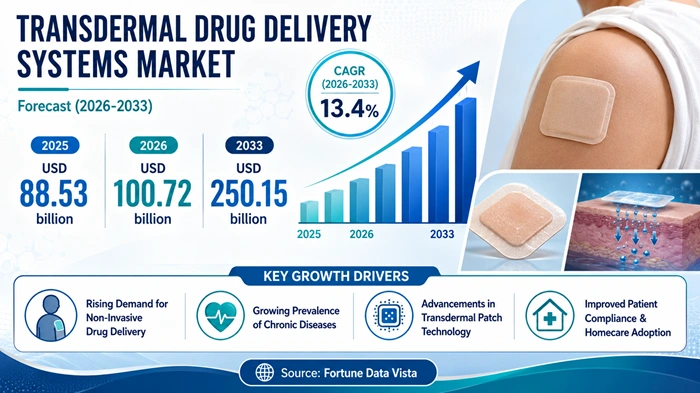
AI Impact on the Transdermal Drug Delivery Systems Industry
Artificial intelligence is transforming transdermal drug delivery by accelerating formulation discovery, enabling personalized drug release modeling, and powering the next generation of smart wearable therapeutic devices that adapt in real time to patient physiology
Artificial intelligence is making significant inroads into the formulation development pipeline of transdermal drug delivery systems. Identifying the right combination of permeation enhancers, polymer matrices, pressure-sensitive adhesives, and active pharmaceutical ingredients for a new patch formulation has historically required years of empirical laboratory work and iterative testing. AI-driven molecular modeling and machine learning-based formulation screening tools can now predict skin permeability coefficients, membrane diffusion characteristics, and drug release profiles for thousands of candidate formulation combinations within hours — dramatically compressing the pre-clinical development timeline. For pharmaceutical companies targeting the high-value biologics and macromolecule delivery frontier, where skin permeation is especially challenging, AI-assisted rational formulation design is already proving commercially invaluable by identifying viable chemical permeation enhancer combinations that would not have emerged from conventional high-throughput screening approaches alone.
At the device and patient-interface level, AI is enabling a new generation of smart transdermal therapeutic systems that go far beyond the passive drug release of conventional patches. Wearable biosensor-integrated microneedle arrays and iontophoresis devices equipped with AI algorithms can now monitor real-time biomarker concentrations in interstitial fluid — such as glucose, cortisol, or lactate — and dynamically adjust drug delivery rates in response to measured physiological signals. This closed-loop capability is particularly transformative for applications like insulin delivery in diabetes management and corticosteroid delivery in inflammatory conditions, where maintaining drug concentrations within a narrow therapeutic window is critical to clinical outcomes. As miniaturized electronics, flexible substrate materials, and edge-computing AI models converge, the transdermal drug delivery systems market is moving steadily toward a future where patches are not merely passive drug reservoirs but active, personalized therapeutic devices.
Growth Factors
The global shift toward non-invasive drug delivery, the chronic disease epidemic demanding long-term medication management, and a wave of formulation and device innovations expanding the range of deliverable drugs are converging to generate exceptional and sustained growth across the transdermal drug delivery systems market through 2033
The single most powerful growth driver for the transdermal drug delivery systems market is the escalating global burden of chronic diseases requiring long-term pharmacotherapy. Conditions including cardiovascular disease, diabetes, chronic pain syndromes, Alzheimer's disease, Parkinson's disease, hormonal deficiency disorders, and smoking addiction collectively affect hundreds of millions of patients globally — all requiring consistent, well-tolerated, and adherence-friendly medication regimens over months to years. Transdermal delivery systems are uniquely suited to this clinical need: they provide continuous drug release over 24 to 168-hour intervals, eliminate the peak-and-trough concentration fluctuations of oral dosing, and can be self-applied without clinical supervision. As aging global populations drive higher chronic disease incidence — particularly in North America, Europe, and rapidly aging Asia Pacific economies — the fundamental demand base for transdermal patches, gels, and advanced skin delivery systems grows proportionally and reliably.
The second major growth engine is the rapid expansion of technologies capable of delivering an increasingly broad range of drug molecules through the skin. Traditional passive transdermal patches are limited to small, lipophilic, low-molecular-weight drugs, which historically constrained the market to a relatively narrow set of therapeutic applications. The commercialization of active transdermal technologies — including microneedle arrays, iontophoresis systems, electroporation devices, and ultrasound-mediated delivery platforms — is dismantling these molecular weight and hydrophilicity barriers, enabling transdermal delivery of peptides, proteins, vaccines, and even large molecular weight biologics. Several insulin delivery programs using dissolving microneedle arrays are in advanced clinical development, and the first commercial transdermal vaccine delivery products using hollow microneedle technology have already received regulatory approval in select markets. Each new drug class successfully adapted to transdermal delivery represents a significant market expansion event — adding new therapeutic categories, patient populations, and commercial revenue streams to the already substantial and growing transdermal drug delivery systems market.
Market Outlook
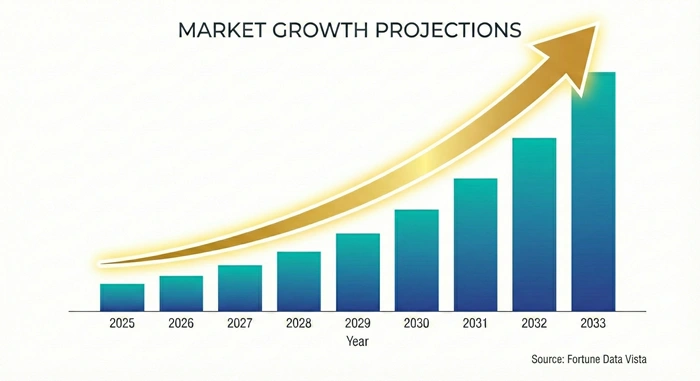
With a trajectory toward USD 250.15 billion by 2033 and a CAGR of 13.4% that outpaces the broader pharmaceutical market, the transdermal drug delivery systems market is one of the most strategically important and rapidly evolving segments in global drug formulation and delivery technology
The medium-to-long-term market outlook for transdermal drug delivery systems is strongly positive across all major geographic and product dimensions. Growing at a CAGR of 13.4% through 2033, the market will nearly triple in value from its 2026 base — reflecting both the sustained expansion of established patch markets for pain, hormonal therapy, and CNS conditions, and the accelerating commercialization of next-generation active delivery platforms for biologics, vaccines, and personalized therapeutics. North America will maintain its dominant market position, anchored by strong chronic disease prevalence, well-established reimbursement frameworks for branded transdermal products, and an exceptionally active pharmaceutical innovation ecosystem generating new transdermal patch approvals and device technology commercial launches. Asia Pacific, led by China and India, will be the fastest-growing region, driven by rapidly expanding healthcare access, generic transdermal patch market growth, and growing domestic demand for non-invasive drug delivery solutions across an aging population base.
Product innovation and pipeline activity are the most important determinants of the market's above-average growth trajectory. The global pharmaceutical pipeline contains over 250 active transdermal drug delivery development programs — spanning pain management, CNS therapy, diabetes, contraception, hormone replacement, and cardiovascular disease management. Among these, the microneedle-based delivery platform is attracting the most intense R&D investment, with clinical programs advancing for influenza vaccines, insulin, parathyroid hormone, and biologic agents. Contract development and manufacturing organizations (CDMOs) specializing in transdermal formulation and patch manufacturing are also scaling their capacity and capabilities to meet growing outsourcing demand from both large pharmaceutical companies and innovative biotech developers. This combination of pipeline breadth, technology innovation, and manufacturing infrastructure expansion sets the transdermal drug delivery systems market on a compelling and durable growth trajectory through 2033.
Expert Speaks
-
"Patient adherence is one of the most critical and chronically underestimated challenges in pharmaceutical therapy, and transdermal delivery systems address this challenge more effectively than almost any other delivery modality for appropriate indications. We are actively expanding our transdermal patch portfolio across pain, CNS, and hormonal therapy categories because we believe that patients and prescribers will increasingly favor convenient, non-invasive delivery formats as the healthcare system places greater emphasis on outcomes and quality of life." — CEO perspective, leading global pharmaceutical company with a major transdermal patch portfolio
-
"Microneedle technology represents the most exciting frontier in drug delivery science right now — it is genuinely transformative because it removes the skin's stratum corneum as a delivery barrier without the patient discomfort or clinical overhead of conventional injection. We are committed to investing in the development, manufacturing scale-up, and regulatory pathway for our microneedle-based biologic and vaccine delivery platforms because we are convinced this technology will redefine the addressable market for transdermal delivery within the next decade." — CEO perspective, innovative pharmaceutical and medical device company focused on advanced drug delivery platforms
-
"The global pharmaceutical market's growing demand for non-invasive, patient-centric delivery solutions is one of the most powerful commercial trends we are responding to across our entire business. Transdermal systems — from established patch formats to next-generation wearable smart delivery devices — are central to our strategic roadmap for growing our drug delivery technology business, and we are accelerating both internal R&D and external partnership activity in this space." — CEO perspective, multinational specialty pharmaceutical and CDMO company
Key Report Takeaways
-
North America leads the global transdermal drug delivery systems market, holding approximately 38% of total revenue share in 2025, driven by the highest per-capita adoption of branded transdermal patches for pain management, hormone replacement therapy, and CNS conditions, well-developed pharmaceutical reimbursement frameworks, and an exceptionally active drug delivery innovation ecosystem generating new FDA-approved products annually.
-
Asia Pacific is the fastest-growing regional market, expected to register the highest CAGR through 2033, supported by rapidly expanding healthcare infrastructure and insurance coverage, growing elderly population requiring long-term non-invasive medication management, rising generic transdermal patch production in India and China, and increasing domestic pharmaceutical R&D investment in advanced skin delivery technologies.
-
Transdermal patches are the dominant product type, accounting for approximately 65.4% of global market revenue in 2025, as they remain the most commercially mature and widely prescribed transdermal drug delivery format globally — spanning a broad therapeutic range including fentanyl and lidocaine for pain, estradiol and testosterone for hormone therapy, nicotine for smoking cessation, rivastigmine for Alzheimer's disease, and scopolamine for motion sickness.
-
Pain management is the largest application segment, contributing over 31.4% of global market revenue in 2025, given the enormous and growing global burden of acute and chronic pain — from postoperative care to cancer pain, osteoarthritis, and neuropathic pain — for which transdermal opioid, NSAID, and local anesthetic patch formulations offer clinically proven, sustained-release delivery advantages over oral analgesics.
-
Passive delivery technology dominates the overall technology segment, holding the largest share due to the established commercial maturity of matrix and reservoir patch formats across all major therapeutic categories, but active delivery technologies — particularly microneedle systems and iontophoresis — are the fastest-growing sub-category, expected to grow at a CAGR exceeding 17% through 2033.
-
Microneedle-based systems are the fastest-growing product type, anticipated to deliver the highest CAGR through 2033 as clinical validation of microneedle-delivered vaccines, biologics, and peptides accelerates, manufacturing scale-up capabilities advance, and the first commercial microneedle vaccine and insulin delivery products reach global markets — expanding the addressable therapeutic scope of transdermal delivery into categories previously exclusive to injectable administration.
-
The CNS disorders/neurological conditions application segment is the fastest-growing therapeutic area, driven by growing clinical adoption of transdermal rotigotine (Neupro) for Parkinson's disease, rivastigmine (Exelon) for Alzheimer's, buprenorphine (Butrans) for chronic pain with opioid-dependent overlap, and an active pipeline of transdermal antidepressant, antiepileptic, and cognitive enhancer formulations targeting the rapidly growing global neurology and psychiatry patient market.
Market Scope
| Parameter | Details |
|---|---|
| Market Size by 2033 | USD 250.15 Billion | Market Size by 2026 | USD 100.72 Billion | Market Size by 2025 | USD 88.53 Billion | Market Growth Rate from 2026 to 2033 | CAGR of 13.4% | Dominating Region | North America | Fastest Growing Region | Asia Pacific | Segments Covered | Product Type, Technology, Application, Drug Type, End User, Distribution Channel | Regions Covered | North America, Europe, Asia Pacific, Latin America, Middle East & Africa |
Market Dynamics
Drivers Impact Analysis
The chronic disease epidemic, patient demand for non-invasive drug administration, rapid advances in skin permeation technology, and the expanding pipeline of transdermal biologics and vaccine delivery platforms are collectively generating an exceptionally powerful multi-layered growth engine for the transdermal drug delivery systems market through 2033
| Driver | ≈ % Impact on CAGR Forecast | Geographic Relevance | Impact Timeline |
|---|---|---|---|
| Rising chronic disease prevalence demanding long-term, adherence-friendly therapies | ~30% | Global, especially North America, Europe | Short to Long Term |
| Patient and clinician preference for non-invasive drug administration | ~25% | Global | Short to Long Term |
| Technology advances enabling transdermal delivery of biologics/vaccines via microneedles | ~22% | North America, Europe, Asia Pacific | Medium to Long Term |
| Growth in hormone replacement therapy and CNS disease treatment demand | ~15% | North America, Europe | Short to Long Term |
| Aging global populations requiring geriatric-appropriate drug delivery formats | ~8% | Asia Pacific, North America, Europe | Short to Long Term |
The chronic disease burden driving the transdermal drug delivery systems market is both massive in current scale and structurally growing over the forecast period. Chronic pain affects over 1.5 billion people globally and is the most prevalent indication for transdermal patch therapy — encompassing opioid patches for cancer and severe chronic pain, NSAID-loaded patches for osteoarthritis and musculoskeletal pain, and local anesthetic patches for neuropathic pain syndromes. The World Health Organization's projection that chronic non-communicable diseases will account for 89% of all deaths by 2030 underscores the scale and durability of the demand base for long-term, convenient pharmacotherapy — a clinical need that transdermal delivery systems are uniquely well-positioned to address. As medication adherence becomes an increasingly prominent clinical quality metric in chronic disease management — with non-adherence estimated to cost global healthcare systems over USD 500 billion annually — the adherence advantages of once- or twice-weekly transdermal patch dosing versus daily oral regimens represent a compelling clinical and health economic argument that is driving prescriber preference and payer support for transdermal formulations.
Technological advancement is simultaneously expanding the commercial opportunity in the transdermal drug delivery systems market by breaking down the molecular barriers that historically limited which drugs could be delivered through the skin. Microneedle platforms — including solid, coated, dissolving, and hollow microneedle array designs — are the most commercially promising of the active delivery technologies, offering skin penetration that is both painless and effective at delivering drug molecules that conventional passive patches cannot move across the stratum corneum. The breadth of clinical programs using microneedle platforms is remarkable: influenza and COVID-19 vaccination, insulin delivery for diabetes, parathyroid hormone for osteoporosis, and monoclonal antibodies for dermatological and systemic inflammatory conditions are all in active development. The first commercial regulatory approvals in this space — Zosano Pharma's microneedle patch for migraine and Micron Biomedical's vaccine delivery programs — are establishing the clinical and regulatory precedents that will accelerate the commercialization of subsequent programs across the broad microneedle-based TDDS pipeline.
Restraints Impact Analysis
Limited skin permeability for high-molecular-weight drugs and biologics, skin irritation and sensitization concerns with long-term patch use, and the high development and manufacturing costs of advanced transdermal systems are creating meaningful headwinds that are moderating growth pace within specific segments of the transdermal drug delivery systems market
| Restraint | ≈ % Impact on CAGR Forecast | Geographic Relevance | Impact Timeline |
|---|---|---|---|
| Skin permeability barriers limiting deliverable drug range for passive systems | ~40% | Global | Short to Long Term |
| Skin irritation, sensitization, and contact dermatitis from prolonged patch use | ~35% | Global | Short to Long Term |
| High R&D and manufacturing costs for advanced active delivery platforms | ~25% | All markets | Medium to Long Term |
The most fundamental technical restraint in the transdermal drug delivery systems market is the skin's own highly efficient barrier function — particularly the stratum corneum, whose tightly packed corneocyte and lipid bilayer architecture is biologically designed to prevent the entry of foreign substances, including drug molecules. For passive transdermal delivery, only drugs with specific physicochemical properties — molecular weight below approximately 500 Daltons, adequate lipophilicity with log P between 1 and 3, and low melting point — can permeate the stratum corneum in therapeutically relevant quantities without chemical or physical enhancement. This constrains passive patch development to a relatively limited subset of molecules, excluding most peptides, proteins, hydrophilic drugs, and large molecular weight compounds. While active enhancement technologies are progressively widening this window, their development complexity, device cost, and patient usability requirements add substantial commercial barriers to mainstream adoption.
Skin tolerability is the second major restraint, particularly for products used in long-term chronic disease management. Adhesive-related skin reactions — including contact dermatitis, erythema, pruritus, and folliculitis — are among the most common adverse events reported with transdermal patch therapy and represent the most frequent reason for treatment discontinuation in real-world use. These reactions are driven by the chemical composition of pressure-sensitive adhesives, chemical permeation enhancers, and inactive excipients in patch formulations. Developing adhesive and formulation systems that maintain strong skin adhesion across diverse skin types, temperature ranges, and activity levels — without causing local irritation — is a persistent pharmaceutical science challenge that requires significant formulation expertise and patient testing investment. Regulatory agencies including the FDA require extensive skin sensitization and irritation testing in clinical studies, adding to the development cost and timeline for new transdermal products.
Opportunities Impact Analysis
The convergence of microneedle-enabled biologic and vaccine delivery, personalized smart wearable transdermal devices, and the vast untapped potential of transdermal delivery in Asia Pacific's emerging pharmaceutical markets represents a powerful and multi-dimensional opportunity landscape for the transdermal drug delivery systems market through 2033
| Opportunity | ≈ % Impact on CAGR Forecast | Geographic Relevance | Impact Timeline |
|---|---|---|---|
| Microneedle-based vaccine and biologic delivery commercialization | ~38% | North America, Europe, Asia Pacific | Medium to Long Term |
| Smart wearable transdermal devices with closed-loop biosensing and AI | ~28% | North America, Europe | Long Term |
| Expansion of generic transdermal patch market in Asia Pacific and Latin America | ~22% | Asia Pacific, Latin America | Short to Medium Term |
| Transdermal CNS drug delivery for Alzheimer's, Parkinson's, and psychiatric conditions | ~12% | North America, Europe | Medium to Long Term |
The most commercially transformative opportunity available to the transdermal drug delivery systems market over the forecast period is the clinical and commercial validation of microneedle-based platforms for vaccine and biologic delivery. If dissolving or hollow microneedle patches achieve broad regulatory acceptance as a viable vaccine administration route — supported by accumulating clinical evidence from influenza, HPV, and COVID programs — the scale of opportunity is extraordinary. Vaccination programs requiring hundreds of millions of doses annually could potentially shift a meaningful proportion of administration from needle-and-syringe injection to self-administered skin patches — dramatically expanding vaccine uptake rates in settings where needle phobia, healthcare worker shortages, or cold chain limitations constrain conventional injection programs. For biopharmaceutical companies and CDMO partners investing in microneedle manufacturing capabilities today, securing first-mover commercial positions in this space represents a multi-decade competitive advantage of potentially enormous scale.
The emergence of smart, AI-integrated wearable transdermal devices represents the second transformative opportunity frontier. The convergence of flexible biosensor arrays, biodegradable and skin-conformable substrate materials, real-time IoT connectivity, and AI-driven dosing algorithms is enabling the development of transdermal systems that function as bidirectional therapeutic and diagnostic platforms — simultaneously monitoring biomarkers and adjusting drug delivery in a closed-loop manner. Applications in insulin delivery, pain management, hormone regulation, and inflammatory disease treatment could benefit dramatically from this closed-loop precision dosing capability. While these next-generation platforms are still in early to mid-stage clinical development, the pace of technology convergence is accelerating, and the commercial value they promise is generating substantial venture capital investment and strategic partnership activity that will shape the competitive landscape of the transdermal drug delivery systems market through 2033 and beyond.
Segment Analysis
By Product Type: Transdermal Patches
Transdermal patches have established an unassailable commercial dominance as the most clinically proven, broadly prescribed, and commercially mature product format in the transdermal drug delivery systems market — and their leadership is being sustained and strengthened by continuous formulation innovation and expanding therapeutic applications
Transdermal patches represent the largest product type segment in the transdermal drug delivery systems market, holding approximately 65.4% of global revenue share in 2025 and growing at a CAGR of approximately 12.8% through 2033. This segment encompasses matrix patches, reservoir patches, multi-layer drug-in-adhesive patches, and vapor patches — ranging from the highly commoditized nicotine replacement patch to premium branded formulations including fentanyl patches for cancer pain management, selegiline (EMSAM) for major depression, rotigotine (Neupro) for Parkinson's and restless legs syndrome, and buprenorphine (Butrans) for chronic pain. Their dominance reflects decades of clinical use, established regulatory approval pathways, well-developed manufacturing infrastructure, and strong prescriber familiarity across multiple therapeutic specialties. North America commands the largest geographic share of the patch segment, accounting for approximately 38% of global patch revenue, driven by broad formulary access for brand-name and generic patch products, strong physician prescribing in pain management and HRT, and the highest per-capita use of fentanyl transdermal patches globally among developed markets. Key companies dominating this segment include Hisamitsu Pharmaceutical, Novartis, Teva Pharmaceutical, Mylan (Viatris), and LTS Lohmann Therapy Systems.
Europe is the second-largest patch segment geography, with Germany, France, and the UK generating significant branded and generic transdermal patch sales across pain, hormonal therapy, and CNS therapeutic categories. The European patch market is being influenced by growing physician and patient preference for hormone therapy patch formats over oral HRT — particularly estradiol patches — as European menopause management guidelines increasingly favor transdermal estrogen delivery for its more favorable venous thromboembolism and stroke risk profile compared to oral formulations. In Asia Pacific, the patch segment is growing at the fastest regional pace, driven by Japan's deep domestic market for temperature-sensitive analgesic patches — where Hisamitsu's Salonpas brand is among the most widely sold OTC patch products globally — and by rapidly growing prescription patch adoption across China and India for pain management and chronic disease treatment. The patch segment will continue to generate the majority of total transdermal drug delivery systems market revenue through 2033, sustained by both established commercial categories and an active pipeline of new patch-based formulations in CNS, metabolic disease, and oncology pain management.
By Application: Pain Management
Pain management has established the transdermal drug delivery format as a clinically indispensable and commercially dominant therapeutic modality — and the global chronic pain epidemic ensures this segment will remain the largest revenue driver in the transdermal drug delivery systems market for the full forecast period
The pain management application segment holds the largest revenue share in the transdermal drug delivery systems market, contributing approximately 31.4% of global market revenue in 2025, and growing at a CAGR of approximately 13.1% through 2033. This dominance reflects the extraordinary clinical value that transdermal delivery provides in pain management — particularly for chronic pain patients who benefit from continuous, 24-to-72-hour drug release profiles that maintain steady analgesic plasma levels without the peak-and-trough fluctuations of oral opioids or the GI side effects that limit oral NSAID tolerability. Products including fentanyl transdermal patches, diclofenac topical gels (Voltaren), lidocaine patches (Lidoderm), and buprenorphine patches are among the most widely prescribed pain management products globally and represent the commercial bedrock of the transdermal pain management segment. North America leads this application segment, accounting for the largest share driven by the highest per-capita prescription of transdermal opioid patches globally, strong payer reimbursement, and active prescribing by pain management specialists, oncologists, and palliative care physicians at major academic and community health systems. Leading companies including Hisamitsu Pharmaceutical, Teva, Janssen (J&J), Purdue Pharma, and Mundipharma dominate the commercial landscape in this segment.
Europe is a significant contributor to pain management patch segment revenue, particularly in oncology-related pain management where fentanyl and buprenorphine transdermal patches are guideline-recommended therapy for moderate-to-severe cancer pain. The shift toward non-opioid transdermal analgesic options — including diclofenac and flurbiprofen patches — is also accelerating in European markets under opioid reduction initiatives from national health authorities, creating growing demand for well-tolerated NSAID-based transdermal formulations. Asia Pacific is the fastest-growing region within the pain management segment, led by Japan's highly developed OTC topical analgesic patch market — the largest in the world by volume — and by rapidly growing prescription transdermal pain therapy adoption across Chinese and Indian hospital pharmacy networks. The segment will remain the single largest application category in the transdermal drug delivery systems market through 2033, supported by the chronic nature of pain conditions, strong clinical evidence for transdermal analgesic efficacy, and an active pipeline of novel transdermal pain agents in late-stage clinical development.
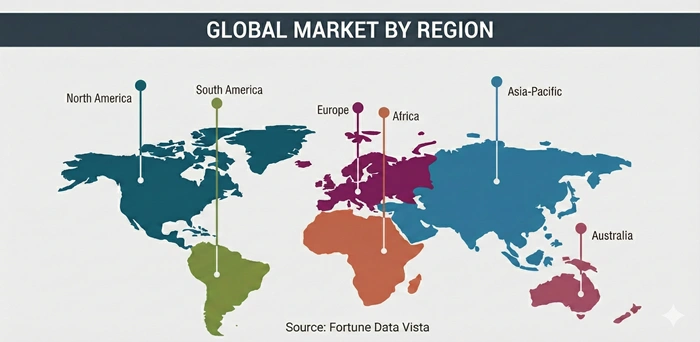
Regional Insights
North America
North America's combination of the highest chronic disease burden among developed economies, the most mature and innovation-rich pharmaceutical ecosystem, and well-developed reimbursement frameworks for transdermal products firmly establishes it as the global revenue leader in the transdermal drug delivery systems market
North America dominates the transdermal drug delivery systems market, accounting for approximately 38% of global revenue share in 2025, with a regional CAGR of approximately 13.1% projected through 2033. The United States is the largest single country market globally, generating the majority of regional revenue through strong prescription volumes for branded transdermal patches across pain management, hormone replacement therapy, smoking cessation, CNS disorders, and cardiovascular disease management. The FDA's well-defined regulatory pathways for both transdermal NDA and ANDA (generic patch) submissions have created a commercially active and highly competitive marketplace — supporting both premium branded innovation and robust generic market development. Key companies with dominant North American transdermal market positions include Hisamitsu Pharmaceutical, Novartis, Teva Pharmaceutical, Noven Pharmaceuticals (now part of LUYE Pharma), Amneal Pharmaceuticals, and Corium Inc. — which collectively supply the majority of the large-volume generic and branded patch categories in the U.S. market.
Canada contributes a meaningful share of North American market revenue, with Health Canada's regulatory frameworks closely aligned with FDA standards, enabling efficient dual-market product strategies for companies seeking simultaneous U.S. and Canadian commercialization. North America's R&D landscape for advanced transdermal systems is particularly active, with numerous biotechnology and drug delivery companies — including Zosano Pharma, Clearside Biomedical, and Verve Medical — advancing clinical programs in microneedle delivery, iontophoresis-based biologics, and smart wearable therapeutic systems. The continued growth of home-based and self-administered care — accelerated by the COVID-19 pandemic's lasting impact on patient behavior — is generating strong tailwinds for transdermal patches and devices that can be safely and effectively self-managed without clinical supervision, further reinforcing North America's commercial leadership position in the market through 2033.
Asia Pacific
Asia Pacific's rapidly aging population, explosive growth in prescription pharmaceutical access, world-leading OTC analgesic patch market centered in Japan, and rapidly scaling generic transdermal manufacturing in India and China are establishing the region as the most dynamic and fastest-growing geography in the global transdermal drug delivery systems market
Asia Pacific is the fastest-growing region in the transdermal drug delivery systems market, expected to register a regional CAGR of approximately 15.1% through 2033, driven by a compelling combination of demographic, economic, and pharmaceutical market development factors. Japan holds the largest country market share within the region, underpinned by its world-leading OTC topical analgesic patch sector — with Hisamitsu Pharmaceutical's Salonpas brand alone generating over USD 1 billion in annual global sales — and by a growing prescription transdermal market spanning pain, Alzheimer's disease (rivastigmine patches), and Parkinson's disease (rotigotine patches) indications. China is the most rapidly growing individual country market, driven by expanding National Reimbursement Drug List (NRDL) inclusion of transdermal formulations, growing hospital pharmacy prescription volumes, aging population demographics, and active investment in domestic transdermal CDMO manufacturing capacity to serve both domestic and export market demand. India's rapidly expanding pharmaceutical manufacturing sector — including a growing number of FDA-compliant transdermal patch manufacturing facilities from companies including Zydus Lifesciences, Sun Pharmaceutical Industries, and Lupin — is generating both domestic market growth and export competitiveness in the global generic patch market.
South Korea and Australia contribute significant premium-market revenue within Asia Pacific, with advanced healthcare systems that reimburse a broad range of transdermal therapeutic products and growing clinical research activity in next-generation transdermal delivery platforms. Southeast Asian markets — including Thailand, Vietnam, and Indonesia — are at earlier stages of transdermal adoption but are experiencing rapid growth in OTC analgesic patch availability and growing physician prescription of transdermal hormonal and CNS therapies as healthcare coverage and access expand. The Asia Pacific region's combination of massive, rapidly growing patient populations, improving reimbursement infrastructure, expanding generic manufacturing capacity, and active R&D investment across Japan, South Korea, China, and India makes it the most commercially compelling long-term growth market in the global transdermal drug delivery systems market through and beyond 2033.
Report Customization Available
Get a Fully Customized Transdermal Drug Delivery Systems Market Report for Your Target Region or Country
Our transdermal drug delivery systems market report is available with complete region-specific and country-level customization to precisely match your strategic research and business intelligence needs. Each tailored report delivers in-depth market sizing, product-type and application-specific demand analysis, regulatory pathway and reimbursement environment reviews, competitive landscape profiling, manufacturing capacity assessment, and growth opportunity mapping — all calibrated to reflect the specific commercial dynamics of your chosen geography and therapeutic focus area.
Customized transdermal drug delivery systems market reports are available for the following regions and countries:
North America
-
United States – Deep-dive analysis of FDA regulatory pathways for transdermal NDA/ANDA submissions, branded vs. generic patch market dynamics, reimbursement frameworks, microneedle and wearable device pipeline activity, and leading company profiles including Hisamitsu, Novartis, Teva, Corium, and Noven
-
Canada – Coverage of Health Canada regulatory alignment, provincial drug formulary access for transdermal products, OTC analgesic patch market, and domestic pharmaceutical distribution landscape
-
Mexico – Analysis of growing pharmaceutical market access for transdermal products, COFEPRIS regulatory environment, hospital and retail pharmacy distribution dynamics, and pain management segment growth
Europe
-
United Kingdom – Detailed coverage of MHRA regulatory framework, NHS formulary access for transdermal pain and HRT patches, NICE guideline influence on prescribing, and UK transdermal pharmaceutical distribution landscape
-
Germany – In-depth analysis of GBA reimbursement framework, Germany's major transdermal patch manufacturers and CDMO sector including LTS Lohmann, Tesa Labtec, and Beiersdorf, and growing prescription patch market
-
France – Coverage of HAS regulatory and reimbursement environment, transdermal HRT market growth under updated menopause guidelines, pain management patch prescribing trends, and leading supply chain dynamics
-
Italy – Insights on AIFA regulatory landscape, analgesic and hormonal transdermal patch market, pharmaceutical distributor network, and growing chronic disease management segment
-
Rest of Europe – Aggregated coverage of Spain, Netherlands, Belgium, and Scandinavian markets, with focus on HRT patch adoption growth, generic transdermal market development, and microneedle platform R&D activity
Asia Pacific
-
China – Comprehensive analysis of NMPA regulatory landscape, NRDL transdermal formulary expansion, domestic CDMO manufacturing growth, Hisamitsu and Luye Pharma market positions, and rapidly growing prescription patch sector
-
India – Coverage of CDSCO regulatory framework, FDA-compliant Indian transdermal CDMO sector (Zydus, Sun Pharma, Lupin), domestic pain and hormonal patch market, and growing export competitiveness in global generic patch supply
-
Japan – In-depth analysis of PMDA regulatory environment, world-leading OTC analgesic patch market, Hisamitsu's Salonpas dominance, prescription patch sector for CNS and pain indications, and advanced TDDS R&D activity
-
South Korea – Coverage of MFDS regulatory landscape, analgesic and hormonal transdermal patch market, leading Korean pharmaceutical company TDDS activities, and growing generic patch production
-
Australia – Insights on TGA regulatory framework, PBS-reimbursed transdermal product access, chronic pain and HRT patch prescribing trends, and clinical research activity in advanced TDDS platforms
-
Rest of Asia Pacific – Market analysis for Vietnam, Thailand, Indonesia, and other Southeast Asian markets, covering OTC analgesic patch growth, expanding pharmaceutical access, and generic transdermal product adoption
Latin America
-
Brazil – Analysis of ANVISA regulatory environment, growing pain management and HRT transdermal patch market, domestic pharmaceutical distribution network, and generic TDDS market development
-
Argentina – Coverage of transdermal pharmaceutical market dynamics, regulatory landscape, growing chronic disease management demand, and competitive pharmaceutical supplier landscape
-
Rest of Latin America – Insights covering Colombia, Chile, Peru, and Mexico's growing transdermal analgesic and hormonal patch market development
Middle East & Africa
-
UAE – Coverage of MOH regulatory environment, premium private hospital transdermal therapeutics market, pharmaceutical import distribution dynamics, and growing OTC analgesic patch demand
-
Saudi Arabia – Analysis of Saudi FDA regulatory landscape, Vision 2030 healthcare expansion impact on transdermal drug access, growing chronic pain and HRT market, and leading pharmaceutical distributor profiles
-
Rest of MEA – Insights covering South Africa, Egypt, Turkey, and broader MEA markets with growing analgesic, hormonal, and CNS transdermal patch access across expanding public and private healthcare systems
Top Key Players
-
Hisamitsu Pharmaceutical Co., Inc. (Japan)
-
Novartis AG (Switzerland)
-
Teva Pharmaceutical Industries Ltd. (Israel)
-
Viatris Inc. (Mylan) (United States)
-
Bayer AG (Germany)
-
Johnson & Johnson (Janssen Pharmaceuticals) (United States)
-
Nitto Denko Corporation (Japan)
-
LTS Lohmann Therapy Systems AG (Germany)
-
Corium Inc. (United States)
-
Noven Pharmaceuticals (LUYE Pharma) (United States / China)
-
Boehringer Ingelheim GmbH (Germany)
-
GlaxoSmithKline plc (United Kingdom)
-
Amneal Pharmaceuticals LLC (United States)
-
Antares Pharma, Inc. (United States)
-
Pantec Biosolutions AG (Liechtenstein)
Recent Developments
-
In February 2025, Hisamitsu Pharmaceutical Co., Inc. announced the expansion of its global Salonpas transdermal analgesic patch distribution network into five additional Southeast Asian markets — Indonesia, Vietnam, Malaysia, the Philippines, and Thailand — as part of its strategic initiative to capture the rapidly growing OTC pain management market across Asia Pacific. The expansion was supported by new regional manufacturing partnerships and an increased marketing investment targeting both retail pharmacy and e-commerce distribution channels across the region.
-
In March 2025, Novartis AG received expanded FDA approval for an updated formulation of its Exelon (rivastigmine) transdermal patch system for use in severe Alzheimer's disease patients, extending the product's approved indication and supporting its position as the leading transdermal CNS therapy product globally. The approval was based on Phase IIIb clinical trial data demonstrating cognitive stabilization benefits in the severe Alzheimer's population, with a favorable tolerability profile that was consistent with the patch format's established clinical history.
-
In October 2024, Teva Pharmaceutical Industries announced a strategic partnership with Corium Inc. to co-develop and commercialize a pipeline of next-generation extended-wear transdermal patches using Corium's proprietary CORPLEX polymer matrix technology platform. The collaboration targets the development of novel seven-day wear formulations in pain management, CNS, and hormonal therapy categories — aimed at further improving patient adherence through reduced dosing frequency and enhanced skin tolerability compared to existing three-day patch formats.
-
In 2024, LTS Lohmann Therapy Systems AG completed a significant capacity expansion at its Andernach, Germany manufacturing facility, adding new high-speed transdermal lamination and die-cutting lines capable of producing over 200 million additional patches annually. The investment was made in response to growing CDMO outsourcing demand from both European and U.S.-based pharmaceutical companies seeking to scale transdermal patch manufacturing for newly approved and pipeline products across pain, HRT, and CNS therapeutic categories.
-
In December 2024, Noven Pharmaceuticals (LUYE Pharma) announced the U.S. commercial launch of its novel low-dose 17β-estradiol transdermal spray product for menopausal symptom management, offering a needle-free, alcohol-based metered spray delivery alternative to conventional patch formats for women seeking greater application flexibility. The launch was supported by Phase III clinical data demonstrating bioequivalence to patch-based estradiol delivery and a significantly improved skin tolerability profile in patients with adhesive sensitivity.
Market Trends
The transition from passive patch formats to sophisticated active and smart transdermal delivery platforms, combined with the rapid expansion of transdermal systems into biologics, vaccines, and CNS therapeutics, are defining the innovation and commercial trajectory of the transdermal drug delivery systems market through 2033
The most commercially consequential trend reshaping the transdermal drug delivery systems market is the accelerating shift from passive diffusion-based patch delivery toward technology-enhanced active delivery platforms that are capable of delivering a dramatically broader range of drug molecules through the skin. Microneedle arrays — particularly dissolving and hollow formats — are at the vanguard of this transition, with clinical programs advancing in vaccine delivery, insulin administration, and biologic therapy that would represent transformative commercial expansions of the TDDS addressable market if regulatory approval is achieved. Concurrently, iontophoresis devices for insulin, calcitonin, and anti-inflammatory biologics are in late-stage clinical development, while electroporation-based delivery is demonstrating promising DNA vaccine applications. Each successful clinical validation of active delivery technology adds a new drug class and patient population to the commercial scope of the transdermal delivery market — reinforcing the above-market CAGR that the sector is expected to sustain through 2033.
The second major trend — personalization and digital integration — is converging with transdermal delivery technology to create an entirely new commercial category: smart wearable therapeutic systems. Start-ups and established companies are developing flexible electronic transdermal devices that integrate biosensors, microprocessors, drug reservoirs, and wireless connectivity into thin, skin-conformable formats that can be worn continuously for days at a time. These devices can measure interstitial glucose, lactate, cortisol, or other biomarkers in real time while simultaneously adjusting the rate of transdermal drug delivery — enabling a level of therapeutic precision that neither conventional patches nor oral medications can approach. The commercial and clinical potential of this approach — particularly for diabetes management, pain control, and psychiatric medication delivery — is attracting major investment from pharmaceutical companies, medical device manufacturers, and digital health investors alike, signaling that personalized smart transdermal devices will be one of the defining commercial categories within the market in the decade ahead.
Segments Covered in the Report
-
By Product Type
-
Transdermal Patches
-
Reservoir Patches
-
Matrix Patches
-
Multi-Layer Drug-in-Adhesive Patches
-
Vapor Patches
-
-
Transdermal Gels & Creams
-
Transdermal Sprays
-
Microneedle-Based Systems (Solid, Coated, Dissolving, Hollow)
-
Iontophoresis Systems
-
Electroporation Systems
-
Ultrasound-Based Systems (Sonophoresis)
-
-
By Technology
-
Passive Delivery
-
Active Delivery
-
Microneedles
-
Iontophoresis
-
Electroporation
-
Sonophoresis
-
Jet Propulsion
-
-
-
By Application
-
Pain Management
-
Hormone Replacement Therapy (HRT)
-
Smoking Cessation
-
CNS Disorders / Neurological Conditions
-
Cardiovascular Diseases
-
Diabetes Management
-
Motion Sickness
-
Others (Contraception, Oncology, Dermatology)
-
-
By Drug Type
-
Small Molecules
-
Biologics / Macromolecules
-
-
By End User
-
Hospitals & Clinics
-
Homecare Settings
-
Ambulatory Surgical Centers
-
-
By Distribution Channel
-
Hospital Pharmacies
-
Retail Pharmacies
-
Online Pharmacies
-
-
By Region
-
North America (U.S., Canada, Mexico)
-
Europe (U.K., Germany, France, Italy, Rest of Europe)
-
Asia Pacific (China, India, Japan, South Korea, Australia, Rest of Asia Pacific)
-
Latin America (Brazil, Argentina, Rest of Latin America)
-
Middle East & Africa (UAE, Saudi Arabia, Rest of MEA)
-
❝ Built for Every Level — From Startups to Industry Giants ❞
Here Is Exactly How This Report Works for You
-
For Tier 1 pharmaceutical companies, CDMO leaders, and institutional investors: This report provides a granular competitor revenue analysis — breaking down product-level revenues, technology platform market share, and geographic commercial strategies for all 15 major players including Hisamitsu, Novartis, Teva, LTS Lohmann, and Corium. It also delivers a comprehensive assessment of how geopolitical and regulatory factors — including FDA generic patch approval backlogs, EU pharmaceutical pricing pressures, China's NRDL reimbursement expansion policies, and global supply chain disruption risks for patch raw materials — are directly reshaping the competitive dynamics and revenue structures of the transdermal drug delivery systems market, providing the intelligence for C-suite strategic decision-making with a level of confidence that internal research alone cannot achieve.
-
For Tier 2 pharmaceutical companies, specialty CDMO firms, and mid-tier medical device companies: This report identifies specific supply-demand mismatches across product types, technologies, and geographies — pinpointing where innovation gaps in advanced active delivery platforms, geographic underpenetration in Asia Pacific and Latin America, and manufacturing capacity shortfalls in microneedle and smart device production represent high-value investment and market entry opportunities. Competitor revenue source breakdowns reveal which product-technology-region combinations are generating the highest growth margins for market leaders, providing a clear strategic benchmark for product development prioritization and geographic expansion planning.
-
For startups, drug delivery technology investors, and biotech innovators: This report maps the highest-value commercial frontiers within the transdermal drug delivery systems market — including microneedle-based biologic and vaccine delivery, AI-integrated closed-loop wearable therapeutic devices, and CNS-targeted transdermal programs for neurological disorders — with detailed analysis of regulatory pathway readiness, competitive intensity, partnership activity, and commercial timeline. It provides the intelligence framework to identify, validate, and capitalize on the breakthrough innovation opportunities that will define the next generation of market leadership in the TDDS space through 2033 and beyond.
Frequently Asked Questions:
Answer: The global transdermal drug delivery systems market was valued at USD 88.53 billion in 2025 and is projected to reach approximately USD 250.15 billion by 2033. The market is expected to grow at a CAGR of 13.4% from 2026 to 2033, driven by rising chronic disease burden, growing patient preference for non-invasive drug delivery, and rapid innovation in microneedle and active delivery technologies.
Answer: Pain management is the largest application in the transdermal drug delivery systems market, contributing approximately 31.4% of global revenue in 2025, followed by hormone replacement therapy, smoking cessation, and CNS disorder management. The CNS disorders segment is the fastest-growing application category, driven by expanding use of Parkinson's disease, Alzheimer's disease, and psychiatric disorder treatment patches alongside a growing pipeline of new transdermal neurological therapies.
Answer: North America leads the transdermal drug delivery systems market with approximately 38% of global revenue share in 2025, supported by high chronic disease prevalence, strong branded transdermal patch reimbursement, and active pharmaceutical innovation ecosystems in the U.S. Asia Pacific is the fastest-growing region with an expected CAGR of approximately 15.1% through 2033, driven by Japan's dominant OTC analgesic patch market and rapidly expanding prescription transdermal product adoption in China and India.
Answer: Conventional transdermal patches use passive diffusion through the skin to deliver small, lipophilic drug molecules, limiting their applicability to a relatively narrow range of compounds with specific physicochemical properties. Microneedle systems physically penetrate the stratum corneum barrier using arrays of microscopic needles — creating temporary micropores that allow delivery of larger, more hydrophilic molecules including peptides, proteins, vaccines, and biologics that passive patches cannot deliver, making them the most commercially transformative technology in the transdermal drug delivery systems market.
Answer: The most significant challenge is the skin's stratum corneum barrier, which restricts passive transdermal delivery to a limited range of molecular types and sizes — requiring costly permeation enhancement strategies or active delivery technologies for broader drug applicability. Skin tolerability issues including contact dermatitis, adhesive sensitivity, and local irritation — particularly with long-term chronic disease patch use — represent additional development and regulatory hurdles that require extensive formulation optimization and human clinical testing to address adequately.