
Transformer Market Overview
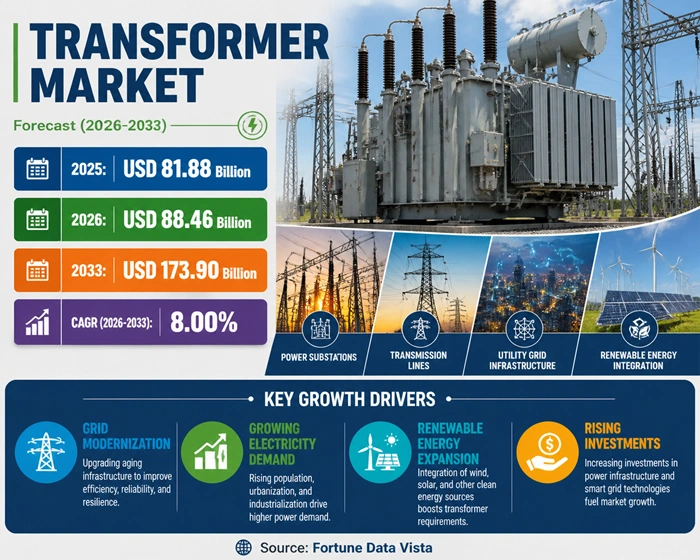
The global Transformer market size is valued at USD 81.88 billion in 2025 and is predicted to increase from USD 88.46 billion in 2026 to approximately USD 173.90 billion by 2033, growing at a CAGR of 8.00% from 2026 to 2033.
Transformers are fundamental electrical devices that transfer electrical energy between circuits through electromagnetic induction — stepping voltage levels up or down to enable safe and efficient electricity transmission, distribution, and end-use consumption. As the backbone of every power grid worldwide, transformers play an irreplaceable role in enabling the reliable delivery of electricity from generation sources to homes, businesses, industries, and critical infrastructure. The Transformer market is experiencing its most dynamic growth period in decades — driven by large-scale grid modernization investment, the global renewable energy transition, surging data center power infrastructure demand, and accelerating electrification of transportation and industrial systems across both developed and emerging economies.
AI Impact on the Transformer Industry
Artificial Intelligence Is Transforming Transformer Design Optimization, Predictive Maintenance, Grid Load Management, and Smart Substation Operations in Ways That Are Meaningfully Improving Grid Reliability, Asset Longevity, and Energy Efficiency*
Artificial intelligence is making a significant and expanding impact across the Transformer market, most immediately through the deployment of AI-powered predictive maintenance and asset health monitoring systems for large power transformers in transmission and distribution networks. Advanced machine learning algorithms — trained on dissolved gas analysis data, thermal imaging readings, vibration patterns, partial discharge measurements, and historical failure records — are enabling grid operators to identify incipient transformer faults and insulation degradation with far greater accuracy and lead time than conventional periodic inspection methods, allowing planned maintenance interventions that prevent costly unplanned outages and extend transformer asset service life. Leading manufacturers including ABB, Siemens Energy, and Hitachi Energy are actively developing AI-enabled transformer monitoring platforms that provide real-time health scoring, remaining useful life prediction, and maintenance scheduling recommendations for utility customers managing large fleets of aging transmission and distribution transformers.
AI is also transforming the design engineering of next-generation transformer products — with deep learning models and topology optimization algorithms being applied to simultaneously optimize core geometry, winding configurations, cooling system designs, and insulation material selection across multiple competing performance objectives including efficiency, thermal management, material cost, and footprint reduction. These AI-assisted design tools are compressing transformer engineering development timelines while enabling the design of higher-performance products that would be impractical to arrive at through traditional iterative engineering methods alone. In smart grid and digital substation environments, AI-powered load forecasting and voltage regulation algorithms are enabling transformers to operate more dynamically and efficiently — adjusting tap positions, cooling system operations, and load sharing configurations in real time in response to fluctuating renewable energy generation and demand patterns, significantly improving grid operational efficiency.
Growth Factors
Accelerating Grid Modernization Investment, Renewable Energy Integration Driving New Transmission Infrastructure, Surging Data Center Power Demand, and EV Charging Infrastructure Expansion Are the Four Dominant Growth Drivers*
The single most powerful and structurally transformative driver of the Transformer market in the current period is the massive and globally accelerating investment in electricity grid modernization and expansion. Decades of underinvestment in aging transmission and distribution infrastructure across North America, Europe, and large parts of Asia have created a pressing and widely recognized need for large-scale grid rehabilitation — encompassing replacement of aging transformers operating well beyond their design service lives, capacity expansion to accommodate new renewable energy generation sources, and grid digitalization to improve operational resilience and flexibility. The U.S. alone is investing hundreds of billions of dollars in grid infrastructure under the Inflation Reduction Act and the Infrastructure Investment and Jobs Act — with a major portion of this investment flowing directly into new transformer procurement and substation upgrades that are creating an unprecedented demand surge for power and distribution transformers in the North American market.
The global renewable energy transition is simultaneously generating substantial new transformer demand that is structurally different from traditional grid reinforcement investment. Utility-scale solar and wind power plants require large step-up power transformers to connect generation output to high-voltage transmission networks, while distributed rooftop solar installations and community microgrids create growing demand for medium and small distribution transformers across urban and rural network extensions. The rapid expansion of offshore wind power — particularly in Europe, the United Kingdom, and increasingly the United States and Asia — is creating a growing specialized demand for large, highly engineered offshore platform transformers and subsea cable system transformers that represent a high-value emerging product category for leading transformer manufacturers. Simultaneously, the global rollout of electric vehicle charging infrastructure — from home chargers to public fast-charging stations and highway ultra-rapid charging hubs — is generating new distribution transformer demand at charging station locations worldwide, adding another layer of structural demand growth to the transformer market.
Market Outlook
With Grid Modernization Spending at Record Levels, Renewable Energy Capacity Addition Accelerating, Data Center Construction Booming, and Transformer Lead Times Extended Due to Strong Demand, the Transformer Market Outlook Is Exceptionally Strong Through 2033*
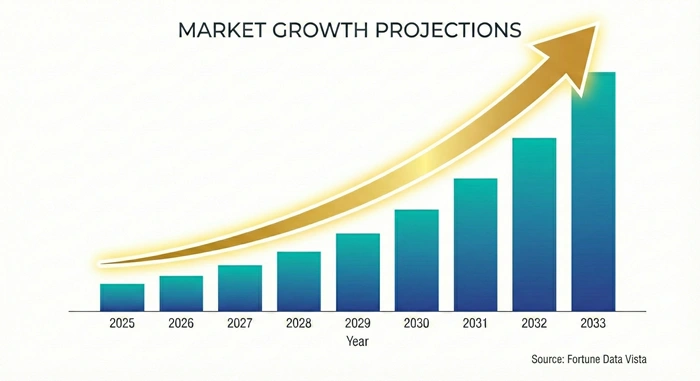
The long-term outlook for the Transformer market is exceptionally positive and backed by structural demand tailwinds across multiple simultaneous demand drivers that are expected to sustain above-average market growth throughout the 2026–2033 forecast period. Grid operators in North America and Europe are managing transformer procurement backlogs and extended delivery lead times — in some cases stretching beyond two years for large power transformers — reflecting the extraordinary strength of current institutional demand relative to available manufacturing capacity. This supply-demand imbalance is motivating utility and industrial buyers to place orders well in advance of need, creating strong forward order books for leading manufacturers and providing exceptional revenue visibility for the transformer industry through the near and medium term.
The data center construction boom — driven by explosive growth in cloud computing, artificial intelligence workloads, and digital service consumption — is emerging as an important and fast-growing incremental demand driver for the Transformer market that was not a significant factor in previous market cycles. Hyperscale data centers consume enormous quantities of electrical power and require extensive transformer infrastructure at both the utility substation interface and within the data center electrical distribution system — with each major new data center campus requiring multiple large power transformers and hundreds of medium-voltage distribution units. The ongoing geographic expansion of hyperscale data center construction by Amazon Web Services, Microsoft, Google, Meta, and major cloud providers across North America, Europe, and Asia Pacific is generating a sustained and growing stream of transformer procurement that is reinforcing market strength and creating important new high-specification product demand for leading transformer suppliers.
Expert Speaks
-
Pedro Azagra, CEO, Avangrid — "The transformation of our electricity grid to accommodate growing renewable energy, electrified transportation, and AI-driven data center demand requires unprecedented levels of investment in power infrastructure — including the transformers that are the foundation of every transmission and distribution network. The transformer supply chain must scale dramatically to meet this once-in-a-generation grid investment cycle."
-
Gunnar Groebler, CEO, Vattenfall — "Grid modernization is not optional — it is the most critical infrastructure investment of our generation, and transformers are at the heart of every grid upgrade and renewable energy integration project we undertake. We are working closely with our equipment suppliers to secure transformer procurement timelines that match our ambitious grid investment and clean energy expansion programs."
-
Pedro Larrea, CEO, Iberdrola España — "The energy transition is fundamentally a grid transformation, and transformers — from large transmission units to distribution-level devices — are the enabling technology that makes every renewable energy connection, every EV charging installation, and every new industrial electrification project possible. The demand for high-quality, efficient, and digitally enabled transformer solutions has never been stronger."
Key Report Takeaways
-
Asia Pacific dominates the Transformer market, holding approximately 41.20% of global market share in 2025, driven by China's massive electricity grid expansion and rural electrification programs, India's accelerating power infrastructure investment under the National Infrastructure Pipeline, Japan and South Korea's grid modernization and renewable integration programs, and the presence of leading transformer manufacturers including Hitachi Energy, Mitsubishi Electric, and a large number of major Chinese transformer producers.
-
Asia Pacific is also the fastest-growing regional market, projected to maintain the highest CAGR of approximately 8.60% from 2026 to 2033, driven by extraordinary grid capacity expansion requirements across China and India, Southeast Asian power infrastructure development, and the region's dominant position as both the largest producer and consumer of transformer equipment globally.
-
Power transformers are the dominant product type segment, contributing approximately 47.30% of total Transformer market revenue in 2025, reflecting the enormous capital value of large transmission-voltage power transformers used in generation step-up applications and high-voltage transmission network substations — where individual unit costs can range from USD 1 million to over USD 10 million for the largest ultra-high-voltage designs.
-
Transmission and distribution is the leading application segment, accounting for approximately 52.80% of total market revenue in 2025, as grid infrastructure investment — including both new network construction and aging infrastructure replacement — represents the largest and most consistent source of transformer procurement demand globally.
-
Oil-filled transformers are the dominant insulation type, holding approximately 64.50% of total market share in 2025, reflecting their established technical performance advantages for high-voltage, high-power applications including large power transformers and medium-voltage distribution units in outdoor substation environments where their superior thermal management and dielectric performance justify their continued preference over dry-type alternatives.
-
Dry-type transformers are the fastest-growing insulation segment, expected to expand at a CAGR of approximately 9.40% through 2033, driven by rapidly growing adoption in indoor commercial buildings, data centers, industrial facilities, and urban substations where fire safety, environmental considerations, and low maintenance requirements favor dry-type designs over oil-filled alternatives.
Market Scope
| Parameter | Details |
|---|---|
| Market Size by 2033 | USD 173.90 Billion | Market Size by 2026 | USD 88.46 Billion | Market Size by 2025 | USD 81.88 Billion | Market Growth Rate from 2026 to 2033 | CAGR of 8.00% | Dominating Region | Asia Pacific | Fastest Growing Region | Asia Pacific | Segments Covered | Type, Insulation, Phase, Application, End User | Regions Covered | North America, Europe, Asia Pacific, Latin America, Middle East & Africa |
Market Dynamics
Drivers Impact Analysis
Grid Modernization Spending, Renewable Energy Integration, Data Center Power Infrastructure Demand, and EV Charging Network Expansion Are the Four Core Pillars Driving Transformer Market Growth*
| Driver | ≈ % Impact on CAGR Forecast | Geographic Relevance | Impact Timeline |
|---|---|---|---|
| Large-scale electricity grid modernization and aging infrastructure replacement | ~36% | North America, Europe, Asia Pacific | Short to Long-term |
| Renewable energy capacity expansion requiring new transmission infrastructure | ~28% | Global — especially Europe, Asia Pacific, North America | Short to Long-term |
| Surging data center and AI infrastructure power demand | ~22% | North America, Europe, Asia Pacific | Short to Medium-term |
| EV charging infrastructure rollout generating distribution transformer demand | ~14% | North America, Europe, Asia Pacific | Medium to Long-term |
The most powerful structural driver of the Transformer market in the current cycle is the globally accelerating investment in electricity grid modernization — encompassing replacement of aging transmission and distribution infrastructure, capacity expansion for renewable energy integration, and grid digitalization for improved operational flexibility. In the United States, the average age of operating power transformers in the transmission grid exceeds 40 years — well beyond typical design service lives of 25–35 years — creating an urgent and widespread replacement need that is driving extraordinary procurement volumes. Similar aging infrastructure challenges exist across Western Europe, India, and parts of Latin America, making grid transformer replacement a genuinely global demand driver rather than a regionally concentrated phenomenon.
The explosive growth of data center construction globally — driven by hyperscale cloud platform expansion, AI model training and inference infrastructure, and digital service consumption growth — is creating an important and accelerating incremental demand driver for transformer products that is adding meaningfully to the underlying grid modernization and renewable integration demand base. Each new large hyperscale data center campus requires multiple large power transformers at the utility interconnection point and hundreds of medium-voltage distribution and dry-type transformers within the facility electrical distribution system — with major new data center projects representing transformer procurement values in the tens of millions of dollars per facility. As Amazon, Microsoft, Google, Meta, and their hyperscale peers continue their aggressive multi-hundred-billion-dollar data center construction investment programs globally, this demand stream is becoming an increasingly significant and durable contributor to global transformer market demand.
Restraints Impact Analysis
Extended Transformer Manufacturing Lead Times, Raw Material Cost Volatility, Skilled Workforce Shortages in Transformer Production, and Grid Permitting Delays Restrain Faster Market Supply-Side Response*
| Restraint | ≈ % Impact on CAGR Forecast | Geographic Relevance | Impact Timeline |
|---|---|---|---|
| Extended manufacturing lead times limiting supply response to demand surge | ~34% | North America, Europe | Short to Medium-term |
| Volatility in copper, silicon steel, and transformer oil raw material costs | ~28% | Global | Short to Long-term |
| Skilled manufacturing workforce shortages in transformer production facilities | ~24% | North America, Europe | Medium-term |
| Grid infrastructure permitting delays slowing transformer installation and deployment | ~14% | North America, Europe | Medium-term |
The most immediately constraining supply-side challenge facing the Transformer market is the significant mismatch between the extraordinary surge in transformer demand and the industry's current manufacturing capacity — resulting in extended lead times that are limiting the pace at which grid operators, utilities, and industrial buyers can receive and deploy ordered transformer equipment. Lead times for large power transformers have stretched to 18–36 months or longer in the U.S. and European markets, reflecting production bottlenecks at a relatively small number of specialized high-voltage transformer manufacturers whose capacity cannot be rapidly scaled due to the highly capital-intensive and skills-intensive nature of large transformer production. This supply constraint is not expected to be fully resolved within the near term, as new manufacturing capacity investments take multiple years to plan, build, qualify, and bring to productive output.
Volatility in the prices of critical transformer raw materials — particularly electrolytic copper used in windings, grain-oriented silicon steel used in transformer cores, and transformer-grade mineral oil used as insulation and cooling fluid — creates significant margin management challenges for transformer manufacturers operating under long-cycle production contracts. Copper and electrical steel prices are subject to substantial cyclical and geopolitical price fluctuations, and the inability to fully and immediately pass raw material cost increases through to customers under fixed-price or partially indexed contract structures periodically compresses manufacturer profitability and constrains investment capacity for production expansion. These material cost dynamics are a persistent structural feature of the transformer industry economics that moderates the pace of capacity expansion investment.
Opportunities Impact Analysis
Offshore Wind Transformer Infrastructure, Digital and Smart Transformer Adoption, Energy Storage Integration Transformers, and Emerging Market Electrification Create the Most Significant Growth Opportunities*
| Opportunity | ≈ % Impact on CAGR Forecast | Geographic Relevance | Impact Timeline |
|---|---|---|---|
| Offshore wind power expansion requiring specialized high-value transformer systems | ~32% | Europe, North America, Asia Pacific | Medium to Long-term |
| Digital and smart transformer adoption in grid modernization programs | ~28% | North America, Europe | Medium to Long-term |
| Energy storage system integration transformer demand | ~26% | North America, Europe, Asia Pacific | Short to Medium-term |
| Rural and industrial electrification in emerging markets | ~14% | Asia Pacific, Africa, Latin America | Medium to Long-term |
The rapidly expanding offshore wind power sector represents one of the most commercially significant high-value growth opportunities in the Transformer market, as offshore wind projects require multiple categories of highly engineered, specialized transformer systems — including offshore platform step-up transformers, subsea cable system transformers, and onshore grid interconnection transformers — that command premium pricing reflecting their demanding design specifications and challenging operating environment requirements. Europe is currently the most advanced offshore wind market globally, with the United Kingdom, Germany, Denmark, and the Netherlands collectively developing enormous offshore wind pipeline that will require multi-billion-dollar transformer procurement over the coming decade. The United States, China, South Korea, and Taiwan are also advancing substantial offshore wind development programs, collectively creating a globally distributed and long-duration high-value transformer demand stream.
The adoption of digital transformers and smart grid-enabled transformer monitoring systems represents a transformative technology upgrade opportunity that is progressively gaining institutional traction among grid operators seeking to improve network operational resilience, reduce outage frequency and duration, and extend transformer asset service life through data-driven maintenance management. Digital transformer platforms — incorporating integrated sensor arrays, edge computing modules, and connectivity to grid management information systems — enable real-time condition monitoring, load optimization, and predictive maintenance scheduling that deliver measurable operational and economic benefits for utility operators. As grid operators in North America and Europe become more familiar with digital transformer capabilities and as the cost premium of digital-enabled transformer products narrows relative to conventional designs through scale manufacturing, adoption rates are expected to accelerate meaningfully during the forecast period.
Segment Analysis
By Type
Power Transformers Lead the Transformer Market With the Highest Revenue Contribution While Distribution Transformers Represent the Highest Volume Segment Driven by Grid Expansion*
Power transformers hold the dominant revenue position within the type segment of the Transformer market, accounting for approximately 47.30% of total global market revenue in 2025 — reflecting the very high per-unit capital value of large transmission-voltage power transformers, where individual units can command prices from USD 1 million to over USD 10 million depending on voltage class, MVA rating, and specification complexity. Power transformer demand is most heavily driven by large utility grid modernization projects — including aging grid transformer replacement programs in North America and Europe, new transmission network construction for renewable energy integration, and high-voltage direct current (HVDC) transmission infrastructure development for long-distance clean energy transport. North America is experiencing particularly strong power transformer demand driven by the combination of grid aging infrastructure replacement urgency and the massive new generation interconnection requirements of utility-scale wind and solar projects. Leading global power transformer manufacturers include ABB (Hitachi Energy), Siemens Energy, GE Vernova, Mitsubishi Electric, and SPX Transformer Solutions, collectively serving the most demanding large power transformer applications across the world's highest-value grid infrastructure markets.
Distribution transformers represent the highest-volume segment of the Transformer market — with far larger unit production numbers than power transformers — and are growing strongly at a CAGR of approximately 8.30% from 2026 to 2033, driven by the massive scale of grid extension and network reinforcement investment required to connect new renewable energy installations, EV charging infrastructure, and new residential and commercial developments to distribution networks globally. Asia Pacific — led by China and India — is the largest and fastest-growing region for distribution transformer production and consumption, where rural electrification programs, rapid urbanization, and large-scale solar rooftop program grid connections are generating an extraordinary volume of new distribution transformer installation requirements. Key companies in the distribution transformer segment include Eaton Corporation, Schneider Electric, ABB (Hitachi Energy), Crompton Greaves (CG Power), and a large base of regional and domestic manufacturers serving Asian and emerging market demand.
By Application
Transmission and Distribution Anchors the Transformer Market Revenue While Renewable Energy Integration Emerges as the Fastest-Growing Application Segment*
Transmission and distribution applications represent the dominant end-use segment in the Transformer market, accounting for approximately 52.80% of total global market revenue in 2025, reflecting the foundational role of grid infrastructure investment as the primary and most consistent driver of transformer procurement across all major markets worldwide. Utility-grade transmission and distribution projects generate the highest average contract values per transformer unit, the most demanding technical specifications, and the strongest institutional procurement volumes — with national grid operators, regional transmission organizations, and electric distribution utilities together representing the world's largest and most stable category of transformer buyer. North America and Asia Pacific together account for the largest share of transmission and distribution transformer application revenue, driven respectively by the U.S. grid modernization investment surge and China and India's massive ongoing grid expansion programs. ABB (Hitachi Energy), Siemens Energy, GE Vernova, and Mitsubishi Electric are the dominant global suppliers to large transmission and distribution transformer project requirements.
Renewable energy integration is the fastest-growing application segment in the Transformer market, projected to expand at a CAGR of approximately 10.20% from 2026 to 2033, driven by the global acceleration in utility-scale solar, onshore wind, and offshore wind capacity addition that requires large volumes of step-up and grid interconnection transformers at generation site substations. Each new utility-scale solar or wind power project requires multiple power transformers — from individual turbine or string transformer units through collector substation step-up transformers to high-voltage transmission interconnection transformers — creating a renewable energy project development pipeline that represents a large and rapidly growing transformer demand stream. Europe is the most advanced region for offshore wind-driven renewable transformer demand, while North America and Asia Pacific are driving the largest onshore renewable generation transformer procurement volumes. Key suppliers serving the renewable energy transformer segment include Hitachi Energy, Siemens Energy, GE Vernova, and specialist offshore transformer manufacturers including Siemens and ABB.
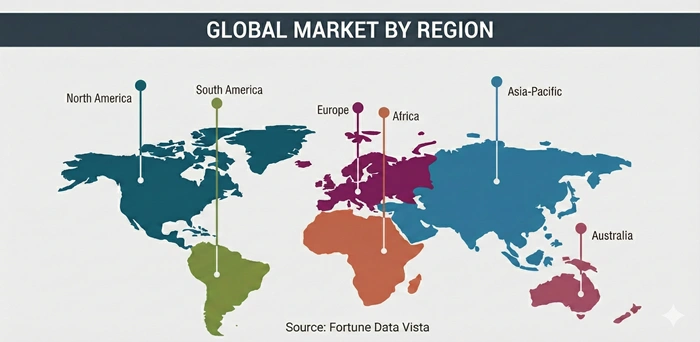
Regional Insights
Asia Pacific
Asia Pacific Leads the Global Transformer Market With the World's Largest Grid Infrastructure Investment Program, Highest Transformer Production Capacity, and Most Diverse Demand Drivers Across Utilities, Industry, and Renewable Energy*
Asia Pacific holds the dominant position in the global Transformer market, accounting for approximately 41.20% of total global market revenue in 2025, and is projected to maintain both its leadership and highest regional growth rate at a CAGR of approximately 8.60% from 2026 to 2033. China is the single largest national transformer market globally — driven by the world's largest electricity grid, ongoing rural electrification completion programs, massive renewable energy capacity expansion, and a highly developed domestic transformer manufacturing industry — with Chinese manufacturers including TBEA Co., CHINT Group, and a large number of regional producers supplying both domestic demand and export markets. India is the second-largest and fastest-growing national market within Asia Pacific, where the government's National Infrastructure Pipeline and PM-KUSUM solar agriculture program are generating substantial new transformer procurement demand, making India one of the most commercially important growth markets for both domestic and international Transformer market participants.
Japan, South Korea, and Southeast Asian markets — including Vietnam, Indonesia, the Philippines, and Thailand — are important additional contributors to Asia Pacific market revenue, with Japan and South Korea driven by grid modernization and offshore wind development and Southeast Asian markets driven by rapid economic growth and power infrastructure build-out. Leading transformer companies with strong Asia Pacific positions include Hitachi Energy (ABB legacy), Mitsubishi Electric, Toshiba Energy Systems, TBEA Co., and Schneider Electric, all of which are investing in expanded regional manufacturing and service capabilities to meet the region's growing transformer demand through 2033.
North America
North America Is the Second-Largest Transformer Market and Fastest-Growing Among Developed Regions, Driven by Unprecedented Grid Modernization Spending, Renewable Energy Integration, and Data Center Infrastructure Expansion*
North America holds the second-largest position in the global Transformer market, accounting for approximately 24.80% of total global market revenue in 2025, and is projected to grow at a strong CAGR of approximately 8.20% from 2026 to 2033 — the highest growth rate among developed regional markets. The United States is the primary revenue driver within the region, where record federal and utility investment in grid modernization under the Inflation Reduction Act and the Infrastructure Investment and Jobs Act — combined with an unprecedented renewable energy interconnection queue, a booming data center construction market, and urgent replacement needs for aging transmission transformer fleets — are collectively creating the strongest transformer demand environment in U.S. market history. Key transformer suppliers serving the North American market include ABB (Hitachi Energy), Siemens Energy, GE Vernova, Eaton Corporation, and SPX Transformer Solutions — all of which are investing in North American manufacturing capacity expansion to address extended lead times and capture the extraordinary current procurement opportunity.
Canada contributes meaningfully to regional market revenue through its ongoing electricity grid modernization programs, major hydroelectric transmission infrastructure investment, and growing renewable energy integration requirements — particularly in provinces advancing large-scale wind and solar procurement. The North American Transformer market outlook for the 2026–2033 forecast period is among the most positive of any regional market globally, with the combination of policy-driven grid investment, renewable energy transition, and digital infrastructure expansion creating a uniquely powerful and multi-layered demand environment that is expected to sustain above-trend growth rates throughout the forecast period.
Top Key Players
-
ABB Ltd. — Hitachi Energy (Switzerland / Japan)
-
Siemens Energy AG (Germany)
-
GE Vernova (United States)
-
Mitsubishi Electric Corporation (Japan)
-
Eaton Corporation plc (Ireland)
-
Schneider Electric SE (France)
-
TBEA Co. Ltd. (China)
-
Toshiba Energy Systems & Solutions Corporation (Japan)
-
SPX Transformer Solutions (United States)
-
Crompton Greaves — CG Power and Industrial Solutions Ltd. (India)
-
CHINT Group Co. Ltd. (China)
-
Fuji Electric Co. Ltd. (Japan)
Recent Developments
-
Hitachi Energy (ABB) (2025) — Announced a major expansion of its large power transformer manufacturing capacity at its Jefferson City, Missouri facility in the United States — one of the largest transformer manufacturing capacity investments in North American history — specifically targeting the extraordinary surge in U.S. grid modernization and renewable energy interconnection transformer demand, with the expanded facility expected to significantly increase the company's ability to serve the deep backlog of utility customer orders in the North American market.
-
Siemens Energy (2024) — Secured a landmark contract for the supply of large high-voltage transformer systems for a major offshore wind transmission project in the North Sea, reinforcing its position as the leading global supplier of offshore wind platform and subsea cable system transformers, and reflecting the growing commercial significance of the offshore wind transformer segment as a major revenue driver for the company's transformer business globally.
-
GE Vernova (2025) — Unveiled its next-generation smart digital transformer platform incorporating advanced integrated sensor arrays, edge computing analytics, and cloud-connected condition monitoring capabilities — designed to enable utility customers to implement real-time transformer health monitoring and AI-driven predictive maintenance management across their transmission and distribution transformer fleets, positioning GE Vernova as an innovator in the rapidly growing digital transformer segment.
-
Eaton Corporation (2024) — Expanded its dry-type transformer product portfolio with new high-efficiency cast resin transformer designs specifically engineered for data center electrical distribution applications — targeting the rapidly growing data center transformer market with products offering improved energy efficiency, enhanced fire safety credentials, and reduced footprint relative to conventional dry-type designs — reinforcing Eaton's position as a leading supplier of commercial and industrial building electrical infrastructure.
-
Mitsubishi Electric (2025) — Announced a strategic partnership with a major Indian power equipment manufacturer to establish a new joint venture transformer production facility in India — targeting the country's rapidly expanding power infrastructure investment market — combining Mitsubishi's advanced transformer technology and quality standards with local manufacturing cost economics and supply chain relationships to compete effectively for large government and utility transformer procurement programs in the Indian market.
Market Trends
The Accelerating Adoption of Digital and Smart Transformer Technologies and the Extraordinary Demand Surge Driven by Data Center and AI Infrastructure Expansion Are the Two Most Defining Trends Reshaping the Transformer Market*
The most strategically significant technology trend reshaping the Transformer market is the accelerating adoption of digital and smart transformer platforms that integrate real-time monitoring, condition assessment, and predictive maintenance capabilities into what was previously a largely passive and analog electrical asset class. Grid operators managing large fleets of aging transmission and distribution transformers are increasingly recognizing the operational and financial value of continuous condition monitoring — which enables planned maintenance rather than reactive failure response, significantly reducing outage duration, transformer replacement costs, and grid reliability incidents. As digital transformer platform costs fall with manufacturing scale, and as the operational benefits become more broadly demonstrated through early adopter utility deployments, the penetration of smart monitoring capabilities across the global installed transformer base is expected to grow substantially during the forecast period.
The extraordinary and accelerating demand from data center construction and AI computing infrastructure represents a structural transformation in the transformer market's demand composition that is becoming increasingly commercially significant. Unlike traditional utility grid transformer procurement — which follows long planning and permitting cycles — data center transformer demand can materialize on relatively compressed timelines as hyperscale operators accelerate facility construction to meet surging cloud and AI capacity requirements. This demand stream is not only adding volume to the transformer market but is also driving important product innovation requirements — including ultra-high reliability designs with extreme uptime specifications, compact footprint configurations for space-constrained urban data center sites, and advanced harmonic management features for the non-linear loads generated by modern high-density server infrastructure — creating new high-value product opportunities for technically capable transformer manufacturers.
Segments Covered in the Report
By Type:
-
Power Transformer
-
Distribution Transformer
-
Instrument Transformer
-
Auto Transformer
-
Special Transformer
By Insulation:
-
Oil-Filled Transformer
-
Dry-Type Transformer
-
Gas-Filled Transformer
By Phase:
-
Single Phase
-
Three Phase
By Application:
-
Transmission and Distribution
-
Power Generation
-
Railways
-
Industrial
-
Residential and Commercial Buildings
-
Renewable Energy
By End User:
-
Utilities
-
Industrial
-
Commercial
-
Residential
By Region:
-
North America
-
Europe
-
Asia Pacific
-
Latin America
-
Middle East & Africa
Frequently Asked Questions:
Answer: The Transformer market was valued at USD 81.88 billion in 2025 and is projected to reach USD 173.90 billion by 2033. It is expected to grow at a CAGR of 8.00% from 2026 to 2033, driven by large-scale grid modernization investment, renewable energy integration, and surging data center power infrastructure demand.
Answer: Large-scale electricity grid modernization and aging infrastructure replacement — particularly in North America and Europe — combined with the global renewable energy transition requiring new transmission infrastructure are the two most powerful drivers of the Transformer market. Surging data center and AI computing power demand and expanding EV charging infrastructure rollout are additional accelerating growth contributors.
Answer: Asia Pacific dominates the Transformer market with approximately 41.20% of global revenue in 2025, driven by China and India's massive grid expansion programs and a large domestic transformer manufacturing base. Asia Pacific is simultaneously the fastest-growing region at approximately 8.60% CAGR through 2033, while North America is the fastest-growing among developed regions at 8.20% CAGR.
Answer: Power transformers lead the Transformer market type segment with approximately 47.30% of total revenue in 2025, while transmission and distribution is the dominant application at approximately 52.80% market share. Dry-type transformers are the fastest-growing insulation type at approximately 9.40% CAGR, and renewable energy integration is the fastest-growing application at approximately 10.20% CAGR through 2033.
Answer: The explosive growth of hyperscale data center construction driven by cloud computing and AI infrastructure demand is creating a significant and fast-growing incremental demand stream for the Transformer market — with each major data center campus requiring multiple large power transformers and hundreds of distribution units. This demand is driving important product innovation requirements including ultra-high reliability designs, compact configurations, and advanced harmonic management capabilities that are creating new high-value product opportunities for leading manufacturers.